Bird Flu And Pink Eye: Symptoms, Treatment, Prevention
Understand how avian influenza may trigger conjunctivitis and learn vital prevention strategies for eye safety during outbreaks.
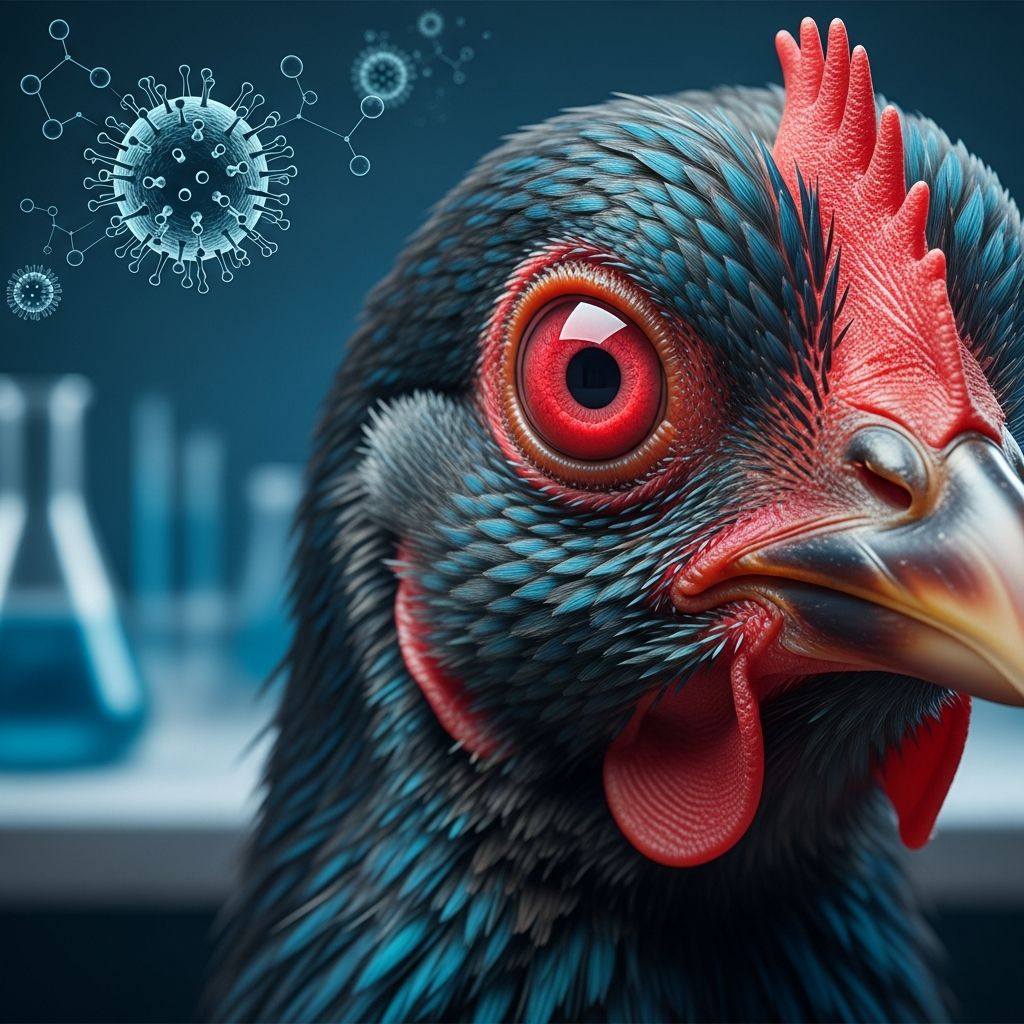
Pink eye, medically termed conjunctivitis, represents inflammation of the conjunctiva, the thin membrane covering the white part of the eye and inner eyelids. Recent concerns have arisen regarding its association with bird flu, or avian influenza, a viral infection primarily affecting birds but capable of jumping to humans through close contact. This article delves into how avian influenza can manifest as ocular symptoms, distinguishing it from common forms of conjunctivitis, and provides actionable guidance on management and prevention.
Recognizing Ocular Symptoms Linked to Avian Influenza
When bird flu infects humans, it often presents respiratory symptoms, but eye involvement is a notable red flag. Conjunctivitis from avian influenza typically features redness, excessive tearing, and light sensitivity, sometimes preceding systemic illness. Unlike typical viral pink eye, bird flu-related cases may accompany fever, cough, or muscle aches, signaling a more serious infection.
- Redness and swelling: Blood vessels in the conjunctiva dilate, giving eyes a pink or red hue.
- Discharge: Watery output, occasionally mucoid, differs from bacterial types’ thick pus.
- Irritation: Gritty sensation or itching, worsened by light exposure (photophobia).
- Crusting: Eyelids may stick together upon waking due to dried secretions.
These signs mirror general conjunctivitis but gain urgency if exposure to infected birds or poultry occurs. Prompt recognition aids in isolating potential cases to curb spread.
Types of Conjunctivitis and Their Ties to Viral Outbreaks
Conjunctivitis arises from diverse triggers, with viral forms most relevant to bird flu discussions. Adenoviruses dominate everyday cases, but influenza viruses, including avian strains, can target the eyes via mucosal contact.
| Type | Primary Cause | Contagious? | Key Features |
|---|---|---|---|
| Viral | Adenovirus, influenza viruses | Yes | Watery discharge, spreads via droplets |
| Bacterial | Staph, strep bacteria | Yes | Thick yellow/green pus, eyelid crusting |
| Allergic | Pollen, dander | No | Itching, both eyes affected seasonally |
| Irritant | Chemicals, smoke | No | Resolves post-exposure removal |
Viral conjunctivitis, highly transmissible through respiratory droplets or fomites, aligns closely with bird flu transmission dynamics. Human cases of H5N1 avian influenza have documented conjunctivitis as an initial symptom, emphasizing vigilance in high-risk groups like farm workers.
How Bird Flu Transmits to the Eyes
Avian influenza spreads via direct contact with infected bird secretions, contaminated environments, or aerosols. Eyes serve as entry points due to their moist surfaces, allowing viruses to bypass skin barriers. Touching a contaminated surface then rubbing eyes facilitates infection. During outbreaks, poultry handlers face elevated risks, with studies noting conjunctivitis in up to 10% of exposed individuals.
Respiratory proximity amplifies threats; coughing or sneezing propels viruses toward faces. Unlike seasonal flu, bird flu strains like H7N9 exhibit stronger ocular tropism, potentially causing standalone eye infections without lung involvement.
Differentiating Bird Flu Pink Eye from Common Variants
Related Stories



Standard viral conjunctivitis self-limits in 7-14 days, while bird flu variants may progress to severe respiratory disease. Accompanying fever over 100.4°F, shortness of breath, or recent bird exposure warrants immediate testing. Bacterial forms produce purulent discharge absent in flu-related cases. Allergic types itch bilaterally without contagion risk.
- Consult a clinician if symptoms persist beyond a week or intensify.
- Eye pain, vision blur, or corneal involvement signals complications.
Treatment Approaches for Flu-Associated Conjunctivitis
No antivirals target conjunctivitis specifically, but supportive care alleviates discomfort. For suspected bird flu, clinicians may prescribe oseltamivir if systemic infection looms.
Supportive Measures
- Cold compresses reduce swelling and soothe irritation.
- Artificial tears lubricate and flush irritants.
- Avoid contact lenses; discard disposables post-infection.
Type-Specific Interventions
Bacterial suspicions prompt antibiotic drops like erythromycin ointment. Allergic triggers benefit from antihistamine drops or oral agents. Viral cases, including avian, rely on hygiene and time, clearing in 1-2 weeks.
Hospitalization arises rarely for corneal ulcers or secondary infections. Early intervention prevents vision-threatening spread.
Prevention Strategies During Avian Flu Seasons
Proactive steps minimize risks, especially in endemic areas.
- Hygiene protocols: Wash hands thoroughly with soap; avoid eye touching.
- Protective gear: Goggles and masks for bird handlers.
- Environmental controls: Disinfect surfaces; isolate sick birds.
- Vaccination: Seasonal flu shots offer partial cross-protection.
- Awareness: Monitor health alerts from agencies like CDC.
Schools and workplaces should enforce no-touch policies during outbreaks.
When to Seek Urgent Eye Care
Most cases resolve benignly, but red flags demand attention:
- Severe pain or vision changes.
- Symptoms in newborns or immunocompromised.
- Non-resolving redness post-10 days.
- Bird exposure history amid flu alerts.
Optometrists diagnose via slit-lamp exams, swabbing for PCR confirmation of influenza strains.
FAQs on Bird Flu and Eye Infections
Can bird flu cause permanent eye damage?
Rarely; prompt care averts complications like keratitis.
Is pink eye from bird flu contagious to others?
Yes, via direct contact or droplets until symptoms wane.
How long does avian flu conjunctivitis last?
Typically 7-14 days with proper care.
Should I wear sunglasses outdoors during outbreaks?
Yes, to shield from irritants and reduce rubbing urges.
Do over-the-counter drops suffice for treatment?
For mild cases; consult professionals for confirmation.
Long-Term Eye Health in Flu-Prone Environments
Chronic exposure heightens recurrence risks; annual eye exams detect vulnerabilities. Boost immunity via nutrition—vitamin A, C support mucosal integrity. Stay updated on avian flu variants through official channels.
In summary, while bird flu pink eye shares traits with routine conjunctivitis, contextual clues like exposure history differentiate it. Vigilance, hygiene, and swift medical consultation form the cornerstone of defense.
References
- Pink eye (conjunctivitis) – Symptoms and causes — Mayo Clinic. 2022-05-12. https://www.mayoclinic.org/diseases-conditions/pink-eye/symptoms-causes/syc-20376355
- How to Treat Pink Eye — Centers for Disease Control and Prevention (CDC). 2023-08-15. https://www.cdc.gov/conjunctivitis/treatment/index.html
- Pink eye (conjunctivitis) – Diagnosis and treatment — Mayo Clinic. 2022-05-12. https://www.mayoclinic.org/diseases-conditions/pink-eye/diagnosis-treatment/drc-20376360
- Conjunctivitis or pink eye — MedlinePlus, U.S. National Library of Medicine. 2024-01-10. https://medlineplus.gov/ency/article/001010.htm
- Pink Eye (Conjunctivitis): Symptoms, Treatment & Causes — Cleveland Clinic. 2023-11-20. https://my.clevelandclinic.org/health/diseases/pink-eye-conjunctivitis
Similar Articles








Read full bio of medha deb