Bird Flu Symptoms In Humans: Essential Guide To Key Signs
Recognizing bird flu symptoms early: From mild eye redness to severe respiratory distress and potential complications.
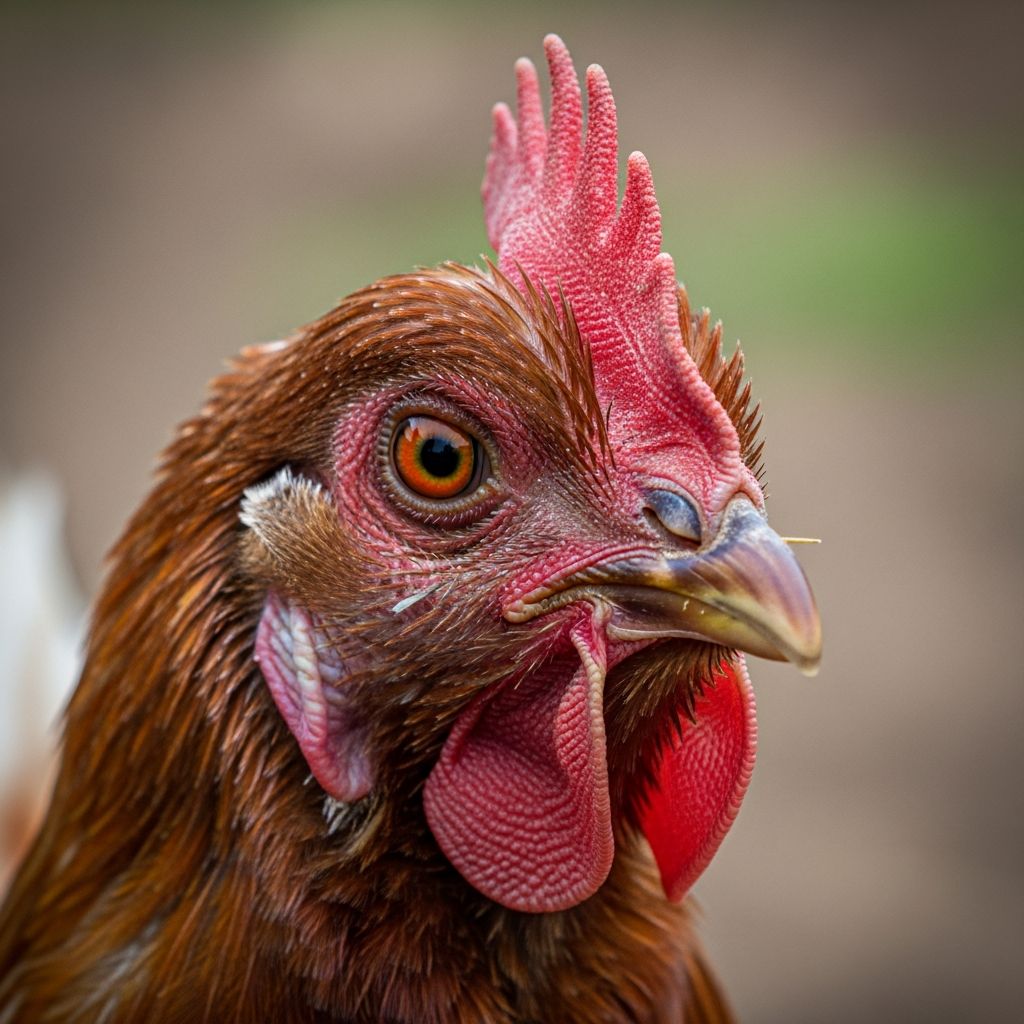
Bird flu, or avian influenza, primarily affects birds but can infect humans through close contact with infected animals, leading to a range of symptoms from mild conjunctivitis to life-threatening respiratory failure. Recent U.S. cases, mostly linked to exposure to sick poultry or dairy cows, have been predominantly mild, with eye redness as the key sign, though severe outcomes remain possible.
What Is Bird Flu?
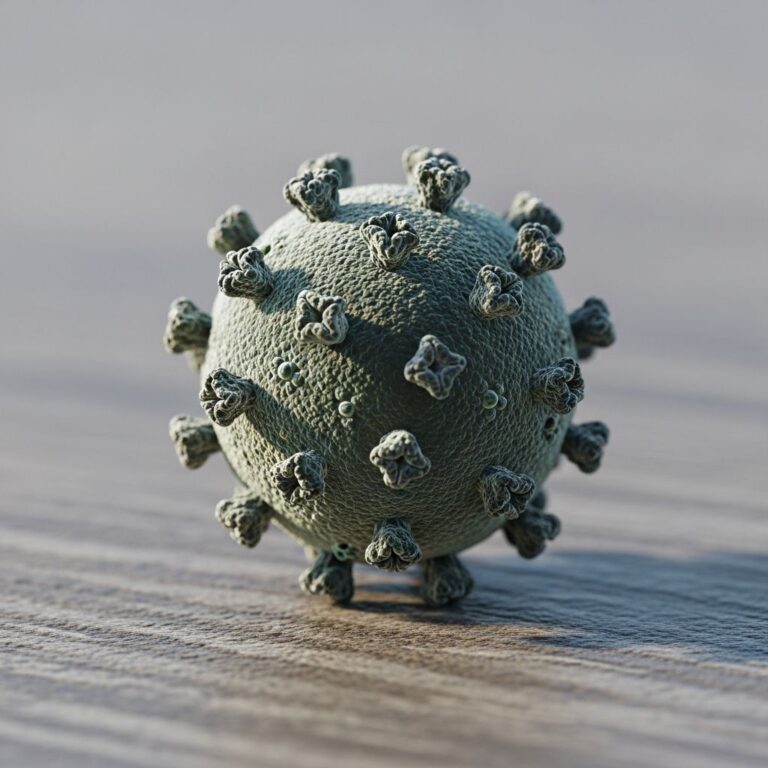
Bird flu refers to infections caused by avian influenza A viruses, such as H5N1, which are highly contagious among birds and occasionally spill over to mammals and humans. Transmission to people occurs via inhaling viral particles from infected animals’ saliva, mucus, feces, or milk, or through contact with contaminated surfaces entering the eyes, nose, or mouth. While wild birds often carry the virus without illness, domestic poultry suffer high mortality, and human cases have surged in the U.S. since 2024, with 66 confirmed infections by early 2025, including the first death.
Historically, strains like H5N1 have caused severe illness with nearly 50% fatality rates globally, but current U.S. outbreaks show milder symptoms, possibly due to under-detection of past mild cases. No sustained human-to-human transmission has occurred, limiting spread.
Symptoms of Bird Flu
Symptoms typically appear 2-7 days after exposure, mirroring seasonal flu but with prominent eye involvement in recent cases. Severity varies from mild, self-limiting illness to critical conditions requiring hospitalization.
Mild Symptoms
Most U.S. cases present mild signs, especially eye redness (conjunctivitis), which has dominated recent H5N1 infections. Other common mild symptoms include:
- Eye redness and irritation (conjunctivitis)
- Mild fever (100°F/37.8°C or higher) or chills
- Cough
- Sore throat
- Runny or stuffy nose
- Muscle or body aches
- Headaches
- Fatigue
- Less commonly: diarrhea, nausea, or vomiting
These resemble standard flu but eye symptoms can onset 1-2 days post-exposure, faster than respiratory issues.
Symptoms of Moderate to Severe Bird Flu
Severe cases escalate quickly, limiting daily activities and risking death. Indicators include:
- High fever disrupting normal function
- Shortness of breath or difficulty breathing
- Altered consciousness or confusion
- Seizures
- Very high fever (>103°F/39.4°C)
Symptoms start around 4-6 days post-contact per NHS guidelines, with respiratory distress signaling urgency.
How Quickly Do Bird Flu Symptoms Appear?
The incubation period for respiratory symptoms is about 3 days (range 2-7 days), while eye symptoms may emerge in 1-2 days. Contagiousness peaks in the first few days of illness, similar to seasonal flu, but severe pneumonia cases may shed virus for weeks. Illness duration is typically days to under two weeks, though severe cases can last weeks.
Bird Flu Complications
Untreated or severe bird flu can lead to:
- Pneumonia
- Respiratory failure
- Acute respiratory distress syndrome (ARDS)
- Acute kidney injury
- Multi-organ failure
- Sepsis or septic shock
- Meningoencephalitis (brain inflammation)
- Organ failure (heart, liver, kidneys)
These explain historical high mortality, though U.S. cases remain mostly mild.
Related Stories



Causes and Risk Factors for Bird Flu
Bird flu stems from influenza A subtypes like H5N1 and H7N9, with genetic shifts enabling animal-to-human jumps. High-risk groups include:
- Dairy and poultry farm workers
- Those handling sick or dead birds/mammals
- Veterinarians and lab personnel
- People near contaminated milk or feces
Outbreaks in U.S. dairy cows since 2024 heighten risks for milk handlers.
How Does Bird Flu Spread?
Human spread requires direct exposure to infected animals; no efficient human-to-human transmission in current outbreaks. Rare household clusters occurred historically with prolonged contact.
| Transmission Mode | Description |
|---|---|
| Aerosol inhalation | Breathing in virus from animal secretions |
| Mucosal contact | Virus touches eyes, nose, mouth via hands or fomites |
| Ingestion | Contaminated unpasteurized milk (rare) |
| Human-to-human | Not sustained; limited to close contacts historically |
Diagnosis and Testing for Bird Flu
Suspected cases with animal exposure undergo PCR testing via nasal/throat swabs or conjunctival swabs for eye symptoms. Early isolation is key until results confirm.
Bird Flu Treatment
Antiviral drugs like oseltamivir (Tamiflu) are first-line, most effective if started within 48 hours. Severe cases need hospitalization, oxygen, or ventilators. Consult CDC for latest guidance.
Prevention and Protection From Bird Flu
Prevent through:
- Wearing PPE (masks, goggles, gloves) near animals
- Avoiding raw milk/products
- Hand hygiene
- Vaccination monitoring (none routine for public yet)
- Avoiding sick/dead birds
Frequently Asked Questions (FAQs)
What are the first signs of bird flu in humans?
The earliest signs are often eye redness (conjunctivitis) and mild fever, followed by cough and fatigue in recent U.S. H5N1 cases.
Is bird flu contagious from human to human?
No sustained human-to-human spread in current outbreaks; transmission is animal-to-human.
How long does bird flu last?
Mild cases resolve in days to two weeks; severe ones may persist weeks.
Can you get bird flu from eating cooked chicken?
No, proper cooking kills the virus; risk is from live/unpasteurized sources.
Is there a bird flu vaccine for humans?
Vaccines exist for high-risk workers; none for general public currently.
What to do if exposed to bird flu?
Monitor for symptoms, isolate if ill, seek testing, and contact health authorities.
References
- Signs and Symptoms of Bird Flu in People — Centers for Disease Control and Prevention (CDC). 2025-01-10. https://www.cdc.gov/bird-flu/signs-symptoms/index.html
- Everything You Need to Know About Bird Flu — UVA Health. 2024-05-22. https://www.uvahealth.com/healthy-balance/bird-flu-faqs
- What Is Bird Flu? — JAMA Network. 2025-01-06. https://jamanetwork.com/journals/jama/fullarticle/2829318
- Bird flu — National Health Service (NHS). 2024-11-15. https://www.nhs.uk/conditions/bird-flu/
- The Bird Flu: A New Emerging Pandemic Threat — National Institutes of Health (NIH) / PMC. 2011-02-28. https://pmc.ncbi.nlm.nih.gov/articles/PMC3068632/
Similar Articles








Read full bio of medha deb