Bird Mite Infestation: Identification, Symptoms, and Treatment
Comprehensive guide to identifying, treating, and preventing bird mite infestations effectively.
Bird Mite Infestation: A Comprehensive Guide
Bird mite infestations represent a common parasitic problem that affects both human populations and captive birds. These microscopic arthropods are normally associated with wild and domestic birds, but under certain circumstances, they establish infestations in human dwellings. Understanding the identification, symptoms, treatment, and prevention of bird mite infestations is essential for effective management and relief from the discomfort they cause.1
What Are Bird Mites?
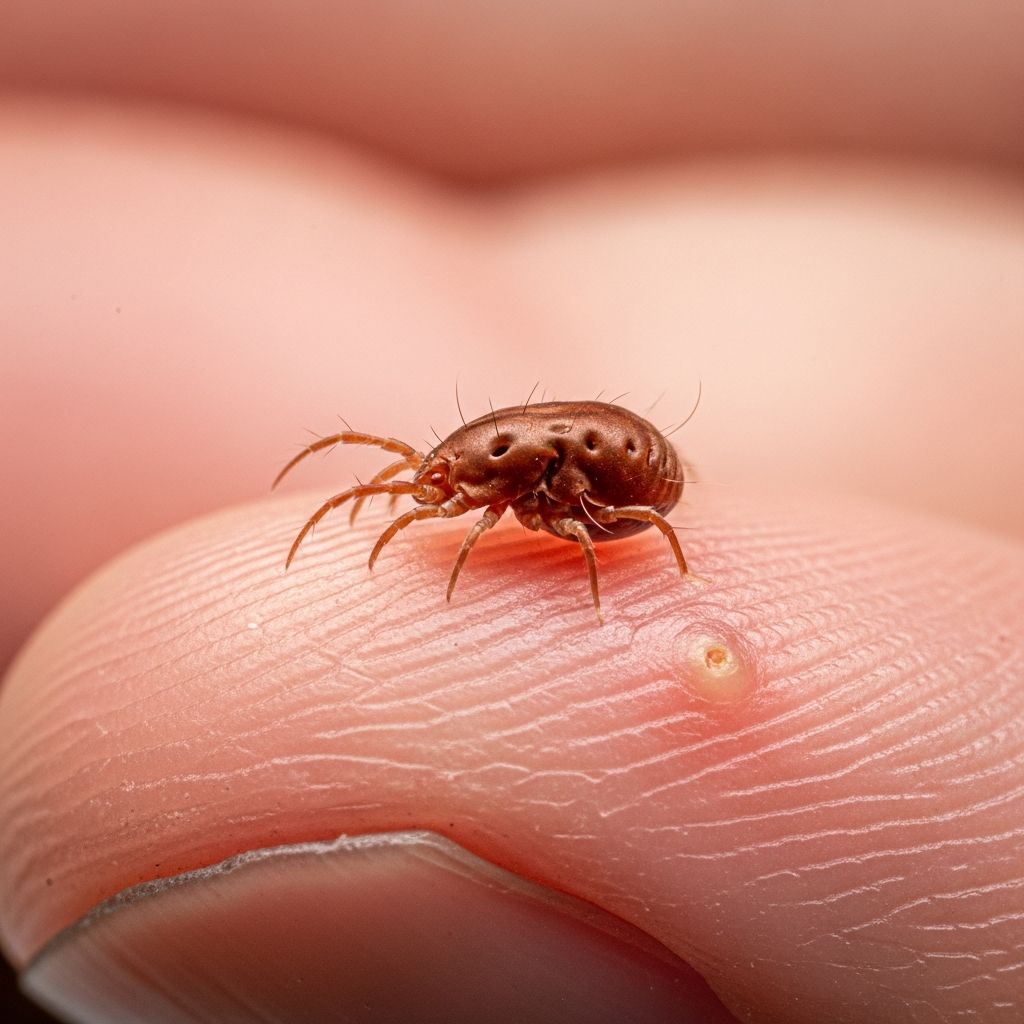
Bird mites are tiny parasitic arthropods that typically measure less than 1 millimeter in length and possess eight legs characteristic of all mites. These organisms are oval-shaped and appear clear or translucent in color when unfed.1 Upon feeding on blood, they undergo a dramatic color transformation, shifting from their natural clear appearance to a distinctive reddish hue. This color change can serve as a visual indicator of active feeding and recent blood meals.1
Bird mites normally parasitize the blood of various bird species, including pigeons, sparrows, chickens, and other avian hosts. When bird nests, dead birds, or roosting sites are located in close proximity to human habitations, these mites may migrate into homes and buildings in search of alternative hosts, leading to human infestations.1
Symptoms of Bird Mite Infestation in Humans
Bird mite infestations produce characteristic symptoms in affected individuals. The clinical presentation varies in severity but typically includes the following manifestations:
- Intense Itching: The primary symptom reported by individuals with bird mite bites is severe itching, which results from the body’s allergic reaction to the mite’s saliva injected during feeding.1 This itching can become particularly pronounced during nighttime hours when the mites are most active.
- Bite Marks and Skin Lesions: Bird mite bites appear as red, swollen bumps measuring approximately 0.25 inches in diameter and elevated approximately 0.1 inches from the skin surface.1 These bite marks resemble mosquito bites but are typically larger and take considerably longer to heal, often persisting for several days.
- Nocturnal Symptoms: Because bird mites exhibit peak activity during nighttime and early morning hours, individuals experience increased itching during sleep periods, leading to disturbed sleep patterns and associated fatigue.1
- Visible Movement: In some cases, individuals report the sensation of crawling on the skin or observing tiny moving dots, particularly during nighttime hours.4
- Secondary Symptoms: Excessive scratching of affected areas can damage the skin barrier and facilitate bacterial invasion, potentially resulting in secondary skin infections characterized by increased pain, redness, and discharge from affected sites.1
Diagnosis of Bird Mite Infestation
Diagnosing bird mite infestations in humans can present challenges because the symptoms closely resemble those caused by other parasites, including bedbugs, scabies, lice, and ticks.4 Medical professionals typically base diagnosis on a combination of clinical presentation and epidemiological factors, including:
- The pattern and distribution of bite marks on the body
- The temporal relationship between bites and proximity to bird nests or roosting sites
- The concentration of bites during nighttime hours
- The presence of bird nests, dead birds, or bird activity near the residence
- The response (or lack thereof) to typical treatment for other parasitic conditions
Related Stories



Individuals with suspected bird mite infestations should seek medical evaluation to rule out other parasitic or dermatological conditions and receive appropriate treatment recommendations.5
Bird Mite Symptoms in Pets and Captive Birds
Captive birds and pet birds display distinct symptoms when affected by mite infestations. These manifestations differ significantly from human presentations and require veterinary attention:2
- Excessive Preening: Infested birds exhibit abnormal preening behavior in attempts to remove mites from their plumage.
- Feather Loss: Mite activity damages feathers, leading to patchy feather loss and compromised plumage quality.
- Restlessness: Nighttime restlessness and behavioral changes are common in affected birds.
- Weight Loss: Chronic mite infestations can contribute to weight loss and reduced overall condition.
- Dull or Ruffled Appearance: The plumage becomes disheveled, dull, and unkempt in appearance.
In advanced infections, veterinarians may observe small black spots in the bird’s trachea during physical examination.2 Transillumination procedures, which involve wetting the bird’s neck with alcohol and shining light against one side of the body, may reveal mites crawling in the airways in severe cases.2
Treatment Options for Human Bird Mite Infestations
Treating bird mite infestation in humans requires a multifaceted approach addressing both symptom relief and environmental control. The following strategies are recommended:
Skin Cleansing and Personal Hygiene
The first step in managing bite symptoms involves thorough skin cleansing to eliminate any remaining mites on the body.5 This includes:
- Showering or bathing with regular body wash and shampooing hair thoroughly
- Using a loofah or washcloth to scrub affected areas during bathing
- Applying coal tar soap or body wash once or twice daily for additional mite removal and symptom relief1
- Adding a few drops of bleach to bathwater to kill and repel remaining mites1
Symptomatic Relief
Several topical and systemic medications provide relief from itching and inflammation:
- Anti-itch Creams: Topical creams formulated to reduce itching provide immediate relief when applied directly to affected areas.1
- Oral Antihistamines: Systemic antihistamine medications reduce the body’s histamine response, decreasing itching and inflammation.1
- Topical Steroids: Prescription-strength topical steroid medications reduce inflammation and associated itching.4
- Moisturizers: Post-bathing application of moisturizing lotions soothes irritation and supports skin barrier function.5
Prevention of Future Infestations
Preventive measures reduce the likelihood of recurrent infestations:
- Application of insect repellents containing DEET (diethyl meta-toluamide) to exposed skin1
- Sealing bedding in vinyl covers to prevent mite access
- Regular wiping of vinyl-covered bedding with borax and water solution1
Secondary Bacterial Infection Treatment
When excessive scratching leads to skin breakdown and bacterial colonization, appropriate antibiotic therapy becomes necessary to prevent complications.5
Treatment of Bird Mite Infestations in Pet Birds
Treatment of bird mite infestations in captive or pet birds requires professional veterinary intervention, as no over-the-counter remedies provide effective treatment.2 The standard approach includes:
Antiparasitic Medication
Ivermectin is the primary antiparasitic drug used by veterinarians to treat all types of bird mites, including air sac mites, scaly face and leg mites, and feather mites.2 Administration methods vary based on bird size:2
- Small birds receive a topical application of liquid ivermectin placed on the skin over the jugular vein
- Larger birds typically receive intramuscular or intravenous injections
- In some cases, ivermectin may be administered in drinking water for systemic treatment3
Precise dosing is critical, as improper administration can result in toxicity or treatment failure. Dosage must be specifically calculated for individual birds by qualified veterinarians.3
Multi-Bird Treatment Protocols
When multiple birds share a cage or living space and one individual is diagnosed with mite infestation, veterinarians typically recommend treating the entire group, as mite infestations are contagious among birds housed together.2
Supplementary Care
While not substitutes for antiparasitic medication, certain homemade remedies may provide supplementary relief or symptom management:3
- Vinegar Spray: Mixing white vinegar with salt water in a spray bottle may help reduce itching and irritation and can serve as a mite repellent.
- Peppermint Oil Solution: Combining white vinegar with a few drops of peppermint essential oil creates a stronger bird mite spray with potential repellent properties.3
Environmental Control and Elimination Strategies
Successful management of bird mite infestations requires elimination of the infestation source and comprehensive environmental treatment:
Nest and Bird Removal
The primary step involves identifying and removing the source of infestation:1
- Locate all bird nests on, in, or around the premises
- Remove and properly dispose of identified bird nests
- Remove deceased birds found on or around the property
Chemical Treatment
Once the primary infestation source is removed, comprehensive chemical treatment eliminates remaining mites:1
- Insecticide Fumigation: Professional fumigation with approved chemical miticides kills all remaining mites throughout the affected structure.
- Approved Insecticides: Specific miticides including permethrin, deltamethrin, clofentezine, and hexythiazox may be applied to reach all areas where mites are present.1
- Professional Pest Control: Engagement of licensed pest control professionals ensures comprehensive treatment and may be necessary for severe infestations.
Physical Removal Methods
For smaller infestations, physical removal strategies may supplement or precede chemical treatment:1
- Vacuuming affected surfaces with a vacuum cleaner to physically remove mites
- Wiping surfaces with damp cloths to collect and remove mites
Diatomaceous Earth Application
Food-grade diatomaceous earth sprayed throughout affected areas may help control mite populations; however, caution is warranted as diatomaceous earth is a respiratory irritant and should not be widely dispersed in living spaces.1
Preventing Bird Mite Infestations
Comprehensive prevention strategies reduce the risk of bird mite infestations in homes and buildings:
- Exclude Birds and Nests: Prevent birds from roosting on or nesting in areas proximate to human living spaces through appropriate exclusion techniques and habitat modification.
- Regular Inspections: Conduct periodic inspections of attics, eaves, ventilation areas, and other potential bird roosting sites to detect early signs of bird activity.
- Seal Entry Points: Identify and seal openings that allow birds to access buildings while maintaining adequate ventilation.
- Professional Wildlife Management: Engage licensed wildlife management professionals for humane removal of established bird colonies.
- Personal Protection: Apply DEET-containing insect repellents when working in areas where bird activity is present.6
Frequently Asked Questions
Q: Are bird mite bites dangerous to humans?
A: Bird mite bites are generally harmless to humans, causing primarily itching and mild skin irritation. However, excessive scratching can damage the skin and lead to secondary bacterial infections requiring antibiotic treatment.1
Q: How long do bird mite bites last?
A: Bird mite bite marks typically persist for several days longer than mosquito bites. With appropriate treatment and prevention of further infestation, symptoms generally resolve within 1-2 weeks as remaining mites are eliminated and bites heal.
Q: Can bird mites infest my pet bird?
A: Yes, bird mites readily infest captive and pet birds, causing feather loss, excessive preening, restlessness, and weight loss. Immediate veterinary attention is essential, as professional antiparasitic treatment with ivermectin is required.2
Q: What should I do if I suspect bird mites in my home?
A: Contact a licensed pest control professional to inspect your property and identify the bird infestation source. Simultaneously, seek medical evaluation if you have unexplained bites or skin irritation. Remove any visible bird nests and deceased birds from the premises.
Q: Can home remedies cure bird mite infestations?
A: Home remedies cannot completely eradicate bird mite infestations but may provide temporary symptom relief. Professional pest control services and environmental treatment are necessary for complete elimination of infestations.3
Q: How do I distinguish bird mite bites from other insect bites?
A: Bird mite bites are typically larger than other insect bites, take longer to heal, cause nocturnal itching, and are concentrated in areas where you sleep. The presence of bird activity near your home supports a bird mite diagnosis.4
References
- Bird Mites | Overview, Symptoms & Treatment — Study.com. Accessed 2025. https://study.com/academy/lesson/bird-mites-bites-symptoms-treatment.html
- How To Get Rid of Bird Mites: Signs, Treatment, and Prevention — Chewy. Accessed 2025. https://www.chewy.com/education/bird/health-and-wellness/pet-bird-mites-and-symptoms
- How Can I Tell If My Bird Has Mites? — Jeffers Pet. Accessed 2025. https://jefferspet.com/blogs/livestock/how-can-i-tell-if-my-bird-has-mites
- Bird Mites: What They Are and How to Get Rid of Them — WebMD. Accessed 2025. https://www.webmd.com/pets/what-to-know-bird-mites
- Bird Mites: Pictures, Bites, Treatment & Prevention — Healthline. Accessed 2025. https://www.healthline.com/health/bird-mites
- Bird mites – prevention and treatment — SA Health. Accessed 2025. https://www.sahealth.sa.gov.au/wps/wcm/connect/public+content/sa+health+internet/conditions/bites+stings+and+pests/bird+mites+prevention+and+treatment
Similar Articles








Read full bio of Sneha Tete