Birth Control After Childbirth: Safe Postpartum Options
Discover safe, effective contraception options for new mothers, from immediate postpartum methods to long-term solutions that fit breastfeeding and recovery needs.

New parents face many adjustments after welcoming a baby, and resuming intimacy while preventing unplanned pregnancies requires thoughtful planning. Postpartum contraception helps space births, supports recovery, and aligns with breastfeeding goals. Options vary by timing, effectiveness, and compatibility with nursing, allowing personalized choices.
Why Contraception Matters Right After Delivery
Fertility can return surprisingly soon after birth, even before your first period. Exclusive breastfeeding delays ovulation for some, but it’s unreliable alone—known as the lactational amenorrhea method (LAM), it demands nursing every four hours daytime and night with no supplements, effective only up to six months. Most healthcare providers recommend starting contraception early to avoid surprises. Discuss preferences antenatally to prepare devices or procedures.
Immediate Postpartum Options: Start Right Away
Certain methods can begin moments after delivery, ideal for busy new moms seeking hassle-free protection.
- Contraceptive Implant: A small rod inserted under the arm skin releases progestin, preventing ovulation for up to three years. Over 99% effective and reversible by removal. Safe for breastfeeding; place immediately postpartum.
- Progestin-Only Injection (Depo-Provera): A single arm shot provides three months of coverage by thickening cervical mucus and suppressing ovulation. More than 99% effective if timely. No proven impact on milk supply or quality.
- Progestogen-Only Pill (Mini-Pill): Daily hormone tablet safe from birth, even for nursing moms. Must take at the same time daily; backup needed if delayed over three hours. Minimal hormone passes to breast milk, harmless to baby.
- Barrier Methods like Condoms and Spermicide: No hormones; use anytime post-delivery. Condoms also protect against STIs. Spermicides kill sperm; combine for best results.
These progestin-based choices avoid estrogen, which may increase clot risk postpartum.
Options at 4-6 Weeks Postpartum: When Body Heals
As uterus and cervix normalize around six weeks, more methods become available. Attend your checkup to confirm fit and suitability.
| Method | Start Time | Effectiveness | Breastfeeding Safe? |
|---|---|---|---|
| Intrauterine Device (IUD) – Copper or Hormonal | 4 weeks (48 hours for some) | >99% | Yes |
| Diaphragm/Cervical Cap/Sponge | 6 weeks | 88-94% with perfect use | Yes |
| Combined Pill/Patch/Ring | 6 weeks (21 days bottle-feeding) | 99% perfect use | Caution if nursing |
Copper IUDs last 10+ years without hormones; hormonal versions (e.g., LNG-IUS like Mirena) reduce bleeding for five years. Postpartum insertion success is 70-90%, though expulsion risk is higher initially—over 80% retain at six months. Refit barriers if previously used, as anatomy changes.
Long-Acting Reversible Contraception (LARC): Set It and Forget It
LARCs like IUDs and implants boast top-tier effectiveness (>99%) and high continuation rates—nearly 90% at one year vs. 60% for pills. FSRH endorses discussing LARCs postpartum for superior reliability. Immediate placement postpartum surged during disruptions like pandemics, proving feasible. Plan ahead; hospitals stock preferred devices.
Permanent Choices: For Families Complete
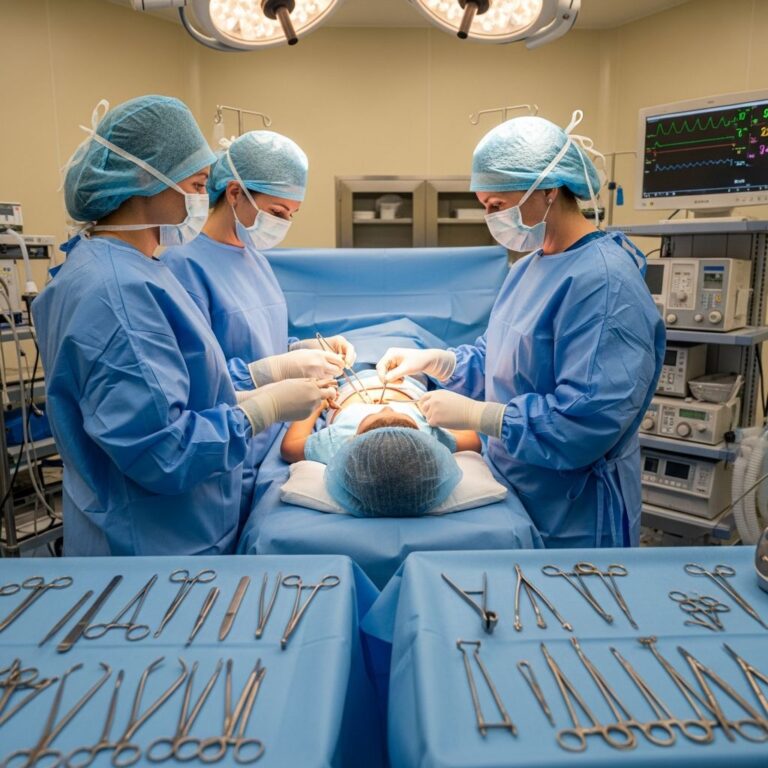
Tubal ligation (‘tubes tied’) seals fallopian tubes during cesarean or soon after vaginal birth. Over 99% effective per ACOG; periods continue, but ectopic risk rises slightly vs. no contraception. Consider carefully—reversal is complex and not guaranteed.
Breastfeeding Compatibility: What Works Best
Progestin methods (implants, shots, mini-pills, hormonal IUDs) are first-line for nursing moms, with negligible infant impact. Avoid estrogen-containing options (combined pill, patch, ring) before three-six weeks minimum, ideally six if breastfeeding, due to supply concerns and clots. LAM offers natural interim protection but follow strict rules.
Emergency Contraception Postpartum
If unprotected sex occurs, act fast. Levonorgestrel pills (up to 72 hours) or ulipristal (EllaOne up to 120 hours) work; avoid breastfeeding one week post-EllaOne. Delay new hormonal starts five days after. Copper IUD as emergency is highly effective up to five days if inserted timely.
Factors Influencing Your Choice
- Effectiveness: LARCs and sterilization excel; user-dependent methods like pills falter with inconsistency.
- Lifestyle: Daily pills suit routines; LARCs free mental load amid sleep deprivation.
- Side Effects: Progestin may cause irregular bleeding, weight gain; barriers avoid systemic hormones.
- Future Plans: Reversible for more kids; permanent if done growing family.
- Health Conditions: Smoking, migraines, clots contraindicate estrogen.
Related Stories



Consult providers; ACOG urges preconception counseling.
Common Myths Debunked
- Myth: Breastfeeding is foolproof contraception. Only if exclusive and frequent; fertility returns variably.
- Myth: Depo harms milk. No evidence; safe and effective.
- Myth: Postpartum IUDs always expel. Most stay put with monitoring.
FAQs
When can I start birth control after giving birth?
Progestin-only methods and condoms immediately; others at 4-6 weeks. Plan with your doctor.
Is the implant safe while breastfeeding?
Yes, insert right after delivery; lasts three years.
Can I get an IUD immediately postpartum?
Yes within 48 hours, or wait 4 weeks for lower expulsion risk.
What if I miss my mini-pill?
Use backup 48 hours if over 3 hours late.
Does Depo-Provera affect my baby’s milk?
No data shows interference; deemed safe.
Steps to Choose Your Method
- Discuss antenatally with OB-GYN or midwife.
- Weigh pros/cons, effectiveness, reversibility.
- Schedule insertion/procedure postpartum.
- Attend 6-week check for adjustments.
- Track side effects; switch if needed.
Empower your postpartum journey with informed contraception—protect health, support bonding, plan purposefully.
References
- Birth control after childbirth: Long-term options for new moms — UT Southwestern Medical Center. 2023. https://utswmed.org/medblog/larc-birth-control-after-delivery/
- Sex and contraception after birth — NHS. 2023-10-25. https://www.nhs.uk/baby/support-and-services/sex-and-contraception-after-birth/
- Postpartum Birth Control — American College of Obstetricians and Gynecologists (ACOG). 2023. https://www.acog.org/womens-health/faqs/postpartum-birth-control
- Contraception After Having a Baby — Patient.info. 2023. https://patient.info/sexual-health/contraception-methods/contraception-after-having-a-baby
- Contraception and Breastfeeding — Breastfeeding Network. 2023. https://www.breastfeedingnetwork.org.uk/factsheet/contraception/
- Birth Control After Delivery — UCLA Health. 2023. https://www.uclahealth.org/medical-services/birthplace/pregnancy-newborn-health/prenatal-education/after-labor-and-delivery/birth-control-after-delivery
Similar Articles








Read full bio of medha deb