Birth Control Implant: How It Works, Side Effects & Benefits
Complete guide to contraceptive implants: effectiveness, placement, removal, and what to expect.
Understanding the Birth Control Implant
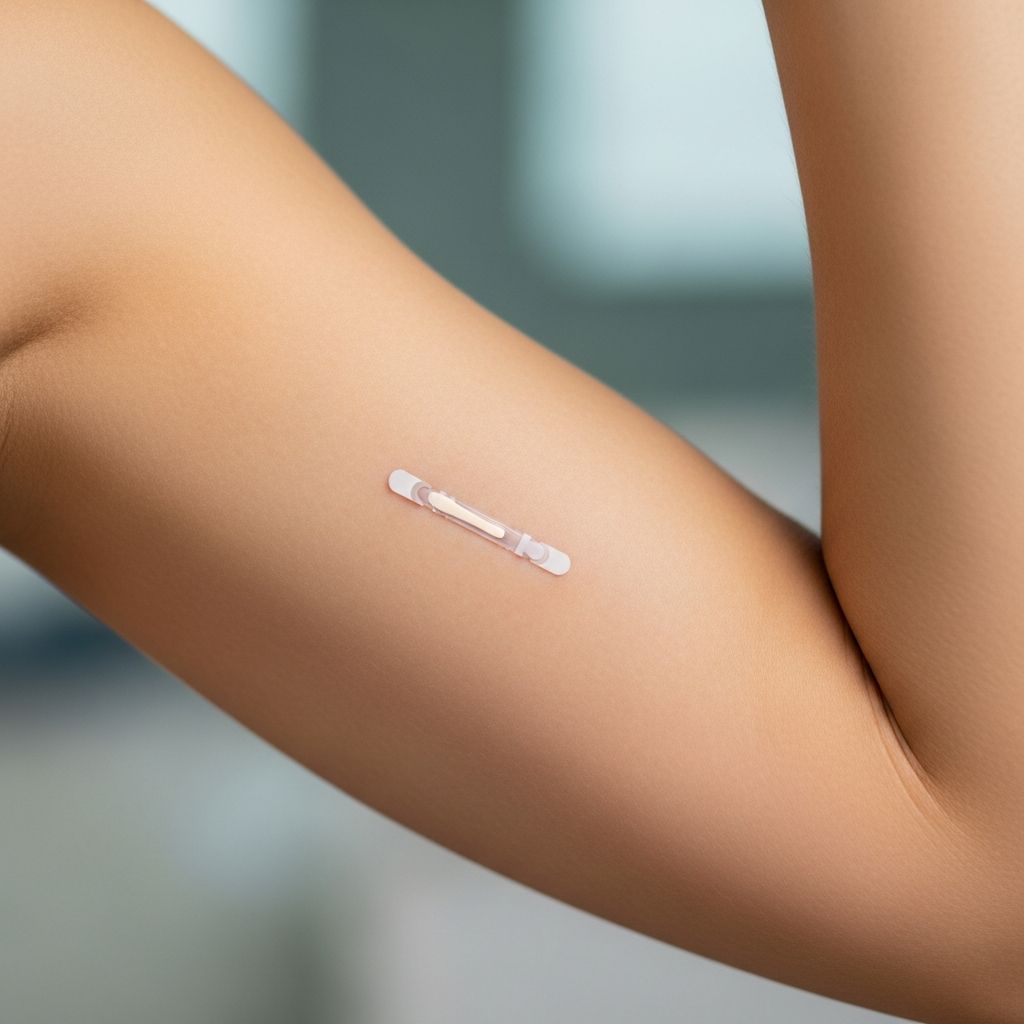
A birth control implant, also known as a contraceptive implant, is a small, flexible rod-like device that provides long-acting pregnancy prevention. This highly effective form of contraception is inserted by a healthcare provider directly under your skin in the inner, upper arm area. The brand name for this implant is Nexplanon®, which contains the hormone etonogestrel and represents one of the most reliable reversible contraceptive methods available today.
The implant works by releasing a steady, consistent dose of progestin into your bloodstream over an extended period. This hormone-based approach prevents pregnancy through multiple mechanisms, making it exceptionally effective at preventing unwanted conception. Unlike daily birth control methods that require consistent user compliance, the implant offers a set-it-and-forget-it approach to contraception.
How the Contraceptive Implant Works
The mechanism of action behind the birth control implant involves three primary ways that progestin prevents pregnancy. Understanding these mechanisms helps explain why this method is so effective.
Ovulation Prevention
The primary way the implant works is by preventing your ovary from releasing an egg, a process called ovulation. Without an egg being released, there is nothing for sperm to fertilize, effectively preventing pregnancy before it can begin.
Cervical Mucus Thickening
In addition to preventing ovulation, the progestin hormone thickens the mucus in your cervix. This thickened mucus creates a barrier that makes it extremely difficult for sperm to reach an egg, even in the rare circumstance that ovulation occurs.
Uterine Lining Changes
The hormone also thins your uterine lining, which makes it difficult for a fertilized egg to implant and develop. This triple-action approach ensures multiple layers of pregnancy prevention, contributing to the implant’s exceptional effectiveness rates.
Effectiveness and Reliability
The birth control implant stands among the most effective contraceptive options available, comparable only to intrauterine devices (IUDs) in terms of pregnancy prevention. Studies consistently demonstrate that the implant is more than 99% effective at preventing pregnancy, with fewer than 1% of women experiencing accidental pregnancy while using this method.
This exceptional effectiveness rate makes it one of the most reliable forms of reversible contraception available. The implant’s high success rate is largely due to the fact that it does not depend on user compliance—once inserted, it continuously releases hormones without requiring any daily action or remembering to use it correctly.
The Implant Insertion Procedure
Getting a birth control implant is a straightforward office procedure that takes only a few minutes to complete. Your healthcare provider will follow a specific process to ensure proper placement and comfort.
Preparation and Numbing
Your provider begins by numbing an area on the inside of your upper arm using local anesthetic. Many patients report that the numbing medication feels like a simple pinch, and the numbing process ensures you won’t feel pain during the actual insertion.
Related Stories



Implant Placement
Once the area is numb, your provider uses a small applicator device with a hollow needle to place the implant just underneath your skin. The implant itself is so small that stitches are not necessary—only a simple bandage covers the insertion site. Nine out of ten patients report that the procedure is much easier than they expected.
Timing Within Your Menstrual Cycle
Your healthcare provider can insert the implant at any point in your menstrual cycle, provided you are not pregnant. However, the timing affects when you are immediately protected against pregnancy. If your provider inserts the implant during the first five days of your cycle, you are protected against pregnancy immediately. If insertion occurs after the fifth day of your cycle, you should use backup contraception (such as a condom) for seven days to ensure complete protection.
Duration of Effectiveness
The birth control implant is currently FDA-approved for providing contraceptive protection for three years. However, emerging evidence suggests that the implant may continue to be effective for up to five years, with some studies demonstrating a 5-year cumulative pregnancy rate as low as 0.6 per 100 women-years.
If you wish to continue using an implant after three years, you can have a new one inserted immediately after the old one is removed. Many women choose to replace their implants to maintain continuous contraceptive coverage.
The Implant Removal Process
One of the advantages of the birth control implant is that it can be removed at any time if you change your mind about contraception or want to attempt pregnancy. Removal is a simple procedure that must be performed by a trained healthcare provider.
How Removal Works
To remove your implant, your provider will numb the area around the implant site and make a small incision in your skin. The numbing medication ensures you don’t experience pain during the procedure, though you may feel some pressure or mild discomfort. Most women experience only soreness or tenderness around the implant site for a few days after removal.
Important Considerations
You should never attempt to remove your implant yourself. Only trained healthcare providers should insert and remove birth control implants to prevent complications and ensure proper procedure. Once your implant is removed, you are no longer protected against pregnancy, so using alternate forms of birth control is important if you don’t want to become pregnant.
Potential Removal Complications
While removal is generally straightforward, in rare cases the implant can be difficult to remove, potentially requiring an additional specialist visit or, extremely rarely, removal under anesthesia in an operating room setting.
Fertility After Implant Removal
One of the benefits of the birth control implant is its reversibility. It’s possible to become pregnant as soon as your provider removes your implant, meaning you may ovulate within just a few days after removal. If you’ve had intercourse in the week prior to implant removal, it’s possible that sperm could still be in your body, and if ovulation occurs, that sperm could fertilize an egg.
If you don’t want to get pregnant after removal, consider using an alternate form of birth control immediately. It takes about 14 days for a pregnancy test to detect pregnancy after ovulation, so you can take a test around this time to confirm pregnancy hasn’t occurred if you’re concerned.
Potential Side Effects and Considerations
While the birth control implant is generally well-tolerated, it’s important to understand potential side effects before deciding if it’s right for you.
Common Side Effects
The most common side effect of the birth control implant is irregular bleeding, though the bleeding tends to be light. This typically improves after six to 12 months, and some people completely stop getting their periods. Other reported side effects include sore breasts and headaches. The implant uses a lower dose of hormones than birth control pills, making it less likely to cause problems like significant weight gain or mood swings.
Who Should Not Use the Implant
The birth control implant may not be suitable for everyone. You should discuss your full medical history with your healthcare provider to determine if an implant is right for you. Certain medical conditions or medications may make the implant an inappropriate choice for your situation.
Comparison: Implant vs. Other Contraceptive Methods
Understanding how the implant compares to other contraceptive options can help you make an informed decision about which method is right for you.
Implant vs. Birth Control Pills
The birth control implant is more effective than the pill at preventing pregnancy, primarily because you don’t need to remember to take it daily. However, the best birth control method is one you’ll use correctly and consistently. Some people prefer the daily ritual of taking a pill, while others appreciate the convenience of an implant that requires no daily action. Effectiveness may ultimately come down to personal preference and lifestyle.
Implant vs. IUD
An IUD and an implant are similar in many ways—both are long-acting reversible contraceptive methods with exceptional effectiveness rates. However, there are important differences. Unlike an IUD, the implant doesn’t require a pelvic exam or vaginal procedure, which is a significant advantage for many women. The implant is inserted in the upper arm, making it a non-invasive alternative to intrauterine devices.
Safety and Effectiveness Data
Real-world data supports the safety and effectiveness of the birth control implant. A 2017 analysis of six years of real-world Implanon/Nexplanon insertion and removal procedures found a low incidence of insertion complications, with fewer than 1% of cases involving difficult insertions or other insertion-related issues.
When to Contact Your Healthcare Provider
While the implant is generally safe, you should contact your healthcare provider if you experience any unusual symptoms or complications. Be aware of your body and any changes that occur after implant insertion or if you notice anything unusual during the three years the implant is in place.
Frequently Asked Questions
Q: How effective is the birth control implant?
A: The birth control implant is more than 99% effective at preventing pregnancy, making it one of the most reliable contraceptive methods available. Fewer than 1% of women using the implant experience accidental pregnancy.
Q: Can I get the implant inserted during any time of my menstrual cycle?
A: Yes, your healthcare provider can insert the implant at any point in your menstrual cycle as long as you’re not pregnant. However, if inserted after day five of your cycle, use backup contraception for seven days.
Q: How long does the implant last?
A: The implant is FDA-approved for three years of protection, though emerging evidence suggests it may be effective for up to five years. You can have it replaced immediately if you want to continue using this method.
Q: Can I remove the implant myself?
A: No, only trained healthcare providers should remove the implant. Attempting removal yourself could lead to complications. Your provider can remove it at any time based on your preference.
Q: What are the most common side effects?
A: The most common side effect is irregular bleeding, which typically improves within 6-12 months. Some people experience sore breasts or headaches. The implant uses lower hormone doses than pills, reducing risks of weight gain or mood swings.
Q: Can I get pregnant immediately after implant removal?
A: Yes, it’s possible to become pregnant as soon as the implant is removed. You may ovulate within days of removal, so use backup contraception if you don’t want to get pregnant.
Q: Does the insertion procedure hurt?
A: Your provider numbs the area first, so it shouldn’t hurt. Some people report the numbing medication feels like a pinch. You may experience soreness or tenderness for a few days after insertion.
Q: Is the implant suitable for everyone?
A: The implant is not appropriate for everyone. Discuss your full medical history with your healthcare provider to determine if it’s right for you, as certain conditions or medications may make it unsuitable.
Conclusion
The birth control implant represents an excellent option for people seeking long-acting, highly effective, reversible contraception that requires minimal maintenance. With effectiveness rates exceeding 99%, convenience that doesn’t rely on daily compliance, and a straightforward insertion and removal process, the implant has become increasingly popular among those seeking reliable pregnancy prevention. While the implant isn’t suitable for everyone, discussing its benefits and potential side effects with your healthcare provider can help you determine if this method aligns with your contraceptive needs and lifestyle preferences.
References
- Birth Control Implant: How It Works, Side Effects & Benefits — Cleveland Clinic. https://my.clevelandclinic.org/health/articles/24564-contraceptive-implant
- Is a Birth Control Implant Right for You? — Cleveland Clinic Health. https://health.clevelandclinic.org/is-a-birth-control-implant-right-for-you
- Birth Control: Forms, Options, Risks & Effectiveness — Cleveland Clinic. https://my.clevelandclinic.org/health/articles/11427-birth-control-options
- Contraceptive Implant Migration and Removal by Interventional Radiology — PubMed Central, National Center for Biotechnology Information. https://pmc.ncbi.nlm.nih.gov/articles/PMC5886766/
- Update on current contraceptive options: A case-based discussion — Cleveland Clinic Journal of Medicine. 2021. https://www.ccjm.org/content/90/3/181
Similar Articles








Read full bio of Sneha Tete