Birth Control Options: Forms, Effectiveness & Safety Guide
Explore comprehensive birth control methods: pills, IUDs, implants, and more with effectiveness rates.
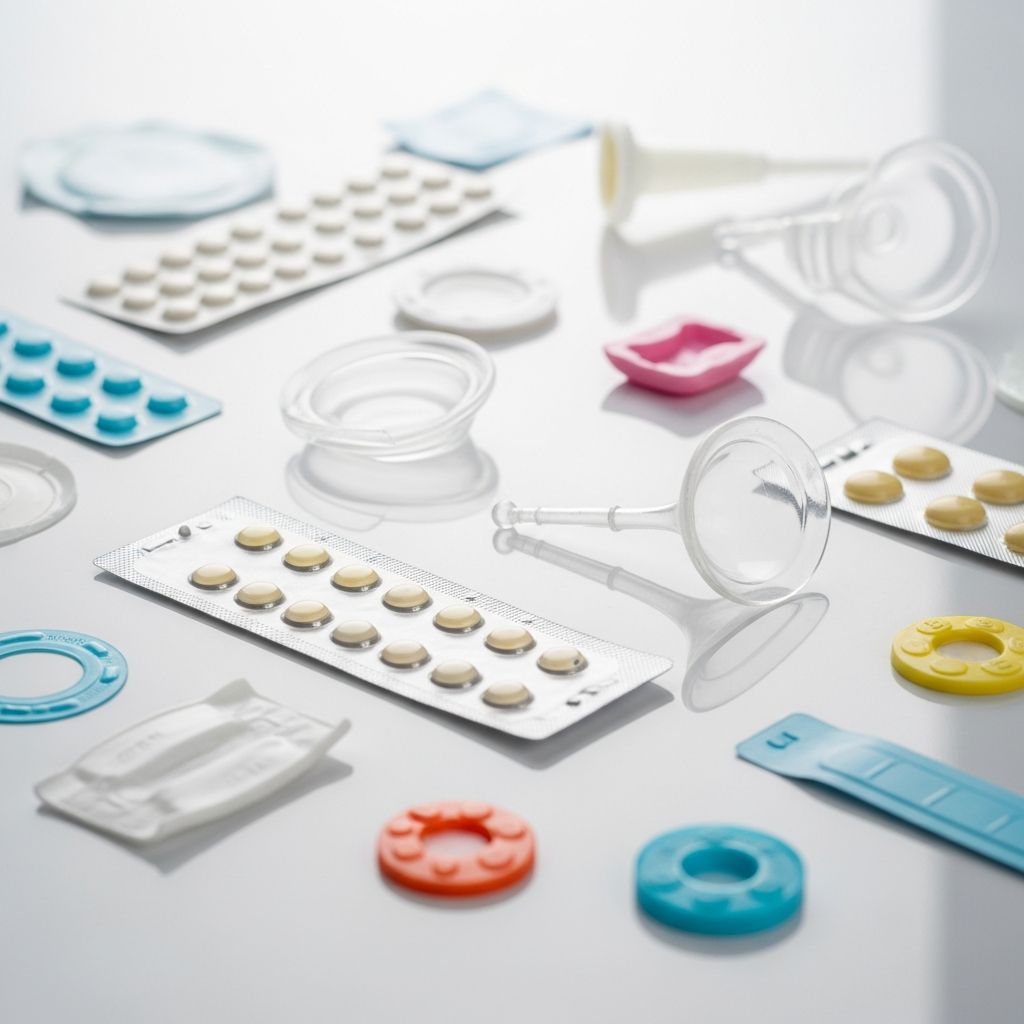
Understanding Birth Control Options: A Comprehensive Guide
Birth control is a crucial aspect of reproductive health that allows individuals to make informed decisions about their families and futures. Whether you’re considering contraception for the first time or exploring different options, understanding the various methods available, their effectiveness rates, and how they work is essential. The most effective form of birth control is abstinence, which provides 100% protection against pregnancy and sexually transmitted infections (STIs). However, for most people, this isn’t a practical long-term solution. That’s why it’s important to have a backup form of birth control in mind and to discuss your options with both your partner and healthcare provider.
The Key to Birth Control Success
Birth control only works when you use it correctly and consistently. Forms of birth control that are more convenient and don’t require much maintenance are usually the most effective. These include the birth control implant, intrauterine devices (IUDs), and sterilization procedures. Methods like fertility awareness or withdrawal are among the least effective at preventing pregnancy. To maximize protection, many healthcare providers recommend doubling-up on birth control methods, such as using a condom and a birth control pill simultaneously. This approach protects against STIs while using both a barrier method and hormonal medication.
Hormonal Birth Control Methods
Birth Control Pills
Birth control pills are among the most popular contraceptive methods available today. When taken consistently every day, birth control pills are 99% effective at preventing pregnancy. However, typical use effectiveness is lower due to missed doses or improper timing. As of July 2023, the first over-the-counter daily oral contraceptive pill, Opill (oral norgestrel), became available without a prescription, making access more convenient for many people. These pills come in various formulations, with new options including those with alternative estrogens and different progestin combinations to suit individual needs and reduce side effects.
Birth Control Patches and Rings
For those who prefer not to take a daily pill, hormonal contraceptives are now available in patch and ring formulations. The transdermal patch delivery system helps address poor adherence issues and reduces hormone level fluctuations that can occur with oral contraceptives. Vaginal rings, such as Annovera, offer extended-cycle options with effectiveness rates comparable to perfect use of combined oral contraceptives, reported at 97.3% in clinical trials. These alternatives provide flexibility for women who want hormonal contraception without the commitment of daily pill-taking.
The Progestin-Only Pill
Progestin-only pills (POPs) are an excellent option for women who cannot take estrogen or prefer a hormonal-only method without estrogen. These pills can be started immediately without waiting for a specific day of the cycle, making them ideal as a ”quick start” method. However, traditional POPs require rigid daily timing, as missed pills significantly reduce effectiveness. Unlike combination pills, POPs inhibit ovulation in only 50% to 70% of user cycles, relying on other mechanisms such as cervical mucus thickening to prevent pregnancy. Newer formulations like Nextstellis, which contains norethindrone and estrogen, provide improved effectiveness and more predictable bleeding patterns.
The Birth Control Shot
Depo-Provera is a hormonal injection that stops you from ovulating and thickens cervical mucus to prevent sperm from reaching an egg. Your healthcare provider administers the injection into your upper thigh or arm, with each injection providing protection for approximately 12 weeks or three months. The Depo-Provera shot has the potential to be 99% effective; however, only 6% of people get pregnant each year on the shot because they don’t receive injections on time. A lower-dose version called Depo-Subq Provera 104 allows some patients to self-inject at home, improving adherence and removing barriers associated with frequent clinic visits.
Barrier Methods and Spermicides
Related Stories



Cervical Caps
A cervical cap is a small, dome-shaped device that covers your cervix to prevent sperm from reaching an egg. Before use, coat the cap in spermicide, then insert it into your vagina and position it against your cervix. You can insert a cervical cap up to six hours before sexual intercourse, but you must leave it in place for at least eight hours after sex. The cap can remain in place for up to 48 hours. A cervical cap is about 78% effective at preventing pregnancy, but it can reach 85% effectiveness when used with spermicide. You must visit your healthcare provider for a pelvic exam to be properly fitted for a cervical cap, as effectiveness depends on proper fit.
Condoms and Other Barriers
Condoms remain one of the most accessible and widely available birth control methods. Unlike hormonal methods, condoms provide dual protection against both pregnancy and sexually transmitted infections. Male condoms are external barrier devices, while female condoms offer an internal alternative. Though less effective than IUDs or implants, condoms are reliable when used correctly and consistently, making them an excellent choice for those prioritizing STI prevention or seeking a non-hormonal option.
Long-Acting Reversible Contraceptives (LARCs)
Intrauterine Devices (IUDs)
Intrauterine devices are among the most effective forms of birth control available today. There are two main types: copper-containing IUDs (such as Paragard) and progestin-containing IUDs (including Mirena and Liletta). Copper IUDs prevent pregnancy by creating an environment toxic to sperm, while progestin-releasing IUDs thicken cervical mucus and may prevent ovulation. Both types are more than 99% effective at preventing pregnancy when inserted correctly. An added benefit is that both copper and progestin-containing IUDs can be used as emergency contraception when inserted within 120 hours (five days) of unprotected sex, making them the most effective form of emergency contraception available. Recent research has shown that several commonly used LARC methods maintain efficacy one to two years after the FDA-approved duration of use.
Birth Control Implants
The birth control implant is a small, flexible rod inserted under the skin of your upper arm by a healthcare provider. It releases hormones continuously to prevent pregnancy and is one of the most effective birth control methods available. The implant provides protection for three years and requires no daily maintenance, making it ideal for those seeking a set-and-forget option.
Emergency Contraception
Emergency contraception is a form of birth control that you can use within 120 hours (five days) of having unprotected sex. It’s most effective at preventing pregnancy if used within three days of unprotected intercourse. The most effective morning-after pill contains ulipristal (brand name: ella), available only by prescription. Several over-the-counter options are available containing levonorgestrel, with many generic names including Plan B One-Step and Take Action. These pills prevent pregnancy by temporarily blocking egg production and delaying ovulation.
As mentioned, both copper-containing and progestin-containing IUDs can be used as emergency contraception when inserted within 120 hours of unprotected sex. This is the most effective form of emergency contraception available. The benefit of using IUDs for emergency contraception is that you’re simultaneously seeking a long-term birth control method while preventing future unwanted pregnancies.
Permanent Sterilization Options
Female Sterilization (Salpingectomy)
Female sterilization involves surgically removing or blocking the fallopian tubes to prevent pregnancy permanently. During a salpingectomy procedure, your healthcare provider performs the surgery while you’re under anesthesia. They make two to three small incisions in your abdomen and insert a laparoscope to seal and completely remove your fallopian tubes. This procedure is almost 100% effective at preventing pregnancy. However, female sterilization is permanent, and you should only pursue this option if you’re certain you don’t want to get pregnant in the future. While in very rare cases it can be reversed, this operation carries risks and can be extremely expensive. Additionally, it doesn’t protect against STDs.
Male Sterilization (Vasectomy)
Vasectomy is a permanent birth control option for men involving a surgical procedure to block or cut the vas deferens, preventing sperm from reaching the ejaculate. Like female sterilization, vasectomy is nearly 100% effective and permanent, making it suitable only for those certain about not wanting biological children in the future.
Nonhormonal Contraceptive Innovations
Recent developments have expanded nonhormonal contraceptive options beyond traditional methods. New nonhormonal intravaginal gels represent an exciting advancement in contraceptive technology, offering alternatives for those who prefer non-hormonal methods or cannot tolerate hormonal side effects. These innovations are crucial for ensuring reproductive autonomy and providing options for women who don’t desire a procedure or daily oral regimen.
Choosing the Right Birth Control Method
Before choosing a birth control method, discuss your options thoroughly with your partner and healthcare provider. Your healthcare provider can help you understand your choices based on your medical history, lifestyle, and reproductive goals. Consider factors such as:
- Effectiveness rates and how they compare to typical use
- Convenience and maintenance requirements
- Side effects and health considerations
- Protection against STIs
- Cost and insurance coverage
- Reversibility of the method
- Personal preferences regarding hormonal versus non-hormonal options
Remember that birth control methods are only effective if you use them properly. Make sure you understand how to use your chosen method correctly before relying on it for contraception.
Important Considerations About Abstinence
Abstinence remains the only birth control method that is 100% effective and the only way to completely protect yourself from STDs. It means never having sexual intercourse. While abstinence is the most reliable method, many people find it difficult to maintain long-term. It’s important not to let anyone pressure you into having sex if you don’t feel ready—it’s an important decision with serious emotional and physical consequences.
Frequently Asked Questions
Q: What is the most effective form of birth control?
A: Abstinence is the only birth control that is 100% effective. Among other methods, long-acting reversible contraceptives (LARCs) like IUDs and implants are over 99% effective. Female sterilization procedures are also nearly 100% effective.
Q: Can I use birth control as emergency contraception?
A: Yes, certain IUDs (both copper and progestin-containing) can be used as emergency contraception if inserted within 120 hours of unprotected sex. Emergency contraceptive pills like ella (ulipristal) and Plan B (levonorgestrel) are also available and most effective within three days of unprotected intercourse.
Q: What should I do if I miss a dose of my birth control pill?
A: If you miss a pill, take it as soon as you remember, even if it means taking two pills on the same day. If you’ve missed more than one pill or are unsure about what to do, contact your healthcare provider. Consider using backup contraception like condoms until you’ve taken your pills correctly for seven consecutive days.
Q: Is it safe to double up on birth control methods?
A: Yes, doubling up on birth control methods is typically best. Using two methods simultaneously, such as a condom and a birth control pill, provides protection against STIs while using both a barrier method and hormonal medication at the same time, significantly improving effectiveness and safety.
Q: Can birth control be reversed if I change my mind?
A: Most hormonal birth control methods and barrier methods are reversible—fertility typically returns quickly after discontinuing them. However, permanent sterilization procedures like vasectomy and salpingectomy are intended to be permanent. While reversal is possible in rare cases, it carries risks and can be very expensive.
Q: Do all birth control methods protect against STIs?
A: No. Only condoms (male and female) provide protection against sexually transmitted infections. Hormonal methods, IUDs, implants, and sterilization procedures prevent pregnancy but do not protect against STIs. If you’re concerned about STI transmission, use condoms in addition to your chosen birth control method.
References
- Birth Control: Forms, Options, Risks & Effectiveness — Cleveland Clinic. 2024. https://my.clevelandclinic.org/health/articles/11427-birth-control-options
- Update on Current Contraceptive Options — Consult QD, Cleveland Clinic. 2024. https://consultqd.clevelandclinic.org/update-on-current-contraceptive-options
- Birth Control Pill: Types, Side Effects & Effectiveness — Cleveland Clinic. 2024. https://my.clevelandclinic.org/health/treatments/3977-birth-control-the-pill
- An Overview of Over-the-Counter Contraceptives: Spotlight on Daily Oral Contraceptive — Cleveland Clinic Journal of Medicine, 2023. https://www.ccjm.org/content/92/9/572
- Birth Control Implant: How It Works, Side Effects & Benefits — Cleveland Clinic. 2024. https://my.clevelandclinic.org/health/articles/24564-contraceptive-implant
- Update on Current Contraceptive Options: A Case-Based Discussion — PubMed, National Center for Biotechnology Information. 2023. https://pubmed.ncbi.nlm.nih.gov/36858617/
- How To Pick the Birth Control Method That’s Right for You — Cleveland Clinic Health. 2024. https://health.clevelandclinic.org/how-to-pick-the-right-birth-control-method
Similar Articles








Read full bio of medha deb