Birth Control Overview: Methods, Effectiveness & Safety
Complete guide to contraception methods, effectiveness rates, and choosing the right option for you.
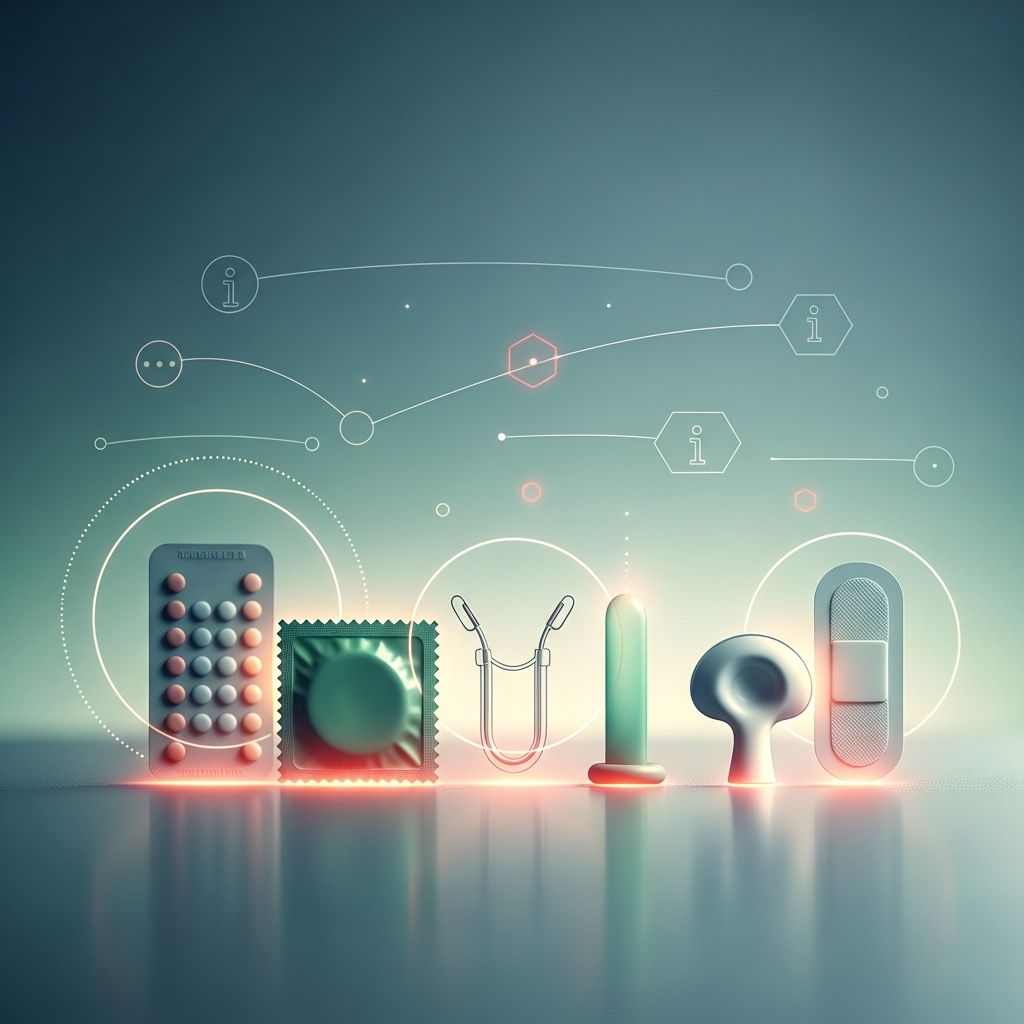
Contraception, or birth control, is a method used to prevent pregnancy and allow couples to plan the timing of parenthood. Modern contraception has evolved significantly, offering individuals numerous safe and effective options tailored to different lifestyles, health profiles, and reproductive goals. Beyond pregnancy prevention, some methods also provide protection against sexually transmitted infections (STIs). Selecting the right birth control method requires careful consideration of personal health, age, sexual activity frequency, number of partners, future family plans, and medical history.
What Is Contraception?
Contraception is the intentional prevention of pregnancy through various devices, medications, or procedures. It empowers individuals to control their reproductive timeline and make informed decisions about when and if they want to have children. The ability to plan pregnancy supports the health and well-being of individuals, families, and communities. Working with a healthcare provider is essential to identify the most suitable contraceptive method based on individual circumstances and preferences.
How Different Birth Control Methods Work
Contraceptive methods function through several distinct mechanisms. Understanding how each type works can help you make an informed decision about which method may be best for your needs.
Barrier Methods
Barrier methods physically prevent sperm from reaching and fertilizing an egg. These include condoms (male and female), diaphragms, and cervical caps. Male and female condoms are the only contraceptive methods that provide significant protection against STIs, including HIV, chlamydia, and human papillomavirus (HPV). Barrier methods are non-hormonal, reversible, and available over the counter.
Hormonal Methods
Hormonal contraceptives regulate ovulation by altering hormone levels that control egg development and release. They also thicken cervical mucus, making it harder for sperm to travel to the egg. Hormonal methods include:
- Oral contraceptives (birth control pills)—Contain synthetic estrogen and progestin; taken daily
- Contraceptive patches and rings—Release hormones through skin or vaginal tissue
- Hormonal injections—Administered every three months
- Implants—Small rods inserted under the arm that release hormones over three years
Intrauterine Devices (IUDs)
IUDs are small, T-shaped devices inserted into the uterus that prevent pregnancy by changing conditions in the cervix and uterus and blocking sperm transit. Some IUDs release hormones, while others use copper to create an inhospitable environment for sperm and eggs. IUDs are one of the most effective and longest-lasting contraceptive options available.
Sterilization
Sterilization involves surgical procedures—tubal ligation for women or vasectomy for men—that permanently prevent pregnancy. These methods are considered permanent and should only be chosen by individuals certain they do not want children in the future.
Other Methods
Additional options include spermicides (which kill sperm or impede its movement), the lactational amenorrhea method (LAM, or breastfeeding as contraception under specific conditions), and fertility awareness methods.
Birth Control Pill: The Most Popular Oral Contraceptive
The birth control pill is one of the most widely used contraceptive methods worldwide. It is a type of oral contraception containing hormones that prevent pregnancy by blocking the fertilization of an egg.
Related Stories



How the Pill Works
Birth control pills contain synthetic estrogen and progestin, which work together to inhibit ovulation—the release of an egg from the ovary. The hormones also change cervical mucus consistency and alter the uterine lining, making it inhospitable for pregnancy. A woman typically takes one pill daily, preferably at the same time each day, to maintain consistent hormone levels.
Effectiveness of the Pill
The birth control pill is 99% effective at preventing pregnancy when taken consistently every day as prescribed. However, typical use effectiveness is lower because users may skip doses or take pills inconsistently. When not used perfectly, about 9 out of every 100 people using the pill experience unintended pregnancy each year. Effectiveness depends entirely on consistent, correct use—taking the pill at the same time daily significantly improves prevention rates.
Types of Birth Control Pills
There are two main types of oral contraceptives:
- Combined oral contraceptives (COCs)—Contain both estrogen and progestin; offer greater flexibility in timing
- Progestin-only pills (minipills)—Contain only progestin; must be taken within a three-hour window of the same time daily for effectiveness. A newer form, Slynd®, is taken for 24 active days followed by 4 inactive days, providing more flexibility
Benefits Beyond Pregnancy Prevention
The pill offers health benefits beyond contraception, including:
- Regulation of menstrual cycles and reduction of heavy bleeding
- Decreased PMS and PMDD (premenstrual dysphoric disorder) symptoms
- Reduced risk of ovarian and uterine cancers
- Improvement of acne
- Treatment of endometriosis and other conditions
Important Considerations
The pill does not protect against sexually transmitted infections (STIs). Users should combine the pill with condom use if STI prevention is needed. Additionally, the pill takes up to one week to become effective at preventing pregnancy, so alternative birth control should be used during the first seven days of starting the pill if sexually active.
Effectiveness Rates Across Contraceptive Methods
Different contraceptive methods have varying effectiveness rates, which depends significantly on correct and consistent use. The following table summarizes typical-use failure rates for common methods:
| Contraceptive Method | Typical Use Failure Rate (%) | How Long It Lasts |
|---|---|---|
| Implant (arm rod) | 0.1% | 3 years |
| IUD (hormonal or copper) | 0.1–0.8% | 3–12 years depending on type |
| Sterilization (tubal ligation/vasectomy) | <1% | Permanent |
| Birth control pill (with perfect use) | 0.3% | Ongoing; reversible |
| Birth control pill (typical use) | 9% | Ongoing; reversible |
| Hormonal injection (‘shot’) | 4% | 3 months per shot |
| Male condom | 13–18% | Single use |
| Female condom | 21% | Single use |
| Spermicide | 21% | Single use |
Contraceptive effectiveness is maximized when methods are used correctly and consistently. Long-acting reversible contraceptives (LARCs)—such as IUDs and implants—have among the lowest failure rates because they require minimal user action once inserted.
Choosing the Right Birth Control Method
Selecting an appropriate contraceptive method depends on multiple factors that should be discussed with a healthcare provider:
- Overall health status—Certain health conditions may exclude specific methods
- Age—Age influences suitability and effectiveness of various options
- Frequency of sexual activity—Determines whether barrier or hormonal methods are preferable
- Number of sexual partners—Affects STI risk and method suitability
- Future fertility desires—Influences whether reversible or permanent methods are appropriate
- Family medical history—Certain genetic predispositions may contraindicate specific hormonal methods
- Cost and accessibility—Affordability and availability influence practical selection
- Side effect tolerance—Personal preferences regarding menstrual changes or other effects matter
Healthcare providers can help identify methods that align with individual health profiles and reproductive goals, ensuring informed decision-making and increased satisfaction with the chosen method.
STI Protection and Contraception
It is important to note that most contraceptive methods do not protect against sexually transmitted infections. Only male and female condoms provide significant protection against STIs, including HIV. Individuals seeking both pregnancy prevention and STI protection should use condoms in combination with another contraceptive method. Pre-exposure prophylaxis (PrEP) is another option for HIV prevention.
Side Effects and Risks of Birth Control
While modern contraceptives are generally safe and effective, some forms may carry risks for specific individuals. Common side effects of hormonal contraceptives may include nausea, breast tenderness, headaches, and changes in mood or libido. Serious risks are rare but can include blood clots (particularly with estrogen-containing pills in certain populations), stroke, or heart attack. Individuals should discuss their personal and family medical history with healthcare providers to ensure the chosen method is safe for their circumstances.
Frequently Asked Questions About Birth Control
Q: What is the most effective form of birth control?
A: Intrauterine devices (IUDs) and contraceptive implants have the highest effectiveness rates, with failure rates below 1%, because they require minimal user action once inserted. The birth control pill is also highly effective (99% with perfect use) but depends on consistent daily use.
Q: Can birth control pills protect against sexually transmitted infections?
A: No, birth control pills do not protect against STIs. Only condoms (male and female) provide significant STI protection. Individuals should use condoms in combination with the pill for comprehensive protection.
Q: How long does it take for the birth control pill to become effective?
A: The pill can take up to one week to start preventing pregnancy. Alternative birth control should be used during the first seven days if you are sexually active.
Q: What should I do if I miss a birth control pill?
A: If you miss a pill, take it as soon as you remember (unless it’s almost time for the next dose, in which case skip the missed dose). Use backup contraception for the next seven days. Consult your healthcare provider or pharmacist for specific guidance based on the type of pill you use.
Q: Are there non-hormonal birth control options?
A: Yes. Non-hormonal options include barrier methods (condoms, diaphragms, cervical caps), copper IUDs, spermicides, fertility awareness methods, and sterilization.
Q: Can I use breastfeeding as birth control?
A: Yes, the Lactational Amenorrhea Method (LAM) can be effective when three conditions are met: you are not having menstrual periods, you are exclusively or nearly exclusively breastfeeding, and it has been less than 6 months since delivery. Another contraceptive method should be used once any of these conditions change.
References
- Contraception and Birth Control — National Institute of Child Health and Human Development (NICHD). Accessed 2026-01-13. https://www.nichd.nih.gov/health/topics/factsheets/contraception
- Birth Control Pill: Types, Side Effects & Effectiveness — Cleveland Clinic. Accessed 2026-01-13. https://my.clevelandclinic.org/health/treatments/3977-birth-control-the-pill
- Contraception and Birth Control Methods — Centers for Disease Control and Prevention (CDC). Accessed 2026-01-13. https://www.cdc.gov/contraception/about/index.html
Similar Articles








Read full bio of medha deb