Birth Control Patch: 99% Effective, How To Use & Side Effects
Discover how the birth control patch works, its effectiveness, benefits, side effects, and comparisons to other contraceptives for informed family planning.
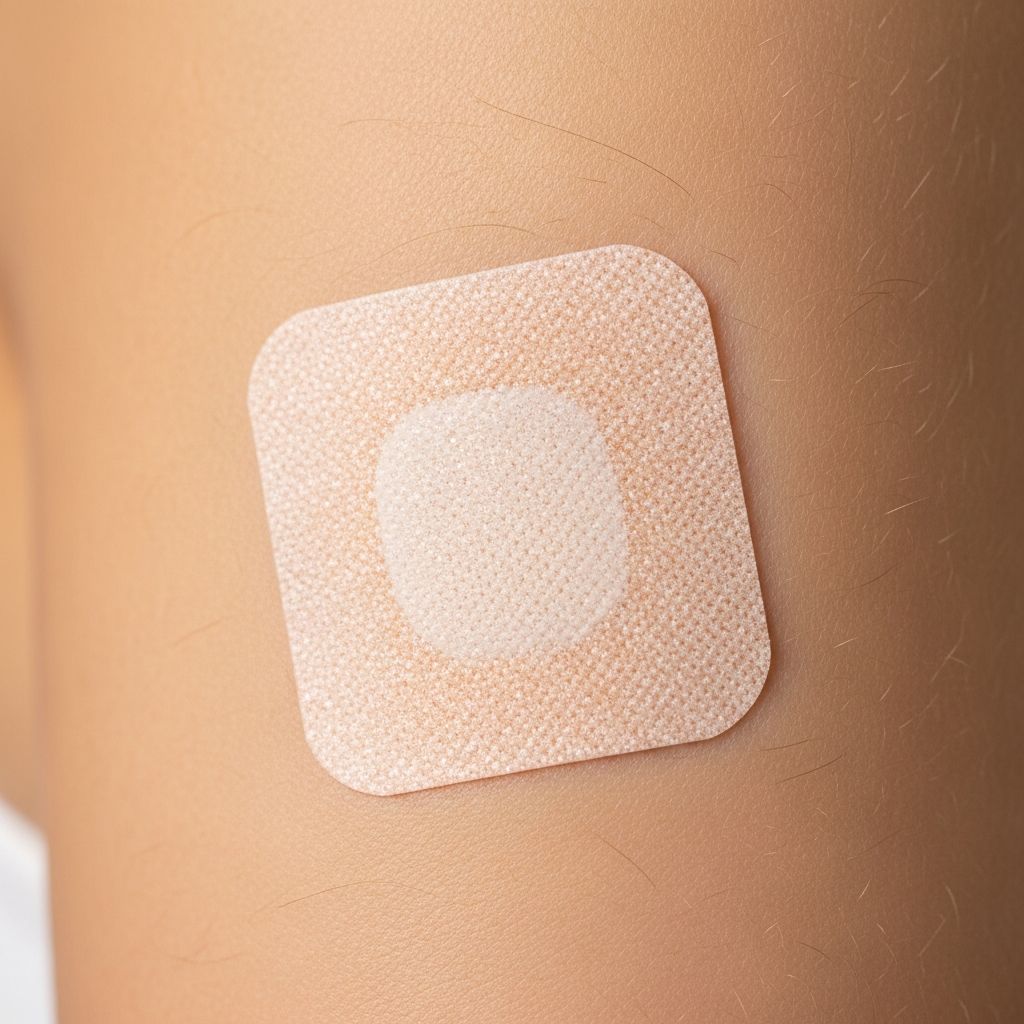
The birth control patch is a thin, beige square adhesive that delivers synthetic estrogen and progestin hormones through the skin to prevent pregnancy. Introduced in the U.S. in 2002, it’s a convenient weekly alternative to daily pills, offering 99% effectiveness with perfect use and 91% with typical use.
What Is the Birth Control Patch?
The birth control patch, such as Ortho Evra, is a transdermal contraceptive that sticks to the skin like a bandage. Measuring about 1.75 inches per side, it releases a steady dose of ethinyl estradiol (estrogen) and norelgestromin (progestin) directly into the bloodstream, bypassing the digestive system for more consistent hormone levels.
Unlike oral contraceptives, which require daily dosing, the patch simplifies adherence by needing replacement only once a week. This makes it ideal for those who struggle with remembering pills but want reversible hormonal birth control.
How Does the Birth Control Patch Work?
The patch prevents pregnancy through three main mechanisms. First, the hormones suppress ovulation, stopping the ovaries from releasing an egg each month. Second, they thicken cervical mucus, creating a barrier that blocks sperm from reaching the egg. Third, they thin the uterine lining, making it less receptive to implantation if fertilization occurs.
Hormones are absorbed steadily through the skin, providing continuous protection. If applied during the first five days of your menstrual cycle, it’s effective immediately; otherwise, use backup contraception like condoms for the first seven days.
How to Use the Birth Control Patch
Apply the patch to clean, dry, intact skin on the upper outer arm, abdomen, buttock, or back—avoiding areas with hair, oil, or irritation. Press firmly for 10 seconds to ensure adhesion.
- Week 1: Apply first patch on the first day of your period or up to day 5.
- Week 2: Remove old patch and apply a new one on the same day of the week.
- Week 3: Apply third patch same day.
- Week 4: Remove patch and take a patch-free week for withdrawal bleed; start new cycle next week.
To skip periods, apply a new patch in week 4 instead of patch-free time, though spotting may occur initially. If a patch peels (less than 20% detachment), replace it; over 20%, use backup for one week.
How Effective Is the Birth Control Patch?
With
perfect use
—changing weekly without errors—the patch is99% effective
, meaning fewer than 1 in 100 women will get pregnant yearly.Typical use
drops to91%
due to errors like late changes or detachment.Pooled trials show a Pearl Index of 0.8% overall and 0.6% method failure, comparable to oral contraceptives. Real-world studies indicate higher effectiveness than pills due to better compliance.
| Use Type | Effectiveness | Pregnancies per 100 Women-Years |
|---|---|---|
| Perfect Use | 99% | <1 |
| Typical Use | 91% | 9 |
Related Stories



Factors reducing efficacy include BMI over 30 (higher failure risk), smoking, or improper application.
Birth Control Patch Side Effects
Most side effects mimic other hormonal methods and often resolve in 2-3 months. Common ones include:
- Breast tenderness
- Headaches
- Nausea
- Breakthrough spotting
- Mood changes
- Skin irritation at site (5-10% users)
Serious risks, though rare, include blood clots (deep vein thrombosis, pulmonary embolism), stroke, heart attack—elevated with higher estrogen dose (twice clot risk vs. low-dose pills). Avoid if over 35 and smoking, history of clots, migraines with aura, or breast cancer.
Benefits: Lighter periods, reduced cramps, acne improvement, lower anemia/ovarian/endometrial cancer risk.
Who Should Not Use the Birth Control Patch?
- Smokers over 35
- History of blood clots, stroke, heart disease
- Uncontrolled high blood pressure
- Breast or estrogen-sensitive cancers
- Liver disease
- BMI >30 (reduced efficacy)
- Pregnancy or breastfeeding <4 weeks postpartum
Consult a provider for personalized advice.
Birth Control Patch vs. Other Methods
Patch vs. Birth Control Pill
Both use estrogen/progestin; patch weekly, pill daily. Similar 99% perfect/91% typical efficacy. Patch may suit forgetful users but has higher clot risk from estrogen delivery.
Patch vs. IUD
Hormonal IUDs (3-7 years) or copper IUD (>99% effective, long-term). IUDs require insertion, offer no daily action, but may cause heavier bleeding (copper).
Patch vs. Vaginal Ring
NuvaRing: Same hormones, inserted vaginally for 3 weeks/month. Similar efficacy/benefits; ring stays during sex.
Patch vs. Implant
Nexplanon: Progestin-only rod in arm (3-5 years, >99% effective). Set-and-forget, but insertion needed.
| Method | Duration | Perfect Efficacy | Hormones |
|---|---|---|---|
| Patch | Weekly | 99% | Estrogen + Progestin |
| Pill | Daily | 99% | Estrogen + Progestin |
| IUD | 3-12 years | >99% | Progestin or None |
| Ring | Monthly | 99% | Estrogen + Progestin |
| Implant | 3-5 years | >99% | Progestin |
Cost and Availability
Typically $0-$50/month with insurance; generic options available. Obtain via prescription from doctors, clinics, or pharmacies.
Does the Birth Control Patch Protect Against STIs?
No, it only prevents pregnancy. Use condoms for STI protection.
Frequently Asked Questions (FAQs)
What if my patch falls off?
If <20% detached <24 hours, reapply or replace. Use backup if longer; replace cycle if needed.
Can I use the patch while breastfeeding?
Progestin-only preferred early postpartum; wait 4 weeks and consult provider.
Does the patch cause weight gain?
No strong evidence; any gain usually temporary.
How do I stop using the patch?
Remove and expect period in days; fertility returns quickly.
Can I shower or swim with it?
Yes, waterproof after 12 hours adhesion.
Who Might Prefer the Birth Control Patch?
Ideal for those disliking daily pills, seeking cycle regulation/acne help, under BMI 30, non-smokers. Less ideal for high clot risk or long-term set-it-forget-it needs.
Structured counseling highlights its underused status for compliance-challenged users.
References
- Birth Control Patch: Side Effects, Effectiveness, and More — Healthline. 2023. https://www.healthline.com/health/birth-control-patch
- Birth control patch: Efficacy, benefits, and disadvantages — Medical News Today. 2023. https://www.medicalnewstoday.com/articles/birth-control-patch
- Safety, efficacy and patient acceptability of the combined estrogen progestin transdermal contraceptive patch — PMC (NCBI). 2009-11-17. https://pmc.ncbi.nlm.nih.gov/articles/PMC2770395/
- Learning About Birth Control: The Patch — Kaiser Permanente. 2023. https://healthy.kaiserpermanente.org/health-wellness/health-encyclopedia/he.learning-about-birth-control-the-patch.uf9638
- Birth Control Patch — JAMA Network. 2007. https://jamanetwork.com/journals/jama/fullarticle/203739
- Statement on transdermal contraception as an underused option — GREM Journal. 2023-03-02. https://gremjournal.com/journal/02-03-2023/statement-on-transdermal-contraception-as-an-underused-option-for-unmet-needs-in-contraception-the-importance-of-structured-counselling/
Similar Articles








Read full bio of medha deb