Birth Control Pill: Types, Side Effects & Effectiveness
Comprehensive guide to birth control pills: effectiveness, types, benefits, and side effects explained.
Understanding Birth Control Pills
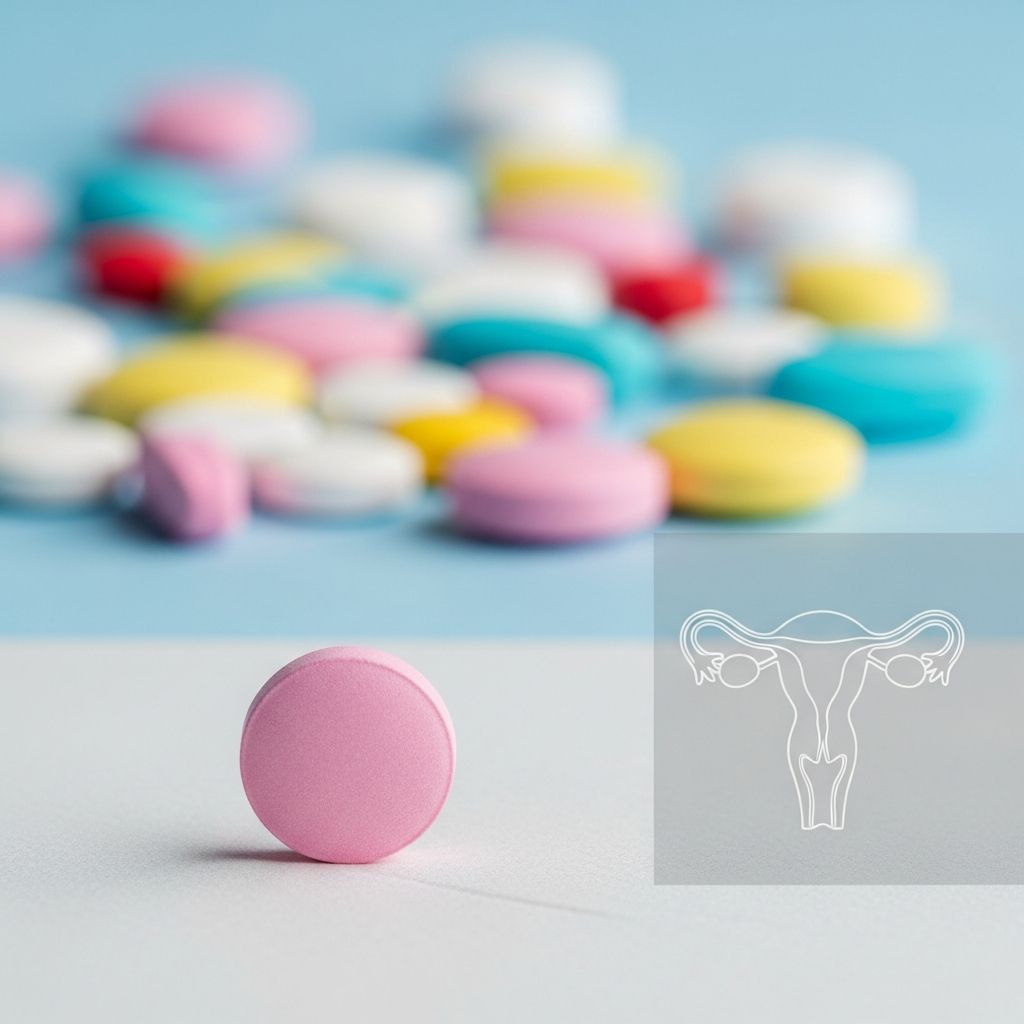
Birth control pills are one of the most widely used forms of contraception available today, offering a reliable and convenient way to prevent pregnancy. These oral contraceptives contain hormones that work together to stop ovulation and prevent conception. When taken consistently and exactly as prescribed, birth control pills are highly effective at preventing unwanted pregnancy, making them a popular choice for people seeking reproductive control.
Beyond their primary purpose of pregnancy prevention, birth control pills offer numerous additional health benefits. They can help regulate menstruation, decrease symptoms of premenstrual syndrome (PMS), lower the risk of ovarian and uterine cancers, improve acne, and treat endometriosis. This multifaceted approach to women’s health makes the pill not just a contraceptive but also a therapeutic tool for managing various reproductive health concerns.
Effectiveness and Usage Guidelines
The effectiveness of birth control pills depends significantly on how consistently they are used. When taken every day exactly as prescribed, birth control pills are 99% effective at preventing pregnancy. However, in real-world practice, the typical effectiveness rate is lower due to missed doses and inconsistent usage patterns. Approximately nine out of every 100 people using the pill experience unintended pregnancies each year, primarily because they forget to take their medication at the scheduled time.
To maximize effectiveness, it is crucial to understand the different dosing schedules and pill types. Birth control pills come in various packages, including 21-day pill packs, 91-day pill packs, and even 365-day continuous dosing options. Not all pills in a packet are identical, and the timing of when you take them depends on which type you are using. Taking the right pill at the right time is essential for maintaining contraceptive protection.
For progestin-only pills, also known as minipills, the timing requirements are even more strict. These pills contain 28 active pills that must be taken at the same time every day within a three-hour window to prevent pregnancy. For example, if you take a pill at 7 a.m. on Monday but wait until 10:30 a.m. on Tuesday, this three-and-a-half-hour delay puts you at increased risk of pregnancy if you are sexually active. A newer formulation called Slynd is an exception to this rule, requiring only 24 active pills followed by four inactive pills.
How Birth Control Pills Work
Birth control pills prevent pregnancy through multiple mechanisms of action. The hormones in these pills work by blocking conception at several points in the reproductive process. They prevent the sperm from fertilizing an egg, and they also cause changes in the uterus that make it unable to support a pregnancy while you are taking the pill.
The specific mechanism varies depending on the type of pill. Combination pills containing both estrogen and progestin primarily work by preventing ovulation, which means no egg is released for potential fertilization. Progestin-only pills work differently, primarily by thickening cervical mucus so that sperm cannot reach an egg. The hormone in these pills also thins the lining of the uterus, which often results in lighter menstrual bleeding.
Related Stories



Types of Birth Control Pills
Combination Birth Control Pills
Combination birth control pills contain two different hormones: estrogen and progestin. These are the most common type of birth control pill available, with over 30 different brands and types on the market today. Combination pills work by preventing ovulation through the coordinated action of both hormones.
The main differences between types of combination pills relate to the amount of estrogen or progestin in each pill and how the dosage varies throughout the pill pack. Combination pills typically come in two pack sizes: 28-day packs and 21-day packs.
28-Day Packs: These contain 21 hormone-containing active pills and seven placebo pills. Even though the placebo pills do not contain hormones, you continue to take them daily. You will have your period during the week you take the placebo pills. Once you finish the pack, you begin a new one the next day, maintaining a consistent daily routine. This is the most common type because the routine makes it easier to remember to take a pill every day.
21-Day Packs: These contain only 21 active pills with no placebo pills included. After taking all 21 pills, you take nothing for seven days, then begin a new pack on the eighth day. While this approach can work well for some people, the 28-day pack is more commonly prescribed because maintaining a daily habit is easier than remembering to restart after a seven-day break.
In real-world practice, combination birth control pills are about 93% effective at preventing pregnancy. This lower-than-theoretical effectiveness primarily results from the ease of accidentally missing doses. With perfect use and no missed doses, combination pills can achieve their theoretical 99% effectiveness rate.
Progestin-Only Pills (Minipills)
Progestin-only pills, commonly called minipills, contain only one hormone rather than the two hormones found in combination pills. These pills can be 99% effective in theory, but in practice, they are typically about 91% effective because most people do not use them correctly. The strict timing requirements make them less forgiving than combination pills.
Minipills work by thickening cervical mucus so that sperm cannot reach an egg. The hormone also thins the lining of the uterus, which results in lighter menstrual bleeding overall. For the minipill to be most effective, it is very important to take it at the same time each day.
The most common side effect of progestin-only pills is irregular bleeding, though the bleeding tends to be light. This irregular bleeding typically improves after six to twelve months of use. Minipills are a good alternative for people who are breastfeeding or who cannot safely take estrogen-containing contraceptives.
When the Pill Takes Effect
It is important to understand that the pill cannot provide immediate protection against pregnancy. The pill can take up to a week to start preventing pregnancy effectively. Therefore, if you are sexually active during the first seven days of taking the pill, you will need to use another form of birth control, such as condoms, to protect yourself during this initial period. Once the seven days have passed, the pill should provide adequate protection assuming consistent daily use.
Health Benefits Beyond Contraception
Beyond preventing pregnancy, birth control pills offer several additional health benefits that make them valuable for reproductive health management. Many people experience improvement in period symptoms including reduced cramps and lighter, shorter menstrual bleeding. These benefits often improve quality of life significantly, especially for people with heavy or painful periods.
Birth control pills can also improve acne, which makes them particularly beneficial for adolescents and young adults struggling with hormonal acne. The hormonal regulation provided by the pill often leads to clearer skin within several months of starting treatment.
Additionally, research has shown that birth control pills may reduce your risk of developing certain cancers, particularly ovarian and uterine cancers. The pill can also help treat endometriosis, a painful condition in which tissue similar to the uterine lining grows outside the uterus.
Potential Side Effects and Complications
While birth control pills are safe for most people, they do carry potential side effects that vary depending on the type of pill and individual factors. Common side effects may include breast tenderness and bloating. These side effects often improve after the first few months of use as your body adjusts to the hormones.
A small percentage of people who take combination birth control pills containing estrogen are at increased risk of developing rare complications. Your healthcare provider will discuss any concerns you have and talk with you about your individual risk of complications based on your medical history. Fortunately, most people who cannot use estrogen-containing pills can safely take progestin-only pills instead, which have fewer contraindications.
Important Considerations
It is important to note that birth control pills do not protect against sexually transmitted infections (STIs). Unlike barrier methods such as condoms, the pill only prevents pregnancy. If you are using the pill for contraception, you will need to use additional protection along with the pill to reduce your risk of contracting STIs. Using condoms in addition to the pill provides comprehensive protection against both pregnancy and infection.
Finding the right birth control pill may require some trial and error. You may need to try several different brands of the pill before finding the one that works best for you and causes the fewest side effects. It is worth the effort to find a pill that is easiest to work into your routine, as consistent use is essential for effectiveness.
Frequently Asked Questions
Q: How do I start taking birth control pills?
A: Your healthcare provider will prescribe the appropriate birth control pill for you and provide specific instructions on when to start. You may begin on the first day of your period or on the first Sunday after your period starts, depending on the brand. Your provider will also explain what backup contraception you need during the first seven days.
Q: What should I do if I miss a pill?
A: If you miss a pill, take it as soon as you remember, even if this means taking two pills in one day. However, if you miss two or more pills, follow the instructions provided by your healthcare provider or the pill package insert, and use backup contraception. Missing pills significantly increases your risk of pregnancy.
Q: Can I skip my period using birth control pills?
A: Yes, many birth control pills allow you to skip placebo pills and start a new pack immediately to skip your period. Talk to your healthcare provider about whether this approach is appropriate for you and how to do it safely.
Q: Are there any medications that interfere with birth control pill effectiveness?
A: Some medications, including certain antibiotics and anticonvulsants, can reduce birth control pill effectiveness. Always inform your healthcare provider about all medications you take when discussing contraception options.
Q: How long does it take to become pregnant after stopping birth control pills?
A: Most people can become pregnant immediately after stopping birth control pills. Ovulation usually resumes within one to three months after discontinuing the pill, though this varies by individual.
Q: What if I experience side effects from my birth control pill?
A: Many side effects, such as nausea and breast tenderness, improve after the first few months. If side effects persist or are bothersome, contact your healthcare provider about trying a different formulation or type of birth control.
Choosing the Right Birth Control Pill for You
Birth control pills offer flexibility and numerous options to accommodate individual needs and preferences. Your healthcare provider will work with you to find the best birth control pill based on your medical history, lifestyle, and specific health concerns. Factors such as whether you want to menstruate monthly, your tolerance for hormonal side effects, and any medical conditions you have will influence which pill is recommended for you.
The pill remains one of the most popular and accessible forms of contraception, offering high effectiveness rates combined with additional health benefits. If you have questions about starting the pill or trying a different kind, do not hesitate to discuss your concerns with your healthcare provider. They can help you find the pill that is easiest to work into your routine and that best meets your reproductive health needs.
References
- Birth Control Pill: Types, Side Effects & Effectiveness — Cleveland Clinic. 2024. https://my.clevelandclinic.org/health/treatments/3977-birth-control-the-pill
- Combination Birth Control Pills — Cleveland Clinic. 2024. https://my.clevelandclinic.org/health/drugs/combination-birth-control-pills
- Birth Control: Forms, Options, Risks & Effectiveness — Cleveland Clinic. 2024. https://my.clevelandclinic.org/health/articles/11427-birth-control-options
Similar Articles








Read full bio of medha deb