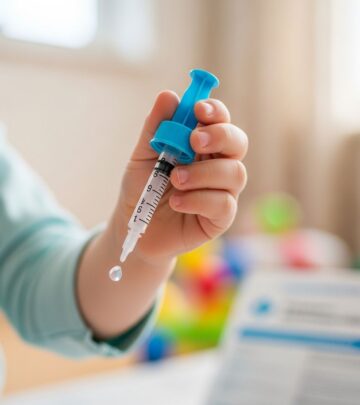
Birth Control Shot Guide: Benefits, Side Effects & Efficacy
Everything you need to know about the birth control shot, including effectiveness, side effects, and who it's best for.
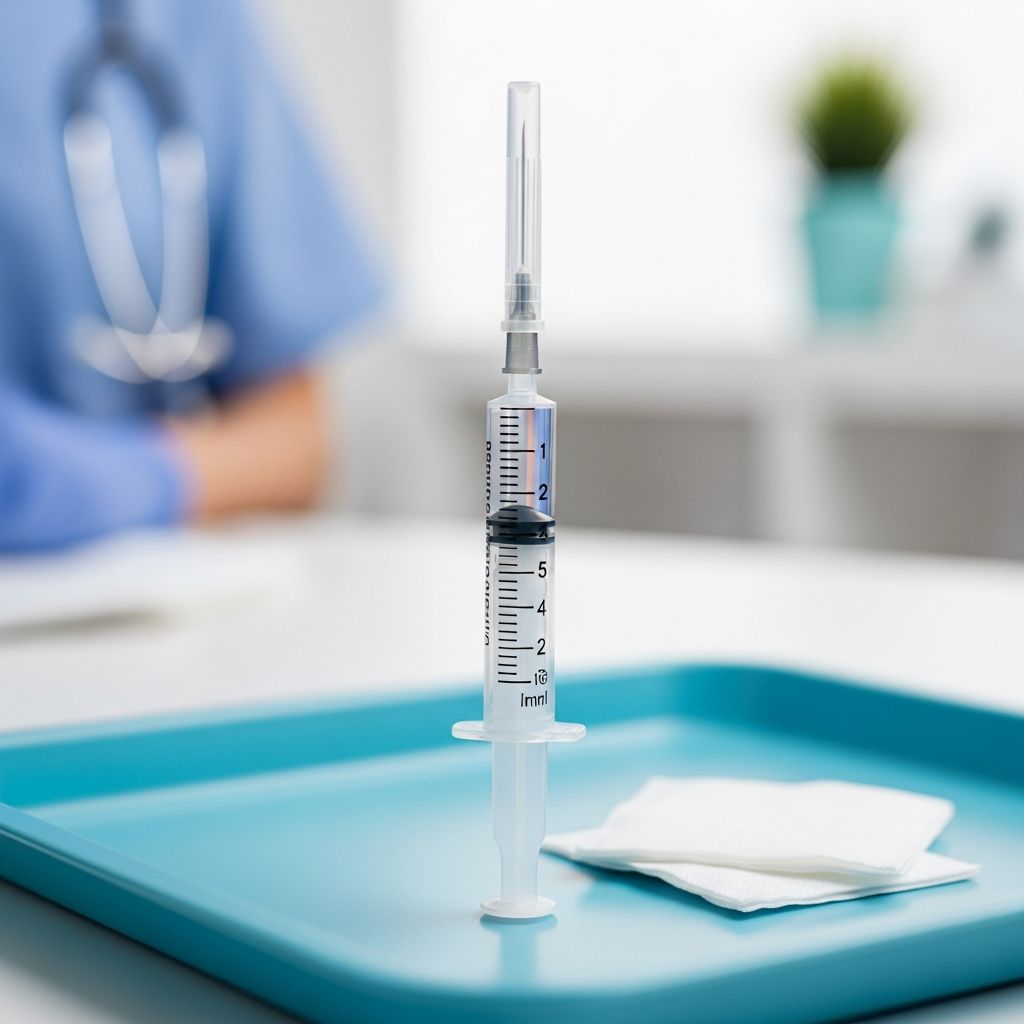
The birth control shot, commonly known as Depo-Provera, is a long-acting reversible contraceptive (LARC) method that delivers a progestin hormone via injection to prevent pregnancy effectively for three months per dose.
What Is the Birth Control Shot?
The birth control shot is an injectable form of contraception containing medroxyprogesterone acetate, a synthetic progestin hormone. Administered by a healthcare provider into the upper arm or buttocks, it provides continuous protection against pregnancy for up to 13 weeks. Brand names include Depo-Provera (intramuscular) and Depo-SubQ Provera 104 (subcutaneous, which some users can self-administer at home).
This method is progestin-only, making it suitable for individuals who cannot use estrogen-based contraceptives due to health conditions like migraines, blood clots, or breastfeeding status. It’s one of the most reliable non-surgical options, requiring no daily action after injection.
How Does the Birth Control Shot Work?
The shot primarily prevents pregnancy by suppressing ovulation, stopping the ovaries from releasing an egg each month. It also thickens cervical mucus, creating a barrier that blocks sperm from reaching an egg, and thins the uterine lining to prevent implantation if fertilization occurs.
These combined actions make it highly effective. With perfect use—getting injections exactly every 12-13 weeks—it’s more than 99% effective, meaning fewer than 1 in 100 users experience an unplanned pregnancy in a year. Typical use effectiveness is about 94-96%, with around 6 in 100 users getting pregnant due to late injections.
How Well Does the Birth Control Shot Work?
Perfect Use: >99% effective (less than 1 pregnancy per 100 users per year).
Typical Use: 94-96% effective (about 6 pregnancies per 100 users per year), primarily from delays in scheduling shots.
Factors influencing effectiveness include timely administration. If more than 15 weeks pass between shots, a pregnancy test and backup contraception (e.g., condoms) for 7 days may be required.
| Method | Perfect Use Effectiveness | Typical Use Effectiveness |
|---|---|---|
| Birth Control Shot | >99% | 94-96% |
| Birth Control Pill | 99% | 91% |
| Condom | 98% | 82% |
Data synthesized from clinical sources; effectiveness varies by adherence.
Who Might Use the Birth Control Shot?
Ideal candidates include those seeking low-maintenance contraception without daily pills or estrogen. It’s recommended for:
- People who dislike daily routines or forget pills.
- Breastfeeding individuals (safe postpartum within 5 days of birth).
- Those with conditions like anemia, heavy periods, endometriosis, seizures, or sickle cell disease, as it reduces bleeding and cramps.
- Anyone wanting to lessen menstrual symptoms without interrupting sex.
It’s not suitable for everyone. Avoid if you have unexplained vaginal bleeding, breast cancer, liver disease, osteoporosis risk factors, or history of stroke/heart attack. Discuss diabetes, high blood pressure, or STI risks with your provider.
Who Might Not Use the Birth Control Shot?
- Individuals planning pregnancy soon (fertility may return in 10+ months).
- Those at high risk for osteoporosis or bone loss.
- People with active breast cancer, liver disease, or unexplained bleeding.
- Anyone needing STI protection (use condoms additionally).
What Are the Advantages of the Birth Control Shot?
- High effectiveness: Among the best reversible methods, no daily/weekly action needed.
- Convenience: Every 3 months; doesn’t interrupt intimacy.
- Menstrual benefits: Reduces heavy bleeding, cramps; may stop periods entirely, lowering uterine/endometrial cancer risk.
- Progestin-only: Safe for estrogen-intolerant users and breastfeeding.
- Non-contraceptive perks: Manages conditions like fibroids or endometriosis.
Related Stories



What Are the Disadvantages of the Birth Control Shot?
- Bone density loss: Potential reduction, especially long-term; reversible but discuss risks.
- Irregular bleeding: Spotting, absent periods common initially.
- Delayed fertility: Ovulation may resume 15-49 weeks post-last shot; average 10 months.
- Side effects: Weight gain, mood changes, decreased libido, headaches.
- No STI protection: May slightly increase HIV/chlamydia risk; use barriers.
- Commitment: Effects linger 3+ months; hard to reverse quickly.
Side Effects of the Birth Control Shot
Common side effects include irregular bleeding/spotting (especially first 6-12 months), weight gain (average 5-10 lbs/year), mood swings, decreased sex drive, and breast tenderness. Bone loss is a concern, particularly before age 18 or after 30; calcium/vitamin D and weight-bearing exercise help mitigate.
Rare risks: allergic reactions, blood clots (lower than estrogen methods). Most side effects improve over time; if persistent, switch methods.
Birth Control Shot Procedure
- Consultation: Discuss health history; confirm non-pregnant (first shot within 7 days of period start or 5 days postpartum).
- Injection: Provider administers 1 mL intramuscularly (arm/buttocks) or subcutaneously.
- Follow-up: Return every 12-13 weeks; self-injection option for SubQ version.
- Backup: Use condoms for 7 days if starting mid-cycle.
Birth Control Shot Schedule
First shot: Day 1-7 of menstrual cycle. Subsequent: Every 13 weeks max. Late? Pregnancy test + 7-day backup. Track via app or calendar for optimal effectiveness.
Birth Control Shot Cost
Costs $0-$150 per shot (insurance often covers); yearly ~$0-$600. Affordable Care Act mandates no-copay for many plans. Clinics like Planned Parenthood offer low-income options.
Birth Control Shot Fertility
Fertility delay is common: 50% conceive within 10 months, but up to 18-24 months for some. Studies show wide variation (15-49 weeks to ovulation). Not ideal if planning pregnancy soon.
Birth Control Shot vs. the Pill
| Aspect | Shot | Pill |
|---|---|---|
| Effectiveness (Typical) | 94-96% | 91% |
| Dosing | Every 3 months | Daily |
| Hormones | Progestin-only | Estrogen + progestin |
| Fertility Return | 10+ months | Immediate |
| Cost/Year | $0-600 | $0-500 |
Shot suits forgetful users; pill offers quicker reversibility.
Birth Control Shot While Breastfeeding
Safe immediately postpartum; progestin doesn’t affect milk supply or infant health. Preferred over estrogen methods.
Frequently Asked Questions (FAQs)
Does the birth control shot stop your period?
Yes, many experience absent periods after 6-12 months; initial irregular bleeding common.
How painful is the birth control shot?
Mild soreness at injection site; comparable to flu shot. SubQ version often less painful.
Can you get pregnant right after stopping the shot?
No, average 10 months to fertility; plan accordingly.
Does the birth control shot cause weight gain?
Possible (2-5 lbs/year average); lifestyle factors contribute. Monitor and discuss alternatives.
Can I self-administer the birth control shot?
Yes, with Depo-SubQ Provera 104 training from provider.
Does the shot protect against STIs?
No; use condoms for STI prevention.
References
- Birth Control Hormones: The Shot — The Health Plan. Accessed 2026. https://www.healthplan.org/library/articles/abq1378
- Depo-Provera (birth control shot) — Mayo Clinic. 2025-02-05. https://www.mayoclinic.org/tests-procedures/depo-provera/about/pac-20392204
- Birth Control: Forms, Options, Risks & Effectiveness — Cleveland Clinic. Accessed 2026. https://my.clevelandclinic.org/health/articles/11427-birth-control-options
- Injectables | Contraception — CDC. Accessed 2026. https://www.cdc.gov/contraception/hcp/usspr/injectables.html
- Learning About Birth Control: The Shot — Kaiser Permanente. Accessed 2026. https://healthy.kaiserpermanente.org/health-wellness/health-encyclopedia/he.learning-about-birth-control-the-shot.uf9632
Similar Articles








Read full bio of Sneha Tete