Bison Meat: Healthier Red Meat And Key Benefits
Discover why bison is a nutritious and heart-healthy alternative to conventional beef.
Bison: A Healthier Red Meat
When it comes to protein sources, red meat remains a significant part of many diets worldwide. However, not all red meat is created equal. Bison meat has emerged as a superior alternative to conventional beef, offering a more favorable nutritional profile without sacrificing taste or satisfaction. As consumers become increasingly health-conscious, understanding the differences between bison and beef can help inform better dietary choices that support long-term wellness.
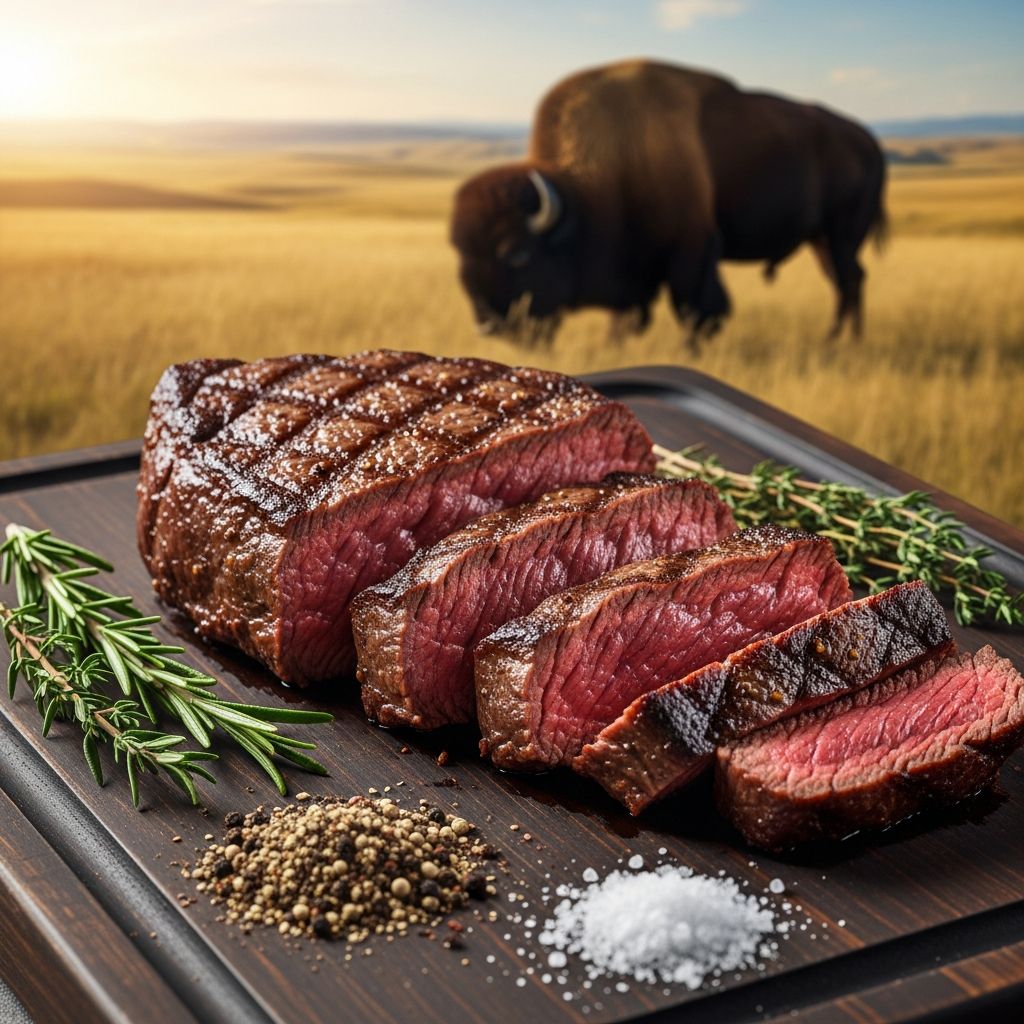
Bison, also known as American buffalo, are large wild animals that have roamed North American grasslands for thousands of years. Unlike cattle raised on grain-based feedlots, bison are typically range-fed animals that graze naturally on grasslands. This fundamental difference in how they are raised directly impacts the nutritional composition of their meat, making bison a compelling choice for those seeking to maintain a balanced and heart-healthy diet.
Why Choose Bison Over Beef?
The shift toward bison consumption is not merely a trend but is backed by substantial nutritional and health research. Several key factors distinguish bison from conventional beef:
- Bison are often primarily range-fed and eat grass rather than grain, resulting in a leaner meat product
- Bison are not routinely given growth hormones or antibiotics, unlike many conventionally raised cattle
- The nutrient density and fatty acid composition of bison meat provide measurable health advantages
- Bison consumption has been shown to result in reduced cardiovascular risk markers
Research published in peer-reviewed journals demonstrates that consuming bison rather than beef is associated with a reduced atherogenic risk—meaning bison places less strain on cardiovascular systems. This finding is particularly significant for individuals who regularly consume red meat as part of their diet.
Nutritional Composition of Bison Meat
A single serving of bison provides an impressive array of essential nutrients. Bison is an excellent source of vitamin B12 and a good source of iron, making it particularly valuable for individuals at risk of deficiency. Beyond these key nutrients, bison delivers a comprehensive nutritional package:
- Iron: One of the best natural sources of heme iron, which is more easily absorbed by the body than plant-based iron sources. This is especially beneficial for those who are iron-deficient or prone to fatigue.
- Vitamin B12: Essential for energy production, brain function, and red blood cell formation
- Zinc: Supports immune system health and facilitates proper wound healing
- Selenium: A mineral with powerful antioxidant properties that protect cells from oxidative damage
- High-Quality Protein: Bison provides robust amounts of protein necessary for muscle repair, energy production, and overall metabolic function
The nutrient density of bison is significantly higher than beef, meaning you obtain more nutritional value per serving. This makes bison an exceptionally efficient choice for meeting daily nutritional requirements.
Fat Content and Cardiovascular Health
Perhaps the most compelling reason to choose bison over beef is its superior fat profile. Bison meat is naturally lean, containing considerably less total fat and saturated fat than conventional beef. This difference has profound implications for heart health.
Research comparing the acute and chronic consumption of bison and beef found remarkable differences in cardiovascular markers. After a single beef meal, participants experienced substantial increases in triglycerides and oxidized LDL cholesterol—a form of cholesterol particularly linked to artery damage. Additionally, markers of oxidative stress increased, and blood vessel function declined measurably.
Related Stories



In stark contrast, after a single bison meal, triglyceride increases were significantly smaller, and there were no significant changes in inflammation, oxidative stress, or vascular function. Over a seven-week period of regular consumption, the differences became even more pronounced: regular beef consumption led to significant increases in inflammatory markers and oxidative stress, along with decreased blood vessel responsiveness. Regular bison consumption, however, resulted in none of these detrimental effects.
Superior Fatty Acid Composition
The fatty acid profile of bison differs fundamentally from beef, contributing substantially to its health advantages. Bison contains:
- A higher ratio of polyunsaturated fatty acids (PUFA) to saturated fatty acids (SFA)
- 3–4 times more anti-inflammatory omega-3 PUFA compared to beef
- Particularly high levels of alpha-linolenic acid, an essential omega-3 fatty acid
- Significantly more conjugated linoleic acid (CLA), a beneficial compound produced by ruminant animals
Omega-3 fatty acids found in grass-fed bison play a critical role in reducing inflammation and supporting heart health. This is especially important given that the typical American diet often lacks sufficient omega-3 intake. CLA, another compound abundant in bison meat, has been studied for its potential health benefits and is found in higher concentrations in ruminants like bison than in non-ruminant meat sources such as pork, fish, or chicken.
The more favorable balance of fats in bison meat means that consuming it does not result in the same inflammatory and oxidative stress responses triggered by beef consumption. This is particularly important for individuals with existing cardiovascular concerns or those seeking to prevent heart disease.
Lower Cholesterol and Calorie Content
Bison contains less cholesterol and fewer calories than beef, making it an ideal choice for individuals monitoring their heart health and managing their weight. Because bison is naturally lean, it does not require trimming or extensive processing to reduce fat content—you receive a wholesome, heart-friendly cut of meat directly from the source.
The comparison is striking: for equivalent portions, bison provides significantly fewer calories while delivering comparable or superior protein content. This makes bison particularly suitable for weight-conscious diets without sacrificing nutritional density or satiety.
Bison vs. Beef: A Nutritional Comparison
The following table illustrates key nutritional differences between bison and beef:
| Nutrient | Bison (3 oz serving) | Beef (3 oz serving) | Advantage |
|---|---|---|---|
| Total Fat | Lower | Higher | Bison |
| Saturated Fat | Lower | Higher | Bison |
| Cholesterol | Lower | Higher | Bison |
| Calories | Fewer | More | Bison |
| Protein | High | High | Comparable |
| Iron | Excellent | Good | Bison |
| Vitamin B12 | Excellent | Good | Bison |
| Omega-3 Fatty Acids | Higher | Lower | Bison |
Sustainable and Ethical Farming Practices
Beyond nutritional advantages, bison production often aligns with more sustainable and ethical farming practices. Bison are typically:
- Raised on grasslands where they graze naturally, supporting ecosystem health
- Not routinely treated with growth hormones or antibiotics
- Managed using practices that respect the animal’s natural behavior and biology
- Beneficial for grassland ecosystems, as their grazing patterns can improve soil health
This approach to farming not only produces healthier meat but also supports more environmentally sustainable agriculture. For consumers who value both personal health and ecological responsibility, bison represents an excellent choice.
How to Incorporate Bison into Your Diet
Incorporating bison meat into your regular diet is straightforward. It can be prepared using the same cooking methods as beef, including:
- Grilling or pan-searing bison steaks
- Ground bison for burgers, tacos, and meat sauces
- Slow-cooked bison roasts for hearty stews and braises
- Bison in chili and other traditional beef dishes
One important consideration: bison is leaner than beef, which means it cooks slightly faster and can dry out if overcooked. Using cooking methods that preserve moisture and being mindful of cooking times will help you achieve optimal results.
Frequently Asked Questions (FAQs)
Q: Is bison meat more expensive than beef?
A: Bison may have a higher price point than conventional beef, but the superior nutritional density and health benefits often justify the investment for those prioritizing long-term health.
Q: Does bison taste different from beef?
A: Bison has a slightly sweeter, more delicate flavor than beef due to its lower fat content and grass-fed diet. Many people find it to be milder and more flavorful than conventional beef.
Q: Where can I purchase bison meat?
A: Bison meat is available at many specialty grocery stores, farmers’ markets, and online retailers. As its popularity increases, it is becoming more widely available in conventional supermarkets.
Q: How much bison should I consume per week?
A: While bison is healthier than beef, dietary guidelines still recommend limiting red meat consumption. Include it as part of a varied diet that emphasizes plant-based proteins, fish, and poultry.
Q: Can bison help with weight loss?
A: The lower calorie and fat content of bison, combined with its high protein content, makes it a suitable choice for weight management when consumed as part of a balanced diet and exercise program.
Q: Is bison suitable for people with cholesterol concerns?
A: Yes. Bison’s lower cholesterol and saturated fat content, along with its beneficial fatty acid profile, makes it a heart-friendly choice for those managing cholesterol levels.
The Bottom Line
Bison represents a genuinely healthier red meat alternative to conventional beef. Through extensive research and clinical studies, bison has demonstrated superior cardiovascular health benefits, including reduced inflammatory markers, lower oxidative stress, and better maintenance of vascular function. Combined with its impressive nutrient density, lower fat content, and favorable fatty acid composition, bison offers a compelling option for health-conscious consumers who wish to continue enjoying red meat.
In societies where red meat consumption remains substantial, choosing bison over beef can meaningfully reduce cardiovascular risk while providing excellent nutrition. Whether you are seeking to improve your heart health, manage your weight, or simply consume more nutrient-dense foods, bison deserves serious consideration as a protein source. By making this simple dietary switch, you can enjoy the satisfaction of red meat while supporting your long-term health and wellness goals.
References
- Bison Meat has a Lower Atherogenic Risk than Beef in Healthy Men — National Center for Biotechnology Information (NCBI/PMC). 2018-02-27. https://pmc.ncbi.nlm.nih.gov/articles/PMC5858688/
- Bison edges beef in nutrition study – VA Research — U.S. Department of Veterans Affairs Research. 2013-08-01. https://www.research.va.gov/currents/summer2013/summer2013-10.cfm
- Why Bison and Buffalo are Considered Healthier Red Meats — Academy of Farms. 2024-06-15. https://academyfarms.org/article/why-bison-and-buffalo-are-considered-healthier-red-meats/
- Bison vs. beef: Differences in cholesterol — Medical News Today. 2023-11-08. https://www.medicalnewstoday.com/articles/cholesterol-in-bison-vs-beef
- Bison: A Healthier Red Meat — Academy of Nutrition and Dietetics. 2024-01-15. https://www.eatright.org/food/food-groups/protein-foods/bison-a-healthier-red-meat
Similar Articles








Read full bio of medha deb