Bisphosphonates: 5 Uses, Benefits, And Safety Insights
Comprehensive overview of bisphosphonates for bone health management and osteoporosis treatment options.
Bisphosphonates represent a cornerstone in managing bone-related disorders by targeting the cellular processes that regulate bone density. These medications primarily work by curbing the activity of osteoclasts, the cells responsible for breaking down bone tissue, thereby promoting overall skeletal integrity.
Understanding Bone Dynamics and Bisphosphonate Intervention
Bone health relies on a delicate equilibrium between formation by osteoblasts and resorption by osteoclasts. Disruptions in this balance, often due to hormonal changes or disease, lead to conditions like osteoporosis where bone mass diminishes, heightening fracture susceptibility. Bisphosphonates intervene by adhering to bone mineral surfaces, particularly hydroxyapatite, and becoming internalized by osteoclasts during resorption.
Once inside osteoclasts, these compounds disrupt key biochemical pathways. Their structure, featuring a stable phosphorus-carbon-phosphorus backbone mimicking pyrophosphate, ensures resistance to breakdown and potent binding to bone. This affinity allows bisphosphonates to concentrate at sites of active bone turnover, exerting localized effects that slow resorption without broadly impacting other tissues.
Chemical Design and Functional Variations
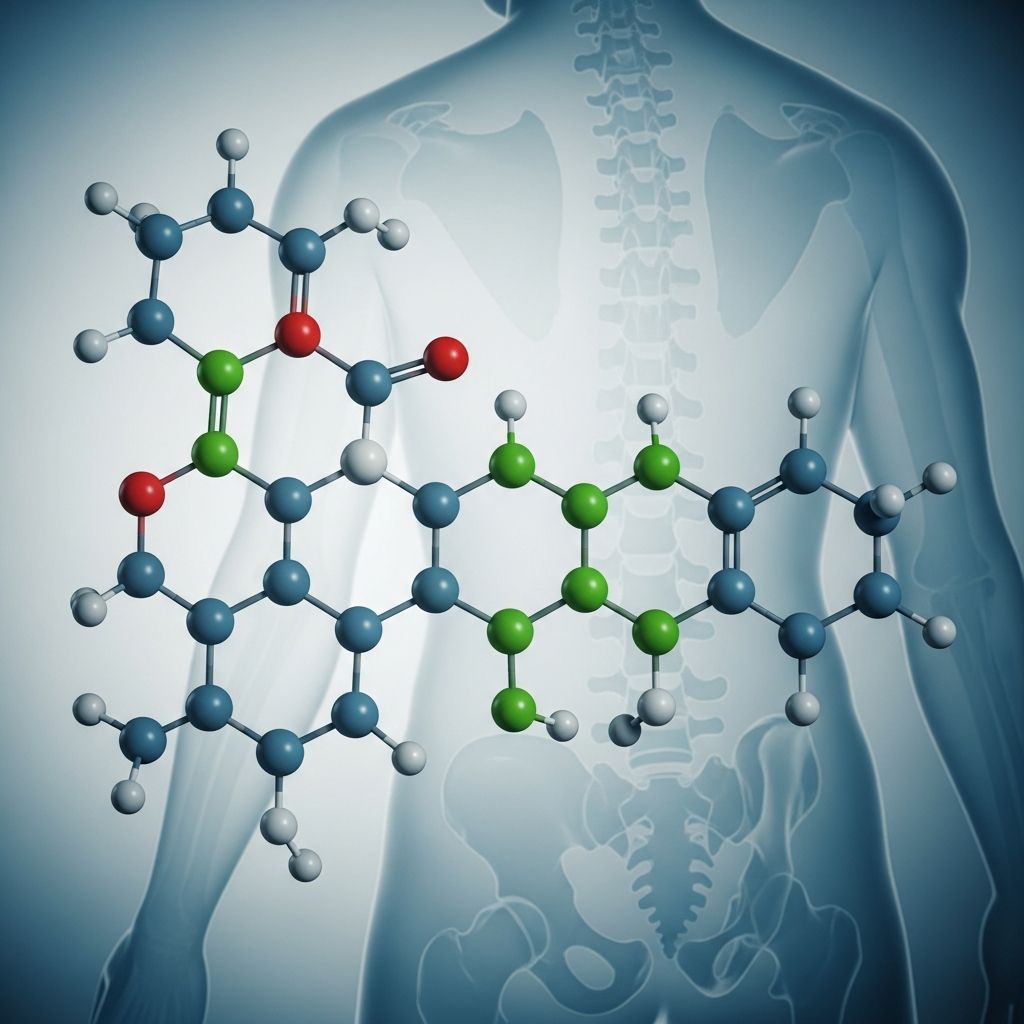
The efficacy of bisphosphonates stems from their molecular architecture. A central carbon atom links two phosphate groups, with variable side chains (R1 and R2) dictating potency and specificity. The R1 position often bears a hydroxyl group enhancing bone affinity, while R2 determines antiresorptive strength.
Bisphosphonates divide into two categories:
- Non-nitrogenous types: Such as etidronate and clodronate, these incorporate into aberrant adenosine triphosphate (ATP) analogs, poisoning cellular energy processes in osteoclasts.
- Nitrogenous types: Including alendronate, risedronate, ibandronate, pamidronate, and zoledronate, these are far more potent. They inhibit farnesyl pyrophosphate synthase (FPPS) in the mevalonate pathway, blocking isoprenoid production essential for protein prenylation. This halts osteoclast function, leading to apoptosis.
Nitrogenous variants demonstrate 10,000-fold greater potency over their non-nitrogenous counterparts due to precise enzyme targeting.
Primary Therapeutic Applications
Bisphosphonates excel in treating high-turnover bone diseases. Their flagship use is osteoporosis, particularly postmenopausal cases, where they reduce vertebral, hip, and other fracture risks by preserving bone mineral density.
Other indications include:
- Paget’s disease of bone, controlling excessive resorption and normalizing architecture.
- Bone metastases from cancers like breast or prostate, mitigating skeletal events.
- Multiple myeloma-related bone lesions.
- Pediatric conditions such as osteogenesis imperfecta, improving density and reducing fractures.
By extending osteoblast activity relative to resorption, bisphosphonates foster a net gain in bone mass, enhancing mechanical strength.
Administration Routes and Pharmacokinetics
| Type | Examples | Dosage Form | Frequency |
|---|---|---|---|
| Oral | Alendronate, Risedronate, Ibandronate | Tablet | Weekly or Monthly |
| Intravenous | Zoledronate, Pamidronate, Ibandronate | Infusion/Injection | Yearly or Every 3 Months |
Oral forms demand strict adherence: taken upright with water on an empty stomach, followed by a 30-60 minute fast and upright posture to prevent esophageal irritation. Intravenous options suit those with absorption issues or needing rapid action.
Pharmacokinetically, over 50% binds to bone upon administration, with the rest excreted renally. Bone retention persists for years, supporting infrequent dosing.
Proven Benefits and Clinical Evidence
Extensive trials affirm bisphosphonates’ fracture prevention. In postmenopausal osteoporosis, they cut hip fracture risk by 40-50% and vertebral by up to 70%. Long-term use maintains these gains, with effects lingering post-discontinuation due to prolonged skeletal residency.
Related Stories



Beyond resorption inhibition, emerging data suggest anti-apoptotic effects on osteocytes and osteoblasts via connexin 43 hemichannel activation, bolstering bone quality.
Potential Adverse Effects and Mitigation
While generally safe, bisphosphonates carry risks:
- Gastrointestinal: Esophagitis or ulcers from oral use; mitigated by proper administration.
- Acute phase: Flu-like symptoms post-IV, resolving quickly.
- Hypocalcemia: Monitored and supplemented with calcium/vitamin D.
- Osteonecrosis of the jaw (ONJ): Rare (<0.1%), linked to dental procedures; dental checks advised pre-therapy.
- Atypical femoral fractures: Very rare after prolonged use; benefits typically outweigh risks.
Renal function monitoring is crucial, especially for IV forms.
Patient Preparation and Lifestyle Integration
Optimal outcomes require calcium (1200mg/day) and vitamin D (800-2000 IU/day) supplementation, alongside weight-bearing exercise, fall prevention, and smoking cessation. Regular bone density scans guide duration, often 3-5 years before reassessment.
Special Considerations Across Populations
Pregnancy and breastfeeding contraindicate use due to fetal bone effects. Caution in renal impairment (eGFR <35 mL/min). Pediatrics benefits select cases under specialist oversight.
Frequently Asked Questions
How quickly do bisphosphonates improve bone density?
Noticeable gains occur within 6-12 months, with peak effects by 2-3 years.
Can I stop taking bisphosphonates after a few years?
Many achieve a “drug holiday” after 3-5 years if low risk, as benefits persist.
Do bisphosphonates cause weight gain or hair loss?
No evidence supports these; side effects mainly involve GI or acute flu-like symptoms.
Are generic bisphosphonates as effective?
Yes, when bioequivalent, they match branded efficacy.
What if I miss a dose?
Resume next scheduled dose; do not double up.
Bisphosphonates empower proactive bone health management when integrated thoughtfully into care plans.
References
- Bisphosphonate — Wikipedia. 2023-10-15. https://en.wikipedia.org/wiki/Bisphosphonate
- Bisphosphonates: Mode of Action and Pharmacology — American Academy of Pediatrics. 2007-04-01. https://publications.aap.org/pediatrics/article/119/Supplement_2/S150/29155/Bisphosphonates-Mode-of-Action-and-Pharmacology
- Bisphosphonates: Mechanism of Action and Role in Clinical Practice — PMC (NCBI). 2009-01-28. https://pmc.ncbi.nlm.nih.gov/articles/PMC2667901/
- Bisphosphonates for osteoporosis: from bench to clinic — Journal of Clinical Investigation. 2023-06-01. https://www.jci.org/articles/view/179942
- Bisphosphonates — International Osteoporosis Foundation. 2024-01-10. https://www.osteoporosis.foundation/health-professionals/treatment/bisphosphonates
- Bisphosphonate Pathway, Pharmacodynamics — ClinPGx. 2023-05-20. https://www.clinpgx.org/pathway/PA154423660
- Bisphosphonates: What They Are, Uses, Side Effects & Types — Cleveland Clinic. 2024-08-15. https://my.clevelandclinic.org/health/treatments/24753-bisphosphonates
Similar Articles








Read full bio of medha deb