Bisphosphonates: Treatment, Uses, and Side Effects
Complete guide to bisphosphonates: understanding bone health medications, benefits, and risks.
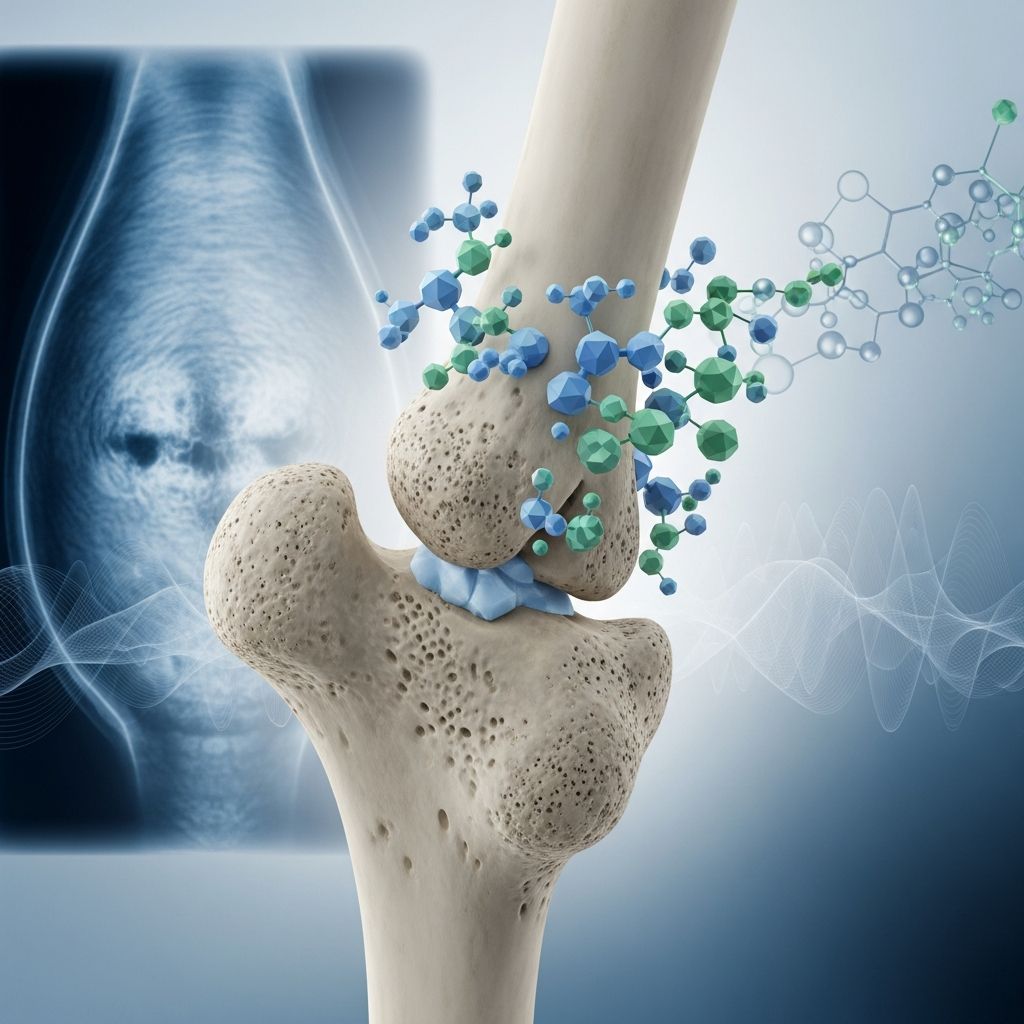
Understanding Bisphosphonates: A Comprehensive Guide to Bone Health Medications
Bisphosphonates are a class of medications widely prescribed to help prevent bone loss and reduce the risk of fractures in patients with osteoporosis and other bone density disorders. These medications work by slowing the rate at which bone is broken down, allowing bone density to remain stable or improve over time. Healthcare providers recognize bisphosphonates as an essential treatment option for maintaining skeletal health, particularly in postmenopausal women and individuals at high risk for fractures.
The importance of bisphosphonates in modern medicine cannot be overstated. Osteoporosis affects millions of people worldwide, leading to increased fracture risk and reduced quality of life. By understanding how bisphosphonates function and what to expect during treatment, patients can make informed decisions about their bone health management with their healthcare providers.
What Are Bisphosphonates and How Do They Work?
Bisphosphonates are synthetic medications that chemically resemble pyrophosphate, a naturally occurring substance found in bone. When administered, bisphosphonates bind to the surface of bone and inhibit osteoclasts—cells responsible for breaking down bone tissue during normal bone remodeling. By reducing bone resorption, these medications help maintain or increase bone mineral density, thereby decreasing fracture risk.
The mechanism of action involves two key processes. First, bisphosphonates adsorb to hydroxyapatite crystals in the mineralized bone matrix, decreasing the solubility of the matrix and making it more resistant to osteoclastic resorption. Second, these medications block the attachment of osteoclast precursors and inhibit the function of mature osteoclasts, effectively slowing bone turnover. This dual mechanism makes bisphosphonates highly effective at maintaining skeletal integrity.
Types of Bisphosphonates: Oral and Intravenous Options
Bisphosphonates are available in two primary administration forms, each with distinct advantages and considerations:
Oral Bisphosphonates
Oral bisphosphonates are taken by mouth, typically once daily, once weekly, or once monthly, depending on the specific medication. Common oral bisphosphonates include alendronate, risedronate, and ibandronate. These medications are convenient for patients who can tolerate oral administration and maintain proper adherence to dosing schedules. Oral formulations typically require specific administration protocols—patients must take the medication on an empty stomach with a full glass of water and remain upright for at least 30 minutes to minimize gastrointestinal side effects.
Intravenous Bisphosphonates
Intravenous bisphosphonates, such as zoledronic acid, are administered as infusions in a healthcare setting. These medications are typically given annually or every three years, depending on the specific agent and clinical indication. Intravenous formulations offer the advantage of less frequent dosing and may be preferable for patients who cannot tolerate oral medications or have difficulty with adherence. Zoledronic acid is administered as a single intravenous infusion and offers antiresorptive efficacy and longer-lasting remission compared to some oral formulations.
Clinical Uses and Indications
Bisphosphonates are prescribed for various bone-related conditions, with osteoporosis being the most common indication. Healthcare providers recommend these medications for:
Related Stories



- Postmenopausal osteoporosis in women
- Osteoporosis in men
- Glucocorticoid-induced osteoporosis
- Paget’s disease of bone
- Hypercalcemia caused by malignant disease
- Metastatic bone disease
- Multiple myeloma
Clinical guidelines strongly support bisphosphonates as first-line pharmacologic treatment for reducing fracture risk in postmenopausal women diagnosed with primary osteoporosis. The American College of Physicians (ACP) recommends bisphosphonates based on strong evidence of their effectiveness in preventing both vertebral and hip fractures. These medications have demonstrated the most favorable balance among benefits, harms, patient values, preferences, and cost considerations among available treatment options.
Effectiveness and Clinical Outcomes
All bisphosphonates improve bone mineral density when used as directed. Studies demonstrate that certain types of bisphosphonates significantly decrease the risk of various types of bone fractures. The effectiveness of bisphosphonate therapy can be monitored through bone turnover markers—biochemical indicators that reflect the rate of bone remodeling.
In clinical practice, a therapeutic response to bisphosphonate therapy is indicated by at least a 25% decrease in bone turnover markers such as CTX (C-terminal telopeptide), PINP (P1NP procollagen type 1 N-terminal propeptide), or BSAP (bone-specific alkaline phosphatase) within three to six months from baseline. Therapeutic intervention is considered effective when markers remain suppressed from baseline with bone mineral density stability at 12 months. The magnitude of change in these markers correlates directly to the reduction in fracture risk.
Treatment Duration and Recommendations
The optimal duration of bisphosphonate therapy requires careful consideration of individual patient factors and clinical circumstances. Most healthcare providers limit treatment with oral bisphosphonates to approximately five years, while intravenous zoledronic acid is typically continued for three years to minimize the risks of rare long-term side effects.
However, individual circumstances vary considerably. For patients with no prior fractures and mild osteoporosis, the American Society for Bone and Mineral Research (ASBMR) recommends three to five years of oral therapy or three years of intravenous therapy. For patients with documented fractures and a T-score of less than -2.5 (indicating more severe osteoporosis), the benefit-to-risk ratio favors up to 10 years of oral bisphosphonate therapy or six years of intravenous therapy.
Research indicates that increasing the duration of bisphosphonate therapy beyond five years reduces the risk for new vertebral fractures but not for other fractures, while increasing the risk of long-term harms. Therefore, healthcare providers typically recommend considering discontinuation after five years unless there is a strong clinical indication for continuation.
Common Side Effects
Most patients tolerate bisphosphonates well, though some experience side effects, particularly gastrointestinal issues related to oral formulations:
- Reflux and heartburn
- Esophageal inflammation or irritation
- Nausea and abdominal discomfort
- Constipation or diarrhea
Many of these gastrointestinal side effects can be minimized through proper administration technique—taking oral bisphosphonates with a full glass of water on an empty stomach and remaining upright for at least 30 minutes after ingestion significantly reduces esophageal irritation.
Patients receiving intravenous bisphosphonates may experience acute phase reactions, which typically occur within one to three days of the infusion. These symptoms, which may include fever, muscle aches, and joint pain, usually respond well to acetaminophen or nonsteroidal anti-inflammatory drugs (NSAIDs) and resolve within a few days.
Rare but Serious Side Effects
While extraordinarily uncommon, bisphosphonates have been associated with several rare serious side effects that warrant careful monitoring, particularly with prolonged use:
Atypical Femoral Fractures
Atypical femoral fractures (AFF) are related to long-term therapy with bisphosphonates in the setting of osteoporosis. However, the incidence of these fractures remains exceptionally rare—for every single atypical femoral fracture, approximately 1,200 osteoporotic fractures are prevented through bisphosphonate therapy. The incidence of AFF increases with duration of therapy, which informed the development of ASBMR guidelines recommending drug holidays from bisphosphonates for appropriate patients.
When an identified fracture line is present, treatment typically includes intramedullary nailing, as many of these fractures will progress to completion without surgical intervention. Bisphosphonate or denosumab therapy should be discontinued in these cases. Anabolic therapy may be considered since the mechanism of AFF is thought to involve adynamic bone with accumulation of microcracks that propagate into fractures.
Osteonecrosis of the Jaw
Osteonecrosis of the jaw (ONJ) is an extraordinarily rare complication associated with bisphosphonate use, particularly with prolonged therapy and high-dose regimens typically used in cancer treatment. The incidence of ONJ ranges from 0.01% to 0.3% of bisphosphonate users with 36 or more months of use. This risk is substantially higher with cancer-related indications where higher doses and more frequent dosing intervals are used compared to osteoporosis treatment.
Monitoring and Follow-up Care
Patients taking bisphosphonates require periodic monitoring to ensure therapeutic effectiveness and detect any potential complications. Healthcare providers typically recommend regular bone mineral density assessments using dual-energy X-ray absorptiometry (DXA) scans, usually performed at baseline and then every one to two years during treatment.
Bone turnover markers may also be assessed to confirm that therapy is producing the expected suppression of bone remodeling. Additionally, patients should maintain adequate calcium and vitamin D intake, as these nutrients are essential for bone health and support the effectiveness of bisphosphonate therapy.
Important Considerations Before Starting Bisphosphonates
Before beginning bisphosphonate therapy, patients should discuss several important factors with their healthcare provider:
- Current medications and supplements that may interact with bisphosphonates
- Kidney function, as these medications are processed through the kidneys
- History of gastrointestinal disorders or difficulties swallowing (for oral formulations)
- Plans for dental procedures, as bisphosphonates may affect bone healing
- Pregnancy status or plans for pregnancy, as bisphosphonates are generally not recommended during pregnancy
- Individual fracture risk assessment and personal medical history
Frequently Asked Questions
Q: How quickly do bisphosphonates start working?
A: Bisphosphonates begin suppressing bone resorption relatively quickly, with bone turnover markers showing significant decreases within three to six months. However, improvements in bone mineral density may take longer to become evident, typically requiring several months to a year of consistent therapy.
Q: Can bisphosphonates cure osteoporosis?
A: Bisphosphonates cannot cure osteoporosis but effectively slow bone loss and maintain or improve bone mineral density. They reduce fracture risk substantially when used as directed. The condition requires ongoing management, and treatment decisions should be made with your healthcare provider.
Q: What should I do if I forget to take my oral bisphosphonate?
A: If you miss a dose of a weekly or monthly oral bisphosphonate, take it the next morning after you remember. If several days have passed, skip the missed dose and resume your regular schedule. Do not double up on doses. Always consult your healthcare provider for specific guidance.
Q: Are there alternatives to bisphosphonates?
A: Yes, alternatives exist for patients who cannot tolerate bisphosphonates or have contraindications to their use. These include denosumab (a RANK ligand inhibitor), hormone-related therapies, and parathyroid hormone analogs. Your healthcare provider can discuss which option is most appropriate for your individual situation.
Q: How long will I need to take bisphosphonates?
A: Treatment duration depends on your individual circumstances, including your fracture risk, bone mineral density, and tolerance of the medication. Most providers limit treatment to approximately five years for oral bisphosphonates or three years for intravenous therapy, though some patients may benefit from longer treatment. Discuss the appropriate duration with your healthcare provider.
Q: Can bisphosphonates be taken with other medications?
A: Some medications can interact with bisphosphonates, particularly those containing calcium, iron, magnesium, or aluminum. These should be taken at least 30 minutes after oral bisphosphonates. Always inform your healthcare provider of all medications and supplements you take.
Conclusion
Bisphosphonates represent an important pharmaceutical approach to managing osteoporosis and maintaining bone health. As medications that effectively slow bone loss and reduce fracture risk, they offer significant benefits for millions of patients, particularly postmenopausal women and older adults at risk for fractures. While these medications are generally well-tolerated, understanding their proper use, potential side effects, and appropriate treatment duration is essential for optimizing outcomes.
Healthcare providers continue to recommend bisphosphonates as first-line pharmacologic treatment for osteoporosis based on strong clinical evidence. By working closely with your healthcare provider to determine if bisphosphonates are appropriate for your individual situation and maintaining proper adherence to therapy, you can take an active role in preserving your bone health and reducing your fracture risk for years to come.
References
- Bone turnover markers to monitor oral bisphosphonate therapy — Cleveland Clinic Journal of Medicine. 2023. https://www.ccjm.org/content/90/1/26
- Bisphosphonates and Atypical Femur Fractures in Osteoporosis — Cleveland Clinic. 2023. https://consultqd.clevelandclinic.org/bisphosphonates-and-atypical-femur-fractures-in-osteoporosis
- A review of Paget’s disease of bone with a focus on the efficacy and applications of zoledronic acid — PubMed Central. 2023. https://pubmed.ncbi.nlm.nih.gov/18226324/
- Latest ACP clinical guideline for the management of osteoporosis — Cleveland Clinic Journal of Medicine. 2023. https://www.ccjm.org/page/acp-2023/osteoporosis-management
- Pharmacotherapy: Bisphosphonate-Induced Osteonecrosis of the Jaw — Cleveland Clinic Center for Continuing Education. 2023. https://www.clevelandclinicmeded.com/medicalpubs/pharmacy/pdf/pharmaco_ix-iv.pdf
- Zoledronic Acid Injection: Uses & Side Effects — Cleveland Clinic. 2024. https://my.clevelandclinic.org/health/drugs/18203-zoledronic-acid-injection-pagets-disease-osteoporosis
Similar Articles








Read full bio of medha deb