Bitter Orange: Usefulness, Risks, And Safety Guide
Explore bitter orange's benefits, safety profile, and what research reveals about this popular supplement.
Bitter Orange: Usefulness and Safety
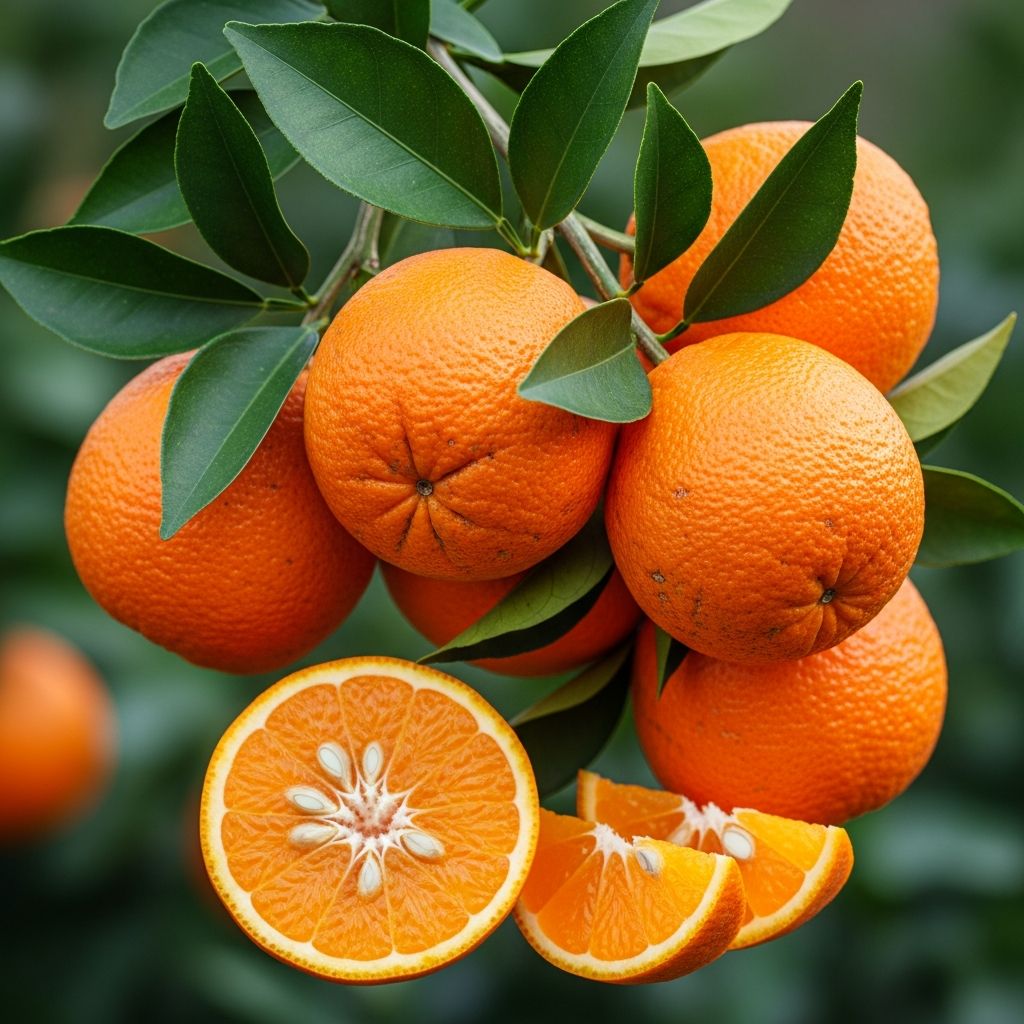
Bitter orange, scientifically known as Citrus aurantium, has emerged as a popular dietary supplement promoted for weight loss, sports performance, and various other health applications. However, understanding both its potential benefits and significant safety concerns is essential before considering its use.
Background on Bitter Orange
The bitter orange tree is native to Southeast Asia, and its fruit is characteristically too sour to consume raw. However, the fruit, peel, and essential oils have found numerous applications throughout history and in modern commerce. The fruit, peel, and essential oils are used in cooking, serve as flavorings in beer and spirits, and add aromas to perfumes and fragrances.
Bitter orange has deep roots in traditional medicine systems. In Traditional Chinese Medicine and Ayurvedic practices, bitter orange was traditionally used to address digestive issues, epilepsy, fatigue, insomnia, infections, respiratory problems, and skin conditions. The essence of bitter orange is commonly found in beverages such as Triple Sec and Cointreau, where it contributes distinctive flavor profiles.
In contemporary wellness markets, bitter orange is currently promoted as a dietary supplement for weight loss, sports performance, and other health-related uses. Additionally, bitter orange oil is used topically and in aromatherapy applications.
Active Compounds in Bitter Orange
The therapeutic potential of bitter orange derives from its complex chemical composition. The primary active compound is p-synephrine, a proto-alkaloid that has garnered significant research attention. Beyond synephrine, bitter orange contains several beneficial compounds:
- Synephrine (the primary protoalkaloid)
- Limonene
- Octopamine
- Vitamin C
- Flavonoids
These natural compounds are extracted from the fruit and peel of bitter oranges for higher potency in supplement form. P-synephrine is the primary component used in sports performance and weight loss supplements, making it the most extensively studied ingredient.
How Much Do We Know? Research Status
While bitter orange has attracted considerable scientific interest, significant limitations exist in our current understanding of its effectiveness. Studies have been conducted on the effects of bitter orange on weight loss and athletic performance in human subjects, but most of these studies face notable limitations.
Many existing studies were relatively small in scale, and some lacked scientific rigor. A particularly important challenge is that numerous studies evaluated the effects of products containing combinations of ingredients rather than bitter orange alone. This makes it extremely difficult to distinguish the specific effects of bitter orange from those of other components in the formulation.
A 2020 review concluded that bitter orange, along with other dietary supplements, is unlikely to contribute to meaningful weight loss. The science does not support the use of bitter orange supplements for weight loss compared to other popular supplements like acai berry or green tea extracts.
Related Stories



Weight Loss and Athletic Performance Claims
Bitter orange extract contains p-synephrine, which is theorized to increase thermogenesis and fat oxidation, particularly when combined with exercise. According to mechanistic studies, p-synephrine acts as a beta-3-adrenoceptor agonist, meaning it binds to beta-3 receptors in fat cells. This binding activates these receptors, promoting the breakdown of fat cells and increased metabolic activity.
One study tracked the effects of taking bitter orange extract for 12 weeks. Some participants took the bitter orange extract alone, while others combined it with other ingredients. Both groups showed significant increases in resting metabolic rate. Taking bitter orange or p-synephrine for up to 12 weeks can result in modest weight loss, though results remain inconsistent across studies.
Research has also suggested that bitter orange may be beneficial for individuals trying to increase their fat utilization during exercise rather than relying primarily on carbohydrate stores. This potential mechanism could appeal to athletes and fitness enthusiasts seeking to optimize their energy utilization during physical activity.
Safety Considerations and Concerns
Understanding the safety profile of bitter orange is critically important, as serious concerns have been raised about possible risks associated with dietary supplements containing this ingredient.
General Safety Profile
Bitter orange is likely safe when used orally in amounts commonly found in foods. Additionally, bitter orange oil is generally well tolerated when used topically or in aromatherapy applications. However, the safety profile becomes more complex when examining concentrated dietary supplements.
Serious Health Events
Cases of serious medical events have been reported in people who took bitter orange products, including abnormal heart rhythms, heart attacks, and strokes. However, it is crucial to note that most of the products involved in these incidents contained multiple ingredients rather than bitter orange alone. This makes it unclear whether bitter orange specifically or other components in these formulations were responsible for the adverse events.
Quality Control and Adulteration Issues
Significant quality control problems have been identified in the dietary supplement market. Researchers from the FDA analyzed 59 bitter orange supplements for synephrine and related substances, all of which belong to a group of chemicals called amines.
The findings revealed troubling inconsistencies:
- Several products contained higher amounts of amines than would be expected in a bitter orange extract
- Of 23 products with labels stating the amount of synephrine, only 5 contained amounts close to what was indicated on the label (between 80 and 120 percent of the stated amount)
- Six products were adulterated with synthetic amines (methylsynephrine or isopropyloctopamine) that are not legal dietary ingredients in the United States and therefore are not permitted in dietary supplements
Regulatory Status
The National Collegiate Athletic Association (NCAA) has placed “synephrine (bitter orange)” on its current list of banned drugs, listing it as a stimulant. This indicates regulatory concern about its stimulant properties and potential effects on athletic performance in ways that may provide unfair advantages.
Optimal Dosage Guidelines
There is considerable discussion regarding whether p-synephrine makes bitter orange a stimulant. However, research data shows that bitter orange did not increase blood pressure or cause significant changes in heart rate in controlled studies. Despite these findings, this does not eliminate the possibility of adverse effects in certain individuals.
Research has determined that doses from 49mg to 98mg of p-synephrine are optimal to prevent adverse effects. Many bitter orange supplements available on the market reflect these recommended dosage ranges, though the earlier-mentioned quality control issues highlight that not all products accurately contain their stated doses.
Drug Interactions and Special Populations
If you take any type of medication, consulting with a healthcare provider before using bitter orange or other herbal products is essential. Some herbs and medicines interact in harmful ways that could compromise treatment efficacy or create safety risks.
Specific drug interactions have been identified with bitter orange:
- Dextromethorphan – Bitter orange might decrease how quickly the liver breaks down this medication, potentially increasing side effects
- Felodipine – May increase effects and side effects by slowing liver metabolism
- Indinavir – Could increase effects and side effects through altered liver metabolism
- Diabetes medications – Bitter orange might lower blood sugar levels, potentially causing dangerous drops when combined with antidiabetic drugs
- Medications metabolized by liver enzymes – Including CYP3A4 and CYP2D6 substrates may have altered effectiveness
- Colchicine – Bitter orange might affect levels of this medication, reducing benefits or increasing side effects
Pregnancy and Breastfeeding
It may not be safe to use bitter orange during pregnancy or while breastfeeding. Data from animal experiments suggest that substances in bitter orange might decrease milk production, making it unsuitable for nursing mothers.
Comparison of Supplement Evidence
| Supplement | Primary Use | Evidence for Weight Loss | Safety Profile | Regulatory Status |
|---|---|---|---|---|
| Bitter Orange | Weight loss, Athletic performance | Limited and inconsistent | Generally recognized as safe in food amounts; concerns with concentrated supplements | Banned by NCAA |
| Green Tea Extract | Weight loss, Antioxidant | Not supported for meaningful weight loss | Generally well-tolerated | Not banned |
| Acai Berry | Weight loss, General health | Not supported | Generally safe | Not banned |
Frequently Asked Questions
Q: Is bitter orange the same as regular orange?
A: No. Bitter orange (Citrus aurantium) is a distinct species from sweet orange. It is characterized by its sour taste and is primarily used for its peel, juice, and essential oils rather than fresh consumption.
Q: Does bitter orange actually help with weight loss?
A: While some studies show modest weight loss benefits and increased metabolic rate, a 2020 review concluded that bitter orange is unlikely to contribute to meaningful weight loss. Results are inconsistent, and many studies have significant limitations.
Q: Is bitter orange safe to take?
A: Bitter orange is likely safe in food amounts, but dietary supplements pose concerns. Quality control issues, potential adulterations, and reported serious cardiovascular events warrant caution. Always consult a healthcare provider before use.
Q: Can I take bitter orange with my medications?
A: No, without medical guidance. Bitter orange can interact with numerous medications, altering their effectiveness or side effects. Consult your healthcare provider before combining bitter orange with any medications.
Q: Is bitter orange banned by sports organizations?
A: Yes. The NCAA has placed synephrine (bitter orange) on its banned substances list, classifying it as a stimulant.
Q: What is the recommended dose of bitter orange?
A: Research suggests 49mg to 98mg of p-synephrine is optimal to prevent adverse effects. However, many products on the market do not accurately reflect their stated dosages.
Key Takeaways
Bitter orange remains a supplement with significant scientific gaps in our understanding of its true effectiveness and long-term safety profile. While traditional uses span centuries and active compounds show theoretical benefits for weight management, clinical evidence remains limited and inconsistent. The presence of quality control issues, potential adulterations, possible drug interactions, and reports of serious cardiovascular events necessitate a cautious approach.
Individuals considering bitter orange supplementation should consult healthcare providers, be aware of NCAA restrictions if applicable, and understand that meaningful weight loss benefits have not been conclusively demonstrated. The supplement market’s variable product quality further complicates decision-making, making professional medical guidance essential.
References
- Bitter Orange: The Metabolism Boosting Fruit — Coalition Nutrition. Accessed 2025. https://www.coalitionnutrition.com/blogs/product-articles/bitter-orange-the-metabolism-boosting-fruit
- Bitter Orange: Usefulness and Safety — National Center for Complementary and Integrative Health (NCCIH), National Institutes of Health. Updated 2024. https://www.nccih.nih.gov/health/bitter-orange
- Citrus aurantium’s Therapeutic Uses — EBSCO Research Starters. 2024. https://www.ebsco.com/research-starters/nutrition-and-dietetics/citrus-aurantiums-therapeutic-uses
- Safety, Efficacy, and Mechanistic Studies Regarding Citrus aurantium — Stohs SJ, et al. Phytotherapy Research. 2017. Published by John Wiley & Sons Ltd. https://pubmed.ncbi.nlm.nih.gov/28752649/
- Dietary Supplements Marketed for Weight Loss, Bodybuilding, and Sexual Enhancement — National Center for Complementary and Integrative Health (NCCIH), National Institutes of Health. 2020. https://www.nccih.nih.gov/health/providers/digest/dietary-supplements-marketed-for-weight-loss-bodybuilding-and-sexual-enhancement-science
- Tips: Know the Facts About Supplements Marketed for Weight Loss — National Center for Complementary and Integrative Health (NCCIH), National Institutes of Health. 2024. https://www.nccih.nih.gov/health/tips/tips-know-the-facts-about-supplements-marketed-for-weight-loss
Similar Articles








Read full bio of medha deb