Black Cohosh Benefits And Risks: A 2025 Comprehensive Guide
Explore black cohosh's potential for menopause relief, its uses, dosage, side effects, and safety concerns backed by scientific evidence.
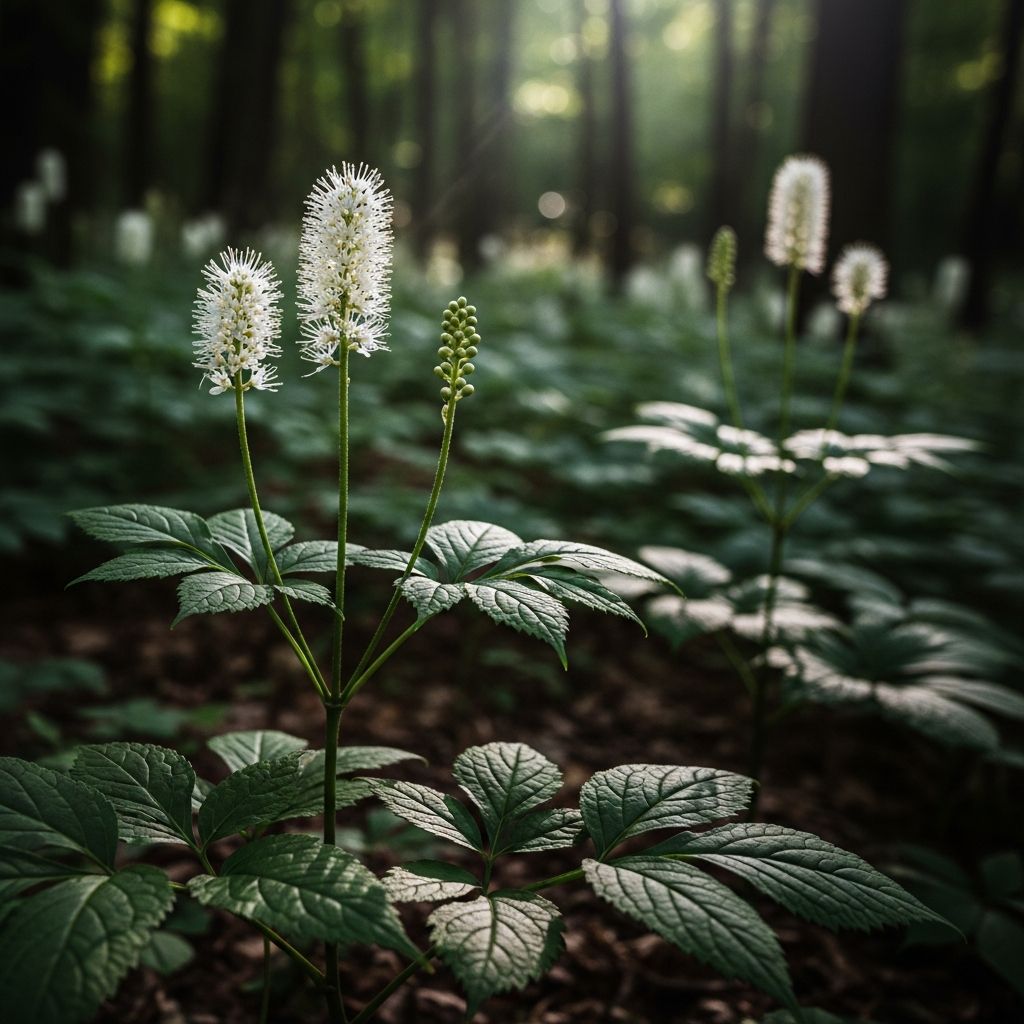
Black cohosh (*Actaea racemosa* or *Cimicifuga racemosa*), a perennial plant native to North America, has been used traditionally for women’s health issues. Its roots and rhizomes are processed into supplements primarily marketed for menopausal symptom relief, including hot flashes, night sweats, mood changes, and vaginal dryness. While popular, scientific evidence on its efficacy remains mixed, with some studies showing modest benefits and others finding no significant effects compared to placebo. Safety concerns, particularly liver toxicity, warrant caution.
What Is Black Cohosh?
Black cohosh grows in shady woodland areas from Ontario to Georgia and west to Missouri and Arkansas. Native Americans used it for ailments like sore throat, kidney issues, and women’s reproductive health, while European settlers adopted it as a tonic for reproductive support. Today, it’s most commonly used for menopausal symptoms known as vasomotor symptoms (hot flashes and night sweats), vaginal dryness, heart palpitations, sleep disturbances, nervousness, and irritability. Extracts are standardized to triterpene glycosides, with common forms including tablets, capsules, and tinctures.
Potential Health Benefits of Black Cohosh
Black cohosh is promoted for various conditions, but evidence is strongest—though still inconclusive—for menopausal relief.
Menopausal Symptoms
The herb is widely used to ease hot flashes, night sweats, and related issues. A 2012 Cochrane Review of 16 randomized trials found insufficient evidence to support or refute its use due to study heterogeneity in design, duration, and dosing. A 2016 meta-analysis of four trials similarly noted limited support. However, some individual studies report benefits: in an 85-participant trial, black cohosh significantly lowered Kupperman Menopausal Index scores compared to placebo. A 2018 study of 80 women showed 20 mg daily reduced hot flash frequency and severity after 8 weeks. German Commission E approves it for premenstrual syndrome, dysmenorrhea, and menopausal symptoms. Results vary, with higher doses sometimes showing greater improvement in climacteric symptoms.
Other Uses
- Menstrual regulation: May help regulate cycles in women undergoing fertility treatments like Clomid, even with PCOS, per small studies.
- Uterine fibroids: A 3-month study in 244 postmenopausal women found 40 mg daily reduced fibroid size by up to 30%.
- Bone health: A randomized trial showed 40 mg/day (CR BNO 1055) increased bone-specific alkaline phosphatase levels, indicating improved bone formation, comparable to conjugated estrogens.
- Breast cancer side effects: Used by survivors for hot flashes induced by tamoxifen or other therapies; some trials show symptom reduction without affecting cancer recurrence risk.
Evidence for these is preliminary; larger, long-term studies are needed.
Does Black Cohosh Work?
Clinical evidence is inconsistent. Positive trials often use specific extracts like iCR or CR BNO 1055 at 40 mg/day, showing reductions in vasomotor symptoms. A meta-analysis of six trials found significant climacteric symptom relief with black cohosh or black cohosh/St. John’s wort combinations. However, multiple placebo-controlled trials report no difference in hot flash frequency or severity. The NIH notes no strong support from rigorous RCTs, with a multibotanical study even showing worse symptoms in some groups. A 2013 review found greater symptom reduction vs. placebo on average. Overall, while some women report relief, high-quality evidence is lacking, and benefits may stem from placebo effects or study biases.
Related Stories



| Study Type | Key Finding | Dose/Duration | Source |
|---|---|---|---|
| Randomized, double-blind (n=131) | No difference in hot flashes vs. placebo | 8 weeks | |
| Randomized (n=85) | Lower menopausal symptoms (KMI) | 57-60 days | |
| 2018 study (n=80) | Fewer/less severe hot flashes | 20 mg, 8 weeks | |
| Bone trial (n=62) | Increased bone formation markers | 40 mg, 3 months |
Black Cohosh Dosage and Forms
Typical doses range from 20-40 mg standardized extract daily, often split into two doses. Products like Remifemin use 2.5 mg 20 times daily or 40 mg once daily. Studies support up to 6-12 months, but long-term safety is unknown. Forms include capsules (20-80 mg), tablets, teas, and tinctures (2-4 mL). Start low and consult a provider; quality varies, so choose third-party tested products.
Side Effects of Black Cohosh
Generally well-tolerated short-term, common side effects include gastrointestinal upset (nausea, vomiting), headache, dizziness, and weight gain. Rare but serious: at least 83 global cases of liver damage (hepatitis, failure, elevated enzymes) linked to use, though causality is unclear. A 2025 review summarizes toxicity from in vivo/in vitro data. Discontinue if abdominal pain, dark urine, or jaundice occurs. Not linked to estrogenic effects on breast tissue in most studies.
Black Cohosh Interactions and Precautions
May mimic estrogen, so avoid in hormone-sensitive conditions like breast cancer, endometriosis, or uterine fibroids without medical advice. Interacts with tamoxifen (no recurrence risk increase observed), statins, blood pressure meds, and sedatives. Contraindicated in liver disease, pregnancy (uterine stimulant risk), and breastfeeding. Monitor liver function with prolonged use. A retrospective study found lower breast cancer odds (OR 0.47) with use, but more research needed.
Is Black Cohosh Safe?
Safe for most in short-term use (up to 6 months) at recommended doses, per available data. Liver risks are rare but highlight need for monitoring. No evidence of genotoxicity or estrogenic activity on reproductive organs. Long-term safety unestablished; most studies <6 months. Vulnerable groups (liver issues, hormone cancers) should avoid. Consult healthcare providers, especially with medications.
Frequently Asked Questions (FAQs)
What is black cohosh used for?
Primarily menopausal symptoms like hot flashes and night sweats, also PMS, menstrual issues, and bone health support.
Does black cohosh help with hot flashes?
Some studies show reduction in frequency/severity; others find no benefit over placebo. Evidence mixed.
Is black cohosh safe for breast cancer survivors?
May relieve treatment-induced hot flashes without promoting recurrence; consult oncologist.
What are the side effects of black cohosh?
GI upset, headache; rare liver toxicity. Monitor symptoms.
How long can you take black cohosh?
Up to 6-12 months in studies; long-term safety unknown.
Can black cohosh cause liver damage?
Rare reports exist; causality uncertain but warrants caution.
References
- Black Cohosh – Health Professional Fact Sheet — Office of Dietary Supplements, NIH. 2023-05-10. https://ods.od.nih.gov/factsheets/BlackCohosh-HealthProfessional/
- Black Cohosh (PDQ®)–Health Professional Version — National Cancer Institute. 2024-01-22. https://www.cancer.gov/about-cancer/treatment/cam/hp/black-cohosh-pdq
- Black Cohosh: Benefits, Dosage, Side Effects, and More — Healthline. 2023-07-12. https://www.healthline.com/health/food-nutrition/black-cohosh
- Uses and side effects of black cohosh for menopause — Medical News Today. 2023-09-15. https://www.medicalnewstoday.com/articles/317530
- Black Cohosh — American Academy of Family Physicians. 2003-07-01. https://www.aafp.org/pubs/afp/issues/2003/0701/p114.html
- Review of black cohosh-induced toxicity and adverse clinical effects — Taylor & Francis. 2025. https://www.tandfonline.com/doi/abs/10.1080/26896583.2025.2513795
Similar Articles








Read full bio of medha deb