Black Eye: Treatment, Healing Timeline, And When To Seek Care
Comprehensive guide to understanding black eyes, their causes, symptoms, and effective treatment options.
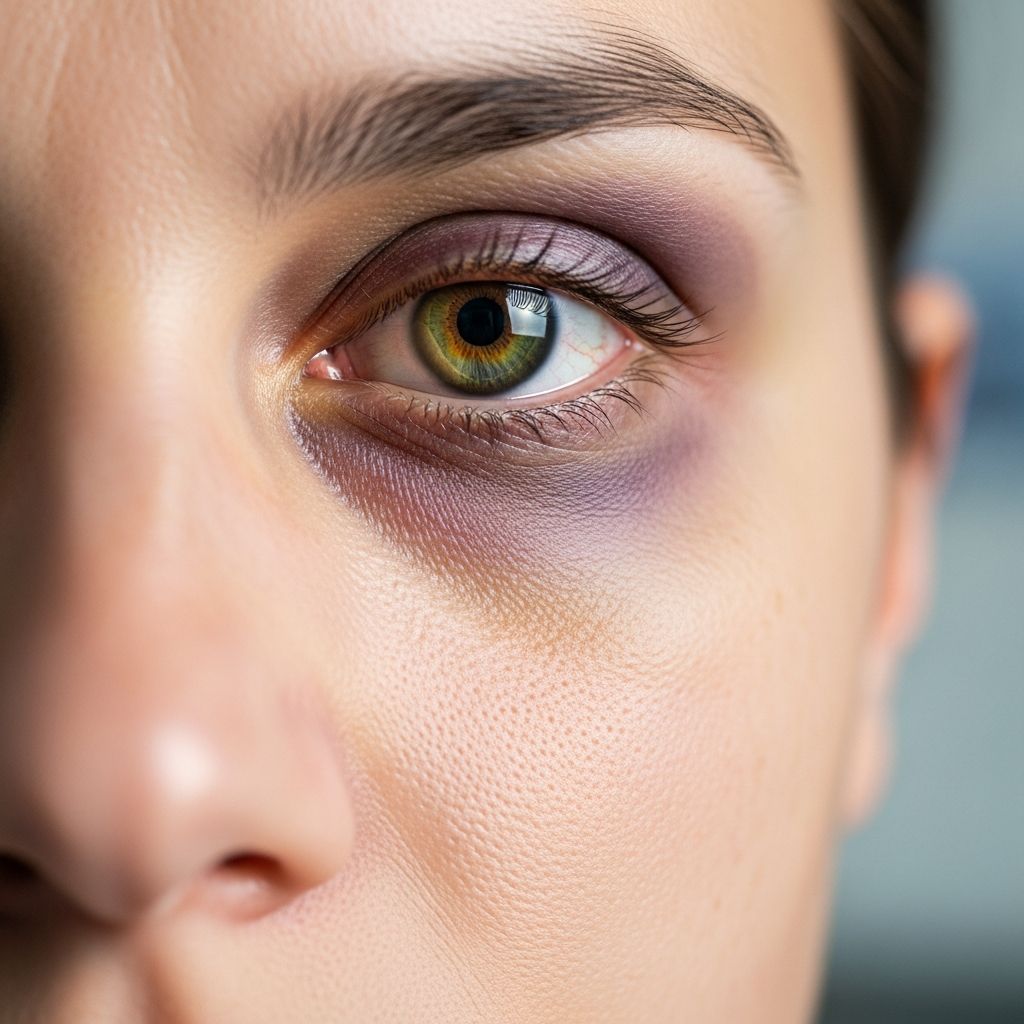
What Is a Black Eye?
A black eye, medically known as periorbital ecchymosis, is bruising and swelling that develops around the eye following an injury or trauma to the face or eye area. The condition occurs when small blood vessels beneath the skin rupture and leak blood and fluid into the surrounding tissues, creating the characteristic dark discoloration and puffiness associated with a “shiner.”
Black eyes are extremely common and can range from mild discoloration to severe swelling that temporarily affects vision. While most black eyes are harmless and resolve on their own within a few weeks, they can sometimes indicate more serious underlying injuries that require medical evaluation.
What Causes a Black Eye?
Black eyes develop when trauma or injury causes blood vessels around the eye to break. Understanding the various causes can help you determine whether home treatment is appropriate or if medical attention is necessary.
Traumatic Injuries
The most common cause of black eyes is direct physical trauma to the face or eye area. This can result from:
– Sports injuries (boxing, basketball, soccer)- Falls and accidents- Motor vehicle collisions- Fights or assaults- Accidental impacts with objects or other people
Medical and Surgical Causes
Black eyes frequently develop following specific medical procedures and treatments. These include:
– Facial surgery or reconstruction- Dental procedures, particularly extraction or orthodontic work- Cosmetic procedures such as rhinoplasty or facelift- Eyelid surgery- Sinus surgery
Spontaneous Periocular Ecchymosis
Although rare, some people develop black eyes without any history of trauma or facial surgery. Healthcare providers refer to this as spontaneous periocular ecchymosis. Often affecting both eyes (commonly called “raccoon eyes”), this condition can indicate serious underlying medical issues and requires immediate medical evaluation.
Medical Conditions
Certain medical conditions and medications can cause spontaneous bruising around the eyes:
– Blood clotting disorders- Bleeding disorders- Anticoagulant medications- Severe allergies- Sinus infections- Skull fractures- Serious infections
Symptoms of a Black Eye
The signs and symptoms of a black eye typically include visible changes around the eye area and associated discomfort. Understanding these symptoms helps you assess the severity of your injury.
Typical Symptoms
– Bruising and swelling of the eyelid and soft tissue surrounding the eye- Difficulty fully opening the eye- Temporary blurring of vision- Discoloration that begins as deep purple or blue- Gradual color change to green or yellow as healing progresses- Mild to moderate pain or tenderness- Sensitivity to light
Related Stories



Associated Conditions
Sometimes a black eye accompanies other eye injuries. A subconjunctival hemorrhage, where blood accumulates under the conjunctiva, may cause the white of your eye to turn bright red. Usually painless, this condition typically clears within two weeks.
When to Seek Medical Care
While most black eyes can be safely treated at home, certain symptoms warrant immediate medical evaluation. You should see a healthcare provider if you experience:
– Unusual sensitivity to light or vision changes that persist- Severe pain that doesn’t improve with over-the-counter pain relievers- Pain and swelling that don’t improve after a few days- Signs of infection, including pus, redness, or warmth near the injured area- Severe headaches or persistent headaches- Pupils that differ in size or shape- Vomiting or nausea- Blood or clear fluid draining from the nose or ears- Difficulty seeing or vision loss- Eye movement problems- Any concern that the injury may involve the eye itself rather than just surrounding tissue
Additionally, always see a healthcare provider if a black eye results from significant trauma, even if symptoms seem mild. Your provider can assess whether deeper injuries exist beyond the visible bruising and ensure you receive appropriate treatment.
Black Eye Treatment
Most black eyes can be effectively managed with home-based self-care. The key is starting treatment as soon as possible after the injury occurs. Healthcare providers recommend treating a black eye similarly to how you would treat a sprained ankle—using the RICE method: rest, ice, compression, and elevation.
Immediate Care (First 24-48 Hours)
Apply Cold Compresses
Cold therapy is the most important first step in treating a black eye. Applying cold compresses immediately after injury helps prevent blood vessels from continuing to leak and significantly reduces swelling. Follow these guidelines:
– Use a cold pack, cloth filled with ice, or even a bag of frozen vegetables- Apply the cold compress gently to the area around your eye- Never apply ice directly to the skin or press on the eye itself- Apply for 20 minutes at a time, then remove for 20 minutes- Repeat this cycle several times daily for the first 24 to 48 hours- The 20-minute off period is important to prevent skin damage from constant cold exposure
Rest and Activity Modification
Physical activity increases heart rate and blood flow, which can worsen swelling and bruising. Take the following precautions:
– Avoid strenuous activities for the first day or two after injury- Keep your head elevated, especially while sleeping- Use a recliner or extra pillows to help gravity reduce swelling- Stay calm and avoid situations that might elevate your heart rate
Later Treatment (After 2-3 Days)
Apply Warm Compresses
After the first few days, when swelling has begun to decrease, switch to warm compresses. Warm therapy helps open blood vessels and promotes fluid drainage, decreasing puffiness. Apply warm compresses several times daily using:
– A warm washcloth- A heat pack on low setting- A warm compress held gently against the area
Medication
Over-the-counter pain relievers can help manage discomfort and reduce inflammation:
– Acetaminophen (Tylenol) reduces pain without affecting inflammation- Ibuprofen (Advil, Motrin) reduces both pain and inflammation- Avoid aspirin, which can increase bruising by interfering with blood clotting
Vitamin C Supplementation
Some evidence suggests that vitamin C may help reduce bruising when taken early in the healing process. For optimal results:
– Take vitamin C orally within the first day or two of injury- Consume vitamin C-rich foods like oranges- Apply topical vitamin C oil to skin around the eye (avoid getting it in the eye as it can be irritating)
Professional Treatments
For those who need faster healing, dermatologists offer in-office laser treatments that can prevent a new bruise from spreading and accelerate healing. However, these cosmetic procedures are typically not covered by insurance and come with significant costs. They’re most practical if you have an upcoming important event and want your black eye resolved quickly, such as before a wedding.
What NOT to Do
A common myth suggests applying raw meat to a black eye. This approach should be avoided because:
– Raw meat is covered in bacteria that can cause serious eye infections- There is no scientific evidence that it reduces swelling or speeds healing
Black Eye Healing Timeline
Understanding what to expect during recovery helps you monitor your healing progress:
Days 1-2
The initial bruising appears as deep purple or blue. Swelling is typically mild immediately after injury but peaks around day two, meaning you might look worse when you wake up the day after your injury despite the swelling beginning to resolve.
Days 3-7
The discoloration begins changing from purple-blue to green or yellowish tones. Swelling gradually decreases, and vision typically returns to normal.
Weeks 2-4
The bruising and discoloration continue fading, eventually disappearing completely. Most black eyes heal within two to four weeks, though the exact timeline depends on the injury’s severity.
Complete healing may take longer if additional injuries accompany the bruising, such as fractures or other soft tissue damage. Your healthcare provider can give you more specific information about your individual healing timeline.
Frequently Asked Questions
Q: Can a black eye cause permanent vision problems?
A: Uncomplicated black eyes that involve only bruising around the eye typically do not cause permanent vision damage. However, if the eye itself is injured or if there are associated serious injuries, vision problems may develop. Always have significant eye injuries evaluated by a healthcare professional.
Q: How can I cover up a black eye?
A: Cosmetic concealers can help hide bruising while it heals. Color-correcting concealers (green or yellow tones) can neutralize the purple and blue tones, followed by a matching foundation. Sunglasses can also provide coverage while protecting your eye from bright light sensitivity.
Q: Is it safe to wear contact lenses with a black eye?
A: It’s generally best to avoid contact lenses while your eye is healing, as they can irritate the area and potentially introduce bacteria. Wear glasses instead until the swelling and bruising have resolved.
Q: What should I do if I get a black eye after surgery?
A: Contact the surgeon who performed the procedure. They can explain whether bruising is an expected side effect and provide specific guidance on care and healing for your situation.
Q: Can black eyes be prevented?
A: Many black eyes can be prevented by wearing protective eyewear during sports, avoiding fights, being cautious around hazards, and following safety precautions. However, some black eyes from accidents or medical procedures cannot be prevented.
Q: Is there a faster way to heal a black eye?
A: While professional laser treatments can accelerate healing, the most reliable approach remains home care with ice, elevation, and rest. Starting treatment immediately after injury provides the best results for minimizing swelling and bruising.
References
- Black Eye: First Aid — Mayo Clinic. 2024. https://www.mayoclinic.org/first-aid/first-aid-black-eye/basics/art-20056675
- How To Get Rid of a Black Eye — Cleveland Clinic. 2024. https://health.clevelandclinic.org/how-to-get-rid-of-a-black-eye
- Black Eye Causes & Treatment — Cleveland Clinic. 2025. https://my.clevelandclinic.org/health/diseases/black-eye
- Black Eye: Understanding the Basics — WebMD. 2024. https://www.webmd.com/eye-health/understanding-black-eye-basics
- Bruises (Ecchymosis): Symptoms, Causes, Treatment & Prevention — Cleveland Clinic. 2024. https://my.clevelandclinic.org/health/diseases/15235-bruises
- Raccoon Eyes: Symptoms, Causes & Treatment — Cleveland Clinic. 2024. https://my.clevelandclinic.org/health/symptoms/raccoon-eyes
Similar Articles








Read full bio of medha deb