Black Eye A to Z: Guide to Causes, Treatment & Prevention
Complete guide to understanding black eyes: symptoms, causes, treatment options, and prevention strategies.
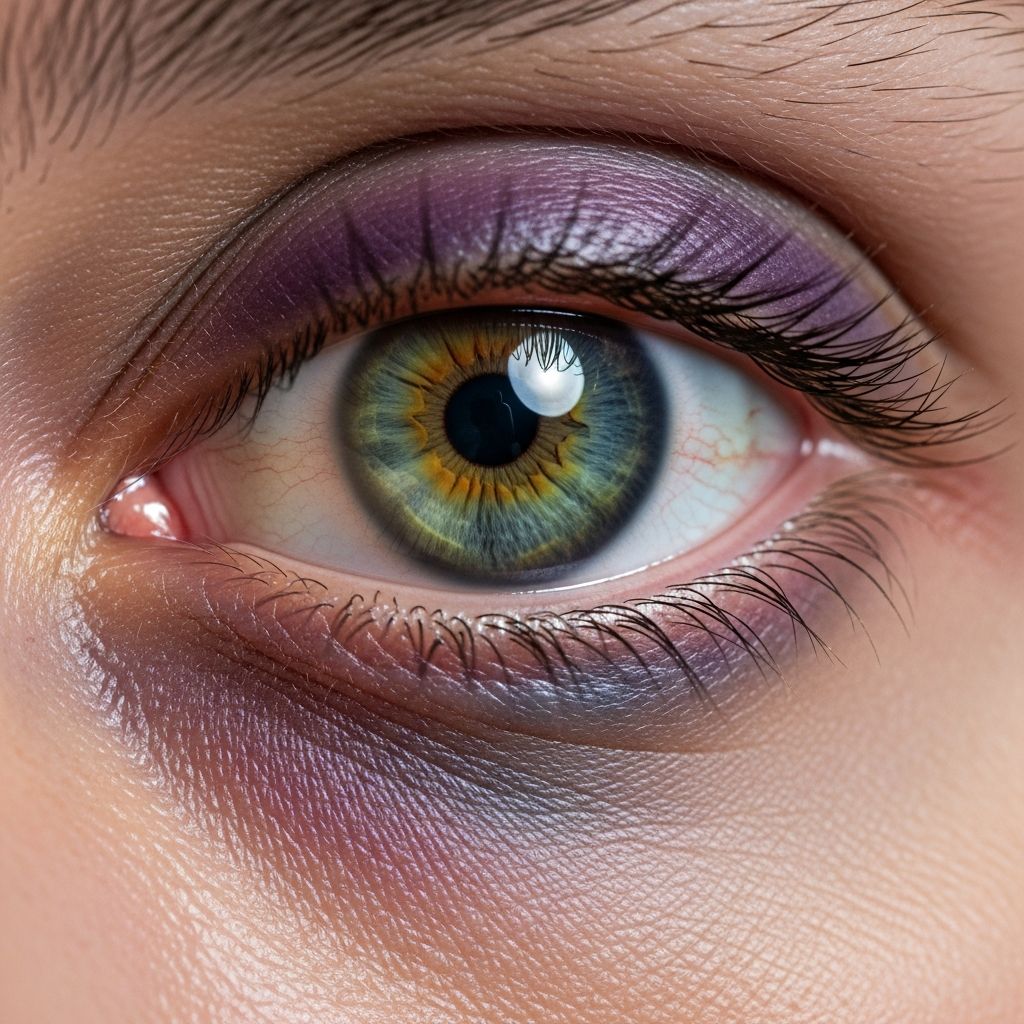
Black Eye A to Z: Understanding, Treating, and Preventing Bruised Eyes
A black eye, commonly referred to as a “shiner,” is a bruise that develops on the eyelid and surrounding skin, typically resulting from blunt force trauma to the face. While the appearance can be concerning, most black eyes are relatively minor injuries that heal without lasting complications. Understanding what causes black eyes, how to treat them effectively, and ways to prevent them can help you manage this common condition and protect your vision.
What Is a Black Eye?
A black eye occurs when blood and fluid accumulate in the soft tissue surrounding the eye following an injury. The characteristic bruising develops due to broken blood vessels beneath the thin eyelid skin. In some cases, a black eye may also involve a subconjunctival hemorrhage, which is bleeding in the white of the eye itself, causing it to turn bright red.
The discoloration typically progresses through several color stages as the bruise heals. Initially, the area appears deep purple or blue, then gradually transitions to green or yellow before fading completely, usually within one to two weeks.
Recognizing Black Eye Symptoms
Black eyes present with several distinctive symptoms that develop following an injury to the face or head:
- Bruising and swelling of the eyelid and surrounding soft tissue
- Discoloration that progresses from purple or blue to green or yellow
- Difficulty opening the eye completely
- Temporary blurred vision due to swelling
- Pain and tenderness around the eye area
- Bright red appearance in the white of the eye if subconjunctival hemorrhage is present
The severity of symptoms varies depending on the force of the impact and the extent of tissue damage. Most black eyes resolve without intervention within one to two weeks.
Understanding the Causes of Black Eyes
Traumatic Injuries
The most common cause of black eyes is blunt trauma to the face from accidents, falls, or physical altercations. Direct impacts to the eye area cause bleeding beneath the thin eyelid skin, producing the characteristic bruising. Sports injuries from baseball, basketball, and other contact sports are frequent culprits, as are workplace accidents and motor vehicle incidents.
Skull Fractures and Head Injuries
A fracture deep inside the skull can result in “raccoon eyes,” a condition where both eyes display bruising even if the eye area itself wasn’t directly injured. This presentation requires immediate medical evaluation to rule out serious head trauma.
Medical and Surgical Causes
Black eyes can also develop following certain medical procedures, including cosmetic surgery around the eyes, nasal surgery, or sinus surgery. These iatrogenic black eyes are expected outcomes of surgical manipulation in the facial area.
Underlying Medical Conditions
While uncommon, certain health conditions can cause black eyes or raccoon eyes without direct facial trauma:
- Hemophilia and other bleeding disorders
- Amyloidosis, a rare condition involving protein buildup in organs
- Autoimmune conditions such as lupus
- Certain cancers, including Kaposi sarcoma and multiple myeloma
- Liver conditions affecting blood clotting
- Sinus infections or blood clots in the sinuses
- Severe concussions
Allergic shiners, which are dark circles caused by inflamed and swollen blood vessels due to sinus inflammation from allergies, may appear similar to black eyes but represent a different condition.
Related Stories



Diagnosis of Black Eyes
In most cases, black eyes are straightforward to diagnose. If you have a single black eye without other concerning symptoms following a known blow to the face, self-diagnosis is typically sufficient.
However, if you’re uncertain about the cause or have other symptoms, a healthcare provider can perform a comprehensive evaluation:
- Physical examination of the eye and surrounding tissues
- Vision testing to assess visual acuity
- Pupil response assessment using light
- Evaluation of eye movement in all directions
- Examination of facial and orbital bones
- Fluorescein stain test to detect corneal damage
If a fracture or foreign object is suspected, imaging tests such as X-rays or computed axial tomography (CAT) scans may be ordered.
Treating Black Eyes Effectively
Initial Care with Cold Therapy
Most black eyes respond well to conservative self-care treatment at home. The primary goal is reducing pain and swelling to promote healing and restore normal function.
Apply cold therapy immediately after injury:
- Use an ice pack wrapped in a cloth for 15-20 minutes at a time, repeating hourly as needed
- Never apply ice directly to skin, as this can cause ice burn
- Alternative cold sources include frozen peas in a bag or a cold metal spoon from the refrigerator
- Continue cold therapy for the first 24-48 hours after injury
Pain Management
Over-the-counter pain relief can alleviate discomfort associated with black eyes:
- Ibuprofen (such as Advil or Motrin) reduces pain and inflammation
- Acetaminophen (Tylenol) provides pain relief without anti-inflammatory effects
- Avoid aspirin unless specifically recommended by your doctor, as it increases bleeding and bruising
Elevation and Rest
Keeping your head elevated above heart level, particularly while sleeping, helps reduce swelling by preventing fluid accumulation in the eye area. This simple measure can significantly improve comfort and accelerate healing.
Myth Busting: What Doesn’t Work
Despite popular remedies, certain treatments are ineffective and potentially harmful. The practice of applying raw meat to a black eye is a myth with no scientific basis and carries the risk of bacterial contamination that could lead to eye infection.
When to Seek Medical Attention
While most black eyes resolve without professional intervention, certain symptoms warrant prompt medical evaluation:
Seek Immediate Emergency Care For: - Head injury or loss of consciousness following an accident
- Double vision or vision loss
- Inability to move the eyeball in all directions
- Blood on the eye surface or bleeding from the nose or ears
- Severe headache that won’t resolve
- Pupils that differ in size or shape
- Vomiting
Contact Your Eye Doctor Promptly If:
- Unusual sensitivity to light develops
- Vision changes persist beyond a few days
- Pain and swelling don’t improve after several days of home treatment
- Signs of infection appear, including pus, redness, or warmth at the injury site
- Raccoon eyes develop without a clear cause or without recent surgery
- You have a bleeding disorder or take blood-thinning medications
Preventing Black Eyes
Taking proactive steps to protect your eyes significantly reduces the risk of injury and black eye development:
Occupational Protection
- Wear protective eyewear, face shields, or safety goggles if your work involves eye injury risks
- Use appropriate personal protective equipment in workshop or construction environments
- Follow workplace safety protocols and use all required protective gear
Sports and Recreation Safety
- Wear protective eyewear during sports with eye injury risks, such as baseball or basketball
- Consider face masks and specially designed sports glasses or goggles
- Use softer safety balls for training, especially with younger athletes
- Avoid boxing, a well-known cause of black eyes
Vehicle Safety
- Always wear your seatbelt while driving or riding in vehicles
- Ensure proper seatbelt positioning to prevent facial impact with the dashboard
- Install airbags and maintain them in proper working condition
Black Eye Complications and Prognosis
Most black eyes are superficial injuries that resolve completely without complications. However, severe facial trauma can result in associated injuries such as fractures, and significant impact can affect vision temporarily.
Vision problems or complications of severe facial impact, such as fractured bones, require medical evaluation and monitoring. Fortunately, the vast majority of uncomplicated black eyes heal completely without residual effects on vision or eye function.
Frequently Asked Questions About Black Eyes
Q: How long does a black eye typically take to heal?
A: Most black eyes fade within one to two weeks, progressing through color changes from purple and blue to green and yellow before disappearing.
Q: Can I have a black eye without a direct eye injury?
A: Yes. Skull fractures can cause raccoon eyes even without direct eye area injury, and certain medical conditions like bleeding disorders can cause black eyes without trauma.
Q: Is it safe to apply ice directly to a black eye?
A: No. Always wrap ice in a cloth or towel before applying it to avoid ice burn. Use ice packs for 15-20 minutes at a time, repeating hourly as needed.
Q: Should I avoid aspirin for a black eye?
A: Yes, unless your doctor prescribes it. Aspirin can increase bleeding and worsen bruising.
Q: What does raccoon eyes indicate?
A: Raccoon eyes (bruising around both eyes) often indicate a skull fracture or serious head injury and require immediate medical evaluation.
Q: Can protective eyewear prevent black eyes?
A: Yes. Wearing appropriate protective eyewear during sports and work activities significantly reduces the risk of eye injuries and black eyes.
References
- Understanding Black Eye Basics — WebMD. 2024. https://www.webmd.com/eye-health/understanding-black-eye-basics
- How to Get Rid of a Black Eye: Everything to Know — Healthgrades. 2024. https://resources.healthgrades.com/right-care/injuries-and-wounds/black-eye
- Black Eye (Ecchymosis) — Brigham and Women’s Hospital Health Library. https://healthlibrary.brighamandwomens.org/library/preventionguidelines/90,P02806
- Eye Injury (Black Eye) — Brigham and Women’s Hospital Health Library. https://healthlibrary.brighamandwomens.org/RelatedItems/85,P01009
Similar Articles








Read full bio of Sneha Tete