Understanding Black Eyes: Causes, Symptoms & Recovery
A comprehensive guide to periorbital hematoma: when it's minor and when to seek urgent care.
What Exactly Is a Black Eye?
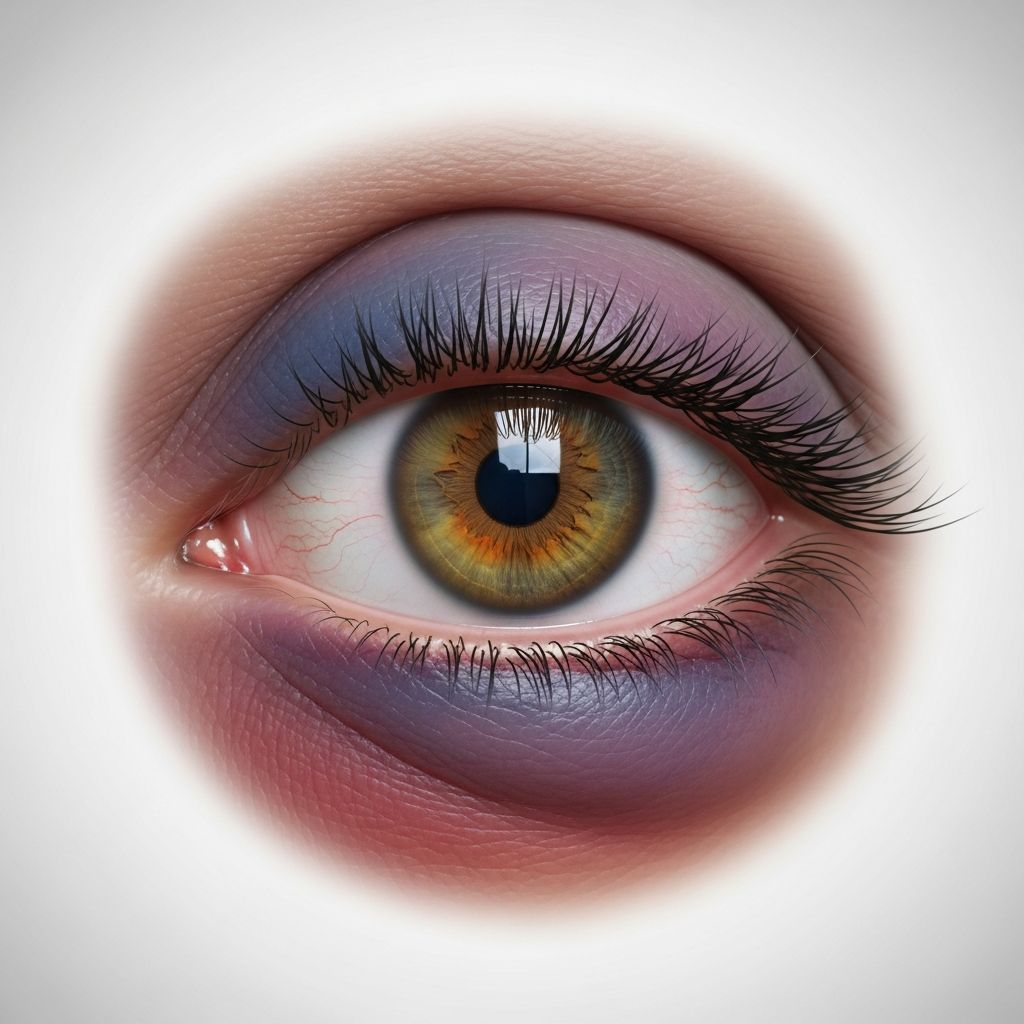
A black eye, medically termed periorbital hematoma or ecchymosis, represents an accumulation of blood and bodily fluids in the tissues surrounding the eye following blunt force trauma. The distinctive discoloration that gives this injury its common name occurs not on the eyeball itself, but rather in the delicate skin and tissue that envelops the eye socket. When impact occurs, tiny blood vessels called capillaries rupture beneath the thin skin around the eye, allowing blood to seep into the surrounding tissue. Because the skin in this region is exceptionally thin and loose, it fills readily with fluid, creating the characteristic puffy, discolored appearance that makes black eyes so visually striking.
The color progression of a black eye tells a biological story. Initially appearing red or dark red-purple immediately after injury, the bruising evolves through various shades as the body processes the blood and heals the damaged tissue. Over time, the injury may shift to deeper purples, then gradually fade through yellows and greens before finally resolving. This color transformation is completely normal and reflects the natural healing process occurring beneath the skin.
Primary Causes of Periorbital Bruising
The most common cause of black eyes remains blunt force trauma to the face or head region. This can manifest in numerous ways throughout daily life and recreational activities:
- Direct impact from a punch or strike to the eye area
- Falls that result in facial contact with a surface or object
- Sports-related injuries, particularly in contact sports or activities with flying projectiles
- Motor vehicle accidents causing facial injury
- Assaults or interpersonal violence
Beyond traumatic injury, several medical procedures can inadvertently produce black eyes as a secondary effect. Cosmetic or dental surgeries near the eye region may result in bruising and swelling during the healing process. Additionally, certain systemic health conditions can manifest as unexplained dark circles or bruising around the eyes, though this occurs much less frequently than trauma-induced cases.
Recognizing Standard Black Eye Symptoms
A straightforward black eye typically presents with a consistent pattern of symptoms that develop within hours of the initial injury. Understanding these normal signs helps distinguish routine cases from more serious conditions requiring immediate medical intervention:
- Discoloration of the skin surrounding the eye, ranging from red to purple, dark blue, or black
- Progressive swelling of the eyelids and orbital tissues, sometimes making eye opening difficult
- Localized pain in the injured area
- Mild to moderate blurred vision that typically resolves as swelling decreases
- Occasional headaches associated with the facial trauma
- Temporary mild dizziness or disorientation immediately after injury
These symptoms generally peak within the first 48 hours following injury, then gradually improve over subsequent days and weeks. Most individuals with uncomplicated black eyes experience complete resolution within 7-14 days, though visible bruising may persist slightly longer.
Critical Warning Signs Requiring Immediate Medical Attention
While the majority of black eyes resolve without intervention, certain symptoms indicate more serious underlying injuries that demand urgent evaluation by an eye care professional or emergency room physician. The following red flags should prompt immediate medical consultation:
Vision and Eye-Specific Concerns
- Significant vision loss or complete inability to see
- Double vision or diplopia affecting one or both eyes
- Persistent blurred vision that fails to improve as swelling decreases
- Visible blood on the surface of the eyeball (subconjunctival hemorrhage extending beyond minor spots)
- Flashes of light, showers of black spots, or unusual visual phenomena
- Inability to move the eye in normal directions
- The affected eye appears sunken deeper into its socket than normal
- Irregularly shaped or differently sized pupils compared to the uninjured eye
Related Stories



Neurological and Systemic Symptoms
- Severe or persistent headache that doesn’t respond to typical pain management
- Loss of consciousness or fainting episodes
- Nausea or vomiting, particularly if persistent
- Fluid or blood leaking from the nose or ears, suggesting skull involvement
- Numbness or altered sensation on the injured side of the face
- Fever or feeling cold and shivery, potentially indicating infection
Local Infection Indicators
- Increasing warmth around the injured eye area
- Pus or purulent drainage from the bruised area
- Persistent or worsening swelling beyond three weeks
- Increasing pain rather than gradual improvement
Serious Complications Associated with Eye Trauma
Hyphema: Internal Eye Bleeding
Hyphema represents a particularly serious complication requiring urgent medical attention. This condition involves blood accumulation within the anterior chamber of the eye—the space between the cornea and iris—indicating damage to delicate internal eye structures. The severity of hyphema can range from microscopic blood cell presence detectable only under magnification to substantial blood collection visible to the naked eye. The trauma that produces hyphema may cause elevated intraocular pressure, potentially leading to permanent optic nerve damage and irreversible vision loss if untreated. Furthermore, scar tissue may develop internally years after the original injury, causing delayed-onset glaucoma and progressive vision deterioration.
Glaucoma and Progressive Vision Loss
Glaucoma represents one of the most concerning long-term complications of significant eye trauma. This progressive eye disease involves gradually increasing intraocular pressure that damages the optic nerve over time. Trauma-related glaucoma may develop immediately following injury or emerge insidiously years later through scar tissue formation. The vision loss associated with advanced glaucoma is often described as tunnel vision, where peripheral vision progressively narrows while central vision remains initially intact. This irreversible damage underscores the importance of professional evaluation following any significant eye injury.
Skull Fractures and Orbital Damage
The thin bones surrounding the eye socket (orbits) can fracture from substantial facial trauma, even when external bruising appears relatively minor. Orbital fractures often require specialized imaging and may necessitate surgical intervention. Additionally, skull fractures should be suspected when black eyes appear on both sides of the face simultaneously (raccoon eyes), or when accompanied by fluid leakage from the nose or ears.
Self-Care Strategies for Uncomplicated Black Eyes
For straightforward black eye cases without warning signs, several evidence-based home care approaches can minimize discomfort and potentially accelerate healing:
Immediate Treatment Protocols
- Apply ice or cold compresses to the affected area during the first 24-48 hours to reduce swelling and numb pain
- Elevate the head while resting to minimize fluid accumulation in facial tissues
- Take over-the-counter pain relievers as directed on the package for discomfort management
- Avoid pressure or further trauma to the injured area
- Protect the eye from bright light if photosensitivity develops
Recovery Phase Management
- Transition to warm compresses after the initial 48-hour period to promote circulation and healing
- Continue elevation when possible to facilitate fluid resorption
- Avoid activities that increase facial blood pressure or risk further injury
- Refrain from wearing eye makeup until bruising substantially resolves
- Use lubricating eye drops if temporary dryness develops
Timeline for Healing and Recovery
Understanding the expected healing trajectory helps individuals distinguish normal recovery from complications requiring medical evaluation. Most uncomplicated black eyes follow a predictable course:
| Time Period | Expected Changes |
|---|---|
| First 24 Hours | Maximum swelling and darkening; pain peaks; color appears red-purple |
| Days 2-7 | Swelling begins decreasing; color deepens to blue-black; pain diminishes gradually |
| Days 8-14 | Visible improvement in swelling; bruising becomes greenish-yellow; vision typically returns to normal |
| Weeks 3-4 | Minimal swelling; bruising fades significantly; discoloration becomes pale yellow-brown |
| Weeks 4+ | Complete resolution of visible bruising and swelling |
If improvement plateaus or symptoms worsen beyond two to three weeks, professional evaluation becomes important to rule out complications.
Professional Evaluation and Diagnostic Approach
When seeking medical care for a black eye, eye care professionals employ multiple evaluation methods to assess injury severity and identify potential complications. Healthcare providers will conduct a comprehensive eye examination including visual acuity testing, pupil assessment, eye movement evaluation, and intraocular pressure measurement if hyphema is suspected. Imaging studies such as CT scans may be ordered when orbital fractures or skull involvement appears likely, particularly if symptoms suggest more serious trauma.
Prevention Strategies for At-Risk Individuals
While accidents cannot always be prevented, certain populations face elevated risk for eye injuries and black eyes. Individuals engaged in contact sports should consistently wear appropriate protective eyewear designed for their specific activity. Workplace safety protocols should be followed in environments where flying debris or chemical exposure presents hazards. Vehicle safety practices including seatbelt use significantly reduce facial trauma risk in motor vehicle accidents. Individuals taking blood thinning medications should exercise particular caution, as they face increased bruising risk from minor trauma.
Frequently Asked Questions
How long do black eyes typically last?
Most uncomplicated black eyes show substantial improvement within 7-14 days, though faint bruising may persist 2-3 weeks longer. Individual variations in healing depend on injury severity, skin tone, age, and overall health.
Can black eyes cause permanent vision loss?
Uncomplicated black eyes themselves do not cause lasting vision problems. However, serious underlying injuries such as hyphema or optic nerve damage can result in permanent vision loss if untreated.
Should I apply heat or ice to a black eye?
Ice or cold compresses during the first 48 hours reduce swelling and pain. After this initial period, warm compresses promote circulation and accelerate healing.
When should I see a doctor for a black eye?
Seek immediate medical attention if you experience vision changes, severe pain, inability to move your eye, double vision, headache, fluid leakage from nose or ears, or if bruising fails to improve within 2-3 weeks.
Are black eyes ever a sign of serious illness?
Spontaneous black eyes without trauma history, particularly affecting both eyes simultaneously (raccoon eyes), may indicate serious systemic conditions including blood clotting disorders, severe infections, or other medical emergencies requiring urgent evaluation.
Conclusion: When to Seek Professional Care
Black eyes represent one of the most common facial injuries, and most resolve without intervention through natural healing processes. However, the visible nature of the injury sometimes masks more serious underlying complications affecting vision and structural integrity. Maintaining awareness of warning signs that distinguish routine bruising from serious injury empowers individuals to seek appropriate care promptly. When any doubt exists regarding injury severity, erring on the side of caution by contacting an eye care professional protects long-term vision health and prevents potential permanent damage. By understanding both the typically benign nature of most black eyes and the serious complications that can occasionally accompany them, individuals can make informed decisions about their eye care and overall health.
References
- Black Eye from an Eye Injury — American Optometric Association. Retrieved from https://www.optometrists.org/general-practice-optometry/guide-to-eye-exams/eye-emergencies/black-eye-from-an-eye-injury/
- Black Eye Causes & Treatment — Cleveland Clinic. Retrieved from https://my.clevelandclinic.org/health/diseases/black-eye
- Black eye: First aid — Mayo Clinic Staff, 2024-05-17. Retrieved from https://www.mayoclinic.org/first-aid/first-aid-black-eye/basics/art-20056675
- Is My Black Eye a Serious Injury? — Pacific Eye Care. Retrieved from https://www.pacificeyecare.net/is-my-black-eye-a-serious-injury/
- Black Eye – Ophthalmology — UCLA Health Medical Services. Retrieved from https://www.uclahealth.org/medical-services/ophthalmology/eye-signs-and-symptoms/black-eye
Similar Articles








Read full bio of medha deb