Black Gums: Causes, Symptoms, and Treatments
Discover the potential causes of black gums, from benign pigmentation to serious health conditions, and learn effective treatments and prevention strategies.
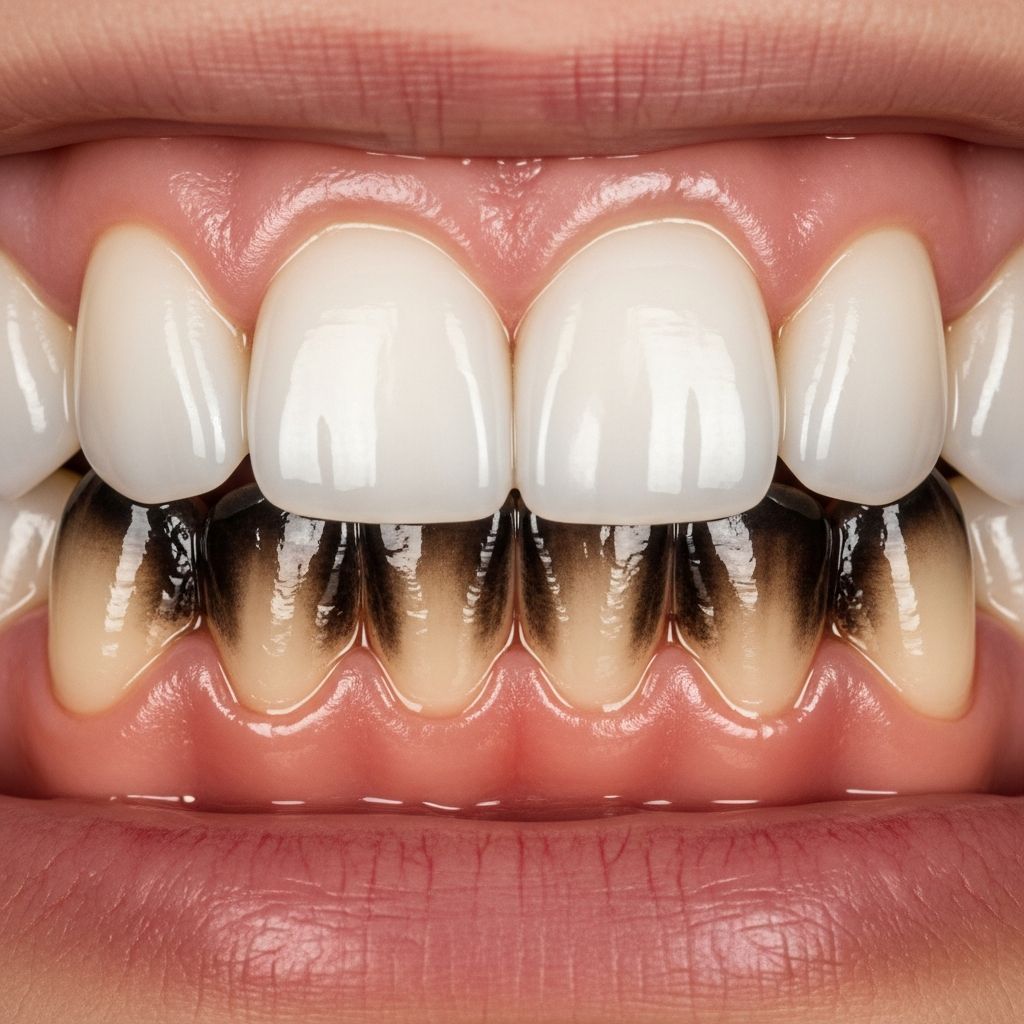
Black or darkened gums can be alarming, but they often stem from benign causes like natural pigmentation. However, they may also indicate underlying health issues requiring prompt dental attention. Understanding the reasons behind gum discoloration is crucial for maintaining oral health and overall well-being.
What Are Black Gums?
Healthy gums are typically pink, firm, and protect the teeth by anchoring them to the periodontal ligament. In individuals with darker skin tones, gums naturally appear pale pink to brown due to melanin production. Black gums deviate from this norm and can appear patchy or widespread, often signaling an issue like irritation, infection, or systemic disease. While some discoloration is harmless, sudden changes warrant a dental evaluation to rule out serious conditions.
Symptoms of Black Gums
Black gums may present alone or with accompanying symptoms depending on the cause. Common signs include:
- Patchy or uniform darkening of gums, lips, or inner cheeks
- Bleeding, soreness, or pain in affected areas
- Bad breath or metallic taste
- Fever, fatigue, or weight loss (in systemic cases)
- Ulcers or tissue death along the gumline
If discoloration is accompanied by pain or bleeding, seek immediate care, as it could indicate infection or necrosis.
Causes of Black Gums
Several factors contribute to black gums. These range from lifestyle choices to medical conditions. Here’s a breakdown:
1. Smoker’s Melanosis (Nicotine-Related)
Smoking or tobacco use stimulates melanocytes, leading to increased melanin production and brown-to-black gum pigmentation. This affects up to 22% of smokers and can extend to cheeks and lips. Quitting tobacco often reverses the discoloration over time.
2. Natural Melanin Pigmentation
People with higher natural melanin levels, especially those with darker skin, may have naturally darker gums. This is genetic and harmless unless a sudden change occurs.
3. Medication-Induced Discoloration
Certain drugs deposit pigments or cause trauma leading to black gums. Common culprits include:
- Antimalarials: Chloroquine, Quinine
- Antibiotics: Minocycline
- Antipsychotics: Chlorpromazine
- Chemotherapy: Cyclophosphamide, Bleomycin
- Antifungals: Ketoconazole
- Antiretrovirals: Zidovudine
Consult your doctor for alternatives if medications cause oral changes.
4. Infections (e.g., Trench Mouth)
Acute Necrotizing Ulcerative Gingivitis (ANUG), or trench mouth, is a bacterial infection causing gum tissue death and black-gray discoloration. Symptoms include ulcers, bleeding, fever, and foul breath. Poor hygiene and stress exacerbate it.
5. Systemic Diseases
Serious conditions can manifest as black gums:
- Addison’s Disease: Adrenal gland failure darkens mucous membranes, including gums, due to excess ACTH. Other signs: fatigue, low blood pressure, weight loss.
- Peutz-Jeghers Syndrome: Genetic disorder causing dark spots on gums, lips, and other areas; linked to intestinal polyps.
- Oral Melanotic Macules: Benign pigmented spots, but biopsy needed to rule out melanoma.
6. Other Causes
Trauma, heavy metal exposure (e.g., bismuth, mercury), or amalgam tattoos from dental fillings can also darken gums.
When to See a Dentist
Schedule a visit if you notice:
- Sudden or progressive darkening
- Pain, swelling, or bleeding
- Changes despite good hygiene
- Associated systemic symptoms
Related Stories



Dentists use visual exams, biopsies, or blood tests for diagnosis.
Diagnosis of Black Gums
Diagnosis involves:
- Medical and dental history review
- Intraoral exam with lighting
- Biopsy for suspicious lesions
- Blood tests for systemic issues (e.g., cortisol for Addison’s)
Differential diagnosis distinguishes benign pigmentation from pathology.
Treatments for Black Gums
Treatment targets the underlying cause. Options include:
Conservative Approaches
- Quit smoking for reversal
- Switch medications under medical supervision
- Antibiotics for infections like ANUG
Surgical and Cosmetic Treatments
| Treatment | Description | Best For |
|---|---|---|
| Gingivectomy/Gingivoplasty | Surgical removal of diseased tissue; reshaping gumline | Infections, necrosis |
| Gingival Graft | Tissue from palate replaces blackened areas | Localized defects |
| Chemical Peel | Phenol/alcohol burns pigmented layers | Superficial discoloration |
| Bur Abrasion | Diamond bur sands away pigment | Moderate pigmentation |
| Cryosurgery | Liquid nitrogen freezes and sloughs tissue | Precise lesion removal |
| Laser Therapy | Targeted ablation with minimal bleeding | Cosmetic correction |
For systemic diseases, treat the primary condition (e.g., hormone replacement for Addison’s).
Prevention of Gum Discoloration
Preventive strategies focus on hygiene and lifestyle:
- Brush twice daily with fluoride toothpaste
- Floss daily and use antimicrobial rinses
- Avoid tobacco and limit sugar
- Regular dental check-ups (every 6 months)
- Monitor medications for side effects
- Maintain overall health to avoid systemic issues
Post-treatment, replace toothbrushes to prevent reinfection.
Frequently Asked Questions (FAQs)
Are black gums always a sign of cancer?
No, most cases are benign, but persistent or changing spots require biopsy to exclude melanoma.
Can black gums be reversed?
Yes, if caused by smoking or medications, cessation often restores color. Surgical options address cosmetic concerns.
Is melanin-related black gums normal?
For those with dark skin, yes—it’s genetic and healthy unless symptomatic.
How long does treatment take?
Conservative treatments: weeks to months; surgical: immediate results with healing in 1-2 weeks.
Can diet cause black gums?
Indirectly, via poor hygiene leading to infection; no direct link.
Conclusion
Black gums merit attention but are often treatable. Early intervention ensures optimal outcomes. Consult professionals for personalized advice.
References
- Black Gums Problems: Causes And Treatments — Dr. Mark Shtern DDS. 2023-05-15. https://drmarkshtern.com/blog/black-gums-possible-oral-problems/
- Addison’s Disease — National Institute of Diabetes and Digestive and Kidney Diseases (NIDDK). 2023-10-27. https://www.niddk.nih.gov/health-information/endocrine-diseases/adrenalin-insufficiency-addisons-disease
- Smoker’s Melanosis — National Center for Biotechnology Information (NCBI). 2022-07-12. https://www.ncbi.nlm.nih.gov/books/NBK557782/
- Acute Necrotizing Ulcerative Gingivitis — Centers for Disease Control and Prevention (CDC). 2024-02-08. https://www.cdc.gov/oralhealth/infections/acute-necrotizing-ulcerative-gingivitis.html
- Peutz-Jeghers Syndrome — National Cancer Institute (NCI). 2023-11-20. https://www.cancer.gov/pediatric-adult-rare-tumor/rare-tumors/rare-digestive-system-tumors/peutz-jeghers-syndrome
Similar Articles








Read full bio of medha deb