Black Mold Symptoms: Risks, Treatment, And Prevention Guide
Recognize black mold symptoms, understand health risks, diagnosis, treatment, and prevention strategies for safer living.
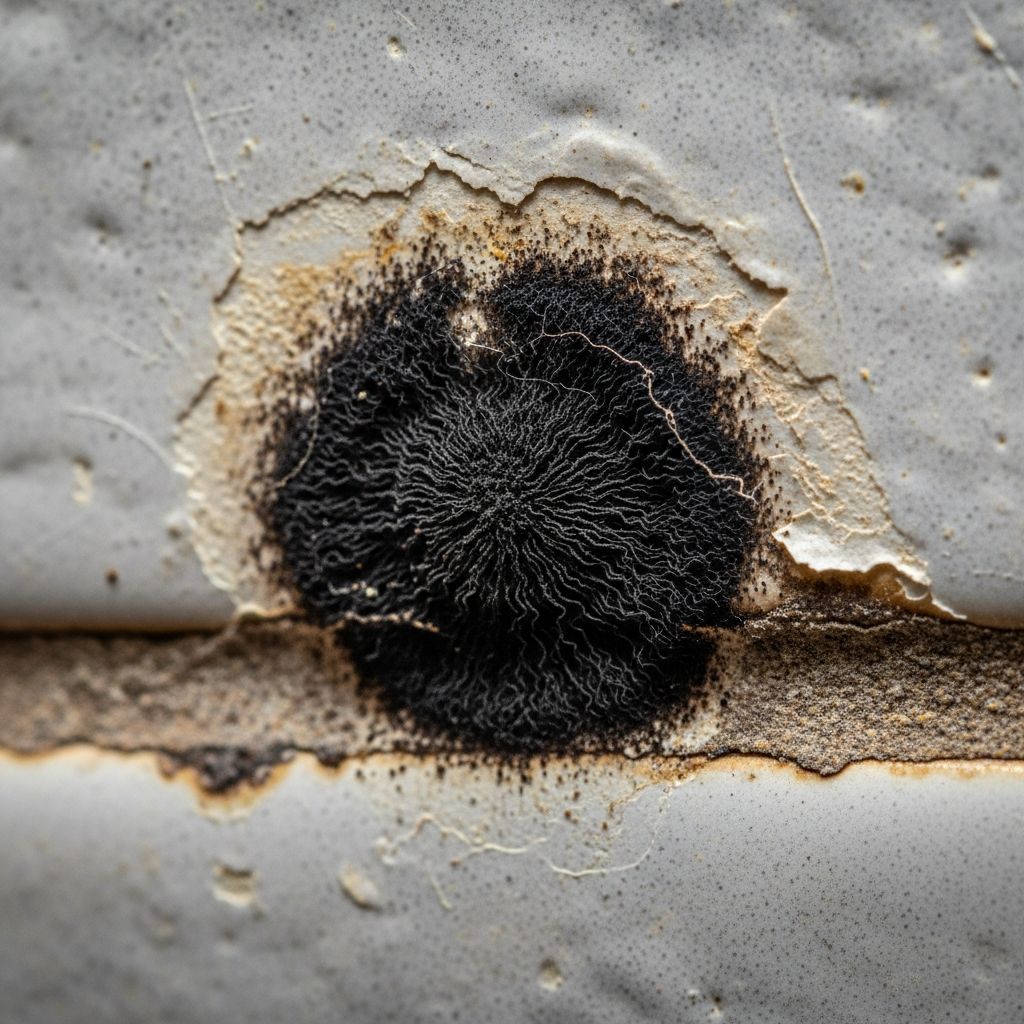
Black mold, often referring to Stachybotrys chartarum, thrives in damp, humid environments and releases spores that can trigger allergic reactions, irritation, or infections in susceptible individuals. While not uniquely toxic compared to other molds, exposure commonly causes respiratory symptoms, eye irritation, and skin issues, especially in those with allergies or weakened immunity.
What Is Black Mold?
Black mold is a type of fungus that appears dark green or black and grows on surfaces with prolonged moisture, such as walls, ceilings, or hidden areas like behind drywall or under carpets. It produces microscopic spores and microbial volatile organic compounds (mVOCs) that spread through the air, creating a musty odor. Unlike common misconceptions, black mold is not inherently more dangerous than other molds, but its spores can provoke immune responses leading to health symptoms.
Mold requires organic material, warmth, and moisture to grow. Common household spots include bathrooms, basements, attics, and areas affected by leaks or floods. The Centers for Disease Control and Prevention (CDC) notes that molds of any color can pose risks, emphasizing prompt removal upon detection.
Black Mold Symptoms
Symptoms from black mold exposure vary by individual sensitivity, exposure duration, and health status. Most people experience mild allergic or irritant effects, while others with asthma or compromised immunity face worsened or severe reactions.
Common Symptoms
- Respiratory issues: Sneezing, runny or stuffy nose, coughing, wheezing, sore throat, sinus congestion.
- Eye irritation: Watery, red, itchy, or burning eyes.
- Skin reactions: Rashes, itching, or hives.
- Other mild effects: Headache, fatigue, dry cough.
These symptoms mimic hay fever and onset quickly—within minutes—for allergic individuals due to histamine release from IgE antibodies binding to mast cells.
Symptoms in Sensitive Groups
People with mold allergies or asthma may experience intensified effects:
- Asthma exacerbation: Shortness of breath, chest tightness, persistent wheezing.
- Chronic sinusitis or post-nasal drip.
In rare cases, hypersensitivity pneumonitis causes ongoing cough, fatigue, and weight loss from repeated exposure.
Symptoms in Immunocompromised Individuals
Those with weakened immune systems (e.g., HIV, cancer patients, transplant recipients) risk fungal infections (mycosis) in lungs or sinuses. Symptoms include persistent fever, cough with blood, or breathing difficulties. The CDC highlights higher infection risks for those with chronic lung diseases.
Who Is at Risk for Black Mold Exposure?
Not everyone reacts to black mold; healthy individuals may notice only irritation from mVOCs. Higher-risk groups include:
- Allergy sufferers: Immune hypersensitivity triggers rapid symptoms.
- Asthmatics: Mold worsens attacks.
- Children and infants: Developing lungs are vulnerable, though no link to acute pulmonary hemorrhage exists.
- Elderly or immunocompromised: Prone to infections.
- Occupational exposure: Cleanup workers or those in damp buildings.
Related Stories



Prolonged exposure in heavy infestations can cause fatigue, irritability, concentration issues, or sleep problems, per UCLA Health experts.
Health Risks and Myths About Black Mold
Black mold’s reputation as “toxic” stems from mycotoxins—potentially harmful compounds some molds produce. However, evidence shows no greater danger than other molds, and mycotoxin inhalation is rare. Debunked myths include links to memory loss, nosebleeds, mood disorders, or infant hemorrhage; research finds no causal evidence.
| Risk Category | Supported by Evidence | Myths/Disproven |
|---|---|---|
| Allergies & Irritation | Yes: Respiratory, eye, skin symptoms. | |
| Asthma Worsening | Yes: Triggers attacks. | |
| Fungal Infections | Yes: In immunocompromised. | |
| Mycotoxicosis (Poisoning) | Rare/Unclear: Body aches, memory loss unproven. | Common severe claims exaggerated. |
| Infant Lung Bleeding | No evidence. | Widespread myth. |
How to Tell If You Have Black Mold Exposure
Diagnosis starts with symptoms and exposure history. No single test confirms “black mold allergy,” but providers use:
- Skin prick test: Lancets introduce mold allergens; reactions (wheals) appear in 15 minutes.
- Blood tests: Measure IgE antibodies to specific molds.
- Medical history: Links symptoms to damp environments.
Home testing kits exist but are unreliable; professional inspection via air sampling or surface swabs is recommended.
Treatment for Black Mold Exposure
No cure for mold allergies exists, but symptoms are manageable:
- Medications: Antihistamines (loratadine), nasal corticosteroids (fluticasone), decongestants, or montelukast for inflammation.
- Asthma control: Inhalers like albuterol.
- Severe cases: Oral steroids or immunotherapy.
- Infections: Antifungal drugs for immunocompromised patients.
Primary treatment: Remove mold source via professionals for infestations over 10 square feet.
Prevention and Cleanup
Prevent growth by controlling moisture:
- Fix leaks within 24-48 hours.
- Use exhaust fans, dehumidifiers (keep humidity <50%).
- Clean with detergent; HEPA vacuums for spores.
- Improve ventilation.
For cleanup: CDC advises small areas (<10 sq ft) DIY with gloves/respirator; larger require experts to avoid spreading spores.
Frequently Asked Questions (FAQs)
What are the first signs of black mold exposure?
Early signs include sneezing, nasal congestion, itchy eyes, coughing, or skin rashes, resembling allergies.
Is black mold more dangerous than other molds?
No, it’s not uniquely toxic; all molds can cause similar issues based on sensitivity.
Can black mold cause long-term health problems?
Rarely; allergies are chronic but manageable. Infections possible in vulnerable groups, but severe myths like brain fog lack evidence.
How do you test for black mold in your home?
Visual/smell inspection first; hire certified inspectors for air/surface tests. Avoid unverified kits.
Should you stay in a house with black mold?
No, seal off areas and remediate promptly to avoid health risks.
Does black mold cause nosebleeds or memory loss?
No scientific evidence supports these claims.
References
- Black Mold Exposure: Symptoms, Risks & Treatment — Cleveland Clinic. 2023-03-31. https://my.clevelandclinic.org/health/diseases/24862-black-mold
- Black mold exposure: Symptoms, treatment, and prevention — Medical News Today. N/A. https://www.medicalnewstoday.com/articles/323419
- Black mold should be eradicated by experts — UCLA Health. N/A. https://www.uclahealth.org/news/article/black-mold-should-be-eradicated-experts
- Mold — Centers for Disease Control and Prevention (CDC). N/A. https://www.cdc.gov/mold-health/about/index.html
- Mold — National Institute of Environmental Health Sciences (NIEHS). N/A. https://www.niehs.nih.gov/health/topics/agents/mold
Similar Articles








Read full bio of Sneha Tete