Black Stool: Causes, Concerns, and When to See a Doctor
Understanding black stools: causes, symptoms, diagnosis, and when medical attention is necessary.
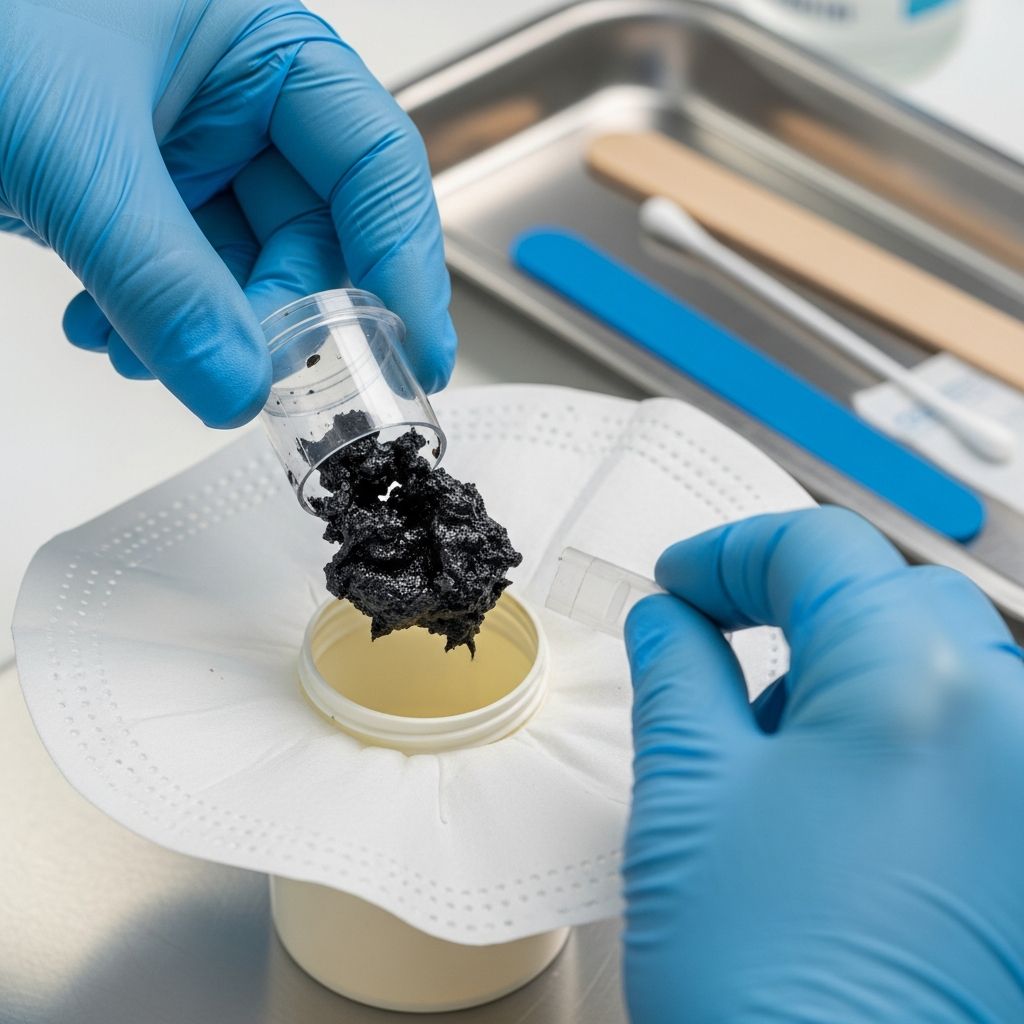
Understanding Black Stool: What Does It Mean?
Black or tarry stools with a foul smell can be alarming when you notice them in the toilet. The medical term for this condition is melena, and it typically indicates a problem in the upper digestive tract. Most commonly, black stools suggest that bleeding is occurring in the esophagus, stomach, or the first part of the small intestine. However, not all black stools are caused by serious medical conditions—some dietary choices and medications can produce similar coloring without indicating any health concern.
Understanding the difference between harmless causes and potentially serious ones is essential for knowing when to contact your healthcare provider. The color and consistency of your stool can provide valuable clues about your digestive health.
Harmless Causes of Black Stools
Before assuming you have a medical emergency, it’s worth considering whether you’ve recently consumed certain foods or medications that naturally turn stools black. Many everyday items can produce this alarming appearance:
- Black licorice: A popular candy that can significantly darken stool color
- Blueberries: These berries contain pigments that may cause dark stools
- Blood sausage: A processed meat product that can result in darker stool appearance
- Iron supplements: These are among the most common non-disease causes of black stools
- Activated charcoal: Often taken for digestive issues, this can turn stools black
- Bismuth-containing medications: Including popular antacids like Pepto-Bismol, which can cause temporary darkening of stool
In these cases, the black color is simply a result of the substances passing through your digestive system and does not indicate bleeding. Healthcare providers can distinguish between these harmless causes and actual blood in the stool by performing a simple chemical test on a stool sample.
Serious Causes of Black Stools: Upper GI Bleeding
When black stools are caused by actual bleeding rather than food or medication, the blood typically originates from the upper gastrointestinal tract. The stool appears black rather than red because the blood becomes digested as it travels through the digestive system, darkening significantly by the time it reaches the colon and exits the body.
Common Medical Conditions Causing Melena
Several serious health conditions can lead to upper gastrointestinal bleeding and black stools:
- Peptic ulcer disease: The most common cause of acute upper GI bleeding, affecting the stomach and duodenum lining
- Gastritis: Inflammation of the stomach lining that can cause bleeding
- Mallory-Weiss tear: A tear in the esophagus caused by violent vomiting or retching
- Abnormal blood vessels: Vascular malformations in the esophagus, stomach, or duodenum
- Esophageal varices: Widened, overgrown veins in the esophagus and stomach, commonly associated with liver cirrhosis
- Cancer: Malignant tumors of the esophagus, stomach, duodenum, or ampulla of Vater can cause bleeding
- Compromised blood supply: When blood supply is cut off to part of the intestines, bleeding can occur
- Trauma or foreign body: Accidental ingestion of foreign objects or internal injuries
These conditions require medical evaluation and treatment to prevent complications such as severe blood loss and anemia.
Black Stools Versus Other Types of GI Bleeding
The location of bleeding within the digestive tract determines the appearance of blood in your stool. Understanding these differences can help you communicate effectively with your healthcare provider:
| Stool Appearance | Likely Bleeding Location | Medical Term | Urgency Level |
|---|---|---|---|
| Black or tarry stools (melena) | Upper GI tract (esophagus, stomach, duodenum) | Upper GI bleeding | High |
| Red or fresh blood in stool | Lower GI tract (colon, rectum, anus) | Rectal bleeding | Moderate to High |
| Dark red or maroon stools | Right colon or small intestine | Hematochezia | Moderate |
Related Stories



This distinction is important because upper GI bleeding often indicates more urgent conditions requiring prompt medical attention.
Medications That Increase Bleeding Risk
Certain medications can increase your risk of gastrointestinal bleeding. If you’re taking any of these medications and notice black stools, inform your healthcare provider immediately:
- Blood thinners: Including warfarin and newer anticoagulants like Eliquis, Pradaxa, and Xarelto
- Anti-platelet medications: Such as aspirin and clopidogrel
- NSAIDs: Over-the-counter pain relievers like ibuprofen and naproxen, which can irritate the stomach lining
Do not stop taking prescribed medications without consulting your doctor, but do report any concerning symptoms immediately.
Associated Symptoms to Watch For
Black stools occurring alongside other symptoms may indicate a more serious condition. Pay attention to:
- Vomiting blood or material that looks like coffee grounds
- Severe abdominal pain or cramping
- Dizziness or lightheadedness
- Weakness or fatigue
- Rapid or irregular heartbeat
- Sudden weight loss
- Persistent diarrhea or constipation
- Bloating or excessive gas
- Fever
The presence of these symptoms alongside black stools warrants immediate medical attention.
When to Contact a Healthcare Provider
You should contact your healthcare provider right away if you experience any of the following:
- You notice blood or significant color changes in your stool
- You vomit blood
- You experience dizziness or lightheadedness
- You have multiple episodes of black stools
- Black stools persist for more than a few days
- You’re experiencing abdominal pain along with black stools
For children, a small amount of blood in the stool is often not serious and may be caused by constipation, but you should still inform your child’s healthcare provider about the issue.
Medical Evaluation and Diagnostic Tests
When you visit your healthcare provider about black stools, expect a thorough evaluation. Your provider will typically:
- Take a detailed medical history
- Perform a physical examination, with special attention to the abdomen
- Ask questions about diet, medications, and symptoms
- Inquire about recent trauma or accidental ingestion of foreign objects
- Review your medical history for relevant conditions
Diagnostic Tests for Black Stools
Depending on the clinical findings, your healthcare provider may order one or more of these tests:
- Stool analysis: Chemical testing to confirm the presence of blood
- Complete blood count (CBC): To check for anemia from blood loss
- Clotting studies: To assess bleeding disorders
- Esophagogastroduodenoscopy (EGD): A camera scope to visualize the upper digestive tract
- Colonoscopy: To examine the lower intestines if lower GI bleeding is suspected
- Capsule endoscopy: A swallowable camera that records video of the small intestine
- CT or MRI angiography: Imaging tests to visualize blood vessels and detect bleeding sources
- Angiography: A specialized imaging technique for detecting bleeding vessels
- Nuclear medicine bleeding scan: A test that uses radioactive tracers to locate bleeding
- Helicobacter pylori testing: To detect bacterial infection associated with ulcers
- Stool culture or PCR testing: To identify infectious causes of bleeding
These tests help your provider identify the exact cause of your black stools and determine the appropriate treatment plan.
Treatment and Management
Treatment for black stools depends entirely on the underlying cause. If the black color is due to dietary choices or harmless medications, no treatment is necessary—the stools will return to normal once you stop consuming the offending substance. However, when bleeding is the cause, treatment options may include:
- Medications to reduce stomach acid (for ulcers)
- Antibiotics (if Helicobacter pylori infection is present)
- Endoscopic procedures to stop active bleeding
- Blood transfusions (in cases of severe bleeding)
- Surgical intervention (in rare cases)
- Hospitalization for monitoring and treatment of severe bleeding
Frequently Asked Questions
Q: Are black stools always a sign of serious bleeding?
A: No. Black stools can result from harmless causes like iron supplements, blueberries, black licorice, or bismuth-containing medications. However, you should always report black stools to your healthcare provider to rule out upper GI bleeding.
Q: How long should I wait before seeing a doctor about black stools?
A: If you have black stools accompanied by dizziness, lightheadedness, vomiting blood, or severe abdominal pain, seek medical attention immediately. Otherwise, contact your healthcare provider within 24 hours.
Q: Can peptic ulcers cause black stools?
A: Yes. Peptic ulcer disease is the most common cause of acute upper GI bleeding, which manifests as black or tarry stools.
Q: What should I do if I’m taking blood thinners and notice black stools?
A: Contact your healthcare provider or seek emergency care immediately. Do not stop taking your medication without medical guidance, but report the symptom urgently.
Q: Is black stool in children always serious?
A: In children, a small amount of blood in the stool is often caused by constipation and may not be serious. However, you should still inform your child’s healthcare provider about the issue.
Q: How do doctors distinguish between black stools from food and black stools from bleeding?
A: Healthcare providers use a chemical test on the stool sample to confirm the presence of blood, distinguishing actual bleeding from harmless causes.
References
- Black or Tarry Stools — MedlinePlus Medical Encyclopedia, National Library of Medicine. Updated 2024-06-11. https://medlineplus.gov/ency/article/003130.htm
Similar Articles








Read full bio of medha deb