Benefits Of Blackberries: 10 Nutrient-Rich Health Boosters
Discover the impressive health benefits of blackberries, from boosting immunity to supporting heart health and fighting inflammation.
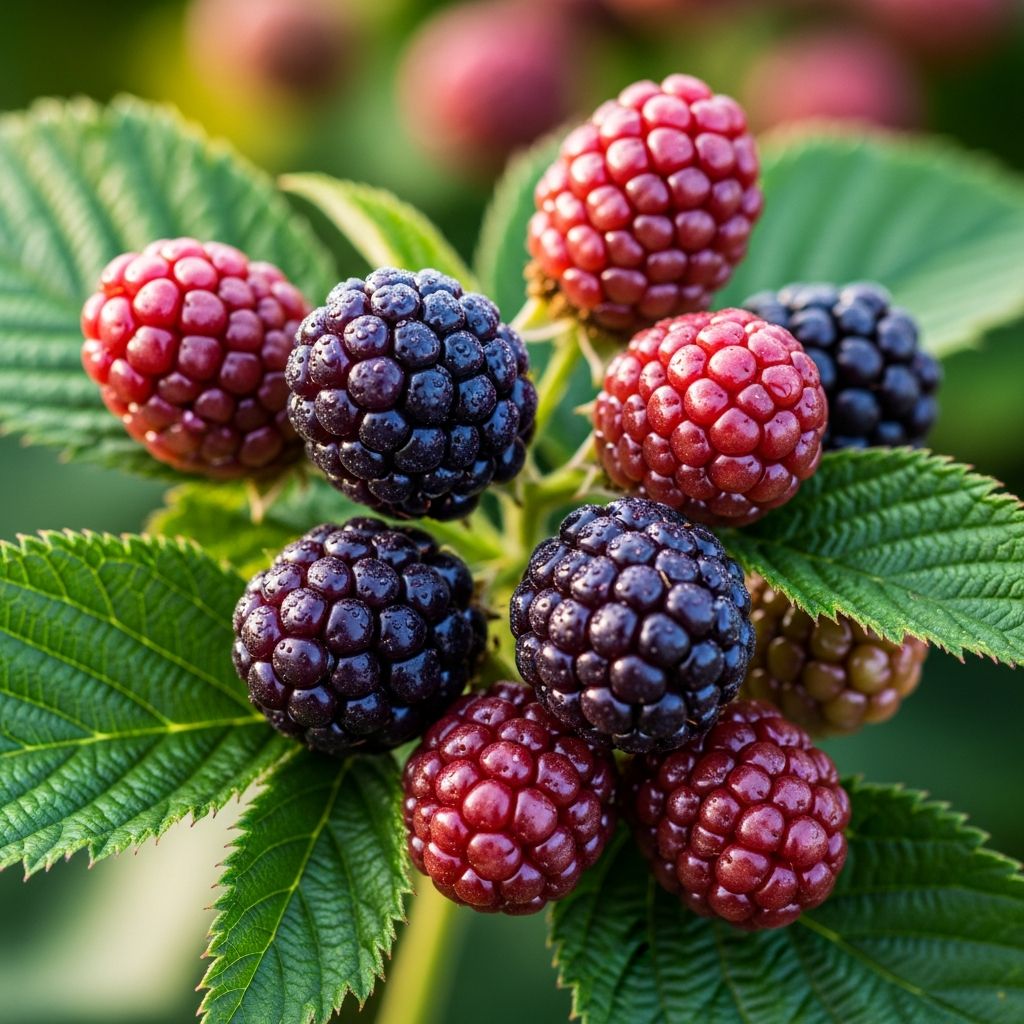
Blackberries are delicious, versatile berries that pack a powerful nutritional punch. These deep purple gems are low in calories yet rich in essential vitamins, minerals, fiber, and antioxidants, making them a true superfood. Regularly incorporating blackberries into your diet can support heart health, boost brain function, aid digestion, and provide protection against chronic diseases like cancer and diabetes.
Nutrition Facts of Blackberries
One cup (144 grams) of raw blackberries delivers an impressive array of nutrients while remaining low in calories, carbs, and fat. Key nutritional highlights include:
- **Calories**: Approximately 62 calories, making them ideal for weight management.
- **Fiber**: 7.6 grams (27% of Daily Value or DV), promoting digestive health and satiety.
- **Vitamin C**: 30.2 mg (33% DV), crucial for immune support, collagen production, and antioxidant defense.
- **Vitamin K**: Supports blood clotting and bone health.
- **Manganese**: 0.9 mg (39% DV), aiding blood sugar control and bone formation.
- **Potassium**: Helps regulate blood pressure and cardiovascular function.
- **Other nutrients**: Folate, B vitamins, magnesium, calcium, iron, and essential fatty acids like omega-3 and omega-6.
Blackberries’ low glycemic index prevents blood sugar spikes, benefiting those with diabetes or insulin resistance. Their high water content (about 88%) adds hydration benefits without extra calories.
Health Benefits of Blackberries
1. Packed With Vitamin C
Vitamin C is a powerhouse antioxidant in blackberries, with one cup providing over 30% of the daily requirement. This water-soluble vitamin is essential for collagen synthesis, which strengthens bones, blood vessels, and skin. It accelerates wound healing, reduces free radical damage from toxins, enhances iron absorption, and bolsters immune function to prevent illnesses like scurvy. Studies link higher vitamin C intake to lower risks of cardiovascular disease and environmental-related illnesses.
2. Excellent Source of Manganese
Manganese supports bone health by aiding osteoporosis prevention, helps regulate blood sugar, and may reduce epileptic seizures. One cup of blackberries offers nearly 40% of the DV. While excess manganese can be toxic in supplements, dietary sources like blackberries are safe unless you have liver issues. This mineral also activates enzymes for metabolism and antioxidant defenses.
3. May Boost Brain Health
Blackberries’ anthocyanins and other antioxidants combat oxidative stress and inflammation in the brain, potentially delaying age-related cognitive decline. A review in the Journal of Agricultural and Food Chemistry found berry fruits improve neuron communication, reduce inflammation, and enhance motor function. Animal studies in Nutritional Neuroscience and European Journal of Nutrition confirm wild blackberries protect brainpower, suggesting human benefits for memory and cognition.
4. May Protect Against Cancer
No single food prevents cancer, but blackberries’ polyphenols—like anthocyanins, flavonols, and ellagitannins—inhibit cancer cell growth, alter gene expression, and block enzymes promoting tumors. Research highlights their antioxidant capacity against oxidative stress linked to malignancies. Diets rich in these compounds, including vitamin C and carotenoids, correlate with reduced cancer incidence.
5. May Benefit Heart Health
Anthocyanins in blackberries prevent blood clotting, relax blood vessels for better flow, and protect artery linings from high blood pressure and blockages. Vitamin C and potassium further support cardiovascular function. Population studies associate berry consumption with lower heart disease risk.
6. Provide Anti-Inflammatory Effects
Related Stories



Blackberries reduce inflammation markers, offering relief for conditions like arthritis and gastric ulcers (up to 88% reduction in one study). Their phenolics normalize inflammatory levels, protecting against chronic diseases.
7. Promote Digestive Health
High soluble and insoluble fiber feeds gut bacteria, prevents constipation, diverticulosis, and colon cancer while maintaining healthy weight. Polyphenols fuel beneficial microbes, enhancing immune function and gut barrier integrity.
8. Help Control Blood Sugar
Low sugar, high fiber, and polyphenols slow glucose digestion, stabilizing blood sugar and insulin response. This makes blackberries suitable for diabetes management, with studies showing favorable effects on type 2 diabetes.
9. Support Oral Health
Antibacterial, anti-inflammatory, and antiviral properties combat tooth infections and gum disease, per a Journal of Periodontal Research study.
10. Other Benefits
Blackberries aid wound healing (zinc, vitamin C), eye health (carotenoids prevent macular degeneration), and may treat cold sores topically due to antiviral effects.
How to Add Blackberries to Your Diet
Blackberries are versatile and seasonal (summer staple), but frozen varieties retain nutrients. An 80g serving (about 10 berries) counts as one of your five-a-day. Ideas include:
- Fresh in salads, yogurt, or oatmeal.
- Blended into smoothies or juices.
- Baked into muffins, pies, or cobblers (use minimal sugar).
- Topping for ice cream, pancakes, or grilled meats.
- Frozen for snacks or in sauces.
Wash thoroughly to remove pesticides. Wild blackberries offer even higher polyphenols.
Potential Downsides and Precautions
Blackberries are safe for most, but those with oral allergy syndrome may experience itching from berry proteins (cooking neutralizes). High fiber can cause digestive upset if overconsumed suddenly—increase gradually. Seeds may irritate diverticulitis. Oxalates pose kidney stone risk in susceptible individuals (moderate intake). Always consult a doctor for allergies or conditions.
Blackberries vs. Other Berries
| Nutrient (per 100g) | Blackberries | Blueberries | Raspberries |
|---|---|---|---|
| Fiber (g) | 5.3 | 2.4 | 6.5 |
| Vitamin C (mg) | 21 | 9.7 | 26.2 |
| Antioxidants | High anthocyanins | High | Moderate |
| Calories | 43 | 57 | 52 |
Blackberries excel in fiber and manganese, comparable antioxidants to blueberries.
Frequently Asked Questions (FAQs)
Are blackberries good for you?
Yes, blackberries are nutrient-dense, low-calorie superfoods rich in antioxidants, vitamins, and fiber supporting overall health.
Can you eat blackberries every day?
Absolutely, 1 cup daily provides benefits without risks for most people.
Are blackberries better than blueberries?
Both are excellent; blackberries have more fiber, blueberries more common antioxidants—variety is best.
Do blackberries help with weight loss?
Their fiber promotes fullness, low calories aid calorie control.
Are frozen blackberries as healthy as fresh?
Yes, freezing preserves most nutrients.
References
- 6 Benefits of Blackberries for Health and Nutrition — Healthline. 2023-06-15. https://www.healthline.com/health/benefits-of-blackberries
- Top 10 health benefits of blackberries — BBC Good Food. 2024-01-10. https://www.bbcgoodfood.com/health/nutrition/health-benefits-blackberries
- Health Benefits of Blackberries — Advanced Health (PDF). 2021-07-01. https://advancedhealth.com/wp-content/uploads/2021/07/46-Jul-Blackberry-handout.pdf
- Blackberries and Mulberries: Berries with Significant Health Benefits — PMC (NCBI). 2023-08-15. https://pmc.ncbi.nlm.nih.gov/articles/PMC10418693/
- Blackberry Fruit: Nutrition Facts and Health Benefits — Virginia Tech (PDF). 2019-05-20. https://www.pubs.ext.vt.edu/content/dam/pubs_ext_vt_edu/spes/spes-366/SPES-366P.pdf
Similar Articles








Read full bio of Sneha Tete