Blackheads: 5 Effective Treatments For Clearer Skin
Discover what blackheads are, their causes, effective treatments, prevention strategies, and when to seek professional help for clear skin.
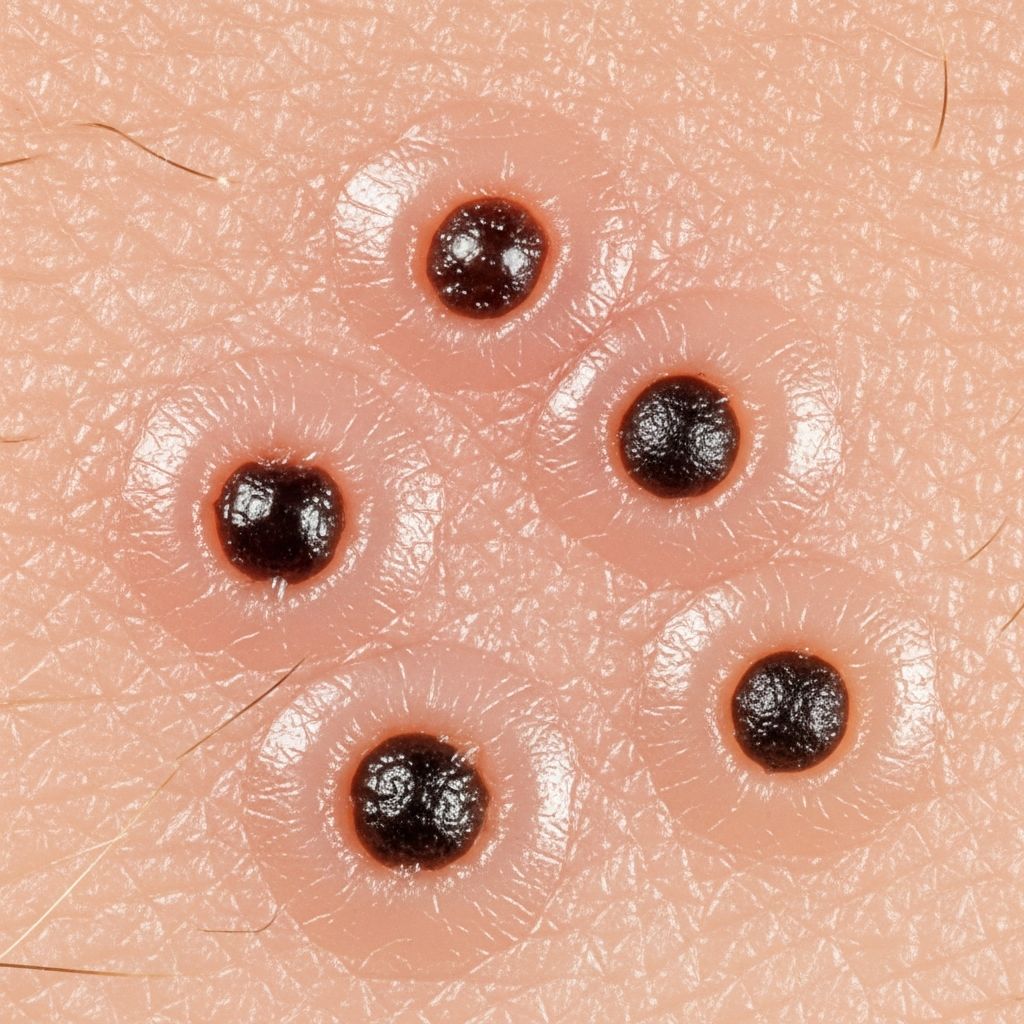
Blackheads are one of the most common skin concerns, affecting people of all ages and skin types. These small, dark bumps appear when pores become clogged with excess oil, dead skin cells, and debris, oxidizing upon exposure to air. Unlike popular myths, blackheads are not caused by dirt or poor hygiene but by internal and external factors disrupting skin balance. Understanding their formation, triggers, and management is key to achieving clearer skin.
What Are Blackheads?
Blackheads, medically known as
open comedones
, form when a pore clogs with sebum (natural skin oil) and dead skin cells. If the pore remains open, the trapped material oxidizes in contact with air, turning dark—similar to how a cut apple browns. This oxidation, not trapped dirt, gives blackheads their characteristic black appearance.In contrast,
closed comedones
or whiteheads occur when the pore seals over, trapping the material beneath a thin skin layer without air exposure. Both are mild acne forms and building blocks for more severe breakouts if untreated. Blackheads commonly appear on the face (nose, forehead, chin), back, shoulders, and chest where oil glands are active.Symptoms of Blackheads
Blackheads present as tiny, dark spots or bumps on the skin’s surface. They feel rough or gritty to the touch and may cluster in oily areas (T-zone: forehead, nose, chin). Unlike inflamed pimples, they lack redness, pain, or pus unless infected. Over time, untreated blackheads can enlarge pores, create bumpy texture, or evolve into inflammatory acne.
- **Appearance**: Small black or grayish dots, often uniform in size.
- **Texture**: Non-inflamed, slightly raised; skin around may appear shiny from oil.
- **Locations**: Face (especially nose), back, chest; less common on arms or legs.
- **Associated signs**: Enlarged pores, dull complexion if widespread.
Causes of Blackheads
Several factors contribute to blackhead formation by increasing oil production, slowing cell turnover, or introducing pore-clogging substances.
- Hormonal changes: Fluctuations during puberty, menstruation, pregnancy, or menopause boost sebum via hormones like dihydrotestosterone (DHT).
- Excess sebum and dead skin: Oily skin types produce more sebum; slowed exfoliation traps cells in pores.
- Genetics and skin type: Inherited oily skin or large pores predisposes individuals.
- Environmental factors: Pollution, humidity, sun damage irritate skin, prompting oil overproduction.
- Lifestyle and diet: High dairy/sugar intake, stress, smoking may exacerbate via hormones or inflammation.
- Comedogenic products: Heavy cosmetics, sunscreens, or hair products clog pores.
Back blackheads often stem from sweat, tight clothing, or hard-to-reach hygiene, trapping bacteria like Propionibacterium acnes.
Types of Blackheads
While all blackheads are open comedones, they vary by location and severity:
- Facial blackheads: Most common on nose (“strawberry nose”), forehead, chin.
- Body blackheads: On back (bacne), chest, shoulders from sweat and friction.
- Macrocomedones: Larger, more stubborn blackheads requiring professional extraction.
Risk Factors
Certain groups face higher risks:
- Teenagers and young adults due to hormonal peaks.
- People with oily or combination skin.
- Athletes or those in humid climates (sweat + oil).
- Users of pore-clogging makeup or occlusive moisturizers.
Diagnosis
Blackheads are visually diagnosed by dermatologists—no tests needed. They distinguish them from similar conditions like sebaceous filaments (natural pore fillers) or milia (keratin cysts). If widespread or persistent, a skin exam rules out hormonal acne or folliculitis.
Related Stories



Treatment Options for Blackheads
Treatment focuses on unclogging pores, reducing oil, and exfoliating. Act early to prevent progression to pimples.
Home Remedies and Over-the-Counter Treatments
- Cleansing: Wash twice daily with gentle, non-comedogenic cleansers containing
salicylic acid
(BHA) to penetrate pores. - Exfoliation: Use chemical exfoliants like AHAs (glycolic, mandelic) or multi-acid serums weekly. Avoid physical scrubs to prevent irritation.
- Clay masks: Absorb oil; use 1-2 times weekly.
- Tea tree oil: Antimicrobial; dilute and spot-treat (early research supports bacteria reduction).
- Non-comedogenic products: Oil-free moisturizers, makeup labeled “non-comedogenic”.
Avoid squeezing: It stretches pores, spreads bacteria, risks scarring.
Medical Treatments
For stubborn cases, see a dermatologist.
| Treatment | How It Works | Best For |
|---|---|---|
| Topical Retinoids (Tretinoin, Tazarotene) | Increase cell turnover, unclog pores | Mild-moderate blackheads; OTC/prescription |
| Salicylic Acid (Higher Strength) | Exfoliates inside pores | Oily skin, body blackheads |
| Antibiotics (Topical/Oral) | Kill bacteria if infected | Infected or inflammatory cases |
| Chemical Peels/Microdermabrasion | Remove top layer, unclog deeply | Persistent, body areas |
| Extractions | Manual removal by pro | Macrocomedones |
Infected blackheads (red, pus-filled) may need antibiotics; cysts require drainage.
Prevention Tips
Consistent habits minimize recurrence.
- Cleanse twice daily; shower post-exercise.
- Use non-comedogenic, oil-free products.
- Exfoliate 2-3x/week; moisturize lightly.
- Wear breathable clothing; change sheets weekly.
- Avoid smoking; limit dairy/sugar.
- Apply oil-free sunscreen daily.
When to See a Doctor
Consult if home treatments fail after 6-8 weeks, blackheads scar, inflame, or cover large areas. Dermatologists offer tailored plans.
Frequently Asked Questions (FAQs)
What causes blackheads on the nose?
Nose blackheads stem from large pores and high oil in the T-zone, trapping debris.
Can blackheads go away on their own?
Mild ones may resolve, but consistent care prevents persistence.
Are blackheads a sign of poor hygiene?
No; they’re due to oil and cells, not dirt.
How long do treatments take?
4-6 weeks for improvement; consistency key.
Do pore strips work?
Temporarily remove surface blackheads but don’t address causes; use sparingly.
References
- What Are Blackheads & How Do You Treat Them? — Neutrogena. 2023. https://www.neutrogena.com/the-bar/what-are-blackheads-how-to-treat-them
- Ask Dr. Pimple Popper: How To Treat Blackheads — Women’s Health Magazine. 2018-05-01. https://www.womenshealthmag.com/beauty/a19996012/dr-pimple-popper-blackheads-treatment/
- Blackheads on Back: Remedies, Treatment, Prevention, and Causes — Healthline. 2023. https://www.healthline.com/health/blackheads-on-back
- How to prevent blackheads: Remedies and tips — Medical News Today. 2023-10-10. https://www.medicalnewstoday.com/articles/how-to-prevent-blackheads
Similar Articles








Read full bio of Sneha Tete