Blackheads: Types, Causes, Treatment & Prevention
Complete guide to understanding blackheads, their causes, effective treatments, and prevention strategies.
Understanding Blackheads: What They Are and How They Form
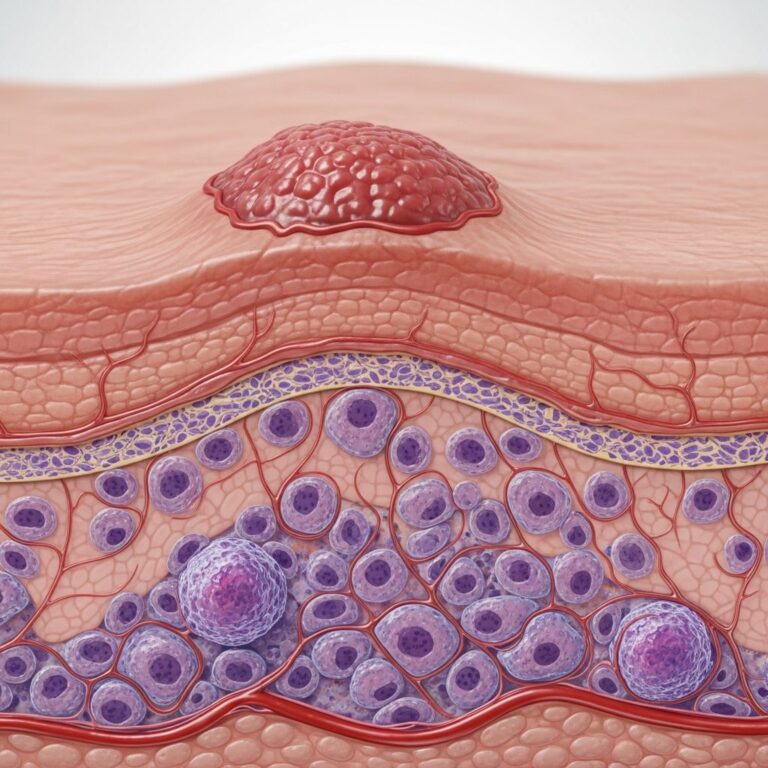
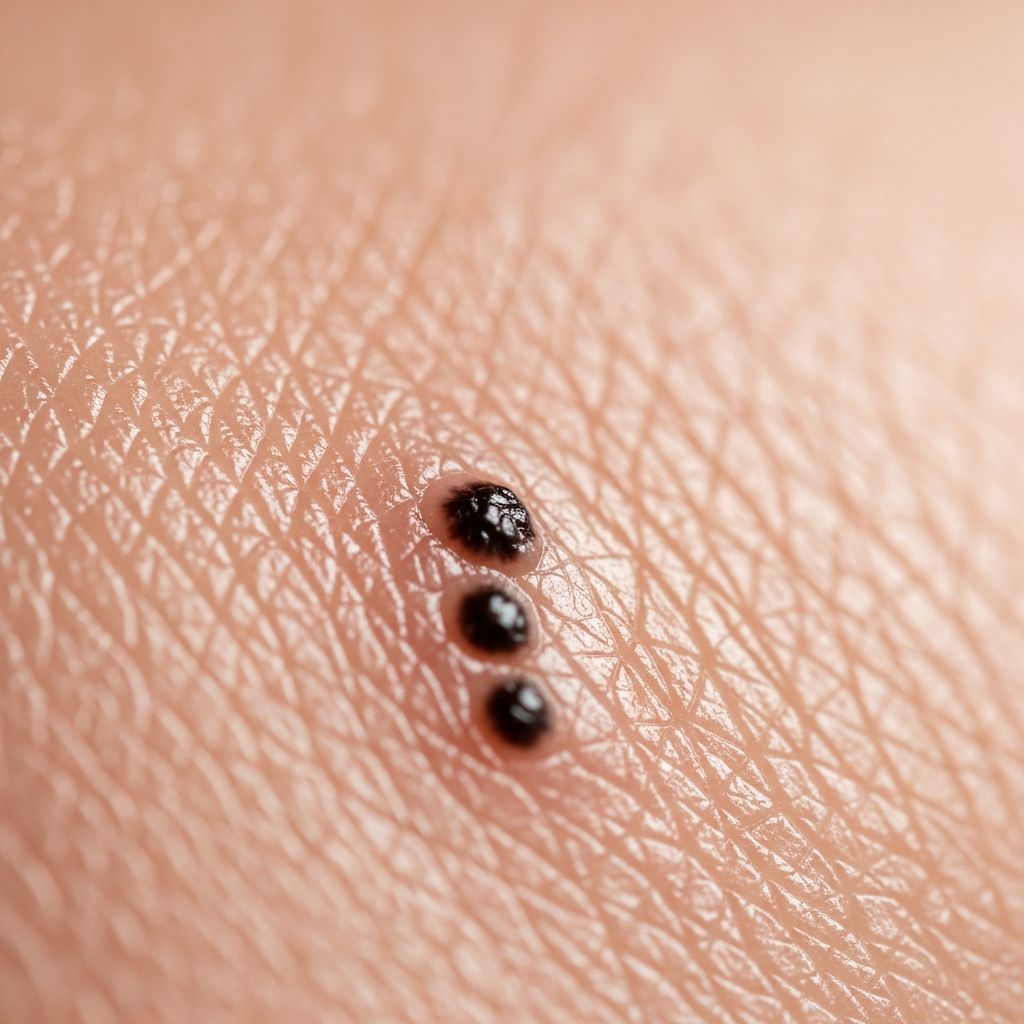
Blackheads are a type of acne known as acne vulgaris. They represent open bumps on the skin that fill with excess oil and dead skin cells. Unlike their appearance might suggest, the dark color is not caused by dirt trapped in the pore. Instead, an irregular light reflection off the clogged follicle creates the dark spots that characterize blackheads. Understanding the nature of blackheads is essential for effective treatment and prevention.
Sebaceous glands are located throughout your body and most of them connect directly to hair follicles. When these structures become problematic, they develop into what dermatologists call comedones. Blackheads are classified as open comedones because the pore remains open, allowing the oxidized oil and dead skin to be visible from the surface. In contrast, whiteheads are closed comedones where the pore is completely blocked.
The Science Behind Blackhead Formation
Comedones occur when a hair follicle or sebaceous gland becomes inflamed. This inflammation can result from several contributing factors that work individually or in combination. The primary causes include:
Excess oil production from sebaceous glands is the most common initiator of blackhead formation. When your skin produces too much sebum, it can accumulate within the pore. Combined with dead skin cells that naturally shed from the skin’s surface, this excess oil creates the perfect environment for blackheads to develop. Bacteria present on the skin can further complicate the situation by colonizing these clogged pores.
Hormonal changes play a significant role in blackhead development, particularly during puberty, menstruation, and other hormonal fluctuations. Genetics also influence your susceptibility to blackheads, as inherited traits determine your skin type and sebaceous gland activity. Additionally, stress, certain lifestyle choices, and inappropriate beauty products can all contribute to the formation and persistence of blackheads.
Distinguishing Blackheads from Other Skin Conditions
It’s important to understand that blackheads are not contagious. You cannot spread blackheads to another person through skin-to-skin contact, making them a personal skin concern rather than a communicable condition. However, blackheads can sometimes be confused with sebaceous filaments, which are normal structures that help move oil from your sebaceous glands to the skin’s surface.
Blackheads are easy to recognize visually, so you typically don’t need a healthcare professional to diagnose them. However, if you have blackheads along with other severe forms of acne or if your condition is not improving with home treatments, it’s advisable to consult a dermatologist. Dermatologists are doctors who specialize in conditions affecting your skin, hair, and nails.
Can Blackheads Go Away on Their Own?
Blackheads can sometimes resolve without treatment, but the likelihood depends on how deeply embedded they are in your skin. If a blackhead is close to the surface, it’s more likely to disappear on its own over time as your skin naturally sheds dead cells and oil production normalizes. However, some blackheads become deeply embedded in the skin, making them resistant to self-resolution.
Related Stories



Deep, embedded blackheads are significantly less likely to go away without intervention. If you struggle with persistent embedded blackheads, professional removal by a dermatologist or medical aesthetician is often the most effective solution. These professionals have specialized tools and expertise to safely extract stubborn blackheads.
Treatment Options for Blackheads
Over-the-Counter Treatments
Several effective over-the-counter products can help manage blackheads when used consistently as part of your skincare routine:
Salicylic Acid: One of the most recommended ingredients for blackhead treatment, salicylic acid is a beta-hydroxy acid that dissolves the top layer of skin by breaking down dead skin cells. This ingredient helps unclog pores and prevent new blackheads from forming. Products containing salicylic acid are widely available in cleansers, toners, and spot treatments.
Alpha-Hydroxy Acids: These water-soluble acids, including lactic acid, citric acid, and glycolic acid, work by exfoliating the skin’s surface. When using alpha-hydroxy acid cleansers, start with products containing 10 to 15 percent concentration of these ingredients. They help remove dead skin cells and prevent pore clogging.
Retinoids: Topical retinoids help break up existing blackheads and prevent dead skin cells from accumulating inside pores. Over-the-counter retinol products are available, though prescription-strength retinoids are more powerful for severe cases.
Exfoliating Products: Regular exfoliation, performed a few times per week, helps whisk away dead skin cells that contribute to blackhead formation. Chemical exfoliators using ingredients like lactic acid are generally preferable to physical exfoliants, as they’re gentler on skin. However, avoid over-exfoliation, as excessive exfoliation can dry out your skin and trigger increased oil production.
Professional In-Office Treatments
If over-the-counter treatments aren’t providing satisfactory results, dermatologists offer several professional procedures to address stubborn blackheads:
Chemical Peels: These treatments involve applying a chemical solution to dissolve the top layers of skin, removing dead cells and unclogging pores. Multiple sessions may be needed for optimal results.
Microdermabrasion: This mechanical exfoliation technique uses tiny crystals or a diamond-tipped wand to physically remove the outer layer of skin, promoting cell turnover and reducing blackheads.
Professional Extraction: Dermatologists and medical aestheticians use specialized tools called blackhead or comedo extractors—small instruments with rigid metal loops on the ends—to safely remove blackheads. These professionals apply even pressure to extract the entire blackhead while minimizing the risk of scarring and recurrence.
Prescription Treatments
For severe or persistent blackheads, dermatologists may recommend prescription-strength options:
Prescription Retinoids: Stronger versions of retinoids, including tretinoin and isotretinoin, are available by prescription. While some retinoids are gentle, others are extremely powerful and reserved for severe acne cases.
Topical or Oral Antibiotics: Certain antibiotics can address blackheads by reducing bacterial colonization in clogged pores. These may be applied topically or taken orally, depending on the medication and severity of the condition.
Hormonal Treatments: If blackheads are hormone-driven, particularly in adult women, dermatologists may prescribe oral contraceptives or medications like spironolactone to regulate hormonal fluctuations that trigger excess oil production.
What Not to Do: Avoiding Common Blackhead Removal Mistakes
Despite the temptation, squeezing, picking, or popping blackheads at home can create several serious problems. When you manually extract blackheads without proper technique and sterile tools, you risk:
Infection: Your fingernails and tools may introduce bacteria into the pore, leading to infected lesions that are more difficult to treat.
Scarring: Improper extraction can cause permanent scarring and pitting of the skin.
Increased Inflammation: Manual picking inflames the surrounding skin tissue, potentially worsening the appearance of the area and triggering additional blackheads.
Permanent Skin Damage: Aggressive squeezing can permanently damage the pore structure, making future blackhead formation more likely in that area.
Never attempt blackhead removal at home using your fingers or non-sterile tools. Instead, rely on dermatologist-recommended products or professional extraction services for safe and effective blackhead removal.
Choosing the Right Products for Your Skin
Selecting appropriate skincare products is crucial for preventing and managing blackheads. Consider the following guidelines:
Use gentle cleansers that effectively remove excess oil and dirt without over-stripping your skin. Harsh cleansers can trigger your skin to produce even more oil, paradoxically worsening blackhead formation. Look for products specifically formulated for acne-prone or oily skin types.
Incorporate products with proven blackhead-fighting ingredients such as salicylic acid, alpha-hydroxy acids, or retinoids. Start with lower concentrations if you have sensitive skin and gradually increase as tolerated. Pore strips and face masks can be used occasionally for supplementary treatment but shouldn’t replace a comprehensive skincare routine.
Avoid comedogenic products—those with ingredients that clog pores. Check product labels and patch test new formulations before applying them to your entire face.
Prevention Strategies for Long-Term Blackhead Management
Preventing blackheads is more efficient than constantly treating them. Implement these preventive measures:
Maintain a Consistent Skincare Routine: Wash your face twice daily with a gentle cleanser and use appropriate toners and moisturizers for your skin type. Consistency is key to preventing pore clogging.
Address Excess Oil Production: Use oil-controlling products and absorbent sheets throughout the day to manage excess sebum without over-drying your skin.
Promote Cell Turnover: Incorporate gentle chemical exfoliation into your routine to help shed dead skin cells regularly.
Manage Hormonal Factors: If hormonal blackheads are a concern, discuss hormonal management options with your healthcare provider.
Lifestyle Modifications: Reduce stress through regular exercise and adequate sleep, manage your diet by limiting high-glycemic foods, and remove makeup before bed to prevent pore clogging.
When to See a Dermatologist
While blackheads are a common skin concern that often responds to home treatment, certain situations warrant professional evaluation. Schedule an appointment with a dermatologist if:
– Your blackheads persist despite consistent use of over-the-counter treatments
– You have blackheads accompanied by other severe forms of acne
– You experience signs of infection, such as increased redness, warmth, or pus
– You’re concerned about scarring or permanent skin damage
– You want professional extraction of deeply embedded blackheads
– You’re considering prescription treatments or hormonal therapy
Frequently Asked Questions
Q: Are blackheads caused by poor hygiene?
A: No, blackheads aren’t caused by dirty skin. They result from the natural process of pores filling with excess oil and dead skin cells. However, proper skincare helps manage blackheads effectively.
Q: Can blackheads be permanently eliminated?
A: While you can treat existing blackheads, permanent elimination requires ongoing prevention since new blackheads can form throughout your life due to normal sebaceous gland function and skin cell turnover.
Q: How long does it take to see results from blackhead treatments?
A: Over-the-counter treatments typically show improvement within 4-6 weeks of consistent use. Professional treatments may show more immediate results, though multiple sessions are often recommended.
Q: Are pore strips effective for blackhead removal?
A: Pore strips can remove some surface blackheads temporarily, but they don’t address the root cause of blackhead formation. They should be used sparingly as a supplementary treatment, not as your primary blackhead management strategy.
Q: Can diet affect blackhead formation?
A: Yes, diets high in refined carbohydrates and dairy may exacerbate acne and blackheads in some individuals by influencing hormonal levels and sebaceous gland activity.
Q: Is it normal to have blackheads on your nose?
A: Yes, blackheads commonly appear on the nose, chin, and T-zone because these areas have the highest concentration of sebaceous glands and tend to produce more oil.
References
- Blackheads: What They Look Like, Treatment & Prevention — Cleveland Clinic. 2021-11-17. https://my.clevelandclinic.org/health/diseases/22038-blackheads
- Acne: Types, Causes, Treatment & Prevention — Cleveland Clinic. https://my.clevelandclinic.org/health/diseases/12233-acne
- Whiteheads vs. Blackheads: Causes, Treatments, and Tips — CeraVe. https://www.cerave.com/skin-smarts/skin-concerns/acne/whiteheads-vs-blackheads
- Sebaceous Filaments: Difference From Blackheads & Treatment — Cleveland Clinic. https://my.clevelandclinic.org/health/diseases/24571-sebaceous-filaments
- Adult Acne: Causes and Treatments — Cleveland Clinic Health. https://health.clevelandclinic.org/adult-acne-blackheads
- Tips to Properly Remove Blackheads — Cleveland Clinic. https://www.youtube.com/watch?v=rFoJaIukx6s
Similar Articles








Read full bio of medha deb