Bladder: Anatomy, Function, Location & Conditions
Understanding your bladder: anatomy, function, and common health conditions explained.
Understanding Your Bladder: Anatomy, Function, and Health
Your bladder is a vital organ that plays a crucial role in your body’s waste management system. It stores urine produced by your kidneys and allows your body to eliminate waste efficiently. Understanding your bladder’s anatomy, function, and potential health conditions can help you maintain better urinary health and recognize when something might be wrong.
What Is the Bladder?
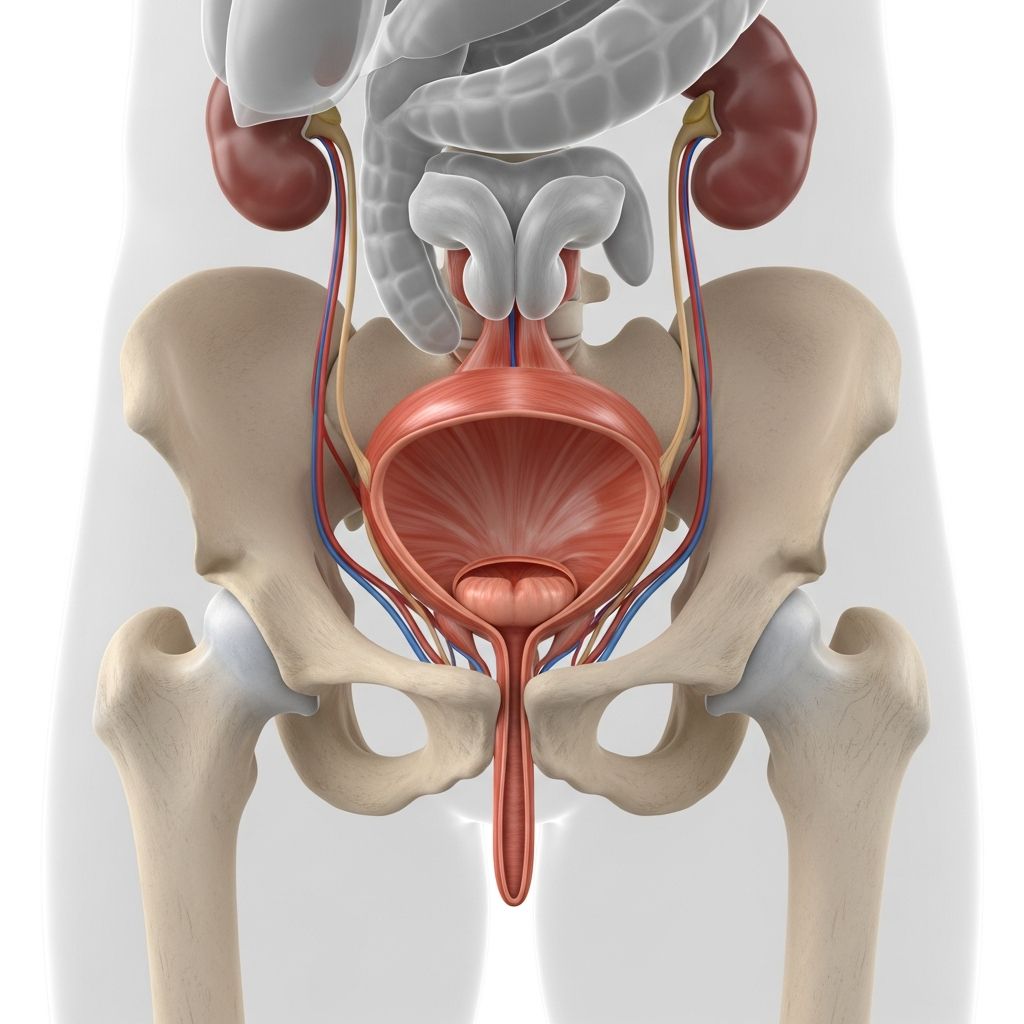
The bladder is a hollow, muscular organ that serves as a reservoir for urine. It’s part of your urinary system, which also includes your kidneys, ureters, and urethra. Your bladder has the remarkable ability to expand and contract, allowing it to hold varying amounts of urine throughout the day. Most people’s bladders can hold between 400 to 600 milliliters (roughly 14 to 20 ounces) of urine comfortably, though this varies from person to person based on factors like age and individual physiology.
Bladder Anatomy and Structure
Understanding the physical structure of your bladder helps explain how it functions so effectively. The bladder is composed of several distinct layers, each with specific functions that work together to store and eliminate urine safely.
Layers of the Bladder
Your bladder wall consists of four main layers:
- Urothelium (Mucosal Layer): This is the innermost lining of your bladder. The urothelium is a specialized type of epithelium made up of unique cells called umbrella cells that can stretch and contract. These cells maintain a protective barrier against bacteria and other harmful substances while allowing the bladder to expand as it fills with urine. The urothelium also helps regulate water, salts, and other substances in your urine.
- Lamina Propria: This connective tissue layer lies beneath the urothelium and contains blood vessels and nerve endings that help transmit sensory information to your brain about bladder fullness.
- Muscularis (Muscle Layer): The muscular layer, also called the detrusor muscle, is responsible for contracting to push urine out of your bladder during urination. This layer allows your bladder to squeeze effectively.
- Serosa (Outer Layer): The outermost layer provides protection and helps anchor the bladder in place within your pelvis.
Location of the Bladder
Your bladder is located in your lower abdomen, specifically in your pelvic region. It sits behind your pubic bone and below your other abdominal organs. In people assigned female at birth, the bladder sits in front of the uterus, while in people assigned male at birth, it sits above the prostate gland. The exact position of your bladder changes depending on how full it is. When empty, it’s quite small and tucked low in your pelvis. As it fills with urine, it expands upward into your abdominal cavity.
How Your Bladder Functions
Your bladder works as part of a coordinated system that involves your kidneys, ureters, urethra, and your nervous system. Understanding this process helps explain how your body manages waste elimination throughout the day.
The Urination Process
The journey of urine through your urinary system involves several coordinated steps: First, your kidneys filter waste and excess water from your blood to create urine. This urine then travels down your ureters—small tubes of muscle that gently squeeze in waves to propel the urine toward your bladder. As urine enters your bladder, it stretches the bladder walls, and special nerve receptors send signals to your brain indicating that your bladder is filling.
When your bladder becomes sufficiently full, these nerve signals trigger the urge to urinate. Your brain communicates with your bladder through your spinal cord to coordinate the urination process. When you’re ready to urinate, your brain sends signals that cause the muscles of your bladder (detrusor muscle) to contract, while simultaneously relaxing the sphincter muscles that normally keep urine in your bladder. These sphincter muscles act as valves—your internal sphincter is located where your urethra exits your bladder, while your external sphincter is in your pelvic floor muscles. Once both sphincters relax, urine flows through your urethra and exits your body.
Related Stories



Common Bladder Conditions
Various conditions can affect bladder function and cause uncomfortable or concerning symptoms. Recognizing these conditions early can lead to better treatment outcomes.
Urinary Tract Infections (UTIs)
UTIs occur when bacteria enter your urinary tract and multiply in your bladder. Symptoms include a burning sensation during urination, frequent urges to urinate, cloudy or bloody urine, and lower abdominal pain. Women are more prone to UTIs due to anatomical differences in their urinary systems.
Overactive Bladder
Overactive bladder occurs when the muscles of the bladder start to contract involuntarily, even when the bladder contains only small amounts of urine. This causes a sudden, urgent need to urinate frequently throughout the day and night. People with overactive bladder may experience urinary incontinence and disrupted sleep patterns.
Urinary Incontinence
Loss of bladder control, or urinary incontinence, causes urine to leak when you don’t intend it to. This can happen during physical activities like coughing, laughing, sneezing, or exercising (stress incontinence), or it can result from an overactive bladder (urge incontinence). Incontinence can significantly affect quality of life and confidence.
Urinary Retention
Urinary retention occurs when your bladder doesn’t completely empty each time you urinate, leaving residual urine in the bladder. This can lead to discomfort, frequent urination, and increased risk of bladder infections. Retention can result from nerve damage, blocked urethra, or weakened bladder muscles.
Kidney and Uretal Stones
Kidney stones are small masses that form when waste products clump together in your kidneys. If these stones move into your ureter (creating ureteral stones), they can cause severe pain and block the flow of urine, affecting your bladder’s ability to function normally.
Bladder Cancer
Cancer can develop in the bladder lining and requires prompt medical attention. Symptoms may include blood in urine, frequent urination, and urinary pain.
Signs You Should See a Healthcare Provider
Certain bladder symptoms warrant professional medical evaluation:
- Persistent pain or burning during urination
- Frequent urination (more than 8 times daily or multiple times at night)
- Urgent need to urinate that disrupts daily activities or sleep
- Blood in your urine
- Inability to empty your bladder completely
- Involuntary leakage of urine
- Fever accompanied by urinary symptoms
- Chronic pelvic pain
Bladder Support and Pelvic Floor Health
Your pelvic floor muscles play a critical role in bladder function and control. These muscles form a sling-like structure that supports your bladder, bowel, and reproductive organs. They help maintain continence by providing support to the urethra and working with sphincter muscles during urination. Strengthening your pelvic floor muscles through targeted exercises can improve bladder control and reduce symptoms of incontinence. Additionally, maintaining overall pelvic health through proper posture, avoiding heavy lifting, and managing constipation helps protect bladder function.
Maintaining Bladder Health
Several lifestyle strategies can help maintain optimal bladder health and prevent common urinary issues. Staying adequately hydrated supports kidney function and prevents urinary tract infections, though excessive fluid consumption close to bedtime can increase nighttime urination. Maintaining regular bathroom habits and not ignoring the urge to urinate helps prevent urinary retention and infections. A diet rich in fiber, fruits, and vegetables supports overall urinary tract health. Limiting caffeine and alcohol, which can irritate the bladder, may reduce symptoms of overactive bladder. Regular physical activity supports pelvic floor muscle strength, while managing stress can reduce tension that affects bladder function.
Treatment Options for Bladder Conditions
Treatment for bladder conditions varies depending on the specific diagnosis and severity of symptoms. Urinary tract infections typically respond well to antibiotics prescribed by a healthcare provider. Overactive bladder may be managed through behavioral modifications, medications that relax the bladder muscle, or other interventions. Urinary incontinence can be addressed through pelvic floor muscle training, lifestyle modifications, medications, or in some cases, surgical procedures. For more severe conditions like bladder cancer, treatment may involve surgery, chemotherapy, radiation, or immunotherapy depending on the cancer stage and type.
Surgical Options and Urinary Diversion
In cases where the bladder must be removed due to cancer or severe damage, surgical procedures like urinary reconstruction or urinary diversion may be necessary. One advanced option is the neobladder procedure, which involves creating a new bladder from a portion of the small intestine. The surgeons connect this new bladder to the urethra, allowing urine to pass from the kidneys through the ureters into the pouch and out through the urethra, similar to normal bladder function. To empty a neobladder, patients need to consciously contract their abdominal muscles rather than relying on involuntary bladder contractions.
Frequently Asked Questions About the Bladder
Q: How much urine can a normal bladder hold?
A: A healthy adult bladder typically holds between 400 to 600 milliliters (14 to 20 ounces) of urine comfortably. However, capacity varies among individuals based on age, gender, and individual physiology.
Q: How often should I urinate in a day?
A: Most people urinate 6 to 8 times per day, though this can vary based on fluid intake, medications, and individual factors. Nighttime urination frequency depends on age and health status.
Q: What causes sudden urges to urinate?
A: Sudden urges can result from various factors including overactive bladder, urinary tract infections, caffeine or alcohol consumption, anxiety, or certain medications. If sudden urges persist, consult a healthcare provider.
Q: Can bladder problems be prevented?
A: While not all bladder problems can be prevented, maintaining good hydration, practicing regular bathroom habits, staying physically active, and managing your diet can significantly reduce your risk of common urinary issues.
Q: How does age affect bladder function?
A: As people age, bladder capacity may decrease slightly, bladder muscles may weaken, and the ability to postpone urination may diminish. These changes can contribute to increased frequency and nighttime urination in older adults.
Q: What role do pelvic floor muscles play in bladder control?
A: Pelvic floor muscles support the bladder and urethra, helping to maintain continence and control urination. Strengthening these muscles through exercises can improve bladder control and reduce incontinence.
When to Seek Medical Attention
Bladder health is an important aspect of overall wellness. While many bladder issues are manageable with lifestyle modifications, some conditions require professional medical evaluation and treatment. Don’t hesitate to discuss any urinary concerns with your healthcare provider, as early diagnosis and treatment can prevent complications and improve your quality of life.
References
- Ureters: Anatomy, Location, Function & Conditions — Cleveland Clinic. 2024. https://my.clevelandclinic.org/health/body/ureters
- Urothelium: Anatomy, Function, Conditions & Disorders — Cleveland Clinic. 2024. https://my.clevelandclinic.org/health/body/22205-urothelium
- Urinary Reconstruction & Diversion: Purpose & Types — Cleveland Clinic. 2024. https://my.clevelandclinic.org/health/procedures/12546-urinary-reconstruction–diversion
- Overactive Bladder – Symptoms and Causes — Mayo Clinic. 2024. https://www.mayoclinic.org/diseases-conditions/overactive-bladder/symptoms-causes/syc-20355715
- Urinary System: Organs, Anatomy, Function & Conditions — Cleveland Clinic. 2024. https://my.clevelandclinic.org/health/body/21197-urinary-system
- Urethra: Location, Anatomy, Function & Conditions — Cleveland Clinic. 2024. https://my.clevelandclinic.org/health/body/23002-urethra
- Pelvic Floor Muscles: Anatomy, Function & Conditions — Cleveland Clinic. 2024. https://my.clevelandclinic.org/health/body/22729-pelvic-floor-muscles
Similar Articles








Read full bio of medha deb