Bladder Cancer Symptoms: Signs You Shouldn’t Ignore
Learn the early warning signs of bladder cancer and when to see a doctor for diagnosis and treatment.
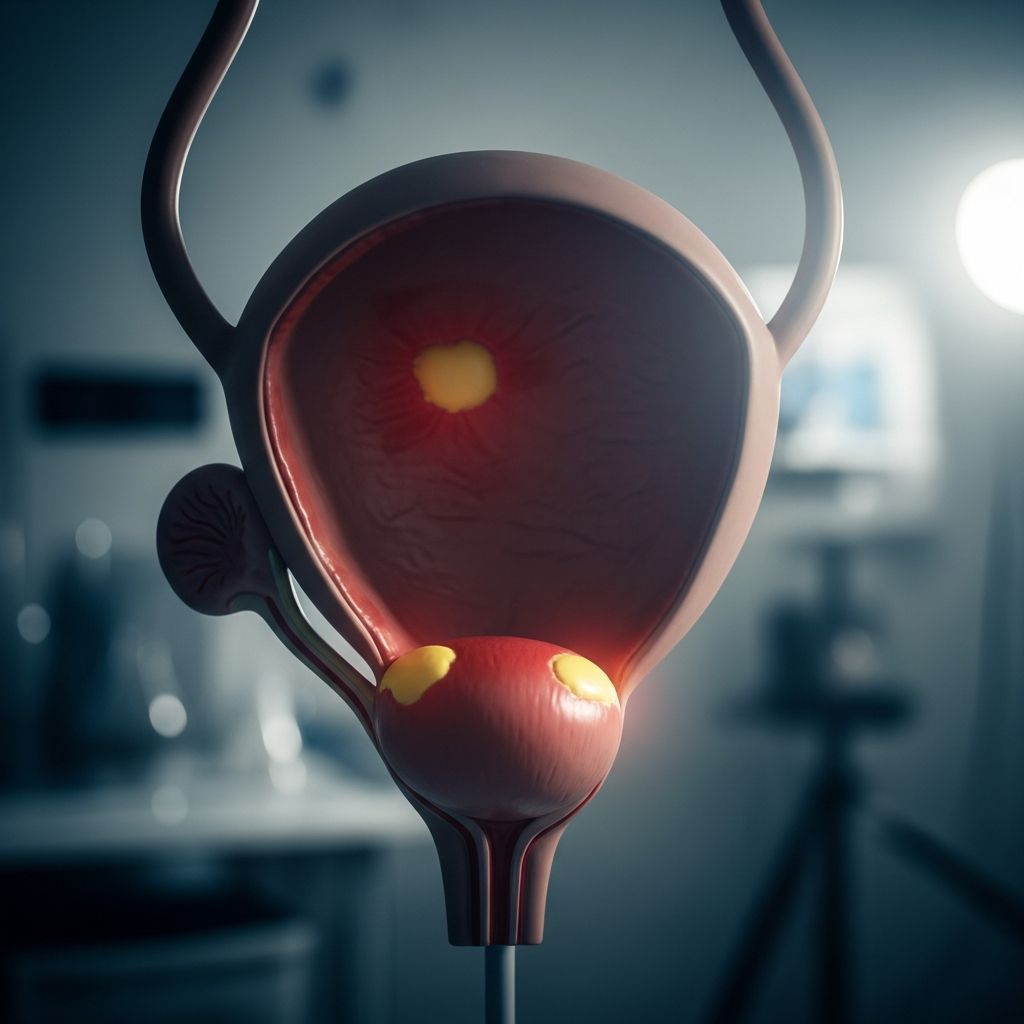
Bladder cancer is a common type of cancer that begins in the cells of the bladder, a hollow muscular organ in the lower abdomen responsible for storing urine. Most bladder cancer is caught in early stages and is highly treatable. However, recognizing the warning signs is crucial for early detection and better outcomes. This comprehensive guide covers the symptoms, types, and diagnostic procedures for bladder cancer.
Understanding Bladder Cancer
Bladder cancer develops when cells in the bladder begin to grow abnormally, forming tumors. Most bladder cancer begins in the urothelial cells that line the inside of the bladder. These cells expand when the bladder is full and contract when it’s empty. The same urothelial cells line the inside of the ureters and urethra, so cancers can form in those locations as well, though it’s much more common in the bladder.
The condition begins when cells in the bladder develop changes (mutations) in their DNA. These mutations instruct cells to multiply rapidly and continue living when healthy cells would normally die. The abnormal cells form a tumor that can invade and destroy normal body tissue and, over time, spread (metastasize) through the body if left untreated.
Most Common Bladder Cancer Symptoms
Early bladder cancer symptoms can be difficult to recognize, but awareness of the most common signs can prompt timely medical evaluation. The following symptoms warrant a visit to your healthcare provider:
Blood in Urine (Hematuria)
Blood in the urine is typically the first and most common bladder cancer symptom. This blood may appear in various ways:
- Bright red or reddish-brown color
- Orange or pink appearance
- Cola-colored urine
- Microscopic blood not visible to the naked eye
The blood may be present in the urine on a regular basis or disappear and reappear over days or weeks. It’s important to note that while blood in urine is a common symptom of bladder cancer, it can also result from other conditions such as urinary tract infections or kidney stones. Nevertheless, any instance of blood in urine should prompt immediate medical attention for proper evaluation.
For women, hematuria can be particularly challenging to notice, as it may be mistaken for menstrual bleeding, symptoms of menopause, or a urinary tract infection. This is one reason why women with bladder cancer often have more advanced disease at diagnosis—they may overlook or misattribute the symptom.
Changes in Urination Patterns
Alterations in bladder habits represent another significant warning sign. These changes may include:
- Increased frequency of urination
- Feeling a persistent sense of urgency to urinate
- Frequent urination at night
- Difficulty controlling bladder function
These symptoms don’t always indicate bladder cancer and can occur with many other health conditions, including urinary tract infections, overactive bladder, or benign prostate issues. However, persistent changes in urination patterns lasting more than a few weeks should be evaluated by a healthcare provider.
Related Stories



Pain or Burning with Urination
Dysuria, or pain and burning sensation during urination, is an early symptom some patients experience. This symptom may be confused with urinary tract infection symptoms, making differential diagnosis important. Women who experience recurrent urinary tract infections should be aware that persistent symptoms could indicate bladder cancer rather than simple infection.
Pelvic and Back Pain
Additional symptoms that may indicate bladder cancer include:
- Pelvic pain or discomfort
- Lower back pain
- Abdominal pain
These symptoms typically appear in more advanced disease stages. Pelvic pain may indicate that cancer has spread beyond the bladder lining. Back pain can result from tumor pressure on surrounding tissues or spread to nearby lymph nodes.
Other Possible Symptoms
Less common symptoms of bladder cancer may include loss of appetite, unexplained weight loss, and bladder incontinence. These symptoms are more likely to occur in advanced disease stages.
Risk Factors and Demographics
Understanding who is most at risk can help with early detection awareness. Bladder cancer typically affects people age 55 and older, with an average diagnosis age of 73. Men are four times more likely to develop bladder cancer than women, and white men are two times more likely to develop the disease compared to Black men.
However, women who do develop bladder cancer often have more advanced forms of the disease. This disparity exists partly because women are less likely to recognize hematuria as a potential cancer symptom, attributing it instead to gynecological issues or urinary tract infections.
Types of Bladder Cancer
Understanding the type of bladder cancer is essential for determining treatment options and prognosis.
Urothelial Carcinoma
Urothelial carcinoma is the most common type of bladder cancer in the United States. Previously called transitional cell carcinoma, it occurs in the cells that line the inside of the bladder. Urothelial carcinoma accounts for the vast majority of bladder cancer cases and is often caught in early stages.
Squamous Cell Carcinoma
Squamous cell carcinoma is associated with chronic bladder irritation—from long-term infections or prolonged urinary catheter use. This type is rare in the United States but more common in regions where parasitic infections like schistosomiasis are prevalent.
Other Rare Types
Additional bladder cancer types exist but are less common. These types tend to be more aggressive and may require different treatment approaches than urothelial carcinoma.
Stages of Bladder Cancer
Bladder cancers are also categorized based on how deeply they’ve invaded the bladder wall:
Non-Muscle Invasive Bladder Cancer
Non-muscle invasive bladder cancer is the earliest form and the most common type, accounting for approximately 70% of new diagnoses. In this stage, cancer cells remain confined to the inner lining of the bladder or the connective tissue just below the lining, without invading the main muscle wall. The five-year survival rate for patients with non-muscle invasive bladder cancer is more than 92% with proper treatment.
Muscle Invasive Bladder Cancer
Muscle invasive bladder cancer develops when tumors grow into the muscle layer and bladder wall. This represents a more advanced stage requiring aggressive treatment, often including chemotherapy, radiation, and/or surgery.
Diagnostic Procedures
If symptoms or lab results suggest bladder cancer, further evaluation is necessary. Diagnostic procedures typically include:
Urinalysis
A urinalysis examines urine under a microscope to detect blood, bacteria, or abnormal cells. This initial test can identify hematuria not visible to the naked eye and provides preliminary evidence warranting further investigation.
Imaging Studies
CT scans or MRI imaging helps visualize the bladder and surrounding structures, revealing tumor size, location, and potential spread to nearby tissues or lymph nodes.
Cystoscopy
A cystoscopy is a definitive diagnostic procedure performed by a urologist. The physician inserts a small camera through the urethra into the bladder to directly visualize the bladder lining and identify abnormal areas. The procedure typically takes less than a minute and is performed under local anesthesia. If abnormalities are discovered, a biopsy or tissue sample may be obtained during the same procedure for laboratory analysis.
When to Seek Medical Attention
You should contact a healthcare provider if you experience any of the following:
- Blood in your urine, even if it appears only once
- Persistent changes in urination patterns lasting more than a few weeks
- Pain or burning with urination that doesn’t resolve with standard treatment
- Unexplained pelvic or back pain
- Recurrent urinary tract infections, particularly in men
Your doctor may investigate more common causes of these symptoms first or refer you to a specialist such as a urologist or oncologist for further evaluation.
Frequently Asked Questions
Q: Is blood in urine always a sign of bladder cancer?
A: No. While blood in urine is the most common bladder cancer symptom, it can result from many other conditions including urinary tract infections, kidney stones, or benign prostate conditions. However, any instance of blood in urine warrants medical evaluation to determine the cause.
Q: Why is bladder cancer often diagnosed later in women than men?
A: Women are less likely to recognize blood in urine as a potential cancer symptom because they may attribute it to menstruation, menopause symptoms, or urinary tract infection. Additionally, healthcare providers may initially investigate these more common causes, delaying cancer diagnosis.
Q: What is the survival rate for early-stage bladder cancer?
A: For non-muscle invasive bladder cancer (the most common early stage), the five-year survival rate exceeds 92% with appropriate treatment. Most bladder cancer is caught in early stages and is highly treatable.
Q: Can bladder cancer be prevented?
A: While you may not be able to prevent bladder cancer entirely, understanding and minimizing risk factors—such as smoking cessation, reducing exposure to certain chemicals, and maintaining proper hydration—may help reduce your risk.
Q: How is bladder cancer treated?
A: Treatment depends on the type, stage, and grade of cancer. Options include surgery, chemotherapy, radiation therapy, immunotherapy, or combinations thereof. Non-muscle invasive cancers may be treated with transurethral resection of bladder tumor (TURBT) followed by intravesical therapy, while muscle invasive cancers typically require more aggressive treatment.
Conclusion
Recognizing the warning signs of bladder cancer is essential for early detection and successful treatment. Blood in urine remains the most important symptom, but changes in urination patterns, pain during urination, and pelvic or back pain should also prompt medical evaluation. Because early-stage bladder cancer has excellent survival rates exceeding 92%, awareness and prompt consultation with a healthcare provider can make a significant difference in outcomes. If you experience any concerning symptoms, don’t delay—contact your doctor for proper evaluation and diagnosis.
References
- Three Warning Signs of Bladder Cancer — UF Health. 2023. https://ufhealth.org/stories/2023/three-warning-signs-of-bladder-cancer
- Bladder Cancer Symptoms & Risks — KU Cancer Center. 2024. https://www.kucancercenter.org/cancer/cancer-types/bladder-cancer/bladder-cancer-symptoms-risks
- Bladder Cancer: Symptoms and Causes — Mayo Clinic. 2024. https://www.mayoclinic.org/diseases-conditions/bladder-cancer/symptoms-causes/syc-20356104
- Bladder Cancer Symptoms in Women: Are You Missing the Signs? — University of Virginia Health. 2024. https://www.uvahealth.com/healthy-balance/bladder-cancer-symptoms-women-missing-the-signs
- Bladder Cancer: Symptoms, Causes & Treatment — Cleveland Clinic. 2024. https://my.clevelandclinic.org/health/diseases/14326-bladder-cancer
- Bladder Cancer Awareness: What You Should Know — AdventHealth. 2024. https://www.adventhealth.com/hospital/adventhealth-polk/blog/bladder-cancer-awareness-what-you-should-know
- Bladder Cancer: Symptoms and Treatment — GW Hospital. 2024. https://gwhospital.com/services/cancer-care/bladder-cancer/
Similar Articles








Read full bio of Sneha Tete