Bladder Infection Vs UTI: Symptoms, Causes, Treatment
Understand the key differences between bladder infections and UTIs, including symptoms, causes, diagnosis, treatment, and prevention strategies for better urinary health.
A
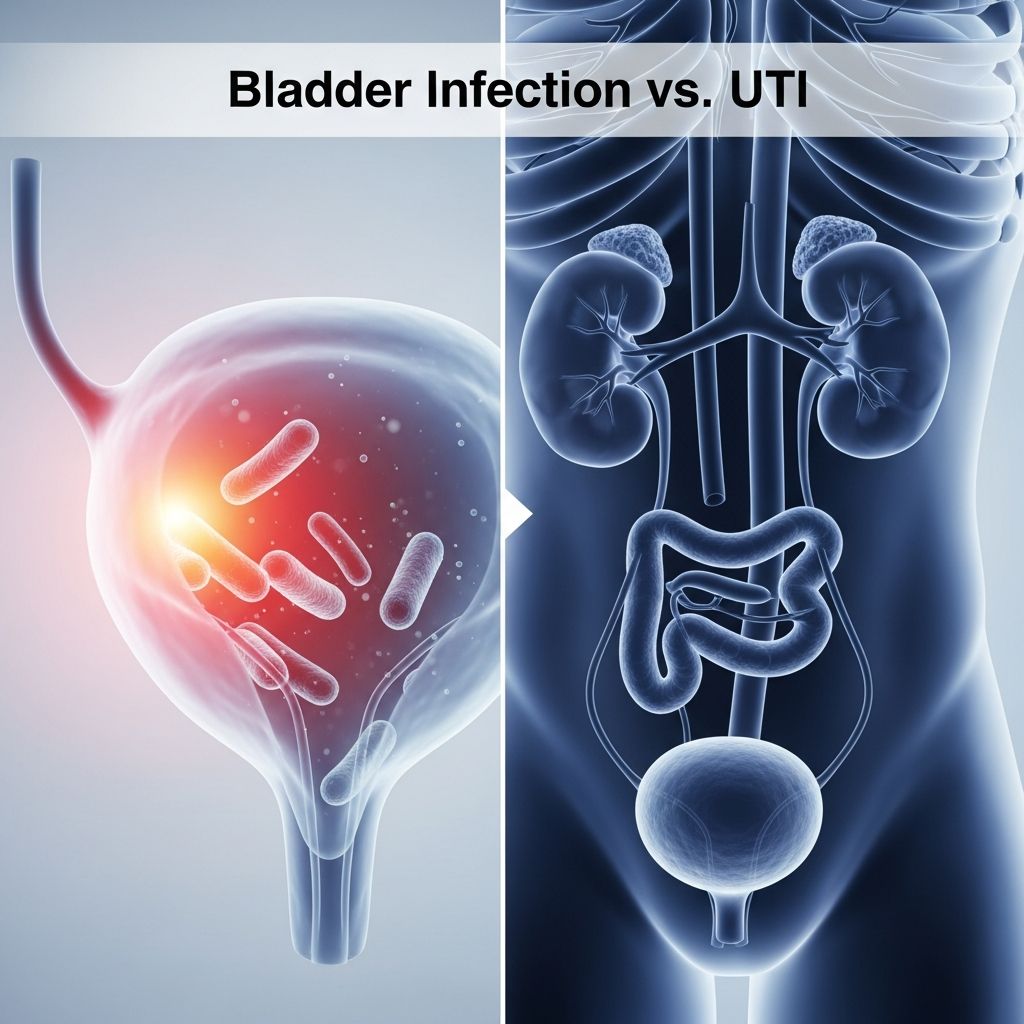
bladder infection
, also known as cystitis, is a common type ofurinary tract infection (UTI)
that specifically affects the bladder. While all bladder infections are UTIs, not all UTIs are confined to the bladder—they can involve the urethra, ureters, or kidneys, leading to varying symptoms and severity levels. Understanding these distinctions is crucial for prompt treatment and preventing complications like kidney infections.What Is a UTI?
A urinary tract infection (UTI) occurs when bacteria, most commonly Escherichia coli (E. coli) from the gastrointestinal tract, enter the urinary system and multiply. The urinary tract includes the kidneys, ureters (tubes connecting kidneys to bladder), bladder, and urethra (tube from bladder to outside the body). UTIs are among the most common bacterial infections, affecting millions annually, particularly women due to their shorter urethras.
UTIs are classified by location:
- Urethritis: Infection of the urethra, causing burning at urination and discharge.
- Cystitis: Bladder infection, the most frequent type.
- Pyelonephritis: Kidney infection, a more serious complication.
Risk factors include female anatomy, sexual activity, menopause, urinary retention, catheter use, diabetes, and weakened immunity.
What Is a Bladder Infection?
A bladder infection, or cystitis, is a lower UTI limited to the bladder lining. Bacteria irritate the bladder’s mucosal surface, causing inflammation. It’s the most prevalent UTI form, accounting for about 90% of cases in women. Symptoms arise from bacterial overgrowth in stagnant urine, often triggered by incomplete bladder emptying.
Unlike upper UTIs, bladder infections rarely cause systemic illness unless untreated. However, they can ascend to the kidneys if bacteria proliferate unchecked.
Bladder Infection vs. UTI Symptoms
Symptoms overlap significantly since bladder infections represent most UTIs, but severity and additional signs help differentiate. Use this comparison to identify your condition:
| Symptom | Bladder Infection (Cystitis) | Other UTIs (e.g., Kidney/Urethra) |
|---|---|---|
| Burning/pain during urination (dysuria) | Common | Common, plus discharge (urethra) |
| Frequent urge to urinate, small amounts | Very common | Common |
| Pelvic/lower abdominal pain | Common (above pubic bone) | Possible, plus flank/back pain (kidney) |
| Cloudy/foul-smelling urine | Common | Common, may be bloody |
| Fever/chills | Rare (<101°F) | Common (>101°F for kidney) |
| Nausea/vomiting | Rare | Common in kidney infections |
| Lower back/side pain | Rare | Common (flank pain) |
Bladder infection hallmarks: Localized discomfort, urgency, dysuria, without fever. Kidney UTI signs: Systemic symptoms like high fever, severe back pain indicate ascent. Urethritis may add urethral itching/discharge.
Causes and Risk Factors
Both stem primarily from bacterial entry via the urethra. E. coli causes 80-90% of cases. Other pathogens include Klebsiella, Proteus, or sexually transmitted infections like chlamydia.
Shared risk factors:
- Women (50% lifetime risk vs. 12% men)
- Sexual intercourse
- Poor hygiene (wiping back-to-front)
- Diaphragm/spermicide use
- Recent urinary procedures
Bladder-specific risks: Holding urine, constipation. Progression to kidney UTI: Delayed treatment, pregnancy, blockages, immunosuppression. Men face higher risks from prostate issues.
Diagnosis
Healthcare providers diagnose via:
Related Stories



- Medical history/symptom review.
- Urinalysis: Detects bacteria, white blood cells, nitrites.
- Urine culture: Identifies specific bacteria for targeted antibiotics (gold standard).
- Imaging/tests: Ultrasound/CT for recurrent/complicated cases; cystoscopy for structural issues.
Differentiating requires symptom assessment—fever/back pain prompts kidney evaluation. Asymptomatic bacteriuria (bacteria without symptoms) needs no treatment except in pregnancy.
Treatment
Bladder infections: Short-course oral antibiotics (3-7 days): nitrofurantoin, trimethoprim-sulfamethoxazole, fosfomycin. Symptom relief with phenazopyridine (for burning), increased fluids, heating pads.
Complicated/upper UTIs: Longer antibiotics (7-14 days), IV for severe pyelonephritis. Hospitalization if dehydrated or septic.
Complete full course to prevent resistance/recurrence. Recurrent UTIs may need prophylaxis or specialist referral.
Prevention Tips
Prevent with lifestyle measures:
- Hydrate: Drink 6-8 glasses water daily to flush bacteria.
- Urinate promptly: After sex, don’t hold urine.
- Hygiene: Wipe front-to-back, avoid irritating products.
- Cranberry products: May reduce adhesion (evidence mixed).
- Probiotics/estrogen: For postmenopausal women.
- Avoid spermicides: Opt for non-spermicidal condoms.
When to See a Doctor
Seek care if:
- Symptoms persist >2 days or worsen.
- Fever >101°F, chills, nausea, vomiting, flank pain.
- Blood in urine, pregnancy, age >65, male, diabetes, immunosuppression.
- Recurrent infections (>3/year).
Prompt treatment averts kidney damage or sepsis.
Complications
Untreated bladder infections can spread, causing pyelonephritis (20-30% risk if delayed), sepsis, or chronic issues. Pregnant women risk preterm labor; diabetics face poor healing.
Frequently Asked Questions (FAQs)
Can you have a UTI without burning when peeing?
Yes, some UTIs are asymptomatic or lack dysuria, especially in elderly or diabetics. Urine tests confirm.
Is a bladder infection the same as a UTI?
No—a bladder infection is a subset of UTIs affecting only the bladder.
How long do bladder infection symptoms last without treatment?
Days to weeks, but risk of spreading increases.
Can UTIs go away on their own?
Mild bladder infections may, but antibiotics are recommended to prevent complications.
Are bladder infections contagious?
No, but sexual activity facilitates bacterial transfer.
References
- Bladder infection vs. UTI: Differences, symptoms, and treatment — Medical News Today. 2023-10-15. https://www.medicalnewstoday.com/articles/bladder-infection-vs-uti
- Bladder Infection vs UTI: Diagnosis, Treatment, Risks & More — Healthline. 2024-05-20. https://www.healthline.com/health/infection/bladder-infection-vs-uti
- Urinary tract infection (UTI) – Symptoms and causes — Mayo Clinic. 2025-08-12. https://www.mayoclinic.org/diseases-conditions/urinary-tract-infection/symptoms-causes/syc-20353447
- Bladder Infection vs UTI – What’s the Difference? — Oregon Urology. 2024-02-28. https://oregonurology.com/bladder-infection-vs-uti-whats-the-difference/
- UTI vs. Bladder Infection: Understanding the Difference — GoodRx. 2024-11-05. https://www.goodrx.com/conditions/urinary-tract-infection/uti-vs-bladder-infection
Similar Articles








Read full bio of medha deb