Bladder Pain: Causes, Symptoms, Diagnosis & Treatment Guide
Discover the causes, symptoms, diagnosis, and effective treatments for bladder pain, including interstitial cystitis management strategies.
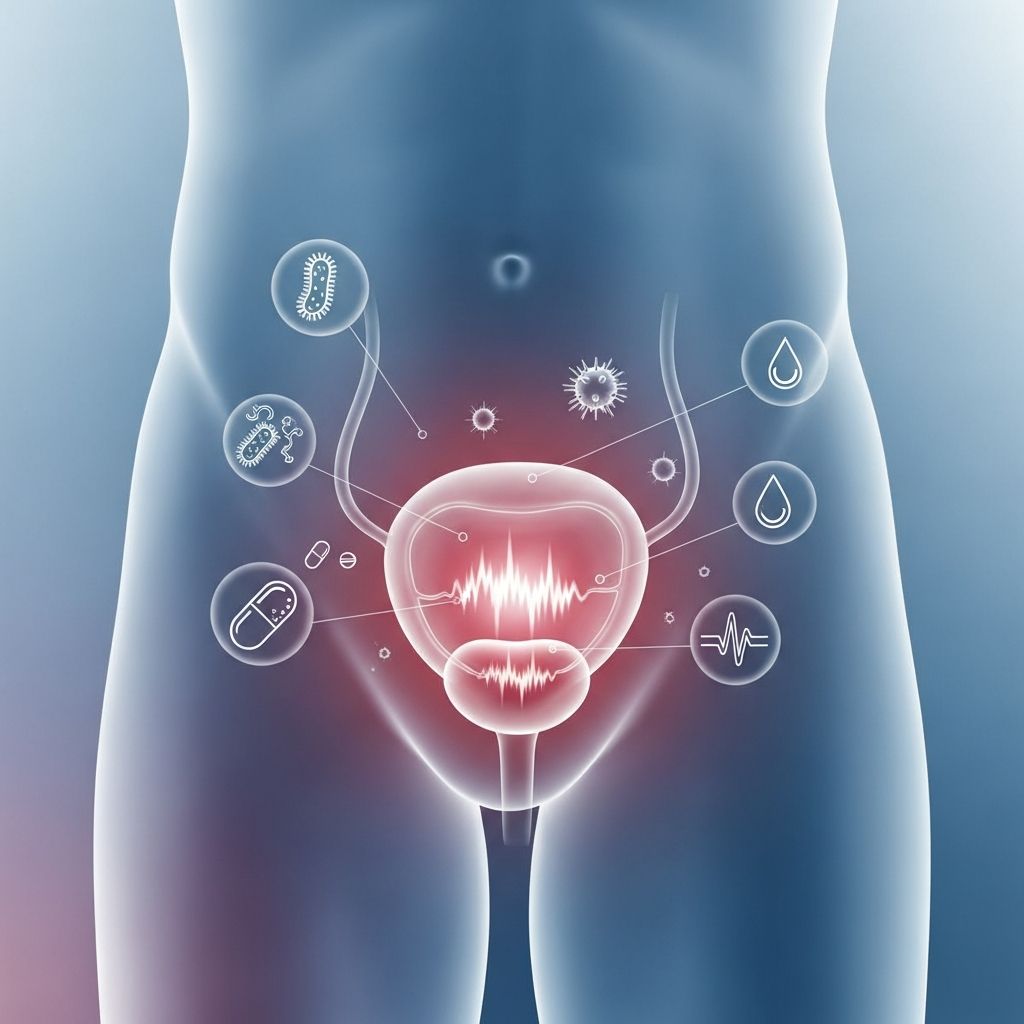
Bladder pain, also known as bladder pain syndrome (BPS) or interstitial cystitis (IC), is a chronic condition characterized by pressure, discomfort, or pain in the bladder and pelvic region, often accompanied by urinary urgency and frequency.
What Causes Bladder Pain?
The exact causes of bladder pain remain unclear, but researchers believe it results from a combination of factors affecting the bladder lining, immune system, nerves, and pelvic muscles.
Key potential causes include:
- Defective bladder lining: The protective layer (glycosaminoglycan) may be leaky, allowing irritating urine chemicals to penetrate and inflame the bladder wall.
- Immune or allergic responses: Increased mast cells or autoimmune reactions may trigger inflammation.
- Nerve dysfunction: Altered signals make the bladder feel fuller or more painful than it is.
- Pelvic floor issues: Tight or spasming muscles contribute to pain and urinary symptoms.
- Urine composition: Certain substances in urine may be more irritating in affected individuals.
IC/BPS is more common in women aged 40-60, though it can affect anyone. It is not caused by infection, unlike UTIs, but symptoms mimic them.
Symptoms of Bladder Pain Syndrome
Symptoms vary in severity and can flare with triggers like stress, menstruation, diet, or sex. They include:
- Pelvic or bladder pain/pressure that worsens as the bladder fills and eases after urination.
- Urinary frequency (8-50 times/day), urgency, and nocturia.
- Pain during intercourse.
- Lower abdominal tenderness.
Symptoms may resemble UTIs but persist without infection. Pelvic floor tightness often exacerbates issues due to shared fascia and nerves.
Types of Interstitial Cystitis
IC/BPS has two main types:
- Non-ulcerative (90% of cases): Tiny hemorrhages (glomerulations) on the bladder wall.
- Ulcerative (5-10%): Bleeding sores called Hunner’s ulcers.
How Is Bladder Pain Diagnosed?
Diagnosis involves ruling out infections, stones, or cancer via urine tests, cystoscopy, and biopsies. The International Continence Society defines BPS as chronic pelvic pain/pressure with urinary symptoms lasting over 6 weeks, without identifiable causes.
Common diagnostic steps:
- Urinalysis/culture to exclude UTI.
- Cystoscopy to visualize bladder lining and Hunner’s ulcers.
- Biopsy for confirmation.
- Potassium sensitivity test (urine instillation).
- Urodynamics for bladder function.
Diagnosis often takes 3-7 years due to symptom overlap with other conditions.
Treatment Options for Bladder Pain
Treatment is multimodal, starting conservatively and escalating as needed. No cure exists, but many achieve relief.
Lifestyle and Behavioral Changes
- Dietary modifications: Avoid triggers like caffeine, alcohol, spicy foods, acidic fruits.
- Bladder training: Timed voiding to reduce frequency.
- Stress management: Pelvic floor physical therapy for muscle spasms.
- Hydration balance: Drink adequately but avoid overfilling.
Medications
- Oral: Pentosan polysulfate (bladder coating), antihistamines (for mast cells), tricyclics (pain/nerves), amitriptyline.
- Instillations: DMSO, heparin, lidocaine directly into bladder.
Advanced Therapies
- Neuromodulation (sacral nerve stimulation).
- Botox injections.
- Hydrodistention.
- Surgery (rare, e.g., cystectomy for severe cases).
Bladder Pain vs. Other Conditions
Related Stories



| Condition | Key Symptoms | Differentiator |
|---|---|---|
| UTI | Painful urination, frequency | Positive urine culture/infection |
| Kidney Stones | Side/back pain, bloody urine | Imaging shows stones |
| Prostatitis | Pelvic pain, weak stream (men) | Prostate involvement |
| Bladder Cancer | Blood in urine, weight loss | Tumor on cystoscopy |
Triggers and Flare Management
Common flares from:
- Sitting long periods.
- Foods/beverages (citrus, tomatoes, carbonation).
- Sexual activity.
- Menstruation/stress.
Track symptoms in a journal for personalized management.
Living with Bladder Pain Syndrome
Support groups, pelvic PT, and multidisciplinary care improve quality of life. Early intervention reduces visits (patients average more healthcare encounters).
Frequently Asked Questions (FAQs)
What is the difference between bladder pain syndrome and a UTI?
Bladder pain syndrome causes chronic symptoms without infection; UTIs show bacteria on culture and respond to antibiotics.
Can diet help with interstitial cystitis?
Yes, avoiding irritants like caffeine and alcohol reduces flares for many.
Is bladder pain curable?
No single cure, but symptoms are manageable with combined therapies.
Who gets interstitial cystitis?
Primarily women 40-60, but anyone can develop it.
Does stress worsen bladder pain?
Yes, stress triggers flares by tightening pelvic muscles.
Prevention and Outlook
While not preventable, early diagnosis and trigger avoidance improve prognosis. Most manage symptoms effectively without surgery.
References
- Interstitial Cystitis: Causes, Symptoms, and Treatments — Hinge Health. 2023. https://www.hingehealth.com/resources/articles/interstitial-cystitis/
- Interstitial cystitis – Symptoms & causes — Mayo Clinic. 2024-10-15. https://www.mayoclinic.org/diseases-conditions/interstitial-cystitis/symptoms-causes/syc-20354357
- Bladder Pain Syndrome: A Review — EMJ Reviews. 2020-05-01. https://www.emjreviews.com/wp-content/uploads/2020/05/Bladder-Pain-Syndrome-A-Review.pdf
- Painful urination (dysuria): Causes, treatment, and more — Medical News Today. 2023. https://www.medicalnewstoday.com/articles/323105
- Management of Bladder Pain Syndrome (BPS): A Practical Guide — PMC (NCBI). 2022-01-19. https://pmc.ncbi.nlm.nih.gov/articles/PMC8763550/
- Interstitial Cystitis | IC | PBS — MedlinePlus (NIH). 2024. https://medlineplus.gov/interstitialcystitis.html
Similar Articles








Read full bio of Sneha Tete