Bladder Problems in Men: Enlarged Prostate & PSA
Understand bladder issues in men caused by enlarged prostate, symptoms, PSA testing, and when to seek medical help for better urinary health.

Bladder problems in men are often linked to an enlarged prostate, a common condition known as benign prostatic hyperplasia (BPH). As men age, the prostate gland, located below the bladder and surrounding the urethra, can enlarge and press on the bladder and urethra, leading to urinary difficulties. This article examines symptoms, causes, diagnosis including PSA testing, treatments, and complications to help men recognize and address these issues early.
What is the Prostate Gland?
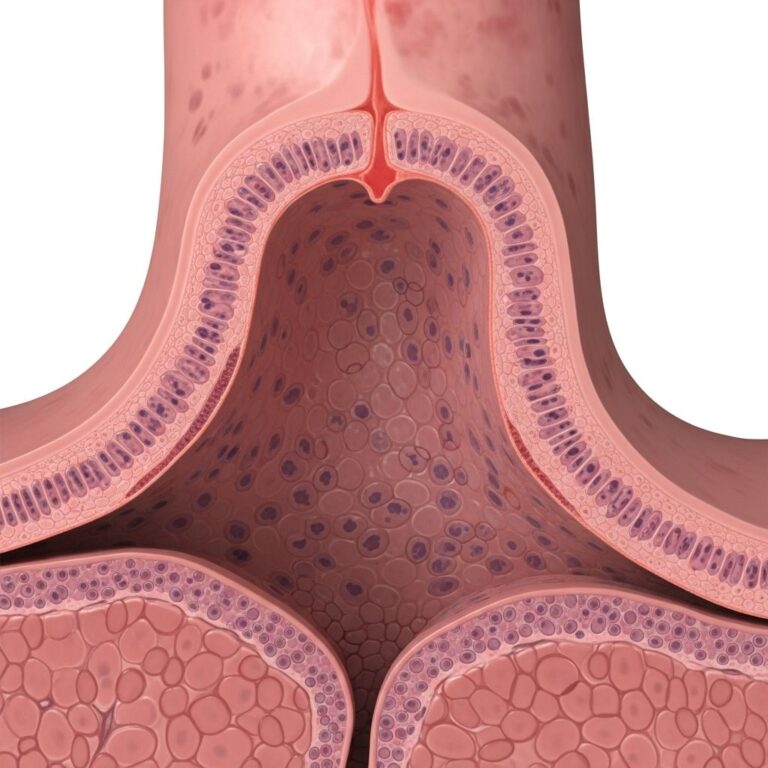
The prostate is a small gland about the size of a walnut, situated just below the bladder in men. It produces fluid that nourishes and transports sperm during ejaculation. The urethra, which carries urine from the bladder out of the body, passes through the prostate. When the prostate enlarges, it can obstruct urine flow, causing bladder symptoms.
In younger men, the prostate functions normally, but after age 40, it often begins to grow due to hormonal changes, particularly increased dihydrotestosterone (DHT). By age 60, about 50% of men have some enlargement, rising to 90% by age 85. Not all enlarged prostates cause symptoms; prostate size does not always correlate with symptom severity.
Symptoms of Bladder Problems Due to Enlarged Prostate
The hallmark of BPH is lower urinary tract symptoms (LUTS), which develop gradually and worsen over time. Common symptoms include:
- Difficulty starting urination: Hesitancy or straining to begin peeing.
- Weak or interrupted urine flow: Stream starts and stops, feels feeble.
- Incomplete emptying: Sensation that the bladder is not fully empty.
- Dribbling after finishing: Urine leaks post-urination.
- Frequent urination: Need to pee more often, especially at night (nocturia).
- Urgency: Sudden, strong need to urinate, sometimes with leakage.
These symptoms can disrupt daily life, sleep, and work. Nocturia, waking multiple times nightly, affects rest and increases fall risk in older men. Less common signs include urinary tract infections (UTIs), blood in urine, or inability to urinate.
Why Does the Prostate Enlarge?
Enlarged prostate results from benign cell growth in the gland, driven by age-related hormonal shifts. Testosterone converts to DHT, promoting prostate growth. While not cancerous, BPH affects millions worldwide. Risk factors include:
- Age over 40
- Family history
- Obesity and diabetes
- Heart disease and lack of exercise
BPH differs from prostate cancer; it does not increase cancer risk, though symptoms overlap, necessitating evaluation.
When to See a Doctor
Consult a doctor if symptoms persist or worsen, as untreated BPH risks complications. Seek immediate care for:
- Inability to urinate (acute urinary retention)
- Blood in urine or semen
- Severe pain in lower abdomen
- Frequent UTIs
- Sudden symptom changes
Early intervention prevents kidney damage or bladder issues. Doctors use tools like the International Prostate Symptom Score (IPSS) questionnaire to assess severity.
Diagnosing Enlarged Prostate and Bladder Problems
Related Stories



Diagnosis starts with medical history and symptom review. Key tests include:
- Digital Rectal Exam (DRE): Doctor feels prostate size and texture via rectum.
- Prostate-Specific Antigen (PSA) Test: Blood test measures PSA, a protein from prostate cells. Elevated levels (above 4 ng/mL) may indicate BPH, infection, or cancer. Not diagnostic alone; trends matter more than single readings.
- Urine Flow Test: Measures stream strength and volume.
- Post-Void Residual (PVR): Ultrasound checks remaining bladder urine.
- Cystoscopy or Ultrasound: Views urethra/bladder or images prostate.
PSA testing is controversial; discuss risks/benefits with your doctor, as it can lead to unnecessary biopsies but aids early cancer detection.
Complications of Untreated Enlarged Prostate
Chronic obstruction leads to serious issues:
- Acute Urinary Retention: Sudden inability to pee, requiring catheterization. Risk higher in men over 70 with large prostates or high PSA.
- UTIs: Stagnant urine breeds bacteria.
- Bladder Stones: Form from incomplete emptying, causing pain and bleeding.
- Bladder Damage: Overstretching weakens muscles, worsening symptoms.
- Kidney Damage: Backpressure harms kidneys; rare but severe.
Treatment reduces these risks significantly.
Treatment Options for Enlarged Prostate
Treatments range from lifestyle changes to surgery, based on symptom severity.
Lifestyle Changes
First-line for mild cases:
- Limit caffeine/alcohol
- Avoid fluids before bed
- Practice double voiding (pee, wait, pee again)
- Exercise and maintain healthy weight
Medications
Alpha-blockers (e.g., tamsulosin) relax prostate/bladder neck muscles for better flow. Effects in days.
5-alpha reductase inhibitors (e.g., finasteride) shrink prostate over months by blocking DHT.
Combination therapy or others like antimuscarinics for urgency may be used.
Minimally Invasive Procedures
For moderate symptoms: UroLift, Rezum (steam therapy), or laser treatments lift/enlarge urethra without major surgery.
Surgery
Transurethral resection of the prostate (TURP) removes obstructing tissue; gold standard for severe cases. Risks include retrograde ejaculation.
| Treatment Type | Best For | Pros | Cons |
|---|---|---|---|
| Lifestyle | Mild symptoms | Non-invasive, free | Limited effect |
| Alpha-blockers | Moderate | Quick relief | Side effects (dizziness) |
| TURP | Severe | Effective long-term | Surgical risks |
PSA Testing: What You Need to Know
PSA is crucial for monitoring prostate health. Normal levels vary by age; elevations prompt further tests. BPH raises PSA mildly; cancer more significantly. Regular screening from age 50 (45 if high-risk) balances detection against overdiagnosis.
Free vs. total PSA ratios or PSA density improve accuracy. Biopsy confirms cancer if needed.
Living with Enlarged Prostate
Many men manage BPH effectively, maintaining quality of life. Regular check-ups, symptom tracking, and healthy habits help. Support groups offer tips on coping with nocturia or urgency.
Frequently Asked Questions (FAQs)
Does enlarged prostate cause cancer?
No, BPH is benign and does not increase prostate cancer risk, though symptoms mimic each other.
Can diet help BPH symptoms?
Yes, reducing red meat/fat, increasing fruits/veggies, and staying hydrated (except evenings) may ease symptoms.
Is PSA testing recommended for all men?
Discuss with your doctor; benefits outweigh risks for many over 50.
How effective is TURP?
TURP relieves symptoms in 80-90% of men long-term.
Can BPH symptoms improve without treatment?
Sometimes they stabilize, but monitoring is essential to avoid complications.
This comprehensive guide empowers men to address bladder problems proactively. Consult healthcare professionals for personalized advice.
References
- Enlarged prostate – NHS — NHS. 2023-10-24. https://www.nhs.uk/conditions/enlarged-prostate/
- Benign prostatic hyperplasia (BPH) – Symptoms and causes — Mayo Clinic. 2023-11-08. https://www.mayoclinic.org/diseases-conditions/benign-prostatic-hyperplasia/symptoms-causes/syc-20370087
- Enlarged prostate — Prostate Cancer UK. 2024-01-15. https://prostatecanceruk.org/prostate-information-and-support/just-diagnosed/other-prostate-problems/enlarged-prostate
- Symptoms of Enlarged Prostate You Shouldn’t Ignore — Atlantic Urology Clinics. 2023-05-12. https://atlanticurologyclinics.com/blog/symptoms-of-enlarged-prostate-you-shouldnt-ignore/
Similar Articles








Read full bio of medha deb