Bladderwrack: 6 Benefits, Uses, and Side Effects
Discover bladderwrack's potential for thyroid support, digestion, skin health, and more, backed by science and traditional use.
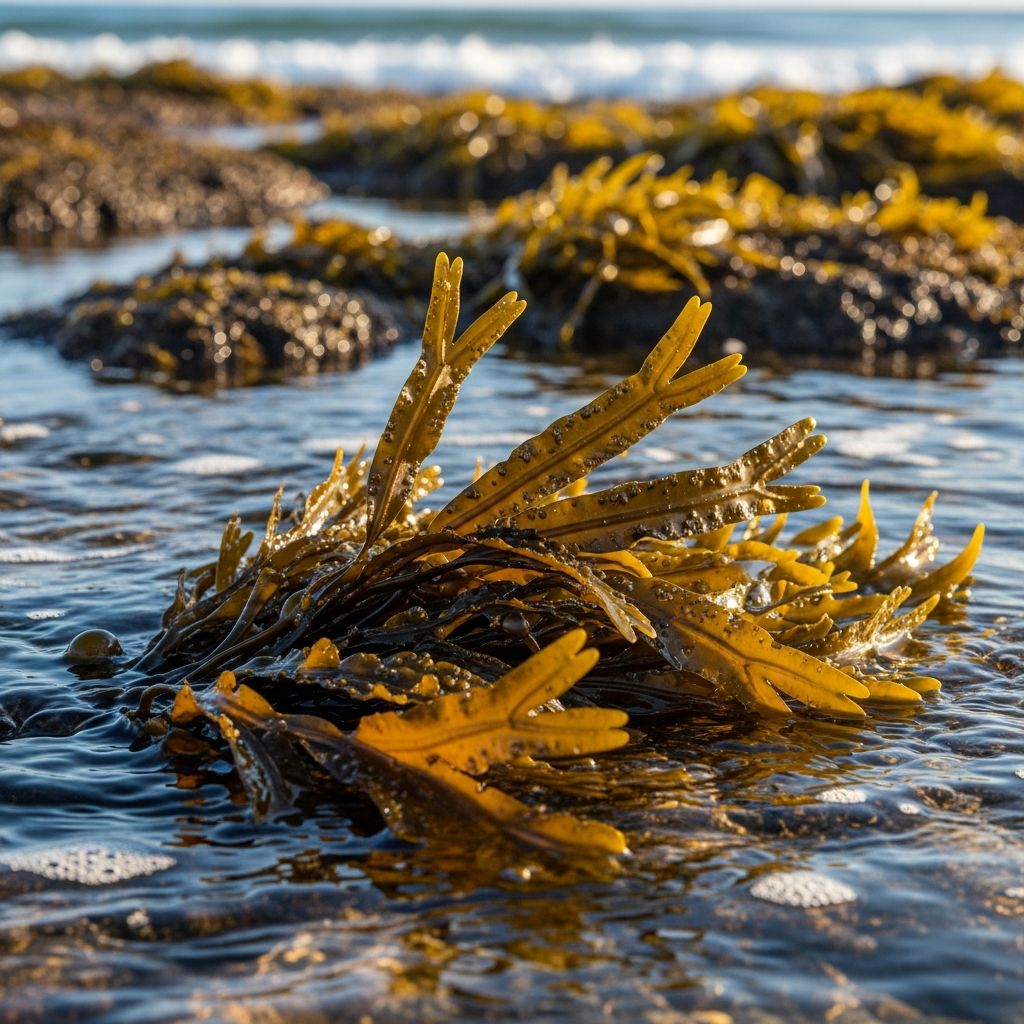
Bladderwrack (Fucus vesiculosus), a brown seaweed thriving in cooler Atlantic and Pacific waters, has been used in traditional medicine for centuries to address thyroid issues, digestion, and skin conditions due to its rich iodine, alginic acid, and antioxidant content.
Modern interest stems from its potential to support thyroid function in iodine-deficient cases, soothe gastrointestinal woes, and promote skin vitality, though human evidence remains limited and variability in nutrient levels calls for caution.
What Is Bladderwrack?
Bladderwrack, also called black tang or rockweed, features air-filled bladders that buoy it toward sunlight, growing up to 35 inches along North Atlantic and Pacific coastlines, including U.S. shores and European seas.
Harvested for its leathery fronds, it serves as a natural iodine source in supplements, teas, and topical products, with key compounds like iodine for thyroid health, alginic acid for digestion, and fucoidan for anti-inflammatory effects.
Bladderwrack Benefits
While promising, most bladderwrack benefits rely on preliminary studies or tradition; robust clinical trials are scarce, and experts urge professional guidance before use.
1. May Support Thyroid Health
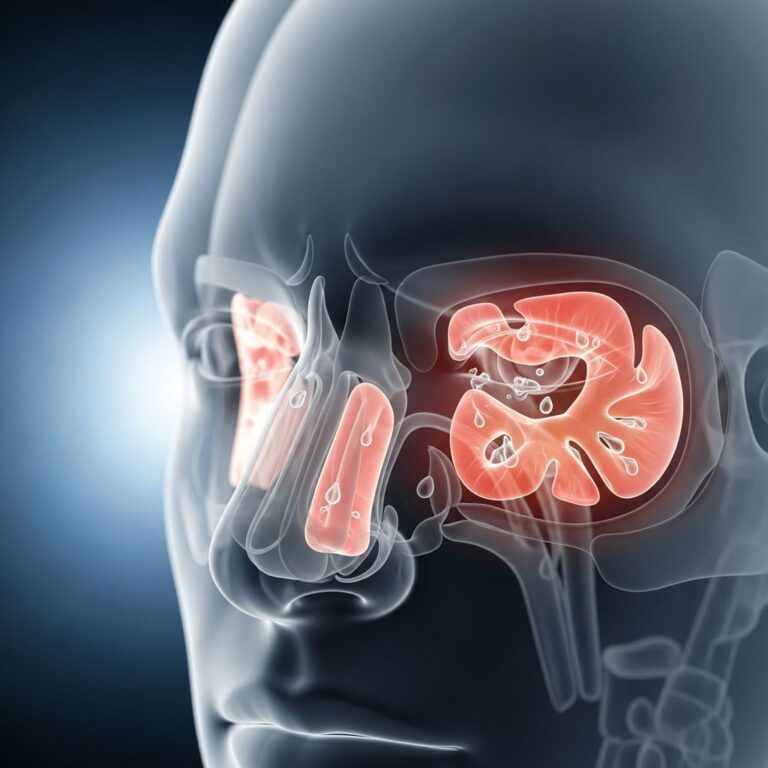
Bladderwrack’s high, variable iodine content may aid hypothyroidism from deficiency—a rare issue in iodine-fortified regions—potentially alleviating goiter, but excess risks hyper- or hypothyroidism.
No human trials confirm efficacy, and unpredictable iodine doses make it unreliable; the adult RDA is 150 mcg, easily met or exceeded by small amounts.
2. Could Improve Digestion
Alginic acid in bladderwrack swells to form a protective gastric barrier, easing heartburn, GERD, gastritis, indigestion, and low stomach acid as seen in products like Gaviscon.
As a fiber source, it regulates bowels, relieving constipation or diarrhea, though more research validates standalone efficacy.
3. Might Aid Weight Management
Traditionally used for obesity, bladderwrack’s fiber may promote satiety and metabolism via iodine, but no strong evidence supports significant weight loss.
4. May Enhance Skin Health
Antioxidants and anti-inflammatory properties suggest benefits for aging skin, acne, and wounds; calcium alginate accelerates healing in early studies, closing serious wounds in 10 days.
Anecdotal reports note improved elasticity and reduced inflammation topically.
5. Potential Joint and Immune Support
Fucoidan and polyphenols may reduce joint pain and bolster immunity, with lab studies showing anti-cancer effects on breast and colorectal cells via apoptosis.
Human data lacks, limiting claims to preliminary.
6. Other Emerging Benefits
Early research explores atherosclerosis prevention and urinary tract support, but evidence is weak.
How to Take Bladderwrack
- Dried Herb (Tea): Steep 1 tsp in 8 oz hot water, 1-2x daily; limit to avoid iodine excess.
- Powder/Capsules: 500 mg/day, split doses; check iodine content.
- Tincture: 1-2 ml in water, 2-3x daily.
- Topical: Creams/ointments for skin as directed.
Start low, monitor thyroid; no standardized dose exists due to variability.
Related Stories



Is Bladderwrack Safe?
Generally safe short-term in moderation, but risks include thyroid disruption, heavy metal accumulation (arsenic, mercury), and interactions.
Side Effects
- Thyroid imbalance (hyper/hypo)
- GI upset, acne flare-ups
- Iron malabsorption
- Bleeding risk with anticoagulants
- Kidney strain from metals
Precautions and Contraindications
| Group | Reason |
|---|---|
| Pregnant/Breastfeeding | Iodine/heavy metals harm fetus/infant |
| Thyroid Disorders | Iodine exacerbates |
| Bleeding Disorders | Increases bleed risk |
| Kidney Disease | Heavy metals |
| Iodine Allergy | Anaphylaxis risk |
| On Blood Thinners/Thyroid Meds | Interactions |
Children: Avoid due to risks. Consult doctor; test iodine/thyroid levels first.
Bladderwrack vs. Other Seaweeds
| Seaweed | Iodine (per g dried) | Key Use | Risks |
|---|---|---|---|
| Bladderwrack | Variable, high | Thyroid/digestion | Heavy metals |
| Kelp | 2000+ mcg | Thyroid | Over-iodine |
| Wakame | Moderate | Heart health | Lower risk |
| Nori | Low | Sushi/nutrition | Minimal |
Frequently Asked Questions (FAQs)
What is bladderwrack good for?
Primarily digestion (GERD, constipation), thyroid support in deficiency, skin/wound healing; evidence varies.
Can bladderwrack help with weight loss?
Possible via fiber/iodine, but unsupported by strong studies.
Is bladderwrack safe for thyroid patients?
Often not; consult MD as iodine can disrupt balance.
How much bladderwrack should I take daily?
No standard; 500 mg powder or equivalent, but professional advice essential.
Does bladderwrack contain heavy metals?
Yes, potentially arsenic/mercury; choose tested products.
Bladderwrack offers intriguing benefits but demands caution. Prioritize third-party tested supplements and medical oversight for safety.
References
- Bladderwrack’s therapeutic uses — EBSCO Research Starters. Accessed 2026. https://www.ebsco.com/research-starters/health-and-medicine/bladderwracks-therapeutic-uses
- Health Benefits of Bladderwrack — WebMD. Accessed 2026. https://www.webmd.com/diet/health-benefits-bladderwrack
- What Is Bladderwrack Good For? Health Benefits and Side Effects — MedicineNet. Accessed 2026. https://www.medicinenet.com/what_is_bladderwrack_good_for/article.htm
- Bladderwrack – Health Information Library — PeaceHealth. Accessed 2026. https://www.peacehealth.org/medical-topics/id/hn-3653002
- Bladderwrack: Benefits, Uses, and Side Effects — Healthline. 2020-07-08. https://www.healthline.com/nutrition/bladderwrack-benefits
Similar Articles








Read full bio of Sneha Tete