Bleach Baths For Eczema: Insights From 10 RCTs
Discover the science-backed potential of diluted bleach baths in managing atopic dermatitis symptoms and bacterial overgrowth.
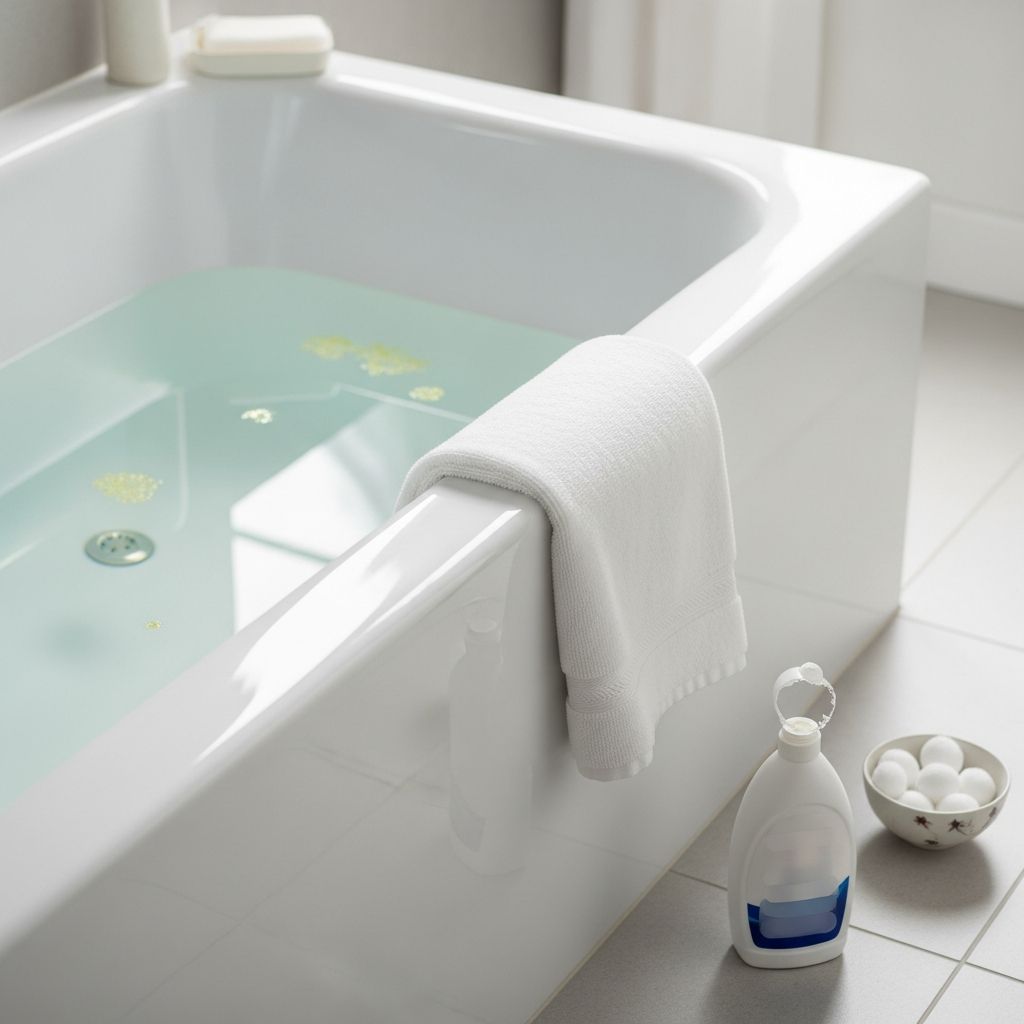
Diluted bleach baths represent a straightforward intervention for individuals grappling with atopic dermatitis, commonly known as eczema. This chronic skin condition affects millions worldwide, characterized by intense itching, redness, and inflammation often exacerbated by bacterial overgrowth. By incorporating a small amount of household bleach into bathwater, patients may experience reduced symptom severity, particularly in cases linked to Staphylococcus aureus colonization.
Understanding Atopic Dermatitis and Bacterial Influence
Atopic dermatitis disrupts the skin’s natural barrier, allowing excessive water loss and vulnerability to pathogens. A key culprit is Staphylococcus aureus, a bacterium that thrives on eczematous skin, promoting inflammation and flares. Research indicates that up to 90% of eczema patients harbor elevated levels of this microbe, correlating with disease worsening.
The skin microbiome in healthy individuals maintains balance, but in eczema, S. aureus dominance triggers immune responses that intensify symptoms. This overgrowth can lead to secondary infections, especially when scratching breaches the skin barrier. Bleach baths aim to address this by providing mild antisepsis without the risks associated with oral antibiotics.
How Bleach Baths Work on the Skin
Household bleach contains sodium hypochlorite, which at dilute concentrations acts as an antibacterial agent. When added to bathwater, it penetrates the skin surface, disrupting bacterial cell walls and biofilms—protective layers that S. aureus uses to resist treatments. Studies demonstrate that this approach reduces microbial load without significantly altering skin pH, hydration, or barrier function.
Unlike harsh antiseptics, diluted bleach mimics the antimicrobial properties of natural skin defenses, such as hypochlorous acid produced by immune cells. This targeted action helps calm inflammation, lessen itching, and promote healing, particularly in moderate-to-severe cases with visible infection signs like crusting or oozing.
Clinical Evidence Supporting Bleach Baths
Multiple randomized controlled trials (RCTs) have evaluated bleach baths’ efficacy. A comprehensive meta-analysis of 10 RCTs involving 307 participants (mostly children, mean age 7.2 years) found that bleach baths likely improve clinician-assessed severity by a relative 22% compared to controls. Specifically, the Eczema Area and Severity Index (EASI) showed 22% versus 32% achieving a 50% improvement, with moderate certainty evidence.
Another systematic review pooled data from five studies, noting significant reductions in EASI and body surface area (BSA) affected at 4 weeks in bleach groups, though not consistently superior to plain water baths. Across 15 severity metrics, bleach outperformed water in only three instances, with no differences in patient-reported outcomes like itch or quality of life.
These findings suggest benefits, but much improvement may stem from bathing itself, which removes irritants and hydrates skin. Longer-term data (beyond 4-6 weeks) remains limited.
Related Stories



Preparation and Usage Guidelines
- Concentration: Use 1/2 cup (120 mL) of 6% unscented bleach for a standard 40-gallon bathtub, achieving about 0.005% sodium hypochlorite—safe and effective per studies.
- Water Temperature: Lukewarm (around 32-35°C) to avoid drying out skin.
- Soak Time: 10 minutes, 2-3 times weekly; avoid daily use to prevent irritation.
- Post-Bath Care: Pat dry gently, apply fragrance-free moisturizer within 3 minutes to lock in hydration.
Always consult a dermatologist before starting, especially for children under 2 or those with open wounds. Test a small area first if sensitivity is a concern.
Safety Profile and Potential Side Effects
Bleach baths are generally well-tolerated, with adverse events like transient dryness or stinging reported at rates similar to water baths (low certainty evidence). No evidence links them to antibiotic resistance or barrier disruption. However, improper dilution risks chemical burns—never use full-strength bleach.
Individuals with bleach allergies, asthma, or chlorine sensitivity should avoid them. Monitor for worsening redness or breathing issues, and discontinue if needed. Pregnant individuals or those with comorbidities warrant medical clearance.
Comparing Bleach Baths to Other Treatments
Bleach baths complement, rather than replace, standard eczema care: emollients, topical corticosteroids, and calcineurin inhibitors. They may reduce reliance on antibiotics for infected flares.
For moderate-to-severe atopic dermatitis, guidelines from bodies like the American Academy of Dermatology conditionally recommend bleach baths alongside anti-inflammatories.
Patient Experiences and Real-World Application
Anecdotal reports highlight relief in children prone to staph infections, with some noting fivefold symptom reductions when combined with standard therapies. However, not all respond equally—factors like disease severity, compliance, and concurrent treatments influence outcomes. Tracking symptoms via apps or journals aids personalization.
When to Seek Professional Help
Consult a dermatologist if eczema covers large areas, resists topicals, or shows infection signs (pus, fever, swelling). Bleach baths suit adjunctive use, not monotherapy for severe cases. Early intervention prevents complications like widespread impetigo.
Future Research Directions
Current evidence calls for larger, longer RCTs to clarify benefits over water baths, optimal dosing, and impacts on quality of life. Studies harmonizing individual patient data could refine subgroups benefiting most, such as those with high S. aureus loads.
Frequently Asked Questions (FAQs)
Are bleach baths safe for babies?
For infants over 3 months, yes, at proper dilution under medical guidance. Avoid in newborns due to immature skin barriers.
How often should I do bleach baths?
2-3 times per week maximum; overuse may dry skin.
Can bleach baths cure eczema?
No, they manage symptoms, particularly bacterial aspects, but eczema is chronic.
What if I don’t have a bathtub?
Dilute similarly in a basin for affected areas, soaking 10 minutes.
Does bleach stain skin or tub?
No, at recommended levels; rinse tub afterward.
References
- Bleach baths for atopic dermatitis: A systematic review and meta-analysis — Huang et al., Journal of Allergy and Clinical Immunology. 2022-04-01. https://pubmed.ncbi.nlm.nih.gov/35367346/
- Efficacy of bleach baths in reducing severity of atopic dermatitis — PMC. 2017-12-01. https://pmc.ncbi.nlm.nih.gov/articles/PMC5726436/
Similar Articles








Read full bio of medha deb