Bleach Baths for Skin Infections: Safety and Efficacy
Understanding bleach bath therapy for reducing bacterial colonization and treating recurrent skin infections.
Bleach Baths in Patients with Skin Infections
Bleach baths are recommended in patients with frequent skin infections to reduce skin colonisation by pathogenic bacteria, particularly Staphylococcus aureus. These diluted solutions represent a safe, cost-effective, and accessible treatment option that has been used for many years in clinical practice. Bleach baths have been reported to reduce the severity of atopic dermatitis and to reduce the need for topical steroids and antibiotics in many patients.
Introduction to Bleach Bath Therapy
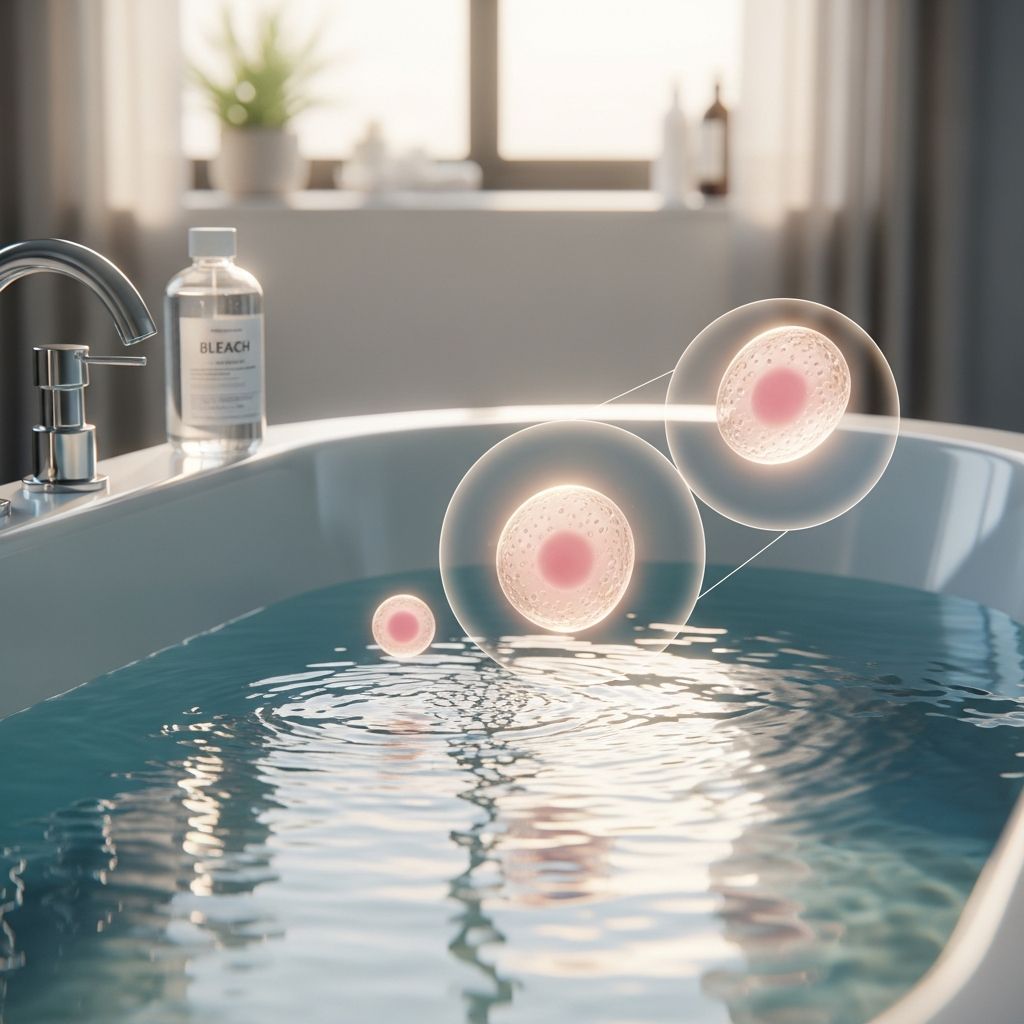
Bleach baths are dilutions of household bleach with water prepared in a standard bathtub. The concentration of chlorine achieved is similar to that found in a typical swimming pool, making the treatment both familiar and accessible to patients. The solution is created by adding a measured amount of common household bleach (sodium hypochlorite at approximately 6% concentration) to bathwater, resulting in a diluted antimicrobial solution suitable for dermatological use.
The treatment represents one of the most straightforward methods of managing recurrent skin infections and bacterial colonization. Unlike many pharmaceutical interventions, bleach baths require minimal preparation and can be administered in the home setting, making them particularly valuable for patients with chronic or recurrent skin conditions.
Predisposing Factors for Skin and Soft Tissue Infections
Several factors increase the risk of developing recurrent skin and soft tissue infections. Understanding these predisposing factors is essential for implementing appropriate preventive strategies. Common predisposing factors include:
- Compromised skin barrier function
- Atopic dermatitis or other inflammatory skin conditions
- Previous history of skin infections
- Presence of chronic skin conditions
- Immunocompromised states
- Poor skin hygiene or environmental factors
- Genetic predisposition to bacterial colonization
Patients presenting with these risk factors may benefit significantly from preventive measures, including regular bleach bath therapy in conjunction with other decolonization strategies.
Mechanisms of Decolonization
Attempts to reduce S. aureus colonization through skin decolonization involve combinations of multiple approaches. Effective decolonization strategies may include:
- Dilute bleach bath therapy
- Topical antimicrobial agents
- Intranasal antimicrobial preparations
- Systemic antibiotics when clinically indicated
- Enhanced personal hygiene measures
- Environmental decontamination
- Skin barrier repair and maintenance
In conjunction with other methods of decolonization, bleach baths reduce rates of recurrent primary and secondary skin and soft tissue infections. The most effective approach typically combines bleach bath therapy with complementary interventions tailored to the individual patient’s specific circumstances and underlying conditions.
Antimicrobial Properties and Spectrum of Action
Bleach baths possess broad-spectrum antimicrobial action, making them effective against multiple pathogens commonly involved in skin infections. The active ingredient, sodium hypochlorite, demonstrates efficacy against:
- Staphylococcus aureus (including methicillin-resistant strains)
- Staphylococcus epidermidis
- Gram-positive bacteria
- Gram-negative bacteria
- Certain fungal organisms
- Viral pathogens
A significant advantage of bleach bath therapy is that no microbial resistance has been reported to sodium hypochlorite. This characteristic makes bleach baths valuable as a long-term treatment option, as the risk of developing resistant organisms is essentially absent. However, it is important to note that the effect of bleach baths on decolonizing the patient’s skin is only temporary, so treatment must be repeated regularly to maintain efficacy.
Related Stories



How to Prepare and Use Bleach Baths
Preparation Instructions
Proper preparation of bleach bath solutions is essential for both safety and efficacy. The concentration must be carefully controlled to ensure therapeutic benefit without causing adverse effects. Follow these detailed steps for preparation:
- Fill the bathtub: Add lukewarm water to fill the tub to your preferred depth (approximately 40 gallons for a full tub).
- Measure the bleach: Use the following guidelines based on water level:
- 1 capful for one-quarter tubful of water
- ¼ cup for one-half tubful of water
- ½ cup for a full tub of water
- Add bleach: Verify that the bleach concentration is approximately 6% sodium hypochlorite before adding it to the bathwater.
- Mix thoroughly: Completely disperse the bleach throughout the water. The bathroom should smell similar to a chlorinated swimming pool.
- Soak: Immerse the body in the solution, soaking for approximately 10-15 minutes. For localized infections, affected areas may be soaked separately.
- Rinse: After soaking, thoroughly rinse the skin with lukewarm, fresh water to remove residual bleach.
- Moisturize: Immediately apply a generous amount of moisturizer to the skin to prevent dryness and irritation.
Frequency of Treatment
The recommended frequency for bleach bath therapy is 2 to 3 times each week, or as directed by your healthcare provider. Consistency with this schedule is important for maintaining bacterial suppression. Some patients may require more frequent bathing during acute infection periods, while others may benefit from reduced frequency once improvement is achieved.
Treatment duration varies depending on the specific condition being treated and individual patient response. Regular communication with your healthcare provider is essential to adjust frequency and determine when treatment may be reduced or discontinued.
Benefits in Atopic Dermatitis and Eczema
Bleach bath therapy demonstrates particular effectiveness in patients with atopic dermatitis complicated by bacterial infection. A study published in the Journal of Pediatrics found that children with moderate to severe atopic dermatitis and clinical signs of bacterial infection who received bleach baths had a five times greater reduction in the severity of their eczema symptoms compared to those treated with a placebo.
Patients with atopic dermatitis often lack adequate amounts of the protein filaggrin, which normally helps skin cells form a strong barrier. This compromised barrier allows bacteria, viruses, and other microorganisms to more easily colonize and penetrate the skin. The resulting overgrowth of microbes can progress to infection when organisms enter deeper tissue or the bloodstream.
Bleach bath therapy helps address this problem by reducing bacterial burden on the skin surface. For some patients, this results in reduced need for topical antibiotics and steroids, though results vary among individuals. Bleach baths work best for patients who frequently experience staph infections of the skin.
Clinical Efficacy and Evidence
Bleach baths have been reported by clinicians and patients to be associated with improvement of inflammation in patients with atopic dermatitis. Clinical benefits may be related to multiple mechanisms, including reduction of bacterial load, anti-inflammatory effects, and general skin barrier improvement through bathing itself.
It is important to note that recent meta-analyses have concluded that water baths alone can significantly decrease the severity of atopic dermatitis. This suggests that some benefits attributed to bleach may result from the bathing process itself rather than solely from antimicrobial activity. Improved disease through various mechanisms may indirectly decrease bacterial burden through enhanced innate antimicrobial functions of healthier skin.
Bleach baths are usually well tolerated by both children and adults when used as directed. They help the skin heal and can reduce the need for antibiotic pills and skin creams, providing both therapeutic and practical benefits to patients managing chronic skin conditions.
Important Precautions and Safety Considerations
While bleach baths are generally safe when used properly, several important precautions must be observed:
- Do not use undiluted bleach: Never apply bleach directly to the skin at full strength. Always use properly diluted solutions only.
- Avoid overuse: Using too much bleach or taking bleach baths too frequently can cause very dry skin, which may make therapy painful and counterproductive.
- Maximum frequency: Do not exceed 3 bleach baths per week unless specifically directed by your healthcare provider.
- Always moisturize: Apply moisturizer immediately after bathing and rinsing to prevent excessive dryness.
- Eye contact: Avoid getting bleach solution in the eyes. If eye contact occurs, rinse immediately with water.
- Individual variation: Bleach baths may not be helpful for everyone with eczema, so consultation with a healthcare provider is essential before initiating therapy.
- Existing skin damage: Use caution with severely damaged or broken skin.
Adverse Effects and Management
Adverse effects from bleach bath therapy are generally minimal when used correctly, but some patients may experience:
- Skin dryness and irritation
- Excessive scaling
- Temporary increase in itching
- Mild burning sensation on broken skin
Most adverse effects can be prevented or minimized by proper moisturization, limiting treatment frequency, and ensuring correct dilution of the bleach solution. If significant adverse effects occur, discontinue treatment and consult your healthcare provider.
Comparison with Other Treatment Approaches
| Treatment Approach | Mechanism | Frequency | Cost | Side Effects |
|---|---|---|---|---|
| Bleach Baths | Broad-spectrum antimicrobial | 2-3x weekly | Minimal | Dryness if overused |
| Topical Antibiotics | Targeted antimicrobial | 1-2x daily | Moderate | Resistance development |
| Systemic Antibiotics | Systemic antimicrobial | Variable | Moderate-High | Multiple systemic effects |
| Topical Steroids | Anti-inflammatory | 1-2x daily | Moderate | Skin atrophy with overuse |
Frequently Asked Questions
Q: Is bleach bath therapy safe for children?
A: Yes, bleach baths are generally safe for children when properly diluted and used as directed. The concentration is similar to chlorinated swimming pool water. Bleach baths are usually well tolerated by children, but parental supervision is essential. Always consult with your healthcare provider before beginning treatment in children.
Q: Can bleach baths cause skin damage?
A: When used correctly, bleach baths do not cause skin damage. However, excessive use, improper dilution, or failure to moisturize afterward can lead to dryness and irritation. Never exceed 3 baths per week, and always apply moisturizer immediately after rinsing.
Q: How long does it take to see improvement?
A: Some patients notice improvement within 1-2 weeks of starting bleach bath therapy, while others may require 4-6 weeks of consistent treatment. Results vary depending on the severity of infection and individual skin characteristics. Consult your healthcare provider if improvement is not evident after 6 weeks.
Q: Can I use bleach baths indefinitely?
A: Bleach baths can be used long-term as maintenance therapy since no microbial resistance develops. However, frequency may be adjusted as the condition improves. Work with your healthcare provider to establish the minimum frequency needed to prevent recurrent infections.
Q: What should I do if bleach gets in my eyes?
A: Immediately rinse your eyes thoroughly with clean water for at least 15 minutes. Remove contact lenses if present. If irritation persists, seek medical attention. The concentration used in bleach baths is similar to swimming pool chlorine and generally causes minimal harm with prompt rinsing.
Q: Can bleach baths be used on broken or infected skin?
A: Bleach baths can be used to treat infected skin and soft tissue infections, but exercise caution with severely damaged skin as this may cause stinging. Starting with less frequent baths (once weekly) and gradually increasing frequency may help minimize discomfort while treating the infection.
Q: Are there alternatives to bleach baths?
A: Yes, alternatives include topical and systemic antibiotics, topical steroids, and other antimicrobial treatments. However, bleach baths offer distinct advantages including low cost, lack of microbial resistance, and effectiveness in reducing bacterial colonization. Combination therapy using bleach baths with other approaches often provides optimal results.
Q: Does the bathroom smell persist after bleach baths?
A: The chlorine smell is normal and expected, resembling a swimming pool environment. This indicates proper dilution. The odor typically dissipates within a few hours. Ensure adequate ventilation in the bathroom during and after treatment.
Conclusion and Clinical Recommendations
Bleach bath therapy represents a safe, inexpensive, and effective treatment option for patients with recurrent skin infections and bacterial colonization, particularly those with Staphylococcus aureus involvement. When combined with other decolonization methods and appropriate skin care, bleach baths can significantly reduce infection recurrence and improve clinical outcomes in atopic dermatitis and other chronic skin conditions.
The key to successful bleach bath therapy is proper preparation, appropriate frequency, consistent moisturization, and regular communication with healthcare providers. While bleach baths may not be helpful for all patients with eczema, they represent an evidence-based option worth discussing with your dermatologist as part of a comprehensive treatment strategy.
References
- Dilute bleach baths used for treatment of atopic dermatitis are not antimicrobial in vitro — National Center for Biotechnology Information (NCBI), PubMed Central. 2020. https://www.ncbi.nlm.nih.gov/pmc/articles/PMC7183041/
- Eczema bleach bath: Can it improve my symptoms? — Mayo Clinic. 2024. https://www.mayoclinic.org/diseases-conditions/atopic-dermatitis-eczema/expert-answers/eczema-bleach-bath/faq-20058413
- Skin infections – bleach baths — Royal Children’s Hospital Melbourne, Kids Health Info. 2024. https://www.rch.org.au/kidsinfo/fact_sheets/skin_infections_bleach_baths/
- Eczema Bleach Baths — Nationwide Children’s Hospital, Department of Dermatology. 2024. https://www.nationwidechildrens.org/specialties/dermatology/dermatology-resources/eczema-bleach-baths
- Bleach Baths for Eczema — My Health Alberta, Government of Alberta. 2024. https://myhealth.alberta.ca/Health/Pages/conditions.aspx?hwid=abh0255
- Why Bleach Baths Help Eczema and When to Go to a Dermatology Office — Happy Skin Dermatology. 2023. https://www.happyskindermatology.com/2023/09/22/why-bleach-baths-help-eczema-and-when-to-go-to-a-dermatology-office/
Similar Articles








Read full bio of Sneha Tete