Bleeding During Pregnancy: Causes, Concerns & When to Seek Help
Learn about vaginal bleeding during pregnancy, from common causes to serious complications requiring medical attention.
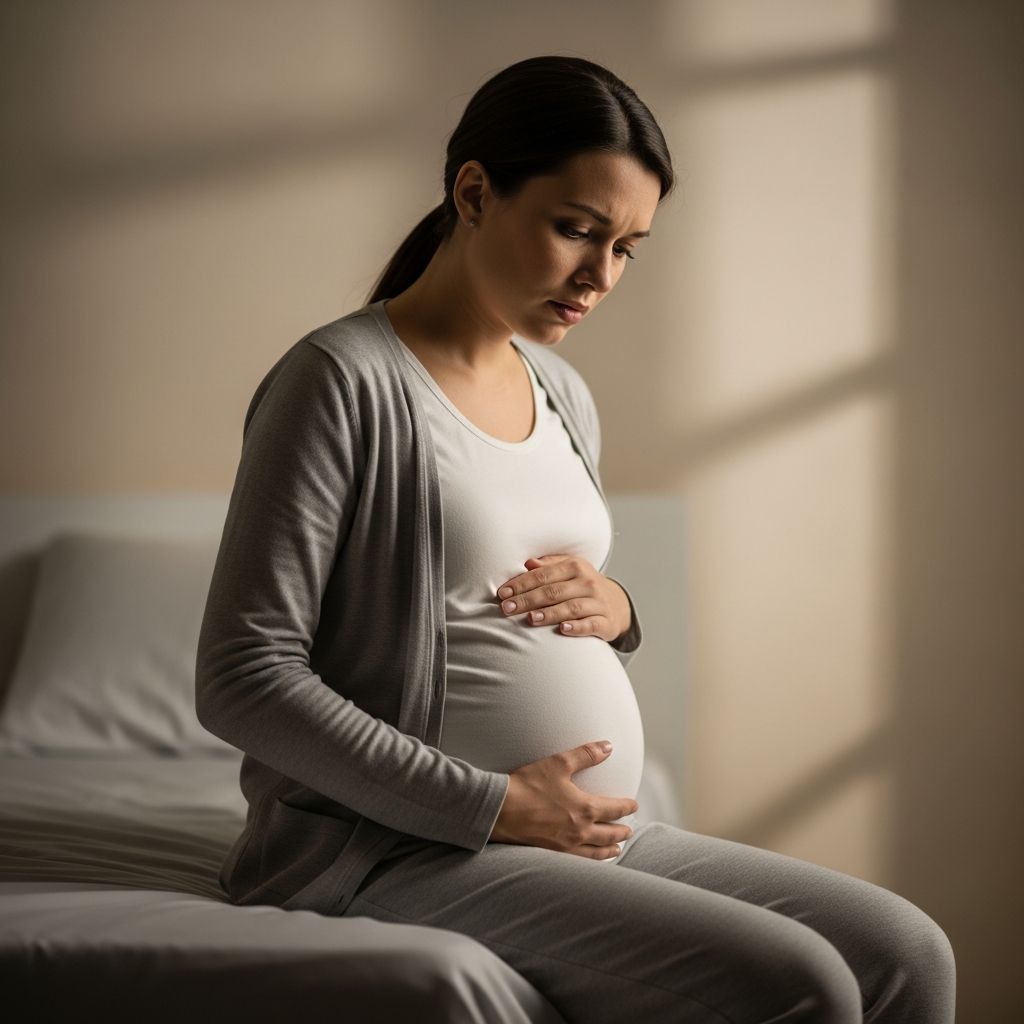
Discovering vaginal bleeding during pregnancy can be alarming and confusing. While some bleeding during pregnancy is completely normal and harmless, other cases may warrant immediate medical attention. Understanding the different types of bleeding, their causes, and when to contact your healthcare provider is essential for protecting both your health and your baby’s development. This comprehensive guide explores the various causes of bleeding during pregnancy and provides guidance on when professional medical evaluation is necessary.
Understanding Vaginal Bleeding in Pregnancy
Vaginal bleeding during pregnancy is more common than many people realize, particularly during the first trimester. While it can be frightening to experience any bleeding when you’re expecting, it’s important to know that not all pregnancy bleeding indicates a serious problem. Your obstetrician-gynecologist can help determine the underlying cause and whether any intervention is needed.
One of the most critical points to understand is that if you experience bleeding while pregnant, it is not your uterine lining shedding as it would during a regular menstrual period. Instead, bleeding during pregnancy can have a variety of different causes, ranging from completely benign conditions to those requiring prompt medical attention. The key is recognizing which situations need professional evaluation and understanding what different types of bleeding may indicate.
Common Causes of Early Pregnancy Bleeding
Implantation Bleeding
One of the earliest causes of vaginal bleeding in pregnancy is implantation bleeding, which occurs when a fertilized egg implants into your uterine lining. This type of bleeding is considered a normal symptom of early pregnancy and happens in approximately 1 in 4 pregnancies. Implantation bleeding typically appears as light spotting or a small amount of blood and occurs around the time when a woman might expect her regular period.
Implantation bleeding is distinguished by its light nature—it should not soak through a menstrual pad or contain blood clots. The bleeding typically lasts only a day or two and may not be accompanied by cramping or pain. If your bleeding is minimal, lasts briefly, and you don’t experience discomfort, it’s likely implantation bleeding and no cause for concern. However, if the bleeding is heavier, persists longer than a few days, or is accompanied by severe cramping, you should contact your healthcare provider to rule out other conditions.
Cervical Ectropion
Pregnancy increases your likelihood of developing a condition called cervical ectropion, which is a harmless change that occurs on the cervix. In this condition, cells from inside the cervix grow on its outer surface, making the cervix more friable—meaning it bleeds easily when touched or irritated. Women with cervical ectropion may experience bleeding after sexual intercourse or following a gynecological exam.
While cervical ectropion can cause spotting throughout pregnancy, it does not pose a threat to your baby or your pregnancy. Some women experience occasional bleeding whenever they have intercourse or receive a cervical examination, but this is a normal response and not indicative of any serious problem. Your healthcare provider can confirm whether cervical ectropion is the source of your bleeding through a simple examination.
Related Stories



Subchorionic Hematoma
Another condition that can cause vaginal bleeding during pregnancy is a subchorionic hematoma, which is essentially a blood clot that forms between the developing placenta and the uterine wall. The main symptom of this condition is vaginal bleeding, which can range from light spotting to heavier bleeding with clots. Bleeding may also be accompanied by pelvic cramping, though this is not always the case.
Interestingly, many women with subchorionic hematomas experience no bleeding at all and only discover the condition during a routine ultrasound examination. Medical professionals have noted that the diagnosis of subchorionic hematoma has become more common as early ultrasounds have become standard practice in prenatal care. The important thing to understand is that having a subchorionic hematoma is not necessarily a predictor of poor pregnancy outcomes. Many of these hematomas resolve on their own without any intervention, though some may continue to bleed throughout pregnancy.
Serious Conditions Associated with Pregnancy Bleeding
Placenta Previa
Placenta previa is a condition where the placenta blocks some or all of the vaginal canal. The placenta is a temporary organ that forms during pregnancy, attaching to the uterine wall and providing your growing fetus with essential nutrients and oxygen. When the placenta is positioned low in the uterus and partially or completely covers the cervical opening, it can result in vaginal bleeding. This condition requires careful monitoring and medical management, as it can affect how you deliver your baby.
Miscarriage and Threatened Miscarriage
A miscarriage is the loss of a pregnancy, and while most miscarriages occur during the first trimester, they can happen at any point during pregnancy. Bleeding is often associated with miscarriage, though it’s important to note that not everyone who experiences a miscarriage has vaginal bleeding. When miscarriage-related bleeding does occur, it may progress from light spotting to heavy bleeding and may include tissue or blood clots.
Related to miscarriage is the condition known as threatened miscarriage, which is a complication that can occur in early pregnancy and cause vaginal bleeding. With a threatened miscarriage, your cervix remains closed, but you experience bleeding and sometimes pelvic cramping or pain. The critical distinction is that a threatened miscarriage does not always result in the loss of a pregnancy—some pregnancies continue successfully despite initial bleeding.
Placental Abruption
Placental abruption occurs when the placenta detaches from the uterine wall during pregnancy. This condition can cause bleeding and abdominal cramping. In some cases of placental abruption, the bleeding is visible as vaginal bleeding; however, in cases where the abruption is concealed, blood becomes trapped behind the placenta and does not appear as external bleeding. In other instances, the abruption develops slowly and causes only occasional, light bleeding.
When to Contact Your Healthcare Provider
Importance of Medical Evaluation
First and foremost, it’s always appropriate to contact your obstetrician or midwife about any vaginal bleeding during pregnancy, regardless of how minimal you think it might be. Even if you believe the bleeding is probably not serious, it’s best to verify this with your healthcare provider. Professional medical evaluation is the only way to be certain about what’s causing your bleeding and whether any intervention is necessary.
Emergency Situations
Heavy vaginal bleeding during pregnancy always warrants immediate contact with your healthcare provider and may require a visit to the emergency department. If you’re experiencing bleeding to the extent that it resembles a menstrual period, you should call your provider’s office right away. Additionally, if you’re soaking through menstrual pads—meaning you’re saturating one or more pads per hour—this rises to the level of requiring emergency care. Other signs that demand immediate attention include the passage of large blood clots (larger than a golf ball), severe abdominal pain, dizziness, feeling faint, or an increased heart rate.
Comparison of Common Bleeding Conditions
| Condition | Timing | Bleeding Characteristics | Associated Symptoms | Severity Level |
|---|---|---|---|---|
| Implantation Bleeding | Around time of missed period | Light spotting, no clots | Minimal or no cramping | Low |
| Cervical Ectropion | Throughout pregnancy | Light bleeding after intercourse or exam | No cramping | Low |
| Subchorionic Hematoma | First half of pregnancy | Light to heavy, may include clots | Possible pelvic cramping | Variable |
| Threatened Miscarriage | Early pregnancy | Light to heavy bleeding | Pelvic cramping, pain | Moderate to High |
| Placental Abruption | Any time in pregnancy | Variable bleeding (may be concealed) | Abdominal pain, cramping | High |
Managing Bleeding During Pregnancy
Self-Care Measures
For light implantation bleeding or other minor bleeding conditions, wearing a panty liner in your underwear is typically all the protection you’ll need. It’s important to use pads rather than tampons during pregnancy, as tampons can introduce bacteria into the vagina and potentially increase infection risk. Additionally, nothing should be inserted into the vagina during pregnancy unless specifically recommended by your healthcare provider.
When Complications May Occur
While implantation bleeding has no complications and is simply a normal part of pregnancy that occurs in many individuals, other causes of bleeding may require specific medical management. Your healthcare provider can discuss appropriate treatment options based on the underlying cause of your bleeding and your individual pregnancy circumstances.
Frequently Asked Questions
Q: Is it possible to have a period while pregnant?
A: No, officially you cannot have your period when you’re pregnant. However, you can still experience vaginal bleeding from various other causes during pregnancy. Any bleeding during pregnancy is not your uterine lining shedding as it would during menstruation, but rather bleeding from another source that your healthcare provider can help identify.
Q: How much bleeding is considered normal in early pregnancy?
A: Normal early pregnancy bleeding, such as implantation bleeding, is typically light spotting that doesn’t soak through a pad and lasts only a day or two. If bleeding is heavier, persists longer, contains clots, or is accompanied by severe pain, contact your healthcare provider.
Q: Can bleeding always be seen with a subchorionic hematoma?
A: No. Many women with subchorionic hematomas experience no bleeding at all. The condition is often discovered incidentally during a routine ultrasound examination. Some people may have light spotting, while others experience heavier bleeding.
Q: What should I do if I’m soaking through pads?
A: If you’re soaking through menstrual pads during pregnancy, this is considered a medical emergency requiring immediate care. Contact your healthcare provider right away or go to the emergency department.
Q: Is bleeding after a cervical exam normal?
A: Yes, some light spotting or bleeding after a cervical examination is normal, especially if you have cervical ectropion. This occurs because the cervix is friable and bleeds easily when touched. However, you should still mention this to your healthcare provider.
Q: Can implantation bleeding harm my pregnancy?
A: No, implantation bleeding does not harm you or the fetus. If your bleeding is light and goes away within a day or two, there’s usually nothing to worry about regarding your pregnancy’s viability.
Conclusion
Vaginal bleeding during pregnancy can range from completely normal and harmless to potentially serious, making professional medical evaluation essential whenever bleeding occurs. While conditions like implantation bleeding and cervical ectropion are benign and require no treatment, other causes such as placental abruption or threatened miscarriage demand prompt attention. The key is not to panic but to contact your healthcare provider promptly so they can determine the cause and appropriate course of action. Remember that early detection and professional guidance can make a significant difference in managing any pregnancy complications. Trust your instincts—if something doesn’t feel right, reach out to your medical team. Your healthcare provider is there to support you and ensure the best possible outcome for both you and your baby.
References
- Can You Be Pregnant but Still Get Your Period? — Cleveland Clinic. December 2024. https://health.clevelandclinic.org/can-you-have-a-period-while-pregnant
- Implantation Bleeding — Cleveland Clinic. December 2024. https://my.clevelandclinic.org/health/symptoms/24536-implantation-bleeding
- Subchorionic Hematoma: Causes, Symptoms & Treatment — Cleveland Clinic. December 2024. https://my.clevelandclinic.org/health/symptoms/23511-subchorionic-hematoma
- Bloody Show: Pregnancy, Symptoms & Signs of Labor — Cleveland Clinic. December 2024. https://my.clevelandclinic.org/health/symptoms/21605-bloody-show
- Placental Abruption: Causes, Symptoms, & Treatment — Cleveland Clinic. December 2024. https://my.clevelandclinic.org/health/diseases/9435-placental-abruption
- Postpartum Hemorrhage (PPH): Causes, Risks & Treatment — Cleveland Clinic. December 2024. https://my.clevelandclinic.org/health/diseases/22228-postpartum-hemorrhage
Similar Articles








Read full bio of Sneha Tete