Bleeding Gums: Causes & Treatment Options
Learn what causes bleeding gums and when to seek professional dental care.
Bleeding Gums: Causes & Treatment
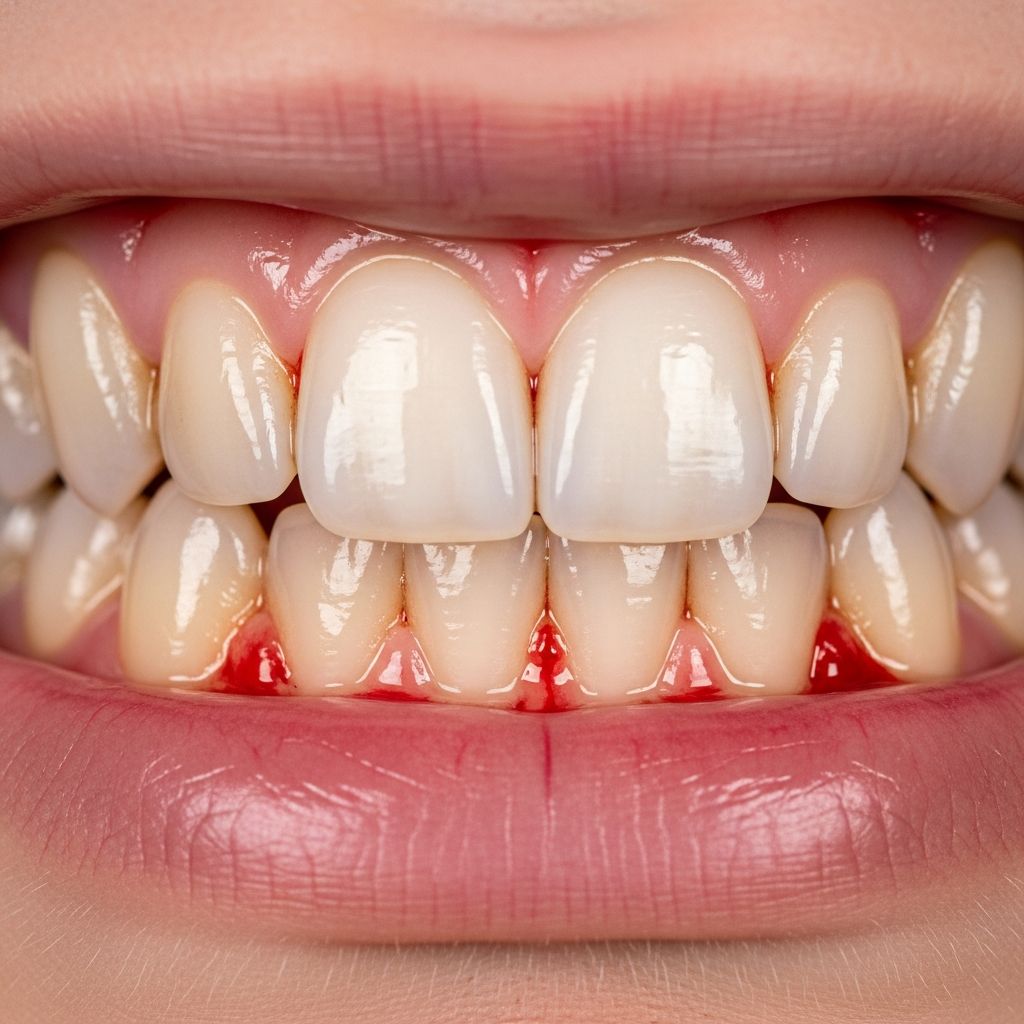
Bleeding gums can be concerning, but they’re usually not an emergency. However, understanding what causes them and when to seek professional care is essential for maintaining your oral health. Your gums play a crucial role in supporting your teeth and protecting the underlying bone structures. When your gums bleed, it’s often a sign that something needs attention, whether it’s your brushing technique, an underlying health condition, or early stages of gum disease.
What Causes Bleeding Gums?
Bleeding gums can result from various factors, ranging from minor irritations to serious health conditions. Identifying the underlying cause is the first step toward effective treatment and prevention.
Gum Disease
One of the most common causes of bleeding gums is gum disease, which includes gingivitis and periodontitis. Gingivitis is the earliest stage of gum disease, occurring when plaque and bacteria accumulate on your teeth and cause infection. If left untreated, gingivitis can progress to periodontitis, a more serious form of gum disease that can lead to tooth loss and affect your overall health.
Improper Brushing Techniques
Using a toothbrush with hard bristles or applying excessive pressure while brushing can irritate and damage your gums. Many people unknowingly brush too aggressively, causing gum tissue to recede and bleed. Switching to a soft-bristled toothbrush and using gentle, circular motions can significantly reduce gum irritation and bleeding.
Vitamin Deficiencies
Lack of essential vitamins, particularly vitamin C and vitamin K, can weaken your gums and make them more prone to bleeding. Vitamin C supports collagen production, which is vital for healthy gum tissue, while vitamin K aids in blood clotting. Incorporating vitamin-rich foods into your diet, such as citrus fruits, berries, leafy greens, and other nutrient-dense options, can help strengthen your gums.
Hormonal Changes
Fluctuations in hormones during pregnancy, menstruation, and menopause can increase gum sensitivity and bleeding. Hormonal changes affect the inflammatory response in your mouth, making your gums more susceptible to irritation. This condition is sometimes referred to as hormonal gingivitis.
Blood-Clotting Disorders
Certain blood disorders can prevent proper clotting, leading to excessive bleeding from your gums. Conditions such as hemophilia, thrombocytopenia, and other clotting abnormalities may present with bleeding gums as one of the initial symptoms. If you suspect a blood-clotting disorder, your healthcare provider may recommend specific testing.
Medications
Some medications can increase gum bleeding as a side effect. Blood thinners, anticoagulants, and certain other medications may contribute to bleeding gums. If you notice this symptom after starting a new medication, inform your healthcare provider, as they may adjust your prescription or recommend additional preventive measures.
Poor Oral Hygiene
Infrequent brushing and flossing allow plaque and tartar to accumulate on your teeth, which irritates your gums and leads to bleeding. Maintaining a consistent oral hygiene routine with twice-daily brushing and daily flossing is fundamental to preventing bleeding gums and gum disease.
Smoking
Tobacco use weakens your immune system and reduces blood flow to your gums, making them more vulnerable to infection and bleeding. Smokers are significantly more likely to develop gum disease and experience persistent bleeding gums compared to non-smokers.
Stress
Chronic stress can suppress your immune system, making it harder for your body to fight gum inflammation and infection. Stress management techniques may help reduce gum-related symptoms.
Related Stories



Other Health Conditions
Bleeding gums can sometimes indicate underlying systemic health issues such as diabetes, leukemia, or other conditions that affect immune function or blood clotting. If your bleeding gums persist despite good oral hygiene, your healthcare provider may recommend testing for these conditions.
When Should You See a Dentist?
While occasional bleeding from aggressive brushing or flossing may resolve on its own, persistent bleeding warrants professional evaluation. You should contact a dentist or healthcare provider if:
– Your gums bleed for more than two weeks- Bleeding is frequent or heavy- You experience swelling, redness, or persistent pain- Your gums are receding or your teeth appear to be shifting- You have chronic bad breath that doesn’t improve with oral hygiene- You develop pus or sores on your gums- You experience gum bleeding accompanied by other symptoms like fatigue or easy bruising
Early detection is key to managing gum disease and other conditions that cause bleeding gums. Delaying treatment can result in more extensive and costly procedures down the line.
Diagnostic Process
When you visit a dental professional for bleeding gums, they will perform a thorough examination to identify underlying causes and rule out severe conditions. Your dentist or periodontist may:
– Measure the depth of gum pockets around your teeth- Evaluate bone loss through dental X-rays- Assess your overall oral hygiene status- Review your medical history and current medications- Perform additional testing if underlying systemic conditions are suspected
Treatment Options for Bleeding Gums
Treatment depends on the underlying cause of your bleeding gums. Your healthcare provider will recommend an appropriate treatment plan tailored to your specific situation.
Non-Surgical Treatments
Professional Dental Cleaning
A professional cleaning removes plaque and tartar buildup that regular brushing cannot address. Your hygienist will use specialized instruments to thoroughly clean your teeth and gum line.
Scaling and Root Planing
Also called deep cleaning, this procedure reaches beneath your gum line to remove plaque and tartar from your root surfaces. Your periodontist will smooth rough spots on your teeth roots to prevent bacteria and plaque from reattaching. Local anesthesia is used to keep you comfortable during this procedure.
Laser Therapy
Your periodontist may use a tiny laser to remove diseased tissue and kill bacteria under your gums. Laser therapy offers several benefits, including minimal invasiveness and no need for incisions or sutures. However, it may not be effective for advanced periodontal disease.
Antibiotic Treatment
In some cases, antibiotics may be prescribed to help eliminate bacterial infection contributing to your gum disease.
Nutritional and Medical Evaluations
If vitamin deficiencies or other underlying health conditions are suspected, your dentist may refer you to your primary care physician for further investigation and treatment.
Surgical Treatments
Flap Surgery (Pocket Reduction Surgery)
For moderate to advanced periodontal disease, your periodontist may recommend surgical intervention. During flap surgery, your periodontist creates incisions along your gum line and temporarily moves your gums away from your teeth. This allows better access to remove tartar buildup and clean root surfaces. They may also smooth and reshape areas of damaged bone to make it harder for bacteria to hide and grow. Finally, your gums are repositioned and sutured into place.
Guided Tissue Regeneration
This procedure involves placing a special membrane between your tooth root and bone to encourage bone regeneration and prevent unwanted tissue growth.
Underlying Health Conditions
If you have bleeding gums but don’t have gum disease, your healthcare provider will investigate other possible causes. They may recommend testing to determine if you have diabetes, blood-clotting disorders, vitamin deficiencies, or other underlying health conditions. Once you receive a diagnosis, your provider will recommend appropriate treatment for the specific condition.
Self-Care and Prevention
Taking steps to care for your gums at home can help prevent bleeding and support professional treatment:
– Brush your teeth twice daily with a soft-bristled toothbrush using gentle, circular motions- Floss daily to remove plaque and food debris between your teeth- Use an antimicrobial mouthwash if recommended by your dentist- Maintain a balanced diet rich in vitamins C and K- Quit smoking and avoid tobacco products- Manage stress through exercise, meditation, or other relaxation techniques- Visit your dentist regularly for checkups and cleanings- Replace your toothbrush every three to four months- Consider using a water flosser if you have sensitive gums
Prognosis and Management
Bleeding gums may go away on their own if caused by a temporary irritation. However, if the bleeding hasn’t stopped in two weeks, you should talk to a dentist or primary care physician. They’ll either recommend bleeding gums treatment, such as a deep dental cleaning, or treatment for another underlying condition.
It’s important to note that while gum disease can be managed and even reversed in its early stages, there’s no permanent cure. However, with proper treatment and improved oral hygiene at home, you can effectively manage gum disease and prevent it from progressing to more serious stages.
Frequently Asked Questions
Q: Are bleeding gums always a sign of gum disease?
A: No. Bleeding gums can result from aggressive brushing, hormonal changes, vitamin deficiencies, certain medications, or other underlying health conditions. A professional evaluation is needed to determine the cause.
Q: Is it normal for gums to bleed when flossing?
A: Occasional bleeding when starting to floss is relatively common, especially if you haven’t flossed regularly. However, if you experience regular bleeding during flossing, it may indicate gum inflammation or disease.
Q: Can bleeding gums be treated at home?
A: Yes, improved brushing technique, regular flossing, and a nutritious diet can help reduce bleeding gums. However, persistent bleeding should be evaluated by a dentist to rule out gum disease or other serious conditions.
Q: What foods support healthy gums?
A: Vitamin C-rich foods such as citrus fruits and berries, and vitamin K-rich foods such as leafy greens, help strengthen gums and support oral health.
Q: How often should I see a dentist if my gums bleed?
A: If you have bleeding gums due to gum disease, your dentist may recommend more frequent visits than the standard twice-yearly checkups. Your specific schedule will depend on the severity of your condition.
Q: Can smoking cause bleeding gums?
A: Yes. Smoking weakens gum tissue, reduces blood flow, and contributes significantly to gum disease development and progression.
Q: Do water flossers help with bleeding gums?
A: Yes. Water flossers gently clean below the gumline and can be helpful for people with sensitive gums or those who find traditional flossing uncomfortable.
Q: Can hormonal changes cause bleeding gums?
A: Yes. Hormonal fluctuations during pregnancy, menstruation, and menopause can increase gum sensitivity and bleeding due to changes in the inflammatory response.
Q: What’s the difference between gingivitis and periodontitis?
A: Gingivitis is the earliest, reversible stage of gum disease characterized by inflammation and bleeding. Periodontitis is a more advanced stage where the infection damages the bone supporting your teeth and can lead to tooth loss if untreated.
Q: Is bleeding gum treatment painful?
A: Professional gum treatments such as scaling and root planing use local anesthesia to numb your gums, making the procedure comfortable. Your dentist may also offer sedation options if you experience dental anxiety.
References
- Bleeding Gums: Causes & Treatment — Cleveland Clinic. 2024. https://my.clevelandclinic.org/health/symptoms/24908-bleeding-gums
- Gingivitis: Symptoms & How To Treat It — Cleveland Clinic. 2024. https://my.clevelandclinic.org/health/diseases/10950-gingivitis-and-periodontal-disease-gum-disease
- Gum Disease Treatment — Cleveland Clinic. 2024. https://my.clevelandclinic.org/health/treatments/10907-gum-disease-treatment
- Periodontal Disease (Gum Disease): Causes, Symptoms & Treatment — Cleveland Clinic. 2024. https://my.clevelandclinic.org/health/diseases/21482-gum-periodontal-disease
- Periodontitis: Symptoms, Causes & Treatment — Cleveland Clinic. 2024. https://my.clevelandclinic.org/health/diseases/16620-periodontitis
- Trench Mouth: What It Is, Symptoms & Treatment — Cleveland Clinic. 2024. https://my.clevelandclinic.org/health/diseases/17776-trench-mouth
Similar Articles








Read full bio of medha deb