Bleeding Gums: You May Need More Vitamin C
Discover why vitamin C deficiency could be causing your bleeding gums and how to address it.
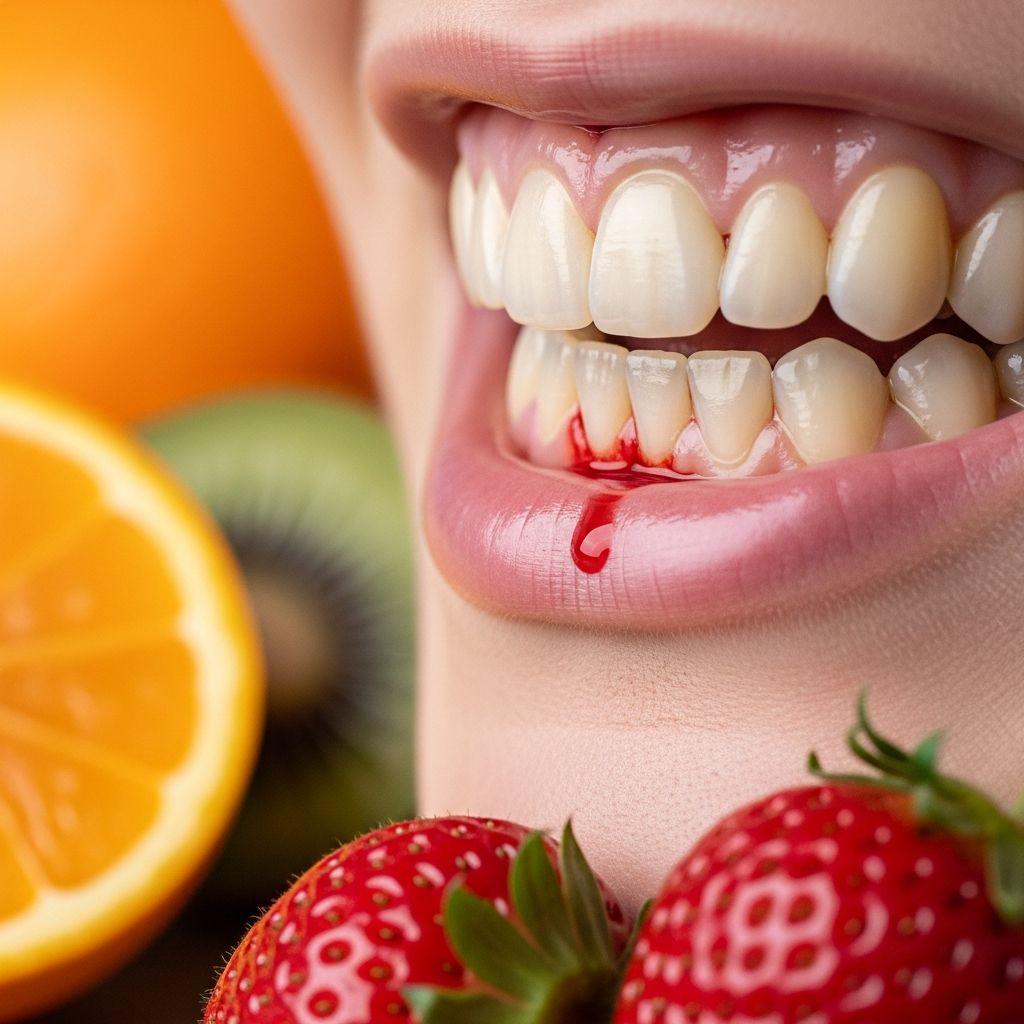
Understanding Bleeding Gums: More Than Just Poor Oral Hygiene
Bleeding gums are a common oral health concern that affects millions of people worldwide. When you notice blood in the sink after brushing or flossing, your first instinct might be to brush more vigorously or increase your flossing routine. However, recent research suggests that bleeding gums may not simply be a sign of inadequate oral hygiene. Instead, they could indicate an underlying nutritional deficiency, particularly a lack of vitamin C in your diet.
For decades, dental professionals have recommended that patients with bleeding gums focus on improving their brushing and flossing techniques. While these practices remain essential for maintaining good oral health, they may not address the root cause of the problem. A groundbreaking study from the University of Washington has reignited an important conversation about the relationship between vitamin C levels and gum health.
The Research Behind Vitamin C and Bleeding Gums
A comprehensive study published in Nutrition Reviews analyzed data from 15 clinical trials conducted across six countries, involving 1,140 predominantly healthy participants. The researchers also examined data from 8,210 U.S. residents surveyed in the Centers for Disease Control and Prevention’s Health and Nutrition Examination Survey. The findings were significant and compelling.
The study revealed that bleeding of the gums on gentle probing, gingival bleeding tendency, and retinal hemorrhaging were all associated with low vitamin C levels in the bloodstream. More importantly, when participants with low vitamin C plasma levels increased their daily vitamin C intake, their bleeding gums improved, and eye-related bleeding issues were reversed.
Lead researcher Philippe Hujoel, an adjunct professor of oral health sciences at the University of Washington School of Dentistry, emphasized the importance of this finding: “When you see your gums bleed, the first thing you should think about is not, I should brush more. You should try to figure out why your gums are bleeding. And vitamin C deficiency is one possible reason.”
How Vitamin C Supports Oral Health
Vitamin C, also known as ascorbic acid, plays a crucial role in maintaining the structural integrity of your gums and teeth. This essential nutrient is necessary for the synthesis of collagen, a protein that forms the foundation of gum tissue. Without adequate vitamin C, your gums become weak and fragile, making them more susceptible to bleeding and infection.
The relationship between vitamin C and gum health is not new. In fact, sailors on long voyages centuries ago learned this lesson the hard way. Extended periods without fresh fruits or vegetables—the primary sources of vitamin C—resulted in severe bleeding gums and tooth loss, symptoms of scurvy, a disease caused by severe vitamin C deficiency. However, this historical knowledge has been overshadowed in modern dentistry by an overemphasis on treating the symptom of bleeding rather than addressing its underlying cause.
The microvascular system, which comprises the tiny blood vessels throughout your body including those in the brain, heart, and kidneys, depends on adequate vitamin C to maintain its integrity. When vitamin C levels drop, these delicate blood vessels become fragile, leading to bleeding in multiple locations, including the gums and eyes.
Related Stories



Beyond Gums: The Systemic Implications
One of the most intriguing findings from the research is the connection between gum bleeding and broader cardiovascular health. The presence of bleeding gums and retinal hemorrhaging could indicate compromised microvascular function throughout the body. This discovery has significant health implications, as it suggests that bleeding gums might serve as a visible marker of systemic microvascular issues.
However, it’s important to note that while vitamin C deficiency may contribute to bleeding gums, successfully reversing gingival bleeding with vitamin C supplementation does not necessarily prevent strokes or other serious cardiovascular events. The research indicates that current vitamin C recommendations, which were designed primarily to prevent scurvy, may be insufficient to maintain optimal vascular health and prevent microvascular bleeding tendencies.
Common Causes of Bleeding Gums
While vitamin C deficiency is an important factor to consider, bleeding gums can result from several other causes. Understanding these potential triggers can help you determine the best course of action:
Gingivitis and Periodontal Disease: These are inflammatory conditions affecting the gum tissue. In early stages, gums may swell and bleed. If left untreated, gingivitis can progress to more severe periodontal disease, causing gums to recede and leading to tooth and bone loss.
Poor Oral Hygiene: Inadequate brushing and flossing can lead to plaque buildup, which irritates the gums and causes bleeding.
Systemic Health Conditions: Disorders such as diabetes and immune deficiencies are linked to an increased risk of gingivitis and gum bleeding.
Lifestyle Factors: Smoking significantly increases the risk of gum disease and bleeding gums.
Hormonal Changes: Pregnancy and hormonal fluctuations can make gums more sensitive and prone to bleeding.
Medications: Blood thinners and certain other medications can increase bleeding tendency.
Nutritional Deficiencies: In addition to vitamin C, deficiencies in other nutrients can contribute to gum problems.
Dietary Sources of Vitamin C
If you’re concerned about your vitamin C intake, incorporating more vitamin C-rich foods into your diet is an excellent first step. Hujoel recommends consuming non-processed foods such as kale, peppers, and kiwis. Other excellent sources of vitamin C include:
– Citrus fruits (oranges, lemons, grapefruits)
– Berries (strawberries, blueberries, raspberries)
– Tomatoes
– Broccoli
– Brussels sprouts
– Red and yellow bell peppers
– Papaya
– Guava
For those unable to obtain adequate vitamin C through diet, Hujoel recommends considering a supplement of about 100 to 200 milligrams per day. However, it’s always wise to consult with a healthcare provider before beginning any supplementation regimen.
Special Dietary Considerations
Certain popular diets may inadvertently increase the risk of vitamin C deficiency. If you follow a specialized eating plan, it’s important to evaluate your vitamin C intake carefully.
Low-Carbohydrate and Paleo Diets: These restrictive diets often eliminate many vitamin C-rich fruits and vegetables. Since fruits such as kiwis and oranges are high in sugar, they are typically excluded from low-carb dietary approaches. This avoidance can lead to insufficient vitamin C intake and an increased bleeding tendency.
Meat-Focused Diets: People who eat exclusively lean meats while avoiding offal (organ meats) may be at particularly high risk for low vitamin C intake. Organ meats, such as liver and kidneys, are nutrient-dense foods that provide substantial amounts of vitamin C, as well as other essential nutrients.
Reassessing Current Vitamin C Recommendations
The University of Washington research has prompted an important reassessment of vitamin C recommendations. Current daily vitamin C guidelines have been established primarily to prevent scurvy, an extreme deficiency disease. However, the research suggests that these recommendations may be too low to prevent milder forms of vitamin C insufficiency that manifest as bleeding gums and other microvascular issues.
For adult men, the current recommended dietary allowance is 90 mg per day, while adult women are advised to consume 75 mg daily. However, the research indicates that these amounts may be insufficient for optimal vascular health and gum integrity in some individuals, particularly those with genetic variations affecting vitamin C metabolism or those with increased demand due to stress, illness, or certain medications.
When to Seek Professional Dental Care
While vitamin C deficiency may be a contributing factor to bleeding gums, it’s important to rule out other potential causes. If your gums are bleeding, consider scheduling an appointment with your dentist. A dental professional can assess your oral health, check for signs of gingivitis or periodontal disease, and provide personalized recommendations.
Your dentist may recommend:
– Professional cleaning to remove plaque and tartar buildup
– Improved oral hygiene techniques
– More frequent dental visits if you have risk factors for gum disease
– Evaluation of medications that might increase bleeding tendency
– Referral to other healthcare providers if systemic conditions are suspected
A Holistic Approach to Gum Health
Maintaining healthy gums requires a multifaceted approach that extends beyond brushing and flossing alone. While these fundamental oral hygiene practices remain essential, addressing underlying nutritional deficiencies and systemic health factors is equally important.
Optimal Gum Health Strategy:
– Maintain a consistent oral hygiene routine with twice-daily brushing and daily flossing
– Ensure adequate vitamin C intake through diet or supplementation
– Quit smoking if applicable
– Manage systemic health conditions such as diabetes
– Reduce stress, which can compromise immune function
– Visit your dentist regularly for professional cleanings and evaluations
– Evaluate medications that might increase bleeding tendency
The Forgotten Connection
The association between gum bleeding and vitamin C deficiency was recognized more than thirty years ago. Research published in 1986 and 1991 by Paul Robertson, a former dean of the University of Washington School of Dentistry, identified gum bleeding as a biological marker for vitamin C levels. However, over time, this important connection has been marginalized in dental conversations, overshadowed by an overemphasis on treating the symptom of bleeding rather than investigating the underlying cause.
Hujoel explains: “There was a time in the past when gingival bleeding was more generally considered to be a potential marker for a lack of vitamin C. But over time, that’s been drowned out or marginalized by this overattention to treating the symptom of bleeding with brushing or flossing, rather than treating the cause.”
The Hidden Health Risk
Missing the possible connection between gum bleeding and low vitamin C levels has the potential to result in serious health consequences. By focusing solely on treating bleeding gums with improved oral hygiene without investigating underlying causes, healthcare providers may overlook important signs of systemic microvascular dysfunction.
The research indicates that “a default prescription of oral hygiene and other periodontal interventions to ‘treat’ microvascular pathologies, even if partially effective in reversing gingival bleeding, is risky because it does not address any potential morbidity and mortality associated with systemic microvascular-related pathologies.”
Frequently Asked Questions About Bleeding Gums and Vitamin C
Q: Can vitamin C supplements completely cure bleeding gums?
A: For individuals with low vitamin C plasma levels, increasing vitamin C intake can significantly improve or resolve bleeding gums. However, vitamin C supplementation alone may not address bleeding gums caused by other factors such as gingivitis, poor oral hygiene, or systemic health conditions. A comprehensive approach addressing all potential causes is most effective.
Q: How long does it take to see improvements in gum bleeding after increasing vitamin C intake?
A: The timeframe for improvement varies depending on the severity of the deficiency and individual factors. While the research shows that increasing vitamin C intake can help reverse bleeding issues, the specific timeline was not detailed in the studies. Consistent dietary changes or supplementation over several weeks is typically necessary to observe meaningful improvements.
Q: Is it possible to get enough vitamin C through diet alone?
A: Yes, for most people, a varied diet rich in fruits and vegetables provides adequate vitamin C. However, those following restrictive diets such as paleo or low-carb approaches may need to be more intentional about including vitamin C sources or consider supplementation.
Q: Should I stop flossing if my gums bleed?
A: No, you should not stop flossing. Maintaining proper oral hygiene is important for gum health. Gentle flossing is recommended, and if bleeding persists despite proper technique, consult your dentist to identify underlying causes, which may include vitamin C deficiency.
Q: Can bleeding gums indicate other serious health problems?
A: While bleeding gums are often related to gingivitis or vitamin C deficiency, they can also indicate other health issues such as blood clotting disorders, immune system problems, or diabetes. If you have persistent bleeding gums, it’s important to consult with a healthcare provider for proper evaluation.
Q: What is the recommended daily intake of vitamin C?
A: Current recommendations are 90 mg per day for adult men and 75 mg per day for adult women. However, some research suggests these amounts may be insufficient for optimal vascular health in certain individuals. For those with low vitamin C levels, supplementation of 100-200 mg daily may be beneficial.
References
- Bleeding gums? It may be a sign of Vitamin C deficiency — TechExplorist. 2021. https://www.techexplorist.com/bleeding-gums-sign-vitamin-c-deficiency/37579/
- Can increasing vitamin C intake help stop bleeding gums? — WDA Club. https://www.wdaclub.com/oral-health-education/can-increasing-vitamin-c-intake-help-stop-bleeding-gums/
- Bleeding gums may be a sign you need more vitamin C in your diet — University of Washington News. 2021-01-31. https://www.washington.edu/news/2021/01/31/bleeding-gums-may-be-a-sign-you-need-more-vitamin-c-in-your-diet/
- Nutrition Reviews — Published research on vitamin C and gum health. 2021-02-01.
- Why Do My Gums Bleed When I Floss? Causes & Solutions — Harvard Dental Tulsa. https://harvarddentaltulsa.com/blog/gums-bleed-when-i-floss/
Similar Articles








Read full bio of Sneha Tete