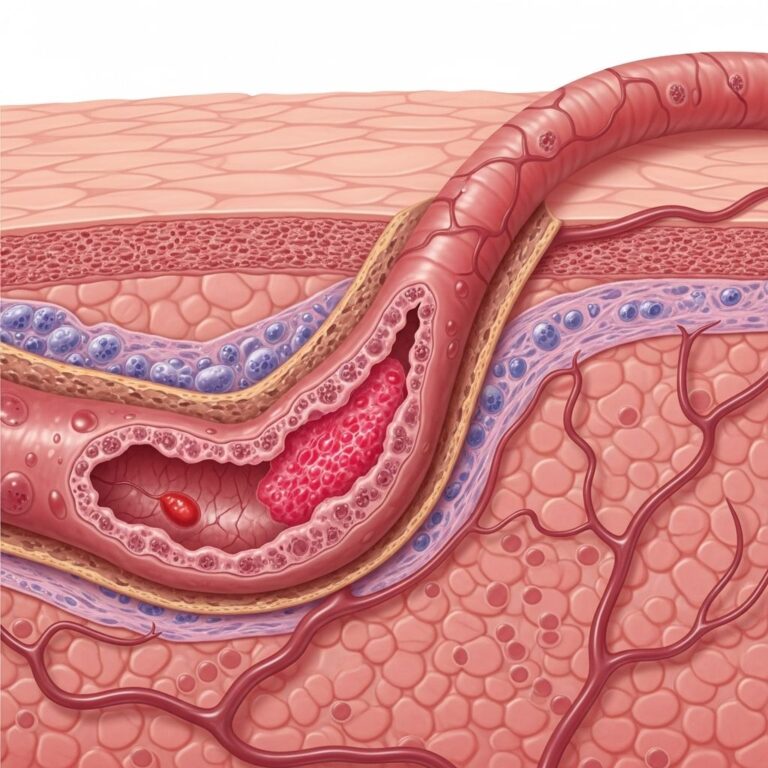
Blepharitis: Causes, Symptoms, and Treatment Options
Complete guide to understanding blepharitis, its causes, symptoms, and effective treatment strategies.
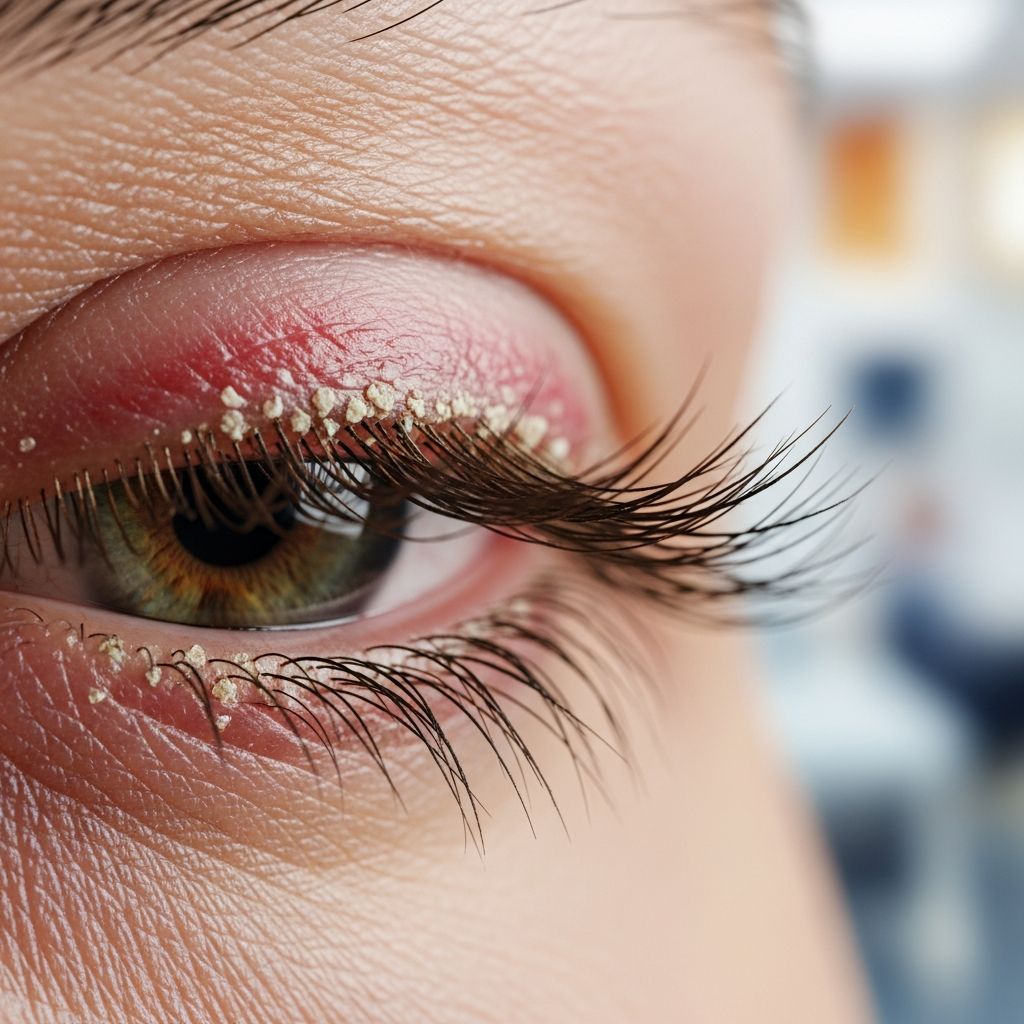
Understanding Blepharitis: A Comprehensive Overview
Blepharitis is a common inflammatory condition that affects the eyelids, causing them to become swollen, red, itchy, and irritated. The condition involves inflammation of the eyelid margins—the edge of the eyelids where eyelashes grow. Nearly half of the people seen by ophthalmologists and optometrists show symptoms of blepharitis, making it one of the most prevalent eye conditions today. While blepharitis can be uncomfortable and frustrating, it is generally not serious and can be effectively managed with proper treatment and daily eyelid care.
What Is Blepharitis?
Blepharitis is inflammation of the eyelid that typically affects the edges where the eyelashes are located. The condition can develop in one or both eyes and is characterized by symptoms that range from mild discomfort to more pronounced irritation. While blepharitis itself is rarely sight-threatening, the chronic nature of the condition requires ongoing management to prevent complications and maintain comfort.
Types of Blepharitis
Understanding the different types of blepharitis is crucial for determining the appropriate treatment approach. Blepharitis is generally classified based on its location on the eyelid and underlying cause:
Anterior Blepharitis
This type affects the front of the eyelid where the eyelashes are located. Anterior blepharitis is often caused by bacterial infection, particularly staphylococcal bacteria, or by seborrheic conditions where excess oil production leads to skin cell shedding and bacterial growth.
Posterior Blepharitis
Posterior blepharitis involves the inner edge of the eyelid and is typically related to dysfunction of the meibomian glands—the oil-producing glands in the eyelids. When these glands become clogged or irritated, they cannot properly secrete the oils necessary for tear film stability, leading to inflammation.
Common Symptoms and Signs
Blepharitis presents with a variety of symptoms that can significantly impact daily comfort and vision quality. Recognizing these symptoms early can lead to prompt treatment and better management outcomes:
Primary Symptoms
The main symptoms of blepharitis include swollen and red eyelids, itching and burning sensations, a gritty or foreign body feeling in the eye, excessive tearing, crusting or scaling around the eyelid margins, and difficulty wearing contact lenses. Many patients also experience sensitivity to light and notice their eyelids appearing greasy or oily.
Secondary Symptoms
Additional symptoms may include loss of eyelashes, eyelid sticking together upon waking, recurrent styes or chalazia (cysts), and temporary blurred vision that often clears with blinking. Some patients report discharge from the eyelids that may be purulent in bacterial infections.
Causes and Risk Factors
Blepharitis develops through various mechanisms, often involving a combination of factors rather than a single cause. Understanding these contributing elements helps in both prevention and effective management.
Primary Causes
The most common cause of blepharitis is an overgrowth of bacteria on the eyelids, particularly Staphylococcus aureus. While bacteria naturally inhabit skin, excessive proliferation can trigger inflammation. Another significant cause involves dysfunction of the meibomian glands, which produce essential oils for the tear film. When these glands become clogged or their secretions become abnormal, the tear film destabilizes, leading to inflammation and irritation.
Related Stories



Associated Conditions
Several underlying conditions increase the risk of developing blepharitis. Dandruff of the scalp and eyebrows (seborrheic dermatitis) is frequently associated with seborrheic blepharitis. Rosacea, an inflammatory skin condition, significantly raises blepharitis risk. Dry eye syndrome often coexists with blepharitis, as both conditions affect tear film quality and stability. Allergies, including reactions to eye makeup, contact lens solutions, or eye medications, can trigger inflammatory responses. Additionally, an excess of eyelash mites—microscopic organisms normally present on skin—or head lice can contribute to inflammation.
Risk Factors
Certain factors increase vulnerability to blepharitis development. Poor eyelid hygiene, while not the sole cause, contributes to bacterial accumulation and inflammation. Contact lens wear, especially with improper cleaning or prolonged use, elevates risk. Age-related changes to meibomian gland function can predispose individuals to blepharitis. Immune system disorders and certain systemic conditions may also increase susceptibility. Staphylococcal blepharitis predominantly affects females, occurring in approximately 80% of cases of this type.
Diagnosis and Evaluation
Proper diagnosis of blepharitis involves a comprehensive eye examination and assessment of symptoms. Healthcare professionals typically begin by reviewing the patient’s symptoms and medical history, including any associated conditions like rosacea or dandruff.
Physical Examination
The eye care provider performs a detailed examination of the eyelids using magnification to assess the degree of inflammation, redness, scaling, and discharge. The tear film is evaluated to determine quality and stability. In many cases, response to initial treatment helps confirm the blepharitis diagnosis. If symptoms persist in one eye despite appropriate treatment, additional testing may be warranted to rule out eyelid skin cancer or underlying immune-system disorders. Other signs requiring further investigation include loss of eyelashes or scarring of the conjunctiva—the transparent membrane covering the white part of the eye.
Treatment Options
Blepharitis treatment is tailored to the specific type and severity of the condition. Most cases respond well to consistent self-care measures, though some individuals require additional medical interventions.
Self-Care and Home Management
For most people, self-care measures provide significant symptom relief and represent the foundation of blepharitis management. Daily eyelid cleaning is essential and should be performed using mild soap that does not irritate the eyes, such as baby shampoo diluted with warm water. The eyelid margin should be gently cleansed with a soft washcloth to remove crusts and excess oil. Applying warm compresses to the eyelids for 5-10 minutes several times daily helps open clogged meibomian glands and soothe irritation. These warm compresses improve oil gland secretion and provide symptomatic relief. Many patients find that consistent self-care alone is sufficient to manage their blepharitis.
Medical Treatments
When self-care measures prove insufficient, healthcare providers prescribe various medications:
Antibiotic Therapy
Antibiotics are highly effective for bacterial blepharitis. Topical antibiotic ointments—including erythromycin, bacitracin ophthalmic, and polysporin—are applied directly to the eyelid margin. Antibiotic eye drops, such as combinations of polymyxin B and trimethoprim (Polytrim), offer alternative delivery methods. For cases not responding to topical antibiotics, oral antibiotics such as doxycycline or azithromycin may be prescribed. Antibiotics reduce bacterial colonization and provide symptom relief.
Anti-Inflammatory Medications
Steroid eye drops or ointments are prescribed to control inflammation when patients do not respond adequately to other therapies. These medications reduce redness, swelling, and irritation. Providers often prescribe both antibiotic and anti-inflammatory medications concurrently to address infection and inflammation simultaneously.
Immunomodulatory Medications
Cyclosporine eye drops (Restasis, Cequa, and other formulations) have demonstrated effectiveness in reducing inflammation associated with blepharitis, particularly posterior blepharitis. These medications modulate immune function and decrease inflammatory responses.
Treating Underlying Conditions
Addressing root causes significantly improves treatment outcomes. If dandruff contributes to blepharitis, treating seborrheic dermatitis helps prevent recurrence. Managing rosacea through appropriate medications and skin care reduces blepharitis flare-ups. Treating dry eye syndrome with appropriate eye drops or other interventions improves tear film stability and reduces inflammation.
Advanced In-Office Procedures
For more severe or resistant cases, eye care providers offer newer office-based treatments. BlephEx procedures use specialized equipment to remove accumulated debris from the eyelid margin, providing deep cleansing. Radiofrequency and intense pulsed light (IPL) treatments help unclog meibomian glands and reduce bacterial load. These procedures often provide more sustained relief than topical treatments alone.
Prognosis and Chronic Management
Blepharitis is typically a chronic condition that rarely disappears completely. Even with successful treatment, most patients require ongoing daily eyelid care to manage symptoms and prevent recurrence. The condition is not curable, but it can be effectively controlled through proper hygiene and appropriate medical management. With consistent treatment and attention, most people can significantly reduce symptom severity and frequency of flare-ups.
Potential Complications
Left untreated, blepharitis may lead to more serious eye conditions. Chronic inflammation can affect corneal health, potentially causing significant vision problems. Recurrent chalazia and styes may develop as secondary complications. In some cases, untreated inflammation may increase the risk for other ocular conditions. This underscores the importance of prompt diagnosis and consistent management.
Prevention and Daily Management
While many blepharitis cases are not entirely preventable—particularly those related to underlying skin conditions—several measures help minimize symptoms and prevent flare-ups. Maintaining excellent eyelid hygiene through daily cleaning is fundamental. Using appropriate eye makeup and replacing cosmetics regularly prevents bacterial contamination. Removing contact lenses if they exacerbate symptoms may be necessary. Avoiding rubbing the eyes reduces irritation. Managing associated conditions like dandruff and rosacea through appropriate treatment decreases blepharitis recurrence. Staying well-hydrated and using artificial tears supports tear film health.
Complementary Approaches
While no alternative medicines have been definitively proven to ease blepharitis symptoms, certain dietary approaches show promise. A diet rich in omega-3 fatty acids or supplements containing omega-3 fatty acids may help blepharitis linked with rosacea. Omega-3 sources include salmon, tuna, trout, flaxseed, and walnuts. However, more research is needed to establish the effectiveness of these dietary interventions conclusively.
Frequently Asked Questions
Q: Is blepharitis contagious?
A: Blepharitis itself is not contagious. However, if bacterial infection causes your blepharitis, the bacteria could potentially spread through contact, making good hygiene practices important.
Q: Can blepharitis cause permanent vision loss?
A: Blepharitis itself rarely causes permanent vision loss when properly managed. However, untreated chronic inflammation could potentially lead to corneal problems that affect vision, emphasizing the importance of treatment.
Q: How long does blepharitis typically last?
A: Blepharitis is typically chronic and may persist for months or years. However, with consistent eyelid hygiene and appropriate treatment, symptoms can be effectively controlled and managed.
Q: Can I wear contact lenses if I have blepharitis?
A: Contact lens wear may exacerbate blepharitis symptoms. Many patients find symptom relief by temporarily discontinuing lens use during acute flare-ups or switching to glasses until the condition improves.
Q: What is the difference between blepharitis and a stye?
A: A stye is a localized infection of an eyelid gland causing a painful bump, while blepharitis is diffuse inflammation affecting the eyelid margin. Blepharitis increases the risk of recurrent styes.
Q: Do I need to see a specialist for blepharitis?
A: Most blepharitis cases can be managed by primary care providers or optometrists. However, if symptoms persist despite treatment or if you develop complications, referral to an ophthalmologist is recommended.
References
- Blepharitis: Diagnosis & Treatment — Mayo Clinic. 2024. https://www.mayoclinic.org/diseases-conditions/blepharitis/diagnosis-treatment/drc-20370148
- Blepharitis (Eyelid Inflammation): Causes & Treatment — Cleveland Clinic. 2024. https://my.clevelandclinic.org/health/diseases/10032-blepharitis
- Blepharitis: Symptoms & Causes — Mayo Clinic. 2024. https://www.mayoclinic.org/diseases-conditions/blepharitis/symptoms-causes/syc-20370141
- Blepharitis — National Eye Institute, National Institutes of Health. 2023. https://www.nei.nih.gov/learn-about-eye-health/eye-conditions-and-diseases/blepharitis
- Blepharitis Symptoms, Causes, and Treatment — UVA Health. 2024. https://www.uvahealth.com/conditions/blepharitis
- Blepharitis — NHS (National Health Service). 2024. https://www.nhs.uk/conditions/blepharitis/
- Blepharitis Treatment and Management — University of Michigan Health. 2024. https://www.uofmhealth.org/our-care/specialties-services/blepharitis
Similar Articles








Read full bio of medha deb