Blepharitis: Symptoms, Causes, And Treatment Guide
Discover the essentials of blepharitis: from eyelid inflammation causes and symptoms to proven treatments and daily management strategies for lasting relief.
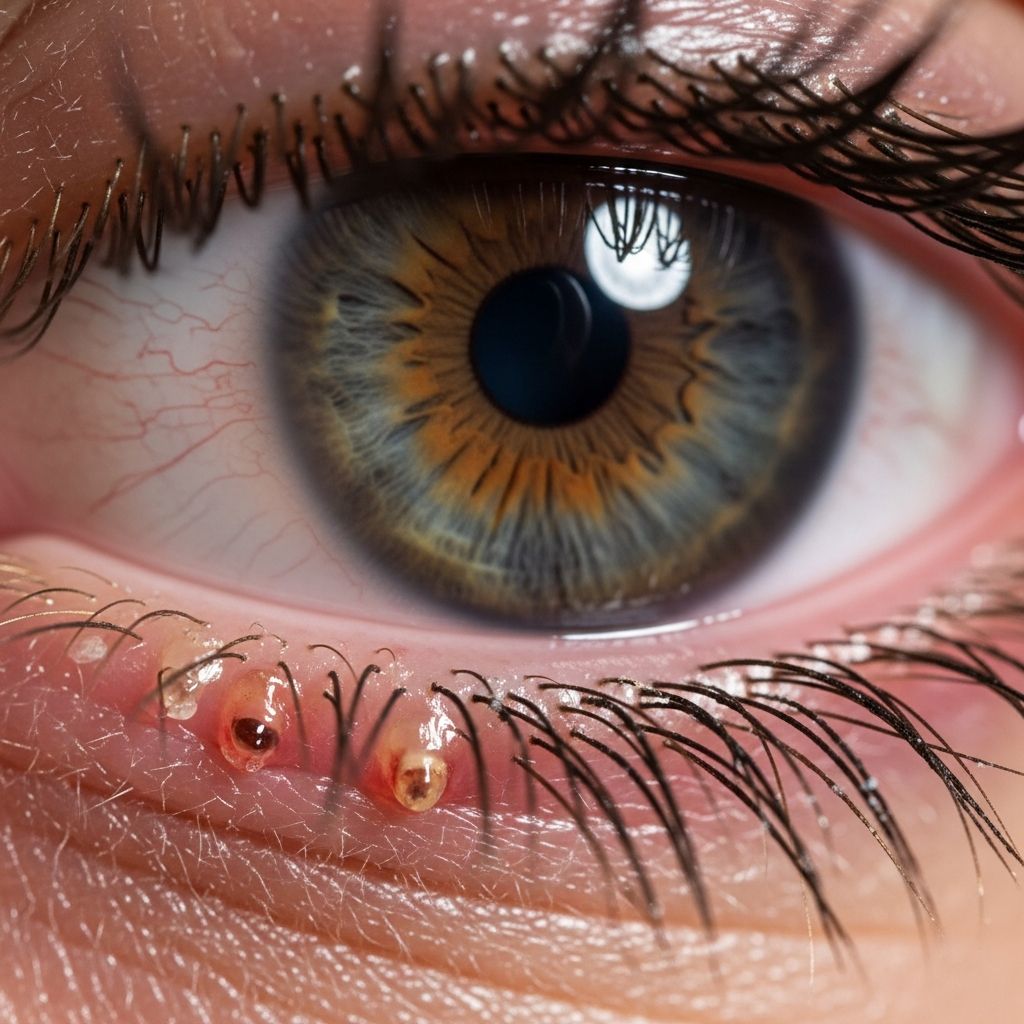
Eyelid inflammation, commonly known as blepharitis, affects the edges of the eyelids where the eyelashes grow. This condition disrupts the natural balance of oils and bacteria on the eyelids, leading to persistent discomfort.
Recognizing the Signs of Eyelid Issues
Individuals with blepharitis often experience a range of uncomfortable sensations around the eyes. Common indicators include redness along the eyelid margins, a gritty or foreign body feeling as if sand is present in the eyes, and persistent itching that prompts frequent rubbing. Burning sensations, especially upon waking, accompany excessive tearing or paradoxically dry eyes. Swollen eyelids that feel tender to the touch signal active inflammation.
Morning crusting or matting of eyelashes is a hallmark feature, where dried discharge binds lashes together overnight. Flaky skin resembling dandruff may appear at the base of lashes, and scales can cling stubbornly. Some report light sensitivity or blurred vision due to disrupted tear films.
- Red, irritated eyelid edges
- Itchy, burning sensations
- Crusting at lash bases
- Swollen, greasy-looking lids
- Gritty feeling during blinks
- Excessive tearing or dryness
- Flaking skin on eyelids
These symptoms can fluctuate, worsening in certain environments or seasons, and often mimic allergies or dry eye syndrome.
Classifying Blepharitis: Anterior vs. Posterior Forms
Blepharitis divides into two primary categories based on the affected eyelid structures. Anterior blepharitis targets the outer edge where eyelashes emerge, typically from bacterial buildup or skin disorders. Posterior blepharitis involves inner eyelid glands, particularly meibomian glands responsible for tear oil production.
Within anterior types, staphylococcal variants stem from bacterial infections, predominantly affecting women, while seborrheic forms link to oily skin and dandruff-like scaling. Posterior cases arise from meibomian gland dysfunction (MGD), where oils thicken, destabilizing tears and causing evaporation.
| Type | Location | Main Causes | Key Features |
|---|---|---|---|
| Anterior | Outer lash base | Bacteria, seborrhea | Crusting, scaling, lash loss |
| Posterior | Inner glands | Gland blockage | Oil deficiency, dry eyes |
Mixed forms combining both are frequent, complicating diagnosis.
Unraveling the Root Causes
Blepharitis rarely stems from a single factor; instead, multiple contributors converge. Bacterial overgrowth, especially Staphylococcus, thrives on eyelid skin, provoking immune responses. Demodex mites, microscopic parasites, infest lash follicles in many cases, exacerbating inflammation.
Meibomian gland issues dominate posterior blepharitis, with blocked ducts preventing proper oil secretion into tears. This leads to rapid tear evaporation and chronic dryness. Skin conditions like rosacea or seborrheic dermatitis heighten susceptibility, as inflamed facial skin extends to eyelids.
Allergies to makeup, particularly mascara, or contact dermatitis from irritants trigger flares. Poor eyelid hygiene allows debris accumulation, though hygiene alone doesn’t cause it. Risk escalates with age, dry eye history, or contact lens wear.
- Bacterial proliferation
- Mite infestations (Demodex)
- Gland oil imbalances
- Associated rosacea/dandruff
- Allergic reactions
Associated Eye Conditions and Complications
Blepharitis seldom occurs in isolation, frequently coexisting with chalazia (blocked gland cysts) or styes (painful abscesses). It aggravates dry eye disease by impairing tear stability, creating a vicious cycle.
Untreated, it risks serious issues: corneal inflammation (keratitis), ulcers, or scarring that impairs vision. Eyelash misdirection (trichiasis) or permanent loss occurs in chronic cases. Secondary infections may spread inward.
Related Stories



Loss of gland function leads to irreversible MGD, demanding lifelong management.
Diagnostic Approaches for Accurate Assessment
Eye specialists diagnose via slit-lamp exams, magnifying eyelid details and tear films. They assess gland expression by gently pressing lids to check oil flow. Swabs identify bacteria or mites; tear breakup time gauges stability.
History review uncovers rosacea or dandruff links. Advanced imaging like meibography visualizes gland structure.
Core Treatment Strategies: Hygiene First
Daily lid hygiene forms the treatment cornerstone, applicable to all types. Warm compresses (10 minutes, twice daily) soften debris and unblock glands, followed by gentle scrubbing with diluted baby shampoo or hypochlorous acid sprays.
Procedure: Soak a clean cloth in warm (not hot) water, apply closed eyes, then massage lid edges. Rinse with saline; repeat consistently.
Medical Interventions for Persistent Cases
Antibiotics target infections: ointments like erythromycin or bacitracin at bedtime coat lids overnight. Drops such as polymyxin/trimethoprim suit acute flares; oral doxycycline/azithromycin address rosacea-linked MGD.
Steroid drops/ointments curb severe swelling short-term, combined cautiously with antibiotics. Cyclosporine (Restasis) modulates immunity in posterior cases.
Demodex-specific: Tea tree oil wipes or lotilaner solution eradicate mites.
| Treatment | Target | Application |
|---|---|---|
| Antibiotic ointment | Bacteria | Bedtime, 1-4x/day |
| Warm compresses | Glands | 10 min, 2x/day |
| Steroid drops | Inflammation | Short-term |
| Oral doxycycline | Rosacea/MGD | Weeks |
Advanced and Emerging Therapies
In-office thermal pulsation devices apply targeted heat/massage, restoring gland function effectively. Intense pulsed light (IPL) reduces inflammation in rosacea patients. Hypochlorous sprays offer antimicrobial hygiene.
Lifestyle Adjustments for Long-Term Control
Manage triggers: Treat rosacea/dandruff promptly. Avoid eye makeup during flares; choose hypoallergenic products. Omega-3 supplements may improve gland oils. Stay hydrated; use preservative-free artificial tears.
Control environment: Humidifiers combat dryness; omega-rich diets support tear quality.
Prevention Tactics to Minimize Flares
Though not fully preventable, routines reduce frequency: nightly cleansing, prompt stye treatment, regular eye exams. Lens wearers prioritize hygiene.
- Daily warm compresses/massage
- Hypoallergenic cosmetics
- Rosacea management
- Omega-3 intake
Frequently Asked Questions (FAQs)
Is blepharitis contagious?
No, blepharitis itself isn’t contagious, though associated bacterial infections require hygiene to prevent spread.
Can blepharitis cause permanent damage?
Chronic untreated cases risk corneal scarring or vision loss, but management prevents most complications.
How long until symptoms improve?
Hygiene yields relief in days; full control takes weeks with meds. It’s chronic, needing ongoing care.
Is home treatment enough?
Often yes for mild cases; severe ones need prescriptions.
Does blepharitis affect children?
Primarily adults, but possible in kids with allergies or skin issues.
Prognosis and Living with Blepharitis
Blepharitis proves manageable with diligence, minimizing disruptions. Consistent hygiene and trigger control yield fewer flares, preserving eye comfort.
References
- Blepharitis (Eyelid Inflammation): Causes & Treatment — Cleveland Clinic. 2023-10-12. https://my.clevelandclinic.org/health/diseases/10032-blepharitis
- Blepharitis Symptoms & Treatment — UConn Health. 2024-05-15. https://www.uconnhealth.org/ophthalmology-eye/services-specialties/blepharitis
- Blepharitis — Penn Medicine. 2024-02-20. https://www.pennmedicine.org/conditions/blepharitis
- Blepharitis Symptoms, Causes, and Treatment — UVA Health. 2023-11-08. https://www.uvahealth.com/conditions/blepharitis
- Blepharitis — National Eye Institute (NIH). 2024-01-10. https://www.nei.nih.gov/eye-health-information/eye-conditions-and-diseases/blepharitis
- Blepharitis — NHS. 2024-03-05. https://www.nhs.uk/conditions/blepharitis/
Similar Articles








Read full bio of medha deb