Blepharitis: Causes, Symptoms, and Effective Treatment Options
Understanding blepharitis: Learn about causes, symptoms, and proven treatment strategies for managing eyelid inflammation.
Understanding Blepharitis: A Common Eyelid Condition
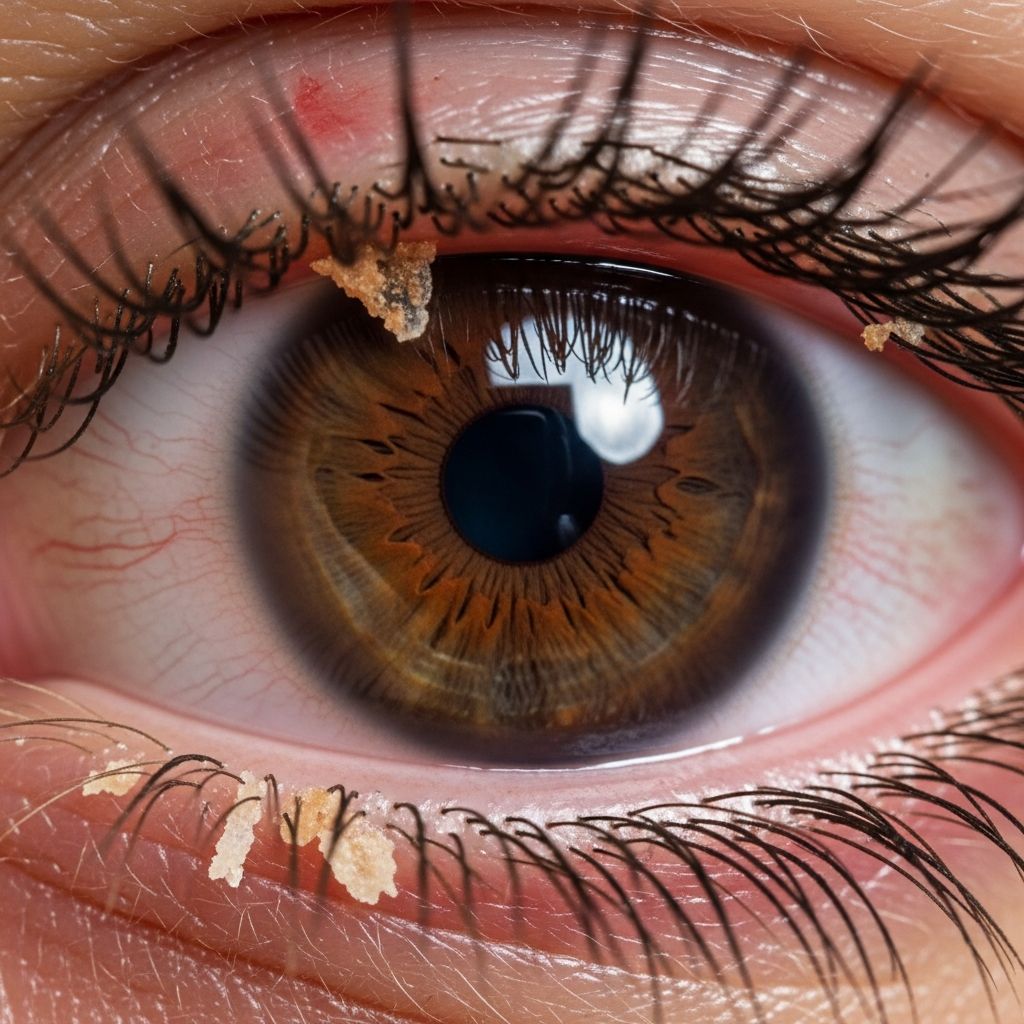
Blepharitis is a medical term that refers to irritated, swollen eyelids—a condition that affects millions of people worldwide. This common eye disorder involves inflammation of the eyelid margins, which can cause significant discomfort and visual irritation. According to surveys conducted among ophthalmologists and optometrists, nearly half of the patients they examine demonstrate symptoms of blepharitis, making it one of the most prevalent eye conditions in clinical practice.
The good news is that while blepharitis is a chronic condition, it is not contagious and symptoms are highly manageable with proper treatment and care. Understanding this condition, its causes, and treatment options can help patients effectively manage their symptoms and prevent complications.
Who Gets Blepharitis?
Blepharitis typically affects both adults and children with relatively equal frequency across different demographics. However, there are some notable variations in prevalence. One particular form of blepharitis, staphylococcal blepharitis, predominantly affects females, accounting for approximately 80% of cases with this specific bacterial cause.
While blepharitis can develop in anyone, certain factors increase susceptibility to this condition. Individuals with a history of dandruff, seborrheic dermatitis, or acne rosacea face higher risks of developing blepharitis. Additionally, people with oily skin, dry eyes, or poor eyelid hygiene may experience increased vulnerability to this inflammatory condition.
Types of Blepharitis
Blepharitis presents in several distinct forms, each with different underlying causes and characteristics. Understanding these types helps healthcare providers determine the most appropriate treatment approach for each patient.
Anterior Blepharitis
Anterior blepharitis affects the front portion of the eyelid, where the eyelashes are attached. This form is typically caused by bacterial infection, most commonly from Staphylococcus aureus bacteria. Staphylococcal blepharitis creates crusting and inflammation along the eyelash line and can result in scarring of the eyelid if left untreated.
Posterior Blepharitis
Posterior blepharitis involves inflammation of the meibomian glands, which are oil-producing glands located on the inner edge of the eyelids. This form often occurs secondary to seborrheic dermatitis, rosacea, or dysfunction of these critical oil-secreting glands. When meibomian glands become blocked or dysfunctional, they cannot properly lubricate the eye surface, leading to irritation and inflammation.
Recognizing the Symptoms
Blepharitis manifests through various uncomfortable symptoms that typically affect both eyes simultaneously. Recognizing these signs early enables prompt treatment and prevents symptom progression.
Common symptoms of blepharitis include:
– Red, irritated eyelids- Itching and burning sensations around the eyes- Swollen eyelids that may feel heavy or tender- Dandruff-like scales or flakes on the eyelashes- Crusting along the eyelid margins- Excessive tearing or watery eyes- Grittiness or foreign body sensation in the eyes- Sensitivity to light- Difficulty wearing contact lenses
The specific symptoms experienced can sometimes indicate which type of blepharitis a person has. For instance, heavy crusting with debris around the lashes often suggests staphylococcal blepharitis, while oiliness and scaling may indicate seborrheic blepharitis. Meibomian gland dysfunction typically presents with excessive oiliness and tear film instability.
Related Stories



Understanding the Causes
Blepharitis develops through various pathways, often involving multiple contributing factors. The primary causes include bacterial colonization and dysfunction of the eyelid’s oil-producing glands.
Bacterial Factors
Staphylococcal bacteria naturally inhabit the skin around the eyes. When bacteria proliferate excessively along the eyelid margin, they trigger an inflammatory response. These bacteria produce toxins that irritate the eyelid tissue and disrupt the tear film, leading to the characteristic symptoms of blepharitis. While poor hygiene can contribute to bacterial overgrowth, it is important to note that blepharitis is not simply a hygiene problem—many people with excellent hygiene still develop this condition.
Meibomian Gland Dysfunction
The meibomian glands produce lipids essential for maintaining a healthy tear film. When these glands become blocked, inflamed, or produce abnormal secretions, tears evaporate too quickly from the eye surface. This leads to dry eye symptoms and secondary inflammation of the eyelids.
Associated Skin Conditions
Several skin conditions significantly increase blepharitis risk. Seborrheic dermatitis, a common inflammatory skin condition characterized by flaking and redness, frequently co-occurs with blepharitis. Acne rosacea, a chronic condition causing facial flushing and inflammation, is another major risk factor. Individuals with acne, psoriasis, or other chronic skin conditions also face elevated blepharitis risk.
Other Contributing Factors
Additional risk factors include dry eye disease, which disrupts the tear film’s protective function; allergic responses to cosmetics or contact lens solutions; and prolonged contact lens wear. Environmental factors such as dust, smoke, or dry climates can also exacerbate blepharitis symptoms.
Diagnosis and Examination
Healthcare professionals employ several diagnostic approaches to confirm blepharitis and determine its specific type. Accurate diagnosis is crucial for implementing the most effective treatment strategy.
Clinical Eye Examination
The primary diagnostic method involves a careful examination of the eyelids and eyes. Eye care professionals use specialized magnifying instruments to inspect the eyelid margins, eyelashes, and eye surface in detail. This examination typically includes assessment of eyelid inflammation, crusting, scaling, and any visible signs of bacterial infection or gland dysfunction.
Laboratory Testing
When clinical presentation is unclear or the condition does not respond to standard treatment, healthcare providers may perform laboratory tests. This might involve swabbing the eyelid to collect samples of oil, crust, or debris for bacterial culture and sensitivity testing. Microscopic examination of eyelashes can reveal excess eyelash mites (Demodex), which may contribute to inflammation. These tests help identify the specific causative organism and guide antibiotic selection.
Treatment Approaches for Blepharitis
While blepharitis cannot be permanently cured, it can be effectively treated and controlled through comprehensive management strategies. Treatment success depends on consistency, proper technique, and sometimes a combination of therapeutic approaches.
Eyelid Hygiene: The Foundation of Treatment
The most important treatment for blepharitis is establishing and maintaining excellent eyelid hygiene. This foundational approach should be performed twice daily, even when symptoms are absent, to reduce severity and frequency of flare-ups and prevent recurrence.
Step 1: Warm Compress Application Begin by applying heat to the eyelids to soften the oils in the glands. Hold a warm flannel, warm towel, or microwavable eye bag firmly against closed eyelids for three to five minutes. The warmth liquefies thickened oils, making them easier to expel and allowing penetration of subsequent cleansing treatments.
Step 2: Oil Expression After warming, gently express oils from the blocked glands using controlled pressure. Place your clean index finger or thumb on the eyelid margin and apply gentle rolling motions or mild squeezing pressure to move the softened oils onto the eye surface. This step aims to unblock the meibomian glands and restore their normal function.
Step 3: Eyelid Margin Cleansing Complete the routine by carefully cleaning away debris and bacteria from the eyelid margins. Using a moistened cotton bud or specially designed eyelid wipes, gently scrub along both the front and back of the eyelid margin. This removes flakes, excess oils, and bacterial colonies that accumulate along the lash line.
This three-step hygiene protocol, when performed consistently, can significantly reduce symptoms and prevent symptom recurrence. Many patients require indefinite continuation of this routine to maintain symptom control.
Pharmacological Treatments
Antibiotic Therapy When bacterial infection is confirmed or suspected, healthcare providers may prescribe topical antibiotics. These include ointments such as erythromycin, bacitracin ophthalmic, or Polysporin, which are applied directly to the eyelid margin. Antibiotic eye drops, such as polymyxin B and trimethoprim combination drops, provide an alternative delivery method. For blepharitis resistant to topical antibiotics, oral antibiotics such as doxycycline or azithromycin may be prescribed, particularly when meibomian gland dysfunction is present.
Anti-inflammatory Medications Steroid eye drops or ointments help control inflammation in patients who do not respond adequately to other therapies. These medications reduce swelling and irritation but are typically used for limited periods due to potential side effects with prolonged use.
Artificial Tears For patients experiencing dry eye symptoms associated with blepharitis, artificial tear supplements provide moisture and protection to the eye surface. These drops should be used regularly, particularly in dry environments or after extended screen time.
Advanced In-Office Procedures
Modern ophthalmology offers several advanced procedures performed in the office setting that can provide relief for stubborn blepharitis cases. These innovative treatments target underlying meibomian gland dysfunction and provide benefits beyond traditional self-care measures.
Potential Complications
While blepharitis is generally manageable, untreated or severe cases can lead to serious complications affecting vision and eye health.
Potential complications include:
– Meibomian cysts (chalazion): Blocked oil glands can form painless, round swellings on the eyelid- Hordeolum (stye): Infected oil glands create painful, red swellings along the eyelid margin- Corneal involvement: In severe cases, inflammation can affect the cornea, potentially causing scarring or significant vision changes- Eyelid scarring: Chronic inflammation may cause permanent eyelid margin changes- Severe dry eye disease: Untreated meibomian gland dysfunction can progress to disabling dry eye
These complications emphasize the importance of prompt diagnosis and consistent treatment to prevent long-term eye damage.
Managing Blepharitis Long-Term
Because blepharitis is a chronic condition, long-term management strategies are essential. Patients should maintain consistent eyelid hygiene practices indefinitely, even during symptom-free periods. This preventive approach significantly reduces the frequency and severity of flare-ups.
Additionally, managing underlying conditions such as dandruff, rosacea, or dry eye disease helps control blepharitis symptoms. Patients should avoid rubbing their eyes, maintain clean hands, regularly replace eye cosmetics, and consider discontinuing contact lens wear if symptoms persist.
Frequently Asked Questions
Q: Is blepharitis contagious?
A: No, blepharitis is not contagious. While bacteria may be involved in the condition, it does not spread from person to person through normal contact.
Q: Can blepharitis be cured permanently?
A: Blepharitis cannot be permanently cured, but it can be effectively managed and controlled through consistent eyelid hygiene and appropriate medical treatment. Most patients require ongoing self-care to maintain symptom control.
Q: How long does it take to see improvement from treatment?
A: Many patients notice symptom improvement within one to two weeks of beginning proper eyelid hygiene. However, consistent treatment for a minimum of one month is typically required to achieve significant, sustained improvement.
Q: Can I wear contact lenses if I have blepharitis?
A: Some patients can continue wearing contact lenses with blepharitis, but many find lens wear uncomfortable during active inflammation. Discuss with your eye care provider about temporarily discontinuing contacts during acute flare-ups.
Q: What should I do if blepharitis symptoms don’t improve?
A: If symptoms persist despite consistent eyelid hygiene and treatment for several weeks, consult your eye care provider. You may need additional testing, different medications, or advanced procedures to address your specific condition.
Q: Are there any preventive measures I can take?
A: Yes, maintaining consistent daily eyelid hygiene, managing associated skin conditions like dandruff or rosacea, avoiding eye irritants, and keeping your hands clean can help prevent blepharitis development and recurrence.
References
- Blepharitis (Eyelid Inflammation): Causes & Treatment — Cleveland Clinic. 2024. https://my.clevelandclinic.org/health/diseases/10032-blepharitis
- Blepharitis – Diagnosis & treatment — Mayo Clinic. 2024. https://www.mayoclinic.org/diseases-conditions/blepharitis/diagnosis-treatment/drc-20370148
- Blepharitis / Meibomian Gland Disease — Cleveland Clinic Abu Dhabi. 2023. https://www.clevelandclinicabudhabi.ae/en/health-hub/health-resource/diseases-and-conditions/blepharitis-meibomian-gland-disease
- Diagnosis and Treatment — Moorfields Private. 2024. https://www.moorfields.nhs.uk/private/eye-conditions-and-treatments/blepharitis/diagnosis-and-treatment
- Blepharitis: Types, Causes, Symptoms, Diagnosis, and Treatments — Oscar Wylee. 2024. https://www.oscarwylee.com.au/glasses/eye/eyelids-inflammation
Similar Articles








Read full bio of Sneha Tete