Blepharitis: 5-Step Daily Lid Hygiene To Control Flares
Discover causes, symptoms, and proven treatments for blepharitis to manage eyelid inflammation effectively and prevent complications.
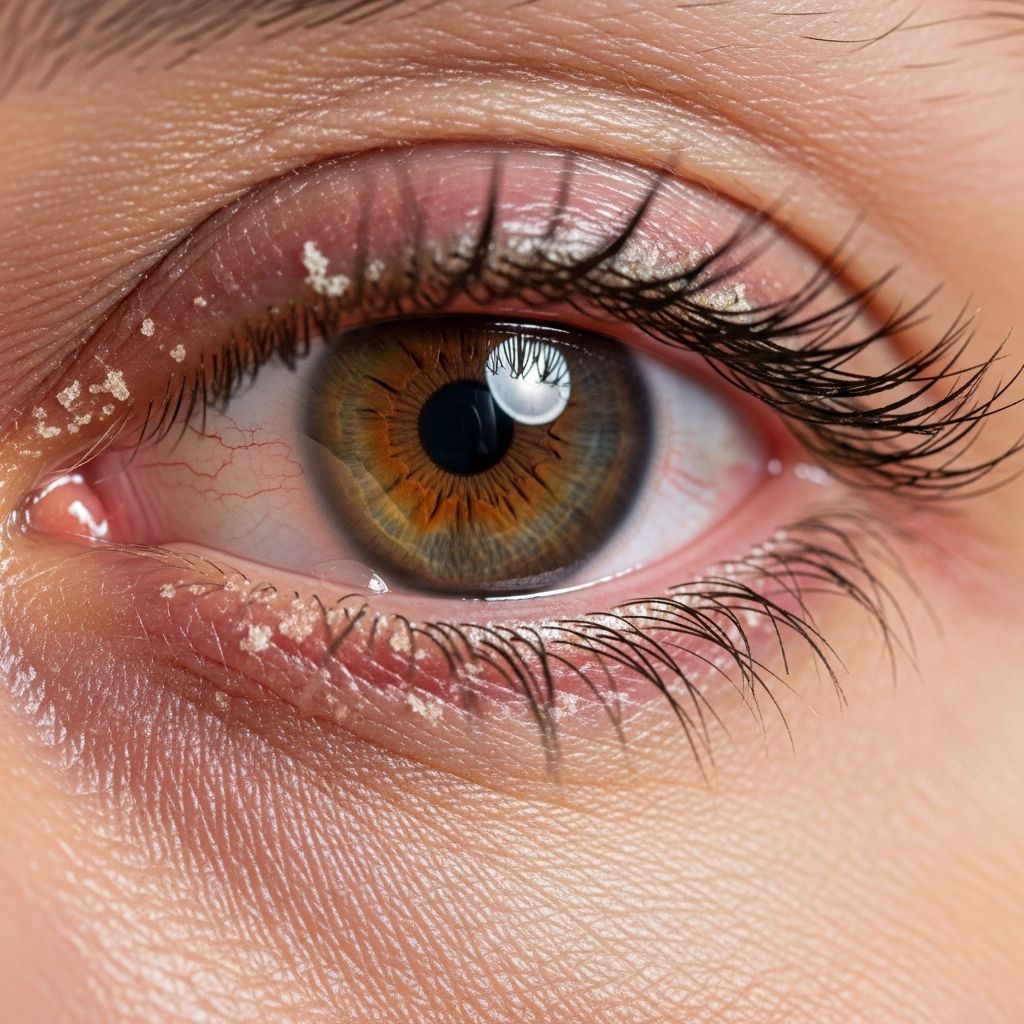
Blepharitis is a prevalent condition involving chronic inflammation of the eyelids, often affecting the edges where eyelashes grow and the oil-producing glands within the lids. This guide explores its mechanisms, identification, management strategies, and long-term control methods, drawing from established medical insights to empower better eye care.
Understanding the Fundamentals of Eyelid Inflammation
The eyelids serve as protective barriers for the eyes, housing tiny glands that secrete oils essential for maintaining tear film stability. When these structures become inflamed, it disrupts normal function, leading to discomfort and potential vision issues. Blepharitis manifests in two primary forms: anterior, impacting the lash line, and posterior, involving inner lid glands known as meibomian glands. These distinctions guide targeted interventions.
Prevalence data indicates that nearly half of eye care visits involve blepharitis symptoms, underscoring its commonality across demographics. While it impacts adults and children equally, certain subtypes like staphylococcal variants show a female predominance in about 80% of instances.
Recognizing Common Indicators
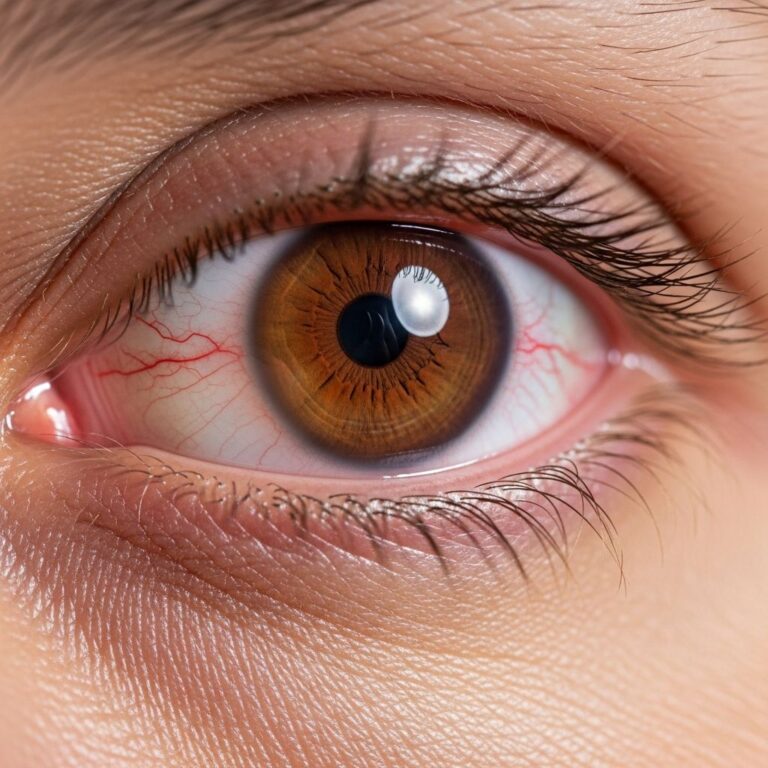
Early detection hinges on observing subtle yet persistent signs. Individuals often report a gritty or sandy sensation, as if debris is trapped under the lids, accompanied by redness and swelling along the lid margins. Morning crusting or matting of lashes is frequent, with flakes resembling dandruff accumulating at the base.
- Persistent itching or burning in the eyelids
- Watery eyes or excessive tearing
- Light sensitivity (photophobia)
- Blurred vision that improves with blinking
- Scaly or greasy appearance of lid skin
These symptoms can fluctuate, worsening in dry environments or during allergy seasons. Associated issues like eyelash loss or misdirected growth (trichiasis) may emerge if unmanaged.
Primary Triggers and Risk Factors
Blepharitis arises from multifactorial origins, including bacterial overgrowth, particularly Staphylococcus species, which thrive on lid margins. Dysfunction in meibomian glands leads to poor oil quality, causing tear evaporation and dryness. Skin disorders amplify susceptibility: seborrheic dermatitis prompts oily scaling, while rosacea induces vascular changes that inflame lids.
Demodex mites, microscopic skin inhabitants, contribute in some cases by harboring bacteria. Allergies to cosmetics, especially mascara, or contact lens solutions can provoke dermatitis-like reactions. Lifestyle elements like poor hygiene, infrequent face washing, or chronic dry eye heighten risks, though hygiene alone does not determine occurrence.
| Risk Factor | Description | Associated Type |
|---|---|---|
| Bacterial Overgrowth | Staph bacteria at lash base | Anterior |
| Meibomian Gland Issues | Oil blockage or poor secretion | Posterior |
| Skin Conditions | Rosacea, seborrhea | Both |
| Mites or Allergens | Demodex or cosmetics | Anterior |
Diagnostic Approaches
Healthcare providers, often ophthalmologists, conduct slit-lamp exams to magnify lid structures, assessing gland openings, lash collarettes, and vascular injection. Swabs identify bacterial loads or mites, while tear breakup time tests evaluate film stability. Differentiating types ensures precise management.
Related Stories



Core Treatment Strategies
Management emphasizes eyelid hygiene as the foundation, a daily ritual to unclog glands and reduce microbial burden. Apply warm compresses for 5-10 minutes twice daily to melt oils, followed by gentle scrubbing with diluted baby shampoo or commercial lid wipes. This routine alone controls mild cases.
For bacterial involvement, topical antibiotics like erythromycin or bacitracin ointments target infections, applied nightly to minimize daytime blur. Persistent anterior cases may warrant oral doxycycline, which also curbs inflammation via anti-androgenic effects. Posterior blepharitis benefits from lipid-based artificial tears and anti-inflammatory drops like cyclosporine (Restasis), modulating immune responses.
Steroids offer short-term relief for severe swelling but require monitoring to avoid side effects like glaucoma. Emerging therapies include hypochlorous acid sprays for rosacea-linked cases and tea tree oil for Demodex eradication. In-office options like intense pulsed light (IPL) or gland probing restore function in refractory instances.
Step-by-Step Daily Hygiene Routine
- Boil water, cool to warm (not hot), soak a clean cloth.
- Place over closed eyes for 5-10 minutes to soften debris.
- Mix no-tears shampoo with water; use cotton swab to massage lid margins.
- Rinse thoroughly, pat dry; apply prescribed ointment if directed.
- Repeat morning and evening for optimal results.
Consistency prevents flares; devices automating heat and vibration enhance compliance for some.
Potential Complications and When to Seek Help
Untreated blepharitis risks chalazia (blocked gland cysts), hordeola (styes), or corneal damage like keratitis, impairing vision. Chronic cases link to contact lens dropout and marginal ulcers. Consult a specialist if symptoms persist post-hygiene, vision blurs progressively, or pain intensifies.
Lifestyle Modifications for Prevention
Though not fully preventable, mitigation strategies include omega-3 supplementation for gland health, humidity control, and allergen avoidance. Treat underlying rosacea or dandruff promptly. Regular eye exams catch early signs, especially for contact lens wearers.
- Avoid eye makeup during active flares
- Replace cosmetics frequently
- Limit screen time to reduce blink rate
FAQs on Blepharitis Management
Is blepharitis contagious?
No, it stems from internal factors like gland dysfunction rather than direct spread, though shared towels could theoretically transmit bacteria.
How long until improvement?
Hygiene yields relief in days; full control may take weeks with medications. It’s chronic, requiring lifelong maintenance.
Can children get blepharitis?
Yes, though less common; hygiene and ruling out allergies suffice usually.
Does diet influence blepharitis?
Anti-inflammatory diets rich in omega-3s support tear quality, per observational data.
What if home care fails?
Seek ophthalmology referral for advanced therapies like IPL or systemic meds.
Long-Term Outlook and Patient Education
Blepharitis demands ongoing vigilance, but adherence to hygiene transforms it from disruptive to manageable. Educating patients on triggers fosters empowerment, reducing recurrence. Collaborate with providers to tailor regimens, ensuring sustained ocular comfort.
References
- Blepharitis (Eyelid Inflammation): Causes & Treatment — Cleveland Clinic. 2023. https://my.clevelandclinic.org/health/diseases/10032-blepharitis
- Blepharitis Symptoms & Treatment — UConn Health. 2024. https://www.uconnhealth.org/ophthalmology-eye/services-specialties/blepharitis
- Blepharitis — Penn Medicine. 2023. https://www.pennmedicine.org/conditions/blepharitis
- Blepharitis Symptoms, Causes, and Treatment — UVA Health. 2024. https://www.uvahealth.com/conditions/blepharitis
- Blepharitis — National Eye Institute (NIH). 2023-02-15. https://www.nei.nih.gov/eye-health-information/eye-conditions-and-diseases/blepharitis
- Blepharitis — NHS. 2023. https://www.nhs.uk/conditions/blepharitis/
Similar Articles








Read full bio of Sneha Tete