Blepharitis: Symptoms, Causes, Diagnosis, and Treatment
Understand blepharitis: common eyelid inflammation causing redness, itching, and crusting. Learn causes, symptoms, diagnosis, and effective treatments.
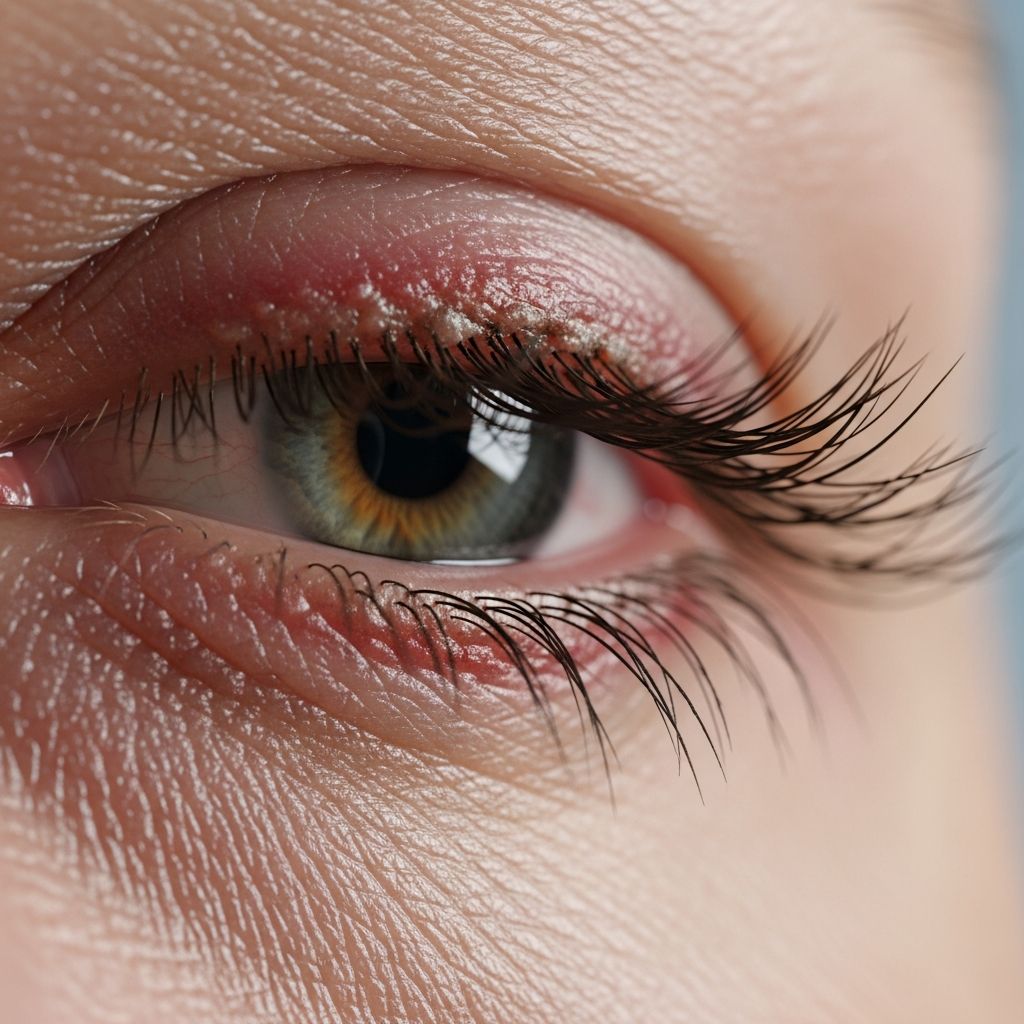
Blepharitis is a common chronic inflammatory condition of the eyelid margins, leading to discomfort, redness, and irritation. It affects people of all ages and is one of the leading reasons patients visit ophthalmologists.
What Is Blepharitis?
Blepharitis refers to inflammation along the edges of the eyelids, often resulting in red, swollen, and itchy eyes. This condition disrupts the natural oil glands in the eyelids, leading to clogged glands, bacterial overgrowth, and flaky debris buildup. While not typically vision-threatening, untreated blepharitis can contribute to dry eye syndrome, corneal issues, and complications with contact lens wear or eye surgeries.
The condition is classified into two main types: anterior blepharitis, which affects the outer eyelid where eyelashes attach, and posterior blepharitis, involving the inner eyelid and meibomian glands. These types frequently overlap, complicating diagnosis and management.
Blepharitis Symptoms
Symptoms of blepharitis often develop gradually and may affect one or both eyes. Common signs include:
- Redness and swelling at the base of the eyelashes
- Itchy or burning eyelids
- Crusting or flaking around the eyelids, especially upon waking
- Gritty or foreign body sensation in the eyes
- Watery eyes or excessive tearing
- Dry eyes due to disrupted tear film
- Sensitivity to light (photophobia)
- Loss of eyelashes or misdirected lashes (trichiasis)
- Blurry vision that improves with blinking
In severe cases, patients may experience eyelid sticking together in the morning, chalazia (blocked oil gland cysts), or hordeola (styes). Symptoms worsen in low humidity, with makeup use, or during allergies.
Prevalence increases with age; up to 20% of adults over 45 report discomfort, rising to 68% in those over 60.
Blepharitis Causes and Risk Factors
Blepharitis arises from a combination of factors disrupting eyelid health. Key causes include:
- Bacterial overgrowth: Staphylococcus species, particularly coagulase-negative staphylococci, colonize the eyelid margins, releasing toxins that inflame tissues and destabilize the tear film.
- Meibomian gland dysfunction (MGD): The primary cause of posterior blepharitis, where oil glands produce thick, abnormal secretions leading to clogging.
- Seborrheic dermatitis: Flaky, oily skin conditions causing greasy scales on eyelids and lashes.
- Demodex mites: Microscopic parasites infesting lash follicles, common in anterior blepharitis.
- Other factors: Rosacea, allergies, viral infections (e.g., herpes simplex), autoimmune diseases, and contact lens wear.
Risk factors encompass poor eyelid hygiene, aging, dry eye disease, and systemic conditions like acne rosacea or hormonal imbalances.
Types of Blepharitis
Blepharitis is categorized anatomically:
| Type | Location | Key Features | Common Causes |
|---|---|---|---|
| Anterior | Outer eyelid, lash base | Collarettes (debris around lashes), crusting, lash loss | Staphylococcal bacteria, seborrhea, Demodex |
| Posterior | Inner eyelid, meibomian glands | Oil gland plugs, foamy tears, chalazia | MGD, rosacea |
Anterior blepharitis involves bacterial toxins breaking down lipids into irritating free fatty acids. Posterior stems from gland over-secretion and blockage. Mixed forms are most common.
How Is Blepharitis Diagnosed?
Diagnosis relies on clinical examination rather than lab tests. Ophthalmologists use:
Related Stories



- Slit-lamp biomicroscopy: Magnifies eyelids to visualize inflammation, collarettes, gland orifices, and meibum quality.
- Lid margin inspection: Checks for telangiectasia (dilated vessels), erythema, and debris.
- Tear film assessment: Evaluates stability via tear breakup time.
- Culture/swabs: For refractory cases to identify bacteria or mites.
- Biopsy: Rarely, to rule out malignancy or chronic issues.
Differentiating from conjunctivitis, allergies, or dry eye is crucial for targeted therapy.
Blepharitis Treatment
There is no cure for blepharitis, as it is chronic with exacerbations and remissions. Treatment focuses on symptom relief, inflammation control, and preventing recurrences through lifelong hygiene.
Home Remedies and Eyelid Hygiene
The cornerstone of management:
- Warm compresses (10-15 minutes, 2-4x daily) to melt gland secretions.
- Lid scrubs with diluted baby shampoo or commercial wipes.
- Artificial tears for dry eyes.
- Avoid eye makeup and contacts during flares.
Medications
- Antibiotics: Topical (bacitracin, erythromycin) or oral (doxycycline, azithromycin) for bacterial types.
- Steroids: Short-term topical to reduce inflammation; avoid long-term due to risks.
- Anti-inflammatories: Cyclosporine or lifitegrast drops for associated dry eye.
- Tea tree oil: For Demodex, via specialized wipes.
A Cochrane review found no single treatment cures blepharitis; combined approaches work best.
Advanced Therapies
In-office options include intense pulsed light (IPL), thermal pulsation devices (e.g., LipiFlow), and gland expression for severe MGD.
Blepharitis Prevention
Prevent flares by:
- Maintaining daily lid hygiene routines.
- Using hypoallergenic makeup.
- Controlling rosacea or seborrhea.
- Staying hydrated and using humidifiers.
- Regular eye exams, especially pre-surgery.
Prognosis is good with adherence; most achieve symptom control.
Complications of Blepharitis
Untreated cases risk:
- Chronic dry eye and corneal erosion.
- Chalazia, styes, or marginal keratitis.
- Scarring or lash disorders.
- Poor surgical outcomes.
When to See a Doctor
Seek care if symptoms persist >2 weeks, vision changes occur, or severe pain develops. Early intervention prevents complications.
Frequently Asked Questions (FAQs)
What is the fastest way to cure blepharitis?
No instant cure exists; consistent warm compresses and lid hygiene provide quickest relief, often within days. Medications accelerate improvement.
Is blepharitis contagious?
No, though bacterial forms can spread via shared towels; good hygiene prevents this.
Can blepharitis cause vision loss?
Rarely; severe untreated cases may scar corneas, but proper management preserves vision.
How long does blepharitis last?
Chronic with flares; controlled indefinitely via hygiene.
Does blepharitis go away on its own?
Mild cases may resolve, but recurrence is common without maintenance.
References
- Blepharitis – StatPearls — NCBI Bookshelf / NIH. 2023-10-27. https://www.ncbi.nlm.nih.gov/books/NBK459305/
- Blepharitis — EyeWiki / American Academy of Ophthalmology. 2024-01-15. https://eyewiki.org/Blepharitis
- Blepharitis: Know What to Look For — Review of Ophthalmology. 2023-05-10. https://www.reviewofophthalmology.com/article/blepharitis-know-what-to-look-for
Similar Articles








Read full bio of Sneha Tete