Blisters: 4 Home Care Steps And Prevention Tips
Discover effective ways to understand, treat, and prevent blisters from everyday friction to serious skin conditions.
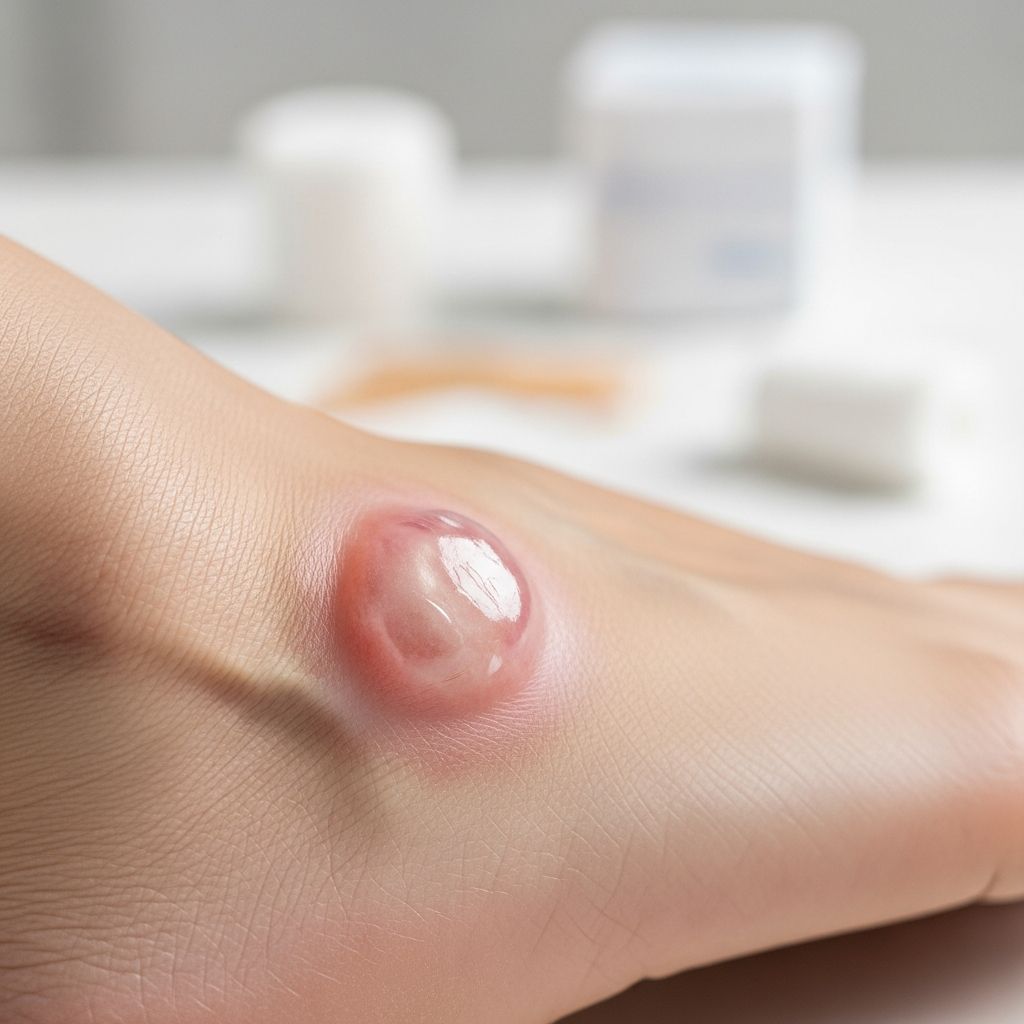
Blisters represent a common skin response where fluid accumulates between skin layers, often due to injury, friction, or underlying health issues. These fluid-filled sacs protect damaged tissue during healing but can cause discomfort if mishandled.
Recognizing Blister Symptoms
Blisters typically emerge as raised, fluid-filled bubbles on the skin’s surface, varying in size from small vesicles to larger bullae. They may cause pain, tenderness, or itching, especially when pressure is applied. Surrounding skin often appears red, inflamed, or warm, signaling irritation or potential infection. In some cases, a tingling sensation precedes blister formation.
- Clear fluid: Normal serum from tissue injury.
- Cloudy or pus-filled: Indicates bacterial infection.
- Blood-filled: From deeper tissue damage.
- Multiple or widespread: Suggests systemic issues.
Locations like feet, hands, and pressure points are common for friction blisters, while autoimmune conditions may affect mucous membranes or larger body areas.
Everyday Triggers of Blisters
Most blisters arise from mechanical stress or external irritants. Repeated rubbing from ill-fitting shoes, new footwear, or activities like hiking creates shear forces that separate skin layers, filling the gap with fluid.
Burns from heat, chemicals, or sunlight damage skin similarly, while frostbite in cold environments leads to ice crystal formation and blistering. Allergic reactions or contact dermatitis from plants, soaps, or fabrics provoke irritant blisters.
| Trigger Type | Examples | Common Sites |
|---|---|---|
| Friction | Tight shoes, tools, sports gear | Feet, hands, heels |
| Thermal | Hot surfaces, sunburn | Exposed skin |
| Chemical | Detergents, acids | Hands, arms |
| Infectious | Herpes simplex, impetigo | Mouth, lips, torso |
Blisters from Medical Conditions
Beyond trauma, blisters signal deeper problems. Autoimmune blistering diseases occur when the immune system attacks skin proteins, causing fragile blisters that rupture easily and scar.
Key conditions include:
- Pemphigus vulgaris: Painful mouth and skin blisters from antibody attacks on skin cell connections.
- Bullous pemphigoid: Itchy, tense blisters mainly in elderly patients, targeting skin basement membrane.
- Epidermolysis bullosa: Genetic or acquired fragility leading to blisters from minor trauma.
- Linear IgA disease: Ring-like blisters from IgA antibodies.
Infections like staphylococcal scalded skin syndrome produce toxin-induced widespread blisters, especially in children. Severe drug reactions, such as toxic epidermal necrolysis, mimic burns with extensive blistering.
Home Management Strategies
Small, uncomplicated blisters heal naturally in days. Protect the intact blister roof as a natural barrier against infection.
- Gently clean with mild soap and water.
- Apply antibiotic ointment or petroleum jelly.
- Cover with a sterile, nonstick bandage or moleskin padding.
- Change dressing daily, watching for infection signs.
Avoid popping unless large and painful: sterilize a needle, puncture the edge, drain fluid, and dress. For athletes, donut-shaped padding reduces pressure.
Pain relief comes from over-the-counter analgesics, cool compresses, or elevating the area.
When Professional Care is Essential
Seek medical evaluation for non-healing, recurrent, or suspicious blisters. Infection markers include spreading redness, pus, fever, or increased pain.
Related Stories



- Large blisters disrupting function.
- Blisters on face, genitals, or mucous membranes.
- Associated with fever, systemic illness, or burns.
- Multiple blisters without clear cause.
Specialists use biopsies, blood tests, or immunofluorescence to diagnose autoimmune disorders.
Prevention Tips for Active Lifestyles
Minimize friction with proper footwear: break in new shoes gradually, wear moisture-wicking socks, and use blister shields or tape on hotspots.
For outdoor enthusiasts:
- Apply lubricants like petroleum jelly pre-activity.
- Choose synthetic or wool-blend socks over cotton.
- Trim toenails to prevent internal pressure.
- Keep skin dry and hydrated internally.
Sun protection prevents burn blisters; use broad-spectrum SPF 30+ and reapply.
Advanced Insights into Blister Formation
Blisters form when epidermal layers separate due to trauma or inflammation, with fluid (serum proteins, water) cushioning repair. Superficial ones (friction) heal fast without scarring; deep bullae from disease involve dermis, risking infection and marks.
Immunobullous disorders disrupt desmogleins or hemidesmosomes, key adhesion molecules. Diagnosis requires histopathology showing split levels and immune deposits.
Recent advances include biologics targeting specific antibodies, improving autoimmune blister outcomes.
Special Considerations for Vulnerable Groups
Children prone to hand-foot-mouth disease blisters; diabetics risk poor-healing foot ulcers from blisters. Elderly face pemphigoid; athletes endure shear blisters.
Pregnant individuals may develop polymorphic eruption with itchy blisters—monitor closely.
Frequently Asked Questions (FAQs)
Can I pop a blister safely?
If necessary, yes, with sterile tools, but intact blisters protect best. Drain, don’t remove roof.
How long do blisters take to heal?
Friction blisters resolve in 3-7 days; disease-related ones longer with treatment.
Are blisters contagious?
Only if viral (e.g., herpes) or bacterial; friction ones are not.
What ointment is best for blisters?
Antibiotic like bacitracin or plain petroleum jelly to prevent sticking.
Do blisters scar?
Rarely for superficial; deep or infected ones may.
References
- Blisters | Causes and Treatment — Brentwood Dermatology. Accessed 2026. https://www.brentwoodderm.com/conditions/blisters
- Blistering Diseases — UChicago Medicine. Accessed 2026. https://www.uchicagomedicine.org/conditions-services/dermatology/treatments-and-services/blistering-diseases
- Overview of Blistering Disorders — MSD Manuals. Accessed 2026. https://www.msdmanuals.com/home/skin-disorders/blistering-diseases/overview-of-blistering-disorders
- Overview of Blistering Disorders — Merck Manuals. Accessed 2026. https://www.merckmanuals.com/home/skin-disorders/blistering-diseases/overview-of-blistering-disorders
- Blisters: Causes, Treatment, Prevention — Cleveland Clinic. Accessed 2026. https://my.clevelandclinic.org/health/diseases/16787-blisters
- Blistering (bullous) disorders – an overview — PCDS. 2023-04-11. https://www.pcds.org.uk/clinical-guidance/bullous-disorders-an-overview
- Blisters: First aid — Mayo Clinic. Accessed 2026. https://www.mayoclinic.org/first-aid/first-aid-blisters/basics/art-20056691
Similar Articles








Read full bio of Sneha Tete