Blisters: Causes, Symptoms, Treatment, Prevention
Understand blisters: from friction and burns to infections, learn symptoms, treatments, and prevention strategies for quick healing.
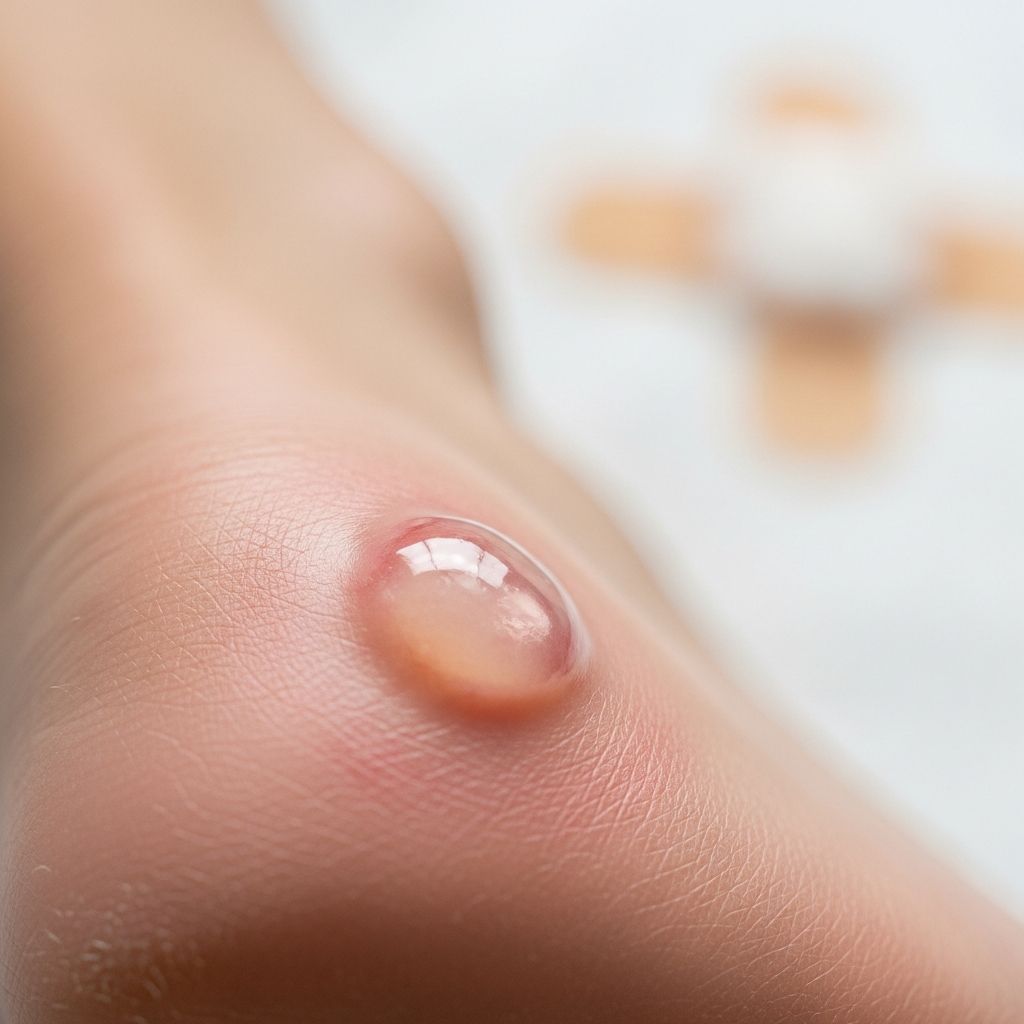
A
blister
is a small pocket of fluid that forms between the upper layers of the skin, typically as a protective response to injury or irritation. These fluid-filled bubbles, often clear or yellowish serum, shield deeper skin layers from further damage while promoting healing.What Are Blisters?
Blisters develop in the epidermis, the skin’s outermost layer, creating a cushion of fluid—usually serum, plasma, blood, or pus—derived from leaky damaged cells. This mechanism prevents deeper tissue harm from friction, heat, cold, or infection. Common on hands and feet due to repetitive stress, blisters signal the body’s defense system at work.
The fluid inside helps new skin cells regenerate: within hours, base cells absorb amino acids and nucleosides for protein and DNA building blocks. By 24 hours, cell division ramps up; at 48 hours, new skin layers form; and by 120 hours, the upper epidermis renews as fluid reabsorbs.
Common Causes of Blisters
Blisters arise from various triggers, primarily mechanical, thermal, or pathological. Understanding these helps in prevention and management.
Friction Blisters
The most prevalent type,
friction blisters
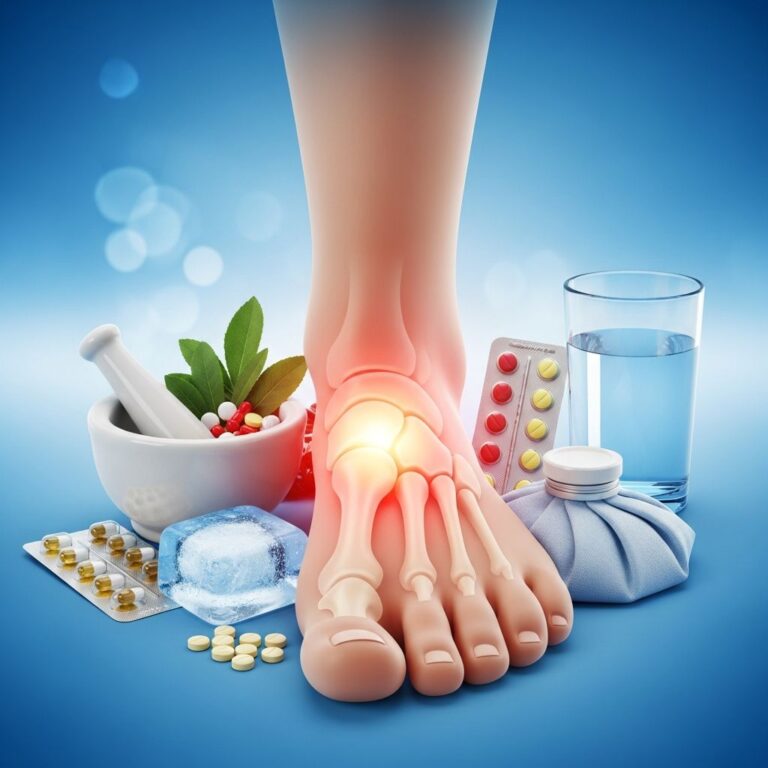
result from repetitive shear forces where skin layers separate due to bone movement beneath stationary skin surfaces. During activities like walking, running, or gripping tools, bones shift while skin stays put against socks, shoes, or gloves, distorting soft tissues—a process called shear deformation.Areas with thick horny layers, like palms and soles, are prone, especially in warm, moist conditions that reduce skin resilience. Blisters form faster under shear magnitude or repetition; experiments show onset from 3-50 minutes of consistent friction. Pain intensifies if tears occur near nerve endings in deeper layers.
Burns and Temperature Extremes
Heat from second-degree burns causes immediate blistering, while first-degree ones delay it by days. Conversely, frostbite blisters protect against cold damage.
Infections and Medical Conditions
Certain illnesses trigger blisters:
- Chickenpox: Small, itchy blisters that scab over.
- Herpes simplex: Clustered cold sores.
- Bullous impetigo: Honey-crusted blisters in young children.
- Eczema (dyshidrosis): Small, clear vesicles with itching and cracking.
- Bullous pemphigoid: Large, tense blisters in older adults from autoimmune attack.
Blood blisters occur from pinched skin causing vessel rupture, filling with blood instead of serum.
Symptoms of Blisters
Early signs include localized pain, redness, and swelling from friction or irritation. A clear fluid sac rises, potentially turning cloudy if infected (pus). Pain levels vary: superficial ones ache mildly, while deep shear tears near nerves throb intensely. Itching accompanies viral or eczematous blisters; systemic symptoms like fever signal infection or underlying disease.
| Blister Type | Appearance | Pain Level | Common Location |
|---|---|---|---|
| Friction | Clear fluid sac | Mild to severe | Feet, hands |
| Blood | Dark red/purple | Moderate | Pinch sites |
| Infection-related | Pus-filled, red rim | Severe, with fever | Varied |
Treatment for Blisters
Most blisters heal naturally in 3-7 days without intervention, as new skin forms beneath. Key is protecting the intact blister to avoid infection.
Do Not Pop Intact Blisters
Unbroken skin acts as a natural barrier. Cover with a loose bandage, moleskin (durable fabric for friction zones), or hydrocolloid dressing to cushion and promote healing.
If Blister Bursts
- Wash gently with mild soap and water.
- Apply antibiotic ointment or petroleum jelly.
- Cover with sterile nonstick gauze or bandage; change daily.
- After days, trim dead skin with sterilized scissors/tweezers, reapply ointment, and bandage.
- Monitor for infection: increasing pain, redness, pus, or fever.
Related Stories



Hydrocolloid dressings absorb fluid, reduce pain, and speed recovery; available over-the-counter.
Advanced Care
For large, painful, or infected blisters, seek medical help. Doctors may drain under sterile conditions or prescribe antibiotics.
Prevention of Blisters
Proactive steps target shear reduction and skin resilience.
- Footwear: Wear well-fitting shoes with moisture-wicking socks; break in new shoes gradually.
- Taping: Apply paper tape or specialized blister tape to prone areas—studies show 40% reduced incidence (number needed to treat: 1.31).
- Skin Prep: Toughen skin gradually; use lubricants or powders in moist environments.
- Activity: Minimize repetition in heat/moisture; take breaks during hikes or runs.
- Hand Protection: Gloves for tools or sports.
Research emphasizes preventing shear episodes over just moisture control, debunking old myths.
When to See a Doctor
Consult a professional if:
- Blister covers a large area or is on face/genitals.
- Signs of infection: red streaks, warmth, pus, fever >100.4°F.
- Underlying condition suspected (e.g., non-healing, recurrent).
- Diabetes or poor circulation impairs healing.
- No improvement in 1 week or worsening pain.
Frequently Asked Questions (FAQs)
What causes blisters on feet during running?
Repetitive shear from bone motion against skin, amplified by ill-fitting shoes, moisture, and heat.
Should I pop a blister?
No—intact blisters protect against infection. If burst, clean and cover.
How long do friction blisters take to heal?
3-7 days naturally; faster with proper dressing.
Can tape prevent blisters?
Yes, paper tape on prone areas cuts risk by 40% per studies.
Are blisters contagious?
Only if infection-related (e.g., herpes); friction ones are not.
Key Takeaways
- Blisters protect skin via fluid cushions from shear, burns, or disease.
- Treat by protecting intact skin; clean/bandage if broken.
- Prevent with proper gear, taping, and shear minimization.
- Watch for infection; seek care for severe cases.
References
- Blisters: Causes, treatments, and prevention — Medical News Today. 2023-10-12. https://www.medicalnewstoday.com/articles/264783
- Blisters: First aid — Mayo Clinic. 2024-01-15. https://www.mayoclinic.org/first-aid/first-aid-blisters/basics/art-20056691
- Friction Blisters of the Feet: A Critical Assessment — National Library of Medicine (PMC). 2023-12-01. https://pmc.ncbi.nlm.nih.gov/articles/PMC10783476/
- How to Explain Blisters Better to Your Patients — Blister Prevention. 2024-05-20. https://pro.blister-prevention.com/office-hours/how-to-explain-blisters/
- Blisters — Kaiser Permanente. 2023-08-10. https://healthy.kaiserpermanente.org/health-wellness/health-encyclopedia/he.blisters.blist
Similar Articles








Read full bio of Sneha Tete