Blisters: Causes, Symptoms, and Treatment Guide
Complete guide to understanding blisters: causes, prevention, and effective treatment options.
Understanding Blisters: A Complete Overview
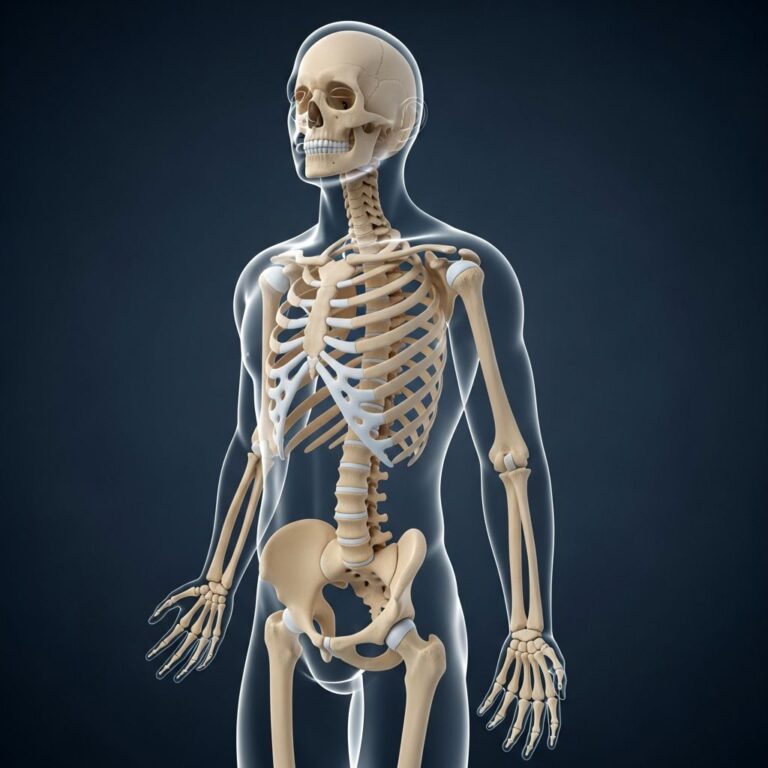
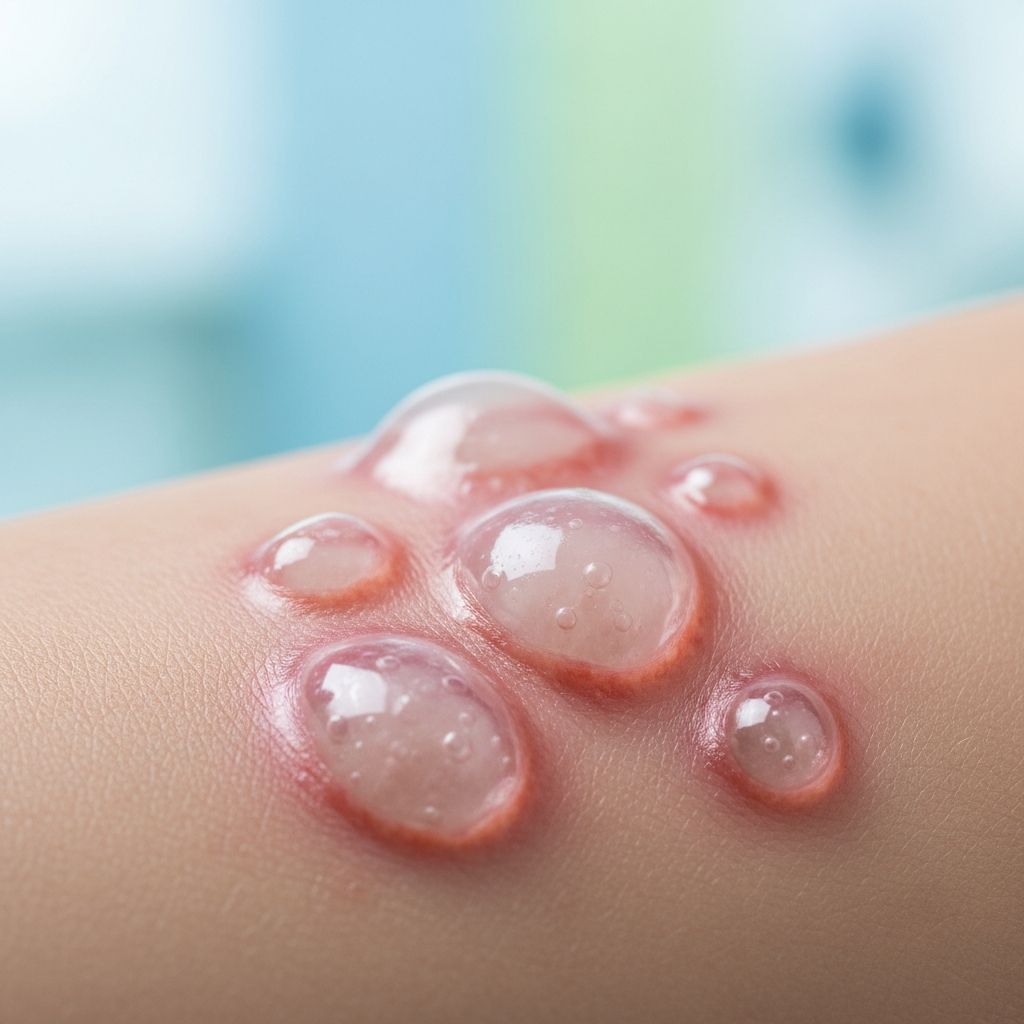
Blisters are small pockets of fluid that form under the skin as a protective response to injury. Your skin consists of three distinct layers: the epidermis (outermost layer), the dermis (middle layer), and the hypodermis (bottom layer). When damage occurs to these layers, your body’s natural defense mechanism creates a blister filled with clear fluid or blood to protect the damaged tissue underneath and promote healing.
Blisters develop to shield your skin from further injury while new skin grows beneath the protective pocket. Understanding what causes blisters and how to properly care for them is essential for maintaining skin health and preventing complications.
What Are Blisters?
A blister is a raised pocket of skin containing fluid that forms as a result of injury or damage to the skin’s lower layers. The fluid inside—typically clear in appearance—serves as a natural cushion and healing environment for damaged skin tissue. This protective barrier prevents bacteria from entering the wound and allows new skin cells to regenerate underneath.
Blisters vary in size and appearance depending on the cause and severity of the injury. They most commonly develop on areas experiencing repeated friction or direct trauma. The body’s inflammatory response to injury triggers fluid accumulation, which creates the characteristic raised, fluid-filled appearance of a blister.
Common Causes of Blisters
Blisters develop through various mechanisms, each related to different types of skin trauma:
Friction-Related Blisters
Friction blisters represent the most common type, typically occurring on the feet and hands. Repeated rubbing between skin and an external object—such as ill-fitting shoes, sports equipment, or tools—causes the layers of skin to separate. This separation allows fluid to accumulate between the epidermis and deeper skin layers. Friction blisters commonly develop during hiking, running, or when wearing new shoes without proper break-in time.
Burn-Related Blisters
Thermal burns frequently produce blisters as the skin’s response to heat damage. Both minor and moderate burns can cause fluid-filled blisters to form within hours of the injury. These blisters represent the body’s attempt to cool the affected area and prevent infection while healing occurs.
Chemical Exposure
Exposure to certain chemicals, including strong cleaning agents or plant oils like those from poison ivy, oak, or sumac, can trigger blister formation. The skin reacts to chemical irritation by producing blistering as part of an inflammatory response.
Infections and Medical Conditions
Various infections and systemic conditions can cause widespread blistering. These include viral infections like chickenpox and shingles, bacterial infections such as impetigo, and autoimmune conditions like pemphigus and pemphigoid. Certain medications, including blood thinners, may also increase blister susceptibility.
Severe Frostbite
Extreme cold exposure leading to frostbite can result in blood blisters as the body attempts to heal frost-damaged tissue. These blisters typically contain blood rather than clear fluid due to damage to blood vessels in the affected area.
Types of Blisters
Fluid-Filled Blisters
Standard blisters contain clear, pale yellow fluid that protects healing skin beneath. This fluid, known as serum, contains proteins and antibodies that support the healing process and prevent infection.
Blood Blisters
Blood blisters occur when deeper blood vessels are damaged along with the skin, causing blood to fill the blister instead of clear fluid. These appear red, purple, or black and typically result from severe pinching injuries, crushing trauma, or significant frostbite. While appearing more concerning than standard blisters, blood blisters follow similar healing patterns and typically resolve within a week.
Related Stories



Water Blisters
Water blisters develop from minor friction or irritation and contain primarily clear fluid. These smaller blisters often precede larger blister formation and may resolve quickly without intervention.
Symptoms and Identification
Recognizing blister symptoms helps determine appropriate treatment:
– Raised, rounded bump on the skin- Clear, fluid-filled appearance (or blood-filled in blood blisters)- Redness and inflammation around the affected area- Tenderness or pain, particularly when pressure is applied- Possible itching sensation- Increased sensitivity to touch- In infected blisters: pus, warmth, increased redness, and possible fever
Blisters typically appear within hours of the injuring event and may continue developing for several hours as fluid continues accumulating. The surrounding skin often shows signs of inflammation and may feel warm to the touch.
Why You Shouldn’t Pop Blisters
Despite the temptation to drain or pop blisters, medical professionals strongly recommend against this practice. The fluid inside serves critical protective functions that support healing. Popping a blister removes this natural protective barrier, exposing vulnerable new skin to bacteria and environmental contaminants.
The fluid inside contains antibodies and proteins that actively prevent infection and promote tissue repair. When you puncture a blister, you increase infection risk significantly and may cause pain, delayed healing, and scarring. The blister’s covering also protects the tender new skin developing underneath from further irritation and damage.
In most cases, your body will naturally reabsorb the fluid as new skin grows below the blister, and the outer layer will eventually shed on its own. Leaving blisters intact allows them to heal more quickly and completely than if drained prematurely.
When to See a Healthcare Provider
While most blisters resolve independently without medical intervention, certain situations warrant professional evaluation:
– Blisters that don’t improve within one to two weeks- Signs of infection, including pus, excessive redness, warmth, or swelling- Fever accompanying blister formation- Blisters in unusual locations such as the mouth, eyes, or genital areas- Widespread or recurring blisters suggesting systemic conditions- Blisters resulting from chemical exposure or severe burns- Blood blisters that continue enlarging or don’t improve within a week
Your healthcare provider can assess whether infection has developed and recommend appropriate treatment, which may include antibiotics or specialized wound care.
Treatment and Care Strategies
Conservative Management
For most blisters, conservative home care proves effective:
– Keep the blister clean and dry by gently washing with soap and water- Avoid touching or picking at the blister- Leave the blister covering intact to protect healing skin- Wear comfortable, breathable clothing that doesn’t irritate the area- Apply antibiotic ointment if the skin breaks naturally- Use pain relievers such as acetaminophen or ibuprofen for discomfort- Elevate the affected area to reduce inflammation and swelling
Protective Measures
If blisters occur in areas subject to ongoing friction:
– Apply protective padding or bandages around the blister- Use moleskin or specialized blister protection products- Wear proper-fitting shoes with adequate cushioning- Ensure appropriate athletic footwear for sports activities- Change socks if they become damp or dirty
Medical Treatment for Severe Cases
When blisters result from burns, infections, or systemic conditions, healthcare providers may recommend:
– Topical or oral antibiotics for infected blisters- Specialized wound dressings for large or severe blisters- Pain management through prescription medications- Treatment of underlying conditions causing widespread blistering- Referral to specialists for autoimmune or infectious causes
Blister Prevention Strategies
Footwear Selection
Proper shoes represent the primary blister prevention method for foot-related blisters. Break in new shoes gradually, ensure proper fit with adequate space at the toe and heel, and select shoes appropriate for intended activities. Moisture-wicking socks help prevent friction blisters by reducing sweat accumulation.
Activity Modification
During activities likely to cause friction blisters, take regular breaks, keep skin dry, and use protective gear when appropriate. Athletes should gradually increase training intensity to allow skin adaptation rather than sudden increased activity.
Environmental Protection
Protect skin from chemical exposure by wearing appropriate protective clothing and gloves when handling irritating substances. Avoid contact with plants known to cause blistering reactions. Apply appropriate sunscreen to prevent blister-causing sun damage.
General Skin Care
Maintain overall skin health through proper hygiene, regular moisturizing to prevent cracking, and prompt treatment of skin injuries. Avoid prolonged exposure to extreme temperatures that may increase blister risk.
Signs of Infection
Blister infections, while uncommon, require prompt medical attention. Watch for these warning signs:
– Pus or yellow-green drainage from the blister- Increasing redness, swelling, or warmth around the blister- Red streaks extending from the blister toward the heart- Increased pain that doesn’t respond to pain relievers- Fever or chills- Lymph node swelling near the affected area
Infected blisters may progress to serious skin or blood infections without appropriate treatment. Contact your healthcare provider immediately if you suspect infection has developed.
Special Considerations for Different Blister Types
Friction Blisters in Athletes
Athletes experience friction blisters frequently due to repetitive motion and moisture exposure. Prevention includes proper equipment selection, regular skin care, and gradual training progression. Treating blisters promptly prevents complications that might interrupt training schedules.
Thermal Burn Blisters
Blisters resulting from burns require careful management to prevent infection. Never apply ice directly to burn blisters, as this may cause additional damage. Cool water irrigation followed by appropriate wound dressing provides optimal care. Extensive burn blisters warrant professional medical evaluation.
Infectious Blisters
Blisters caused by viral or bacterial infections may require antiviral or antibiotic medications. Never pop these blisters, as this spreads infection to surrounding skin and increases transmission risk. Follow your healthcare provider’s treatment recommendations for infectious blister management.
Healing Timeline
Most blisters follow a predictable healing trajectory. Friction blisters typically heal within one to two weeks as the body reabsorbs fluid and new skin develops beneath the protective covering. Blood blisters generally require slightly longer, healing within two to three weeks as the blood dries and the blister gradually flattens.
The outer blister covering eventually peels away naturally as underlying skin fully heals. Complete healing occurs when the skin returns to normal appearance and sensation. Premature blister draining often extends healing time and increases infection risk, making conservative management the preferred approach.
Frequently Asked Questions About Blisters
Q: How long do blisters typically take to heal?
A: Most blisters heal within one to two weeks. Blood blisters may require two to three weeks for complete healing. Healing time depends on blister size, location, and whether infection develops.
Q: Is it safe to drain a blister if it’s causing pain?
A: Generally, no. Draining blisters removes natural protection and increases infection risk. Pain management through over-the-counter medications and proper blister protection provides safer relief.
Q: What should I do if a blister pops on its own?
A: If a blister breaks naturally, clean the area with soap and water, apply antibiotic ointment, and cover with a sterile bandage. Watch for signs of infection and seek medical attention if infection develops.
Q: Can blisters lead to serious complications?
A: While uncommon, infected blisters can lead to cellulitis or blood infections if untreated. Seek medical attention if signs of infection develop, including pus, increasing redness, or fever.
Q: Are blood blisters more serious than regular blisters?
A: Blood blisters appear more concerning due to their dark coloring but follow similar healing patterns to regular blisters. They typically heal independently within two to three weeks without intervention.
Q: How can I prevent blisters when hiking or running?
A: Wear properly fitting shoes with adequate cushioning, use moisture-wicking socks, break in new footwear gradually, and keep feet dry during activity. Take breaks to inspect feet for early signs of blister development.
Q: Should I apply any creams or ointments to blisters?
A: If the blister skin is intact, leave it undisturbed. If skin naturally breaks, apply antibiotic ointment and cover with a sterile bandage. Avoid harsh creams that may irritate the tender new skin.
References
- Blood Blister: Symptoms, Causes & Treatment — Cleveland Clinic. 2024. https://my.clevelandclinic.org/health/diseases/22994-blood-blister
- Should You Pop a Blister? — Cleveland Clinic Health. 2024. https://health.clevelandclinic.org/blisters-causes-treatments-and-why-you-should-never-pop-them
- Heightening Awareness of Blistering Disorders — Cleveland Clinic Journal of Medicine, Vol. 88, No. 6. 2021. https://www.ccjm.org/content/88/6/308
- How to Get Rid of Blisters, According to Doctors — Men’s Health UK. 2024. https://www.menshealth.com/uk/health/a63090554/how-to-get-rid-of-blisters-according-to-doctors/
Similar Articles








Read full bio of Sneha Tete