Blisters: Causes, Treatment & Prevention Guide
Complete guide to understanding, treating, and preventing blisters effectively.
Understanding Blisters: A Complete Overview
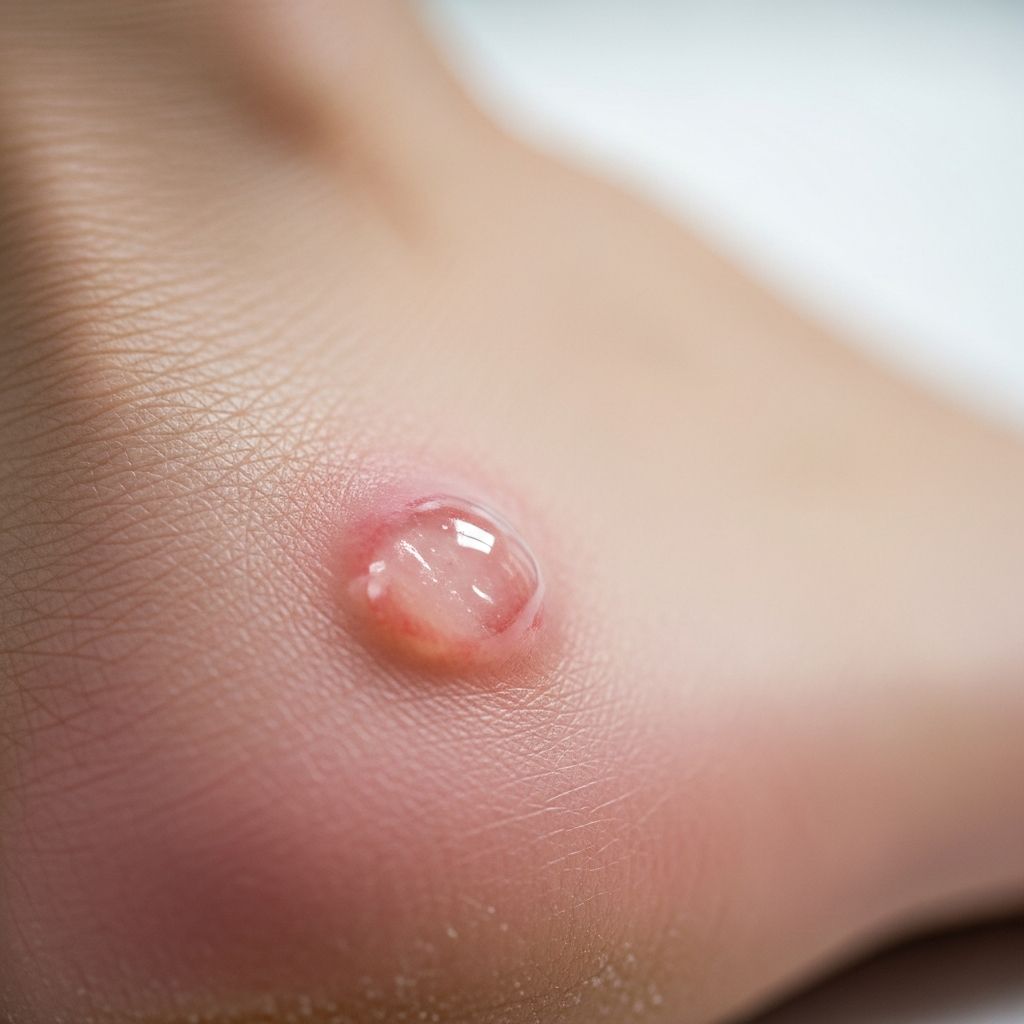
Blisters are fluid-filled bumps that form on the skin and represent your body’s natural response to injury or irritation. These rounded elevations contain clear fluid and develop when the upper layers of skin separate from underlying tissue, allowing fluid to accumulate in the gap created. While blisters can be uncomfortable and annoying, they serve an important protective function, shielding damaged skin while it heals underneath.
A blister is classified as a vesicle when it measures 0.5 cm or less in diameter, and as a bulla when it exceeds this size. Most blisters appear as bubbles under the skin and are typically filled with clear, watery fluid called serum, though some may contain blood or pus depending on the underlying cause.
What Causes Blisters?
Blisters develop through various mechanisms, and understanding the cause is essential for proper treatment and prevention. The most common triggers include friction, heat exposure, and trauma to the skin.
Friction Blisters
Friction blisters are the most prevalent type and occur when repetitive rubbing causes the upper skin layer to move back and forth over the underlying layer, creating a small gap that fills with protective fluid. These blisters commonly develop on the palms and soles of the feet, particularly from wearing ill-fitting shoes that rub against the skin during extended periods of activity. Manual labor, such as digging or using hand tools, frequently causes friction blisters on the hands.
Heat and Burn Blisters
Heat blisters form as a result of burns, sunburn, or frostbite exposure. When skin experiences significant thermal injury, blistering represents part of a second-degree burn response, as the body attempts to protect the damaged tissue beneath.
Blood Blisters
Blood blisters develop through pinching injuries that rupture blood vessels beneath the skin surface. When these vessels break, blood pools from the damaged vessel and forms a blister containing a mixture of blood and clear fluid. Initially appearing red, blood blisters often darken to purple over time as the blood oxidizes.
Other Causes
Blisters can also occur as symptoms of contact dermatitis, viral infections such as herpes simplex (fever blisters), or autoimmune diseases, in which case they may appear anywhere on the body. These disease-related blisters often require medical evaluation and specialized treatment.
Blister Fluid: What Is It?
The fluid inside a blister is called serum and leaks from surrounding tissue when your skin experiences injury. This fluid is not merely a byproduct but serves a vital protective function. The serum provides a natural protective barrier for the damaged skin beneath it, creating an ideal environment for healing to occur. When a blister appears red or pink rather than clear, this typically indicates the presence of blood from damaged blood vessels within the blister fluid. Yellowish fluid suggests the blister has become infected and contains pus, which requires prompt medical attention.
Where Do Blisters Typically Form?
Related Stories



The location of a blister depends largely on its cause. Friction blisters most commonly develop on areas subject to repetitive pressure and rubbing, particularly the feet and hands. Heat-related blisters form at the site of thermal injury. Fever blisters caused by herpes simplex virus typically appear on the face near the mouth but can also develop on the nose, inside the mouth, or on the fingers, often forming in clusters. Disease-related blisters may appear anywhere on the body depending on the underlying condition.
How to Treat a Blister
Most blisters can be effectively managed at home through simple care techniques. The treatment approach varies slightly depending on whether the blister remains intact or has opened.
Treating Intact Blisters
For blisters that haven’t burst, follow these treatment steps:
- Gently wash the area with mild soap, avoiding vigorous rubbing that could rupture the blister
- Apply an antiseptic wash if available
- Gently apply antibiotic cream or ointment to minimize infection risk
- Cover the blister with a bandage or gauze, changing the dressing at least once daily
- Keep the area clean and protected from further irritation
Treating Open Blisters
If your blister has already burst, proper care becomes even more important to prevent infection:
- Gently wash the area with clean water
- Leave the flap of skin covering the blister intact unless it’s dirty, torn, or shows signs of pus
- The overlying skin flap protects the tender skin beneath and should be smoothed over to prevent catching on clothing
- Apply a thin layer of antibiotic ointment
- Cover with a bandage and change the dressing daily or when it becomes wet or dirty
Special Considerations
For blisters on the fingers or knuckles, use flexible bandages that allow normal movement without disrupting the blister. This maintains comfort while protecting the wound from further irritation during daily activities.
When Should You Pop a Blister?
In most cases, blisters heal better when left intact. Friction blisters typically drain on their own within a few days, after which a new layer of skin develops beneath. However, certain situations warrant safely popping a blister.
If you have a friction or blood blister in a frequently used area with high risk of rupturing on its own, it may be best to pop it yourself to ensure proper protection against infection. For example, a blister on the index finger of your dominant hand might warrant controlled popping to prevent infection from repeated friction.
Never pop fever blisters (cold sores). These blisters, caused by herpes simplex virus, spread easily to other areas of your skin and to other people through close contact. Popping them won’t accelerate healing and increases transmission risk.
How to Safely Pop a Blister
If you decide to pop a blister, follow these steps carefully:
- Sterilize a needle or small sharp instrument with rubbing alcohol or by passing through a flame
- Gently puncture the edge of the blister, not the center
- Allow the fluid to drain naturally without squeezing
- Leave the overlying skin intact if possible, as it protects the wound
- Apply antibiotic ointment and cover with a sterile bandage
- Apply dressing tightly so the intact skin presses against underlying skin
- Repeat every six to eight hours for the first 24 hours, then daily thereafter
Remember that popping a blister disrupts the natural healing process and may prolong recovery time. You must monitor closely for signs of infection after popping.
Recognizing an Infected Blister
Popped blisters face greater infection risk than those left to heal naturally. Watch for these warning signs:
- Swelling and redness around the blister area
- Skin around the blister becoming warm to the touch
- Red streaks extending from the wound
- Increased drainage from the blister
- Milky-white pus inside or draining from the blister
- Increased pain or tenderness
- Foul odor emanating from the blister
If you observe any of these signs, seek medical attention promptly. Infected blisters may require professional treatment including drainage, antibiotics, or other interventions to prevent complications.
Blister Prevention Strategies
Preventing blisters is far easier than treating them. Consider these evidence-based prevention methods:
For Friction Blisters
- Wear properly fitting shoes that don’t rub or create pressure points
- Use moisture-wicking socks to reduce friction and keep feet dry
- Apply blister prevention products like moleskin or specialized tapes to high-friction areas before activity
- Break in new shoes gradually before extended wear
- Maintain good foot hygiene and keep feet dry during activity
- Use gloves when performing manual labor to protect hands
For Heat and Burn Blisters
- Apply sunscreen regularly and reapply as needed to prevent sunburn
- Wear protective clothing in extreme heat or cold conditions
- Exercise caution around heat sources and open flames
- Seek immediate shade or cool environments if overheated
For Blood Blisters
- Avoid pinching or crushing injuries through careful handling of tools and objects
- Use protective equipment when handling items that could cause trauma
- Be mindful of activities that might crush fingers or toes
Blister Healing and Recovery Timeline
Friction blisters generally heal spontaneously and often leave a thickened callus where the blister formed. Most blisters resolve within a few days to two weeks, depending on size, location, and whether they remain intact or rupture. Disease-related blisters may leave scars, particularly when located deep in the epidermis. If a blister continues to be exposed to friction, healing can take several weeks, during which time the blister may pop on its own, leaving it vulnerable to infection.
When to Seek Medical Attention
While most blisters resolve with home care, certain situations warrant professional medical evaluation:
- Blisters that show signs of infection despite home treatment
- Blisters associated with fever or systemic symptoms
- Blisters caused by unknown reasons or associated with widespread skin involvement
- Blisters in elderly individuals or those with compromised immune systems
- Extremely painful blisters that interfere with function or mobility
- Blisters suspected to be caused by serious underlying conditions
Frequently Asked Questions
Q: How long does it take for a blister to heal?
A: Most friction blisters heal within a few days to two weeks. If the blister remains intact and protected from further friction, healing typically occurs faster. Blisters that rupture may take slightly longer to completely disappear.
Q: Is it safe to drain a blister at home?
A: Friction and blood blisters in high-risk areas can be safely drained at home using sterile technique if necessary. However, fever blisters should never be popped. Always monitor for infection signs afterward.
Q: What should I do if my blister becomes infected?
A: If your blister shows signs of infection such as increased redness, warmth, pus, or red streaks, seek medical attention. Your healthcare provider may prescribe antibiotics or recommend professional drainage.
Q: Can I exercise or play sports with a blister?
A: You can continue moderate activity with proper blister protection using bandages and padding. High-impact activities that put pressure on the blister should be avoided until healing is more advanced.
Q: Are there any home remedies that help blisters heal faster?
A: Keeping the blister clean, dry, and protected with proper bandaging is most important. Antibiotic ointment helps prevent infection. While various home remedies exist, medical-grade treatments are most effective and evidence-based.
Q: What causes recurring blisters in the same location?
A: Recurring blisters typically result from continued friction or pressure in the same area. Prevention strategies like proper footwear, padding, or protective equipment can help reduce recurrence.
References
- Blister | Skin Lesions, Burns & Infections — Britannica. Accessed 2025. https://www.britannica.com/science/blister
- How to Treat & Prevent Blisters — BAND-AID®. Accessed 2025. https://www.band-aid.com/first-aid-info/first-aid-basics/blisters-treatment-prevention
- When Should You Pop a Blister? How to Pop Blisters Safely — Healthline. Accessed 2025. https://www.healthline.com/health/should-you-pop-a-blister
Similar Articles








Read full bio of Sneha Tete