Blisters: Causes, Treatment, and Prevention Guide
Comprehensive guide to understanding blisters, their causes, and effective treatment options.
Understanding Blisters: A Comprehensive Guide
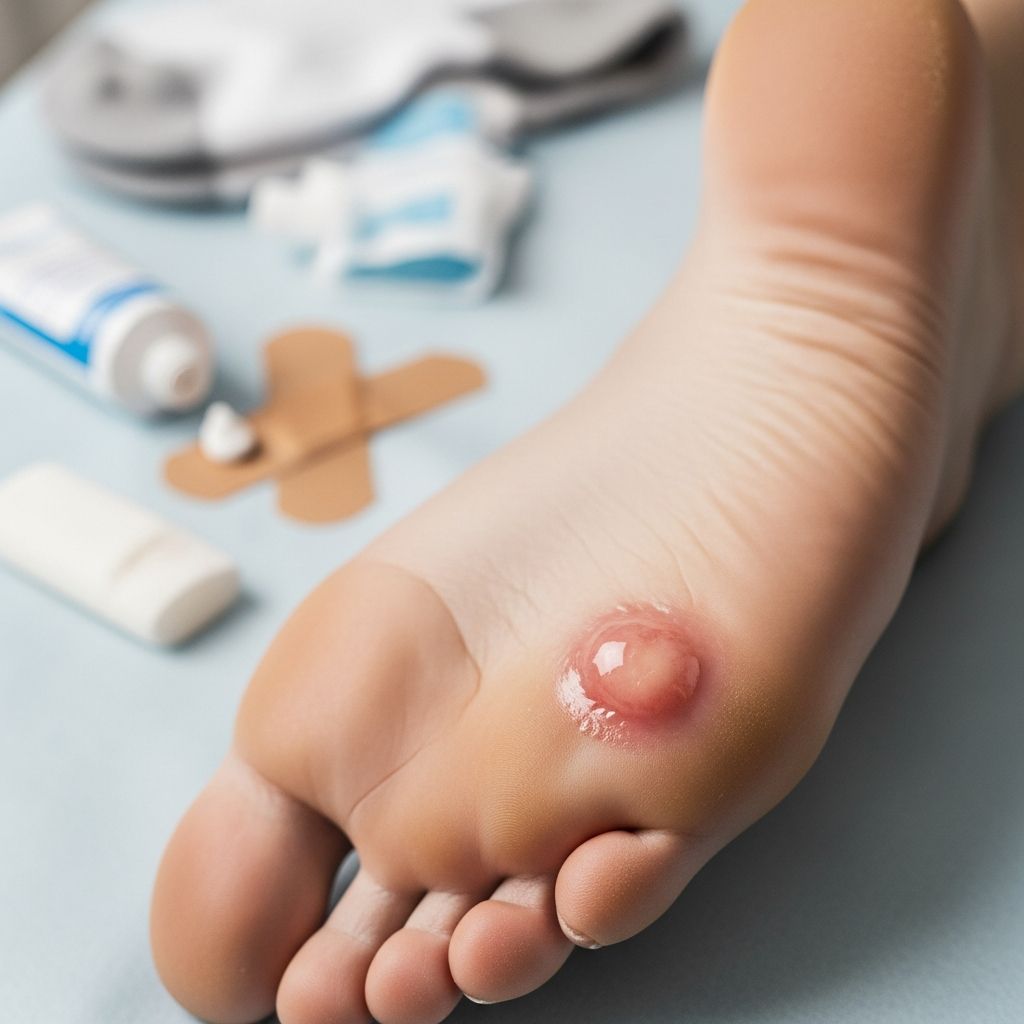
Blisters are small fluid-filled pockets that form on the skin, typically appearing as raised, rounded bumps. They develop when fluid collects between the layers of skin, specifically beneath the epidermis (the top layer). These fluid-filled sacs can contain various types of liquids, including clear serum (the watery component of blood), blood, or pus, depending on the underlying cause. Blisters can appear as single isolated bubbles or present themselves in clusters across the affected area. The appearance and sensation of blisters vary significantly based on their cause—some may itch intensely while others cause sharp pain or only mild discomfort.
Common Causes of Blisters
Friction Blisters
Friction blisters represent one of the most prevalent types of blisters people experience. These blisters develop when repeated rubbing against the skin creates separation between skin layers, causing fluid to accumulate. Common scenarios include wearing new or ill-fitting shoes that haven’t been properly broken in, hiking in boots that rub against the heel or toes, or performing manual tasks like raking without protective gloves. The hands, particularly the palms and thumbs, frequently develop friction blisters from activities requiring gripping or repetitive motions.
Contact Dermatitis Blisters
Contact with irritating substances or allergens can trigger the development of blisters. The most well-known culprit is contact with poison ivy, but numerous other substances can provoke blister formation. These triggers include everyday items such as soaps, perfumes, detergents, certain fabrics, metal jewelry, latex gloves, and materials used in manufacturing tools and toys. When the skin contacts these substances, an allergic reaction occurs, manifesting as contact dermatitis that produces blisters filled with clear fluid.
Eczema-Related Blisters
Certain forms of eczema, particularly dyshidrotic eczema, can cause blisters to develop on the palms of the hands and soles of the feet. These blisters typically contain clear fluid and are characterized by intense itching. Dyshidrotic eczema represents a specialized type of dermatitis that specifically causes these uncomfortable fluid-filled bumps. If blisters develop that contain pus rather than clear fluid, this indicates a secondary bacterial infection has developed, requiring medical evaluation and treatment.
Insect-Related Blisters
Various insects and parasites can cause blister formation through bites or infestations. Scabies, caused by tiny mites that burrow into the skin, often create distinctive curved lines of blisters, particularly on the hands, feet, wrists, and underarm areas. Flea and bedbug bites can also produce small blisters as the body reacts to the insect saliva. The brown recluse spider deserves special attention, as its bite can cause particularly severe blistering that progresses to a painful open sore after rupturing. Such bites require immediate medical attention.
Viral-Induced Blisters
Several viruses can trigger blister formation on the skin. The herpes simplex virus causes fever blisters that appear on the lips, mouth, or genital areas. These blisters contain infectious fluid that transmits the virus through sexual contact, kissing, or sharing eating utensils. Many individuals with herpes experience only mild symptoms and may be unaware of their condition. Chickenpox, another viral infection, begins with red bumps that progress to fluid-filled blisters before forming scabs. Individuals who have previously had chickenpox can develop shingles later in life, a painful condition affecting specific nerves and causing distinctive blister-forming rashes.
Hand, Foot, and Mouth Disease
Related Stories



This viral infection, which primarily affects children under ten years old, causes characteristic blisters on the hands, feet, and inside the mouth. The condition spreads through contact with mucus, saliva, feces, or the blisters themselves of infected individuals. Initial symptoms include mild fever, runny nose, and sore throat, with blisters serving as the distinguishing diagnostic feature.
Blister Treatment and Care
Natural Healing Process
Many blisters heal independently without intervention. The body gradually absorbs the fluid contained within the blister, causing it to flatten and eventually peel away as new skin forms underneath. This natural healing process typically occurs over several days to weeks, depending on the blister’s size and cause.
Protective Measures During Healing
While waiting for natural healing, protective measures minimize pain and prevent additional complications. Donut-shaped moleskin padding or specialized blister tape can shield the blister from further friction and pressure, reducing discomfort during daily activities. This protective barrier keeps the blister intact and prevents premature rupturing.
When to Drain a Blister
Most blisters should remain intact to protect the underlying skin and reduce infection risk. However, medical professionals may recommend drainage if the blister exceeds one inch in diameter (larger than a nickel) or causes severe pain that impairs mobility. If drainage becomes necessary, a healthcare provider uses a sterile needle to puncture the blister, allowing fluid to escape while maintaining the overlying skin as a protective barrier. Never attempt to drain a blister yourself, as non-sterile procedures risk serious infection.
Post-Rupture Care
Once a blister ruptures—whether drained by a medical professional or burst accidentally—proper wound care becomes essential. Gently cleanse the area using mild soap and water to remove any debris or bacteria. After washing, apply a thin layer of antibiotic ointment to prevent bacterial contamination. Cover the blister with a sterile bandage during daytime hours to maintain cleanliness and protection. Allow the blister to air-dry at night, as exposure to air promotes faster healing and prevents moisture accumulation that could encourage infection.
When to Seek Medical Attention
Signs of Infection
Certain symptoms indicate that a blister has become infected and requires professional medical evaluation:
– Pus or yellowish discharge from the blister- Increased redness, warmth, or swelling around the affected area- Red streaks extending away from the blister- Pain that intensifies or spreads beyond the immediate area- Fever, chills, or general flu-like symptoms accompanying the blister
Blisters Requiring Urgent Attention
Certain blister locations demand immediate medical consultation. Blisters appearing around the eyes or on the genitals warrant professional evaluation due to the sensitivity and potential complications in these areas. Additionally, any blister accompanied by fever, chills, or systemic symptoms suggesting viral or bacterial infection requires prompt medical attention.
Prevention Strategies
Preventing Friction Blisters
Proper footwear selection and gradual breaking-in periods significantly reduce friction blister development. Wear appropriately fitting shoes with adequate cushioning, and allow new shoes to conform to your feet gradually rather than wearing them for extended periods immediately. During activities involving hand tools or repetitive gripping, wearing protective gloves prevents blister formation on palms and fingers.
Avoiding Contact Dermatitis
Identify and avoid substances that trigger allergic reactions on your skin. Wear protective equipment when handling known irritants, thoroughly rinse skin after potential exposure to allergens, and use hypoallergenic soaps and detergents if you have sensitive skin. Testing patches of new products on small skin areas before widespread application can identify problematic substances.
Preventing Viral Blisters
Vaccination provides the most effective prevention against certain viral blister-causing infections. The Centers for Disease Control and Prevention recommends that individuals 60 years and older receive a one-time shingles vaccination to prevent this painful condition. Two doses of chickenpox vaccine are recommended for anyone who hasn’t had the disease. Practicing good hygiene and avoiding contact with individuals displaying active herpes simplex lesions reduces transmission risk.
Understanding Different Blister Types
| Blister Type | Primary Cause | Common Location | Fluid Content | Treatment Approach |
|---|---|---|---|---|
| Friction Blister | Repeated rubbing or pressure | Heels, toes, palms | Clear serum | Protective padding, moleskin |
| Contact Dermatitis | Allergic reaction to substances | Area of contact | Clear serum | Avoid trigger, topical steroids |
| Dyshidrotic Eczema | Eczema condition | Palms, feet soles | Clear fluid | Moisturizing, steroid creams |
| Insect-Related | Insect bites or mites | Varies by insect | Clear fluid or pus | Anti-itch creams, antibiotics if infected |
| Viral Blister | Herpes or other viruses | Lips, mouth, genitals | Infectious fluid | Antiviral medications |
Frequently Asked Questions About Blisters
Q: Should I pop a blister?
A: Generally, allow blisters to heal naturally by maintaining the fluid-filled sac intact. Only consider drainage if the blister exceeds one inch in diameter or causes severe pain. Always seek professional medical assistance for drainage rather than attempting it yourself, as sterile technique prevents infection.
Q: How long does it take for a blister to heal?
A: Most blisters heal within one to two weeks as the body reabsorbs fluid and new skin regenerates underneath. Healing time varies based on the blister’s size, cause, and how well it’s protected from further irritation.
Q: What causes fever blisters?
A: Fever blisters result from infection with the herpes simplex virus. These blisters contain infectious fluid transmitted through kissing, sexual contact, or sharing eating utensils. Many people with herpes experience minimal symptoms and remain unaware of their infection.
Q: Is chickenpox vaccination important for blister prevention?
A: Yes, the Centers for Disease Control recommends two doses of chickenpox vaccine for anyone who hasn’t had the disease. Additionally, individuals 60 and older should receive a one-time shingles vaccination to prevent this painful blister-forming condition that can develop after chickenpox.
Q: When should I see a doctor about a blister?
A: Seek medical attention if you notice signs of infection (pus, red streaks, increasing warmth), experience fever or flu-like symptoms, have blisters around your eyes or genitals, or if the blister causes severe pain affecting your mobility.
Q: Can blisters be prevented?
A: Many blisters can be prevented through proper footwear, protective equipment during friction-prone activities, avoiding known allergens, and maintaining vaccinations against viral causes like chickenpox and shingles.
Conclusion
Blisters, while often uncomfortable and inconvenient, are typically harmless conditions that resolve independently with proper care. Understanding the diverse causes of blisters—from friction and allergic reactions to viral infections—enables appropriate treatment and prevention strategies. Most blisters benefit from protective measures and allowing natural healing, while infection signs or severe cases warrant professional medical evaluation. By recognizing when home care suffices and when professional intervention becomes necessary, individuals can effectively manage blisters while minimizing complications and discomfort.
References
- Blisters: Causes and Treatment — WebMD. 2024. https://www.webmd.com/skin-problems-and-treatments/ss/slideshow-blisters
- Shingles Vaccination Recommendations — Centers for Disease Control and Prevention (CDC). 2024. https://www.cdc.gov/shingles/vaccination.html
- Chickenpox and Varicella Vaccination — Centers for Disease Control and Prevention (CDC). 2024. https://www.cdc.gov/chickenpox/vaccination.html
Similar Articles








Read full bio of medha deb