Bloated After Workout: 7 Causes And How To Stop It
Discover why you feel bloated after workouts and expert tips to prevent and relieve it effectively.
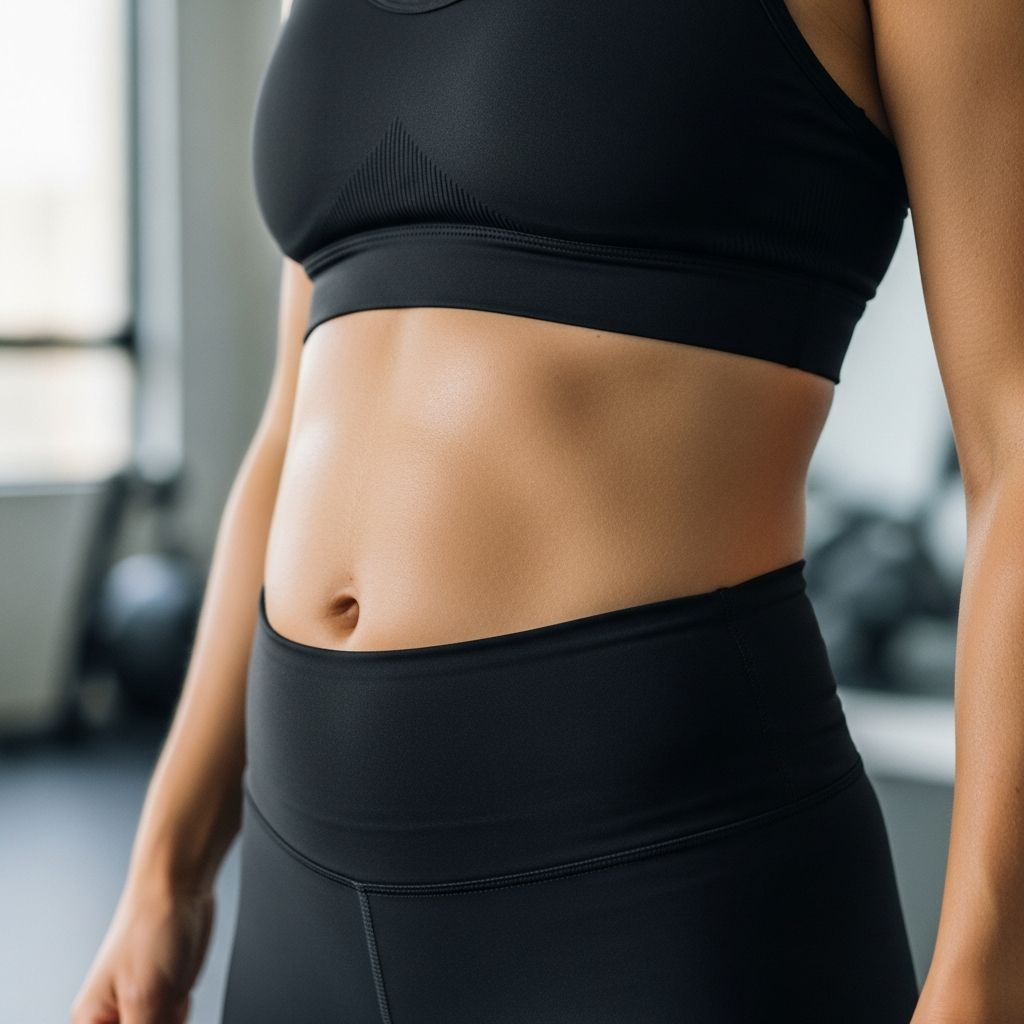
Experiencing a swollen, uncomfortable belly after your workout? You’re not alone. Post-workout bloating is a common issue that affects many fitness enthusiasts, from casual gym-goers to dedicated athletes. This sensation of fullness or distension in the abdomen can dampen the post-exercise high, but understanding its causes can help you prevent it and get back to feeling great.
During exercise, your body redirects blood flow from the digestive system to your muscles, slowing gastric emptying and potentially leading to gas buildup or slowed motility.Bloated after workout feelings often stem from factors like what you eat beforehand, hydration levels, breathing patterns, and workout intensity. In this comprehensive guide, we’ll break down the key reasons, share expert-backed prevention strategies, and outline when to seek medical advice.
Why Do You Feel Bloated After a Workout?
Bloating after exercise isn’t just in your head—it’s a physiological response. As your body prioritizes muscle performance over digestion, food and fluids can linger in your gut, causing discomfort. Experts note that this is especially common after high-intensity sessions or core-focused workouts, where abdominal pressure adds to the issue.
- Normal occurrence: Mild bloating typically resolves within hours but can last up to a day.
- Key triggers: Diet, hydration, and exercise habits play major roles.
1. Eating High-Fiber or High-Fat Foods Before Exercising
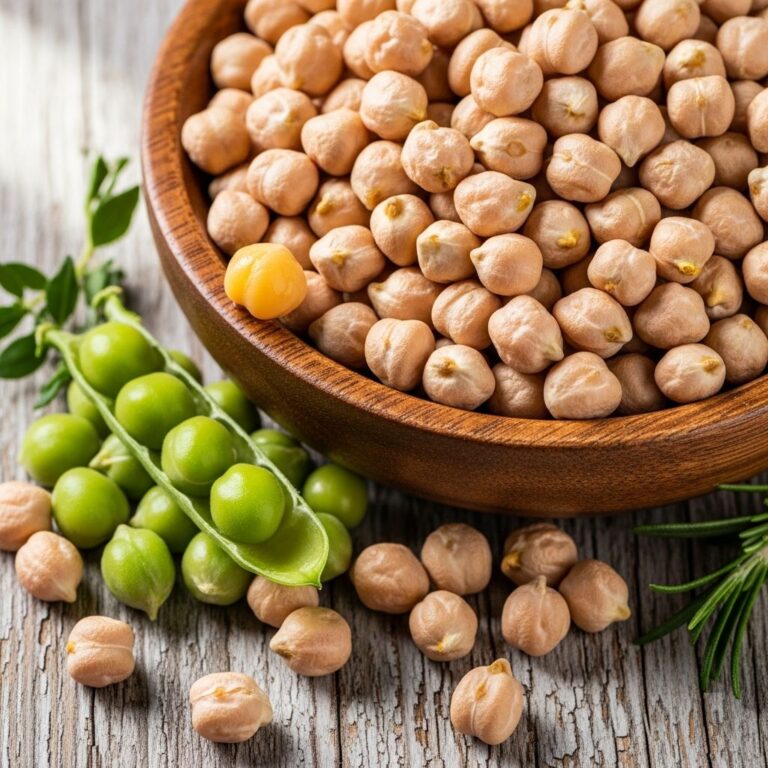
High-fiber foods like whole grains, leafy greens, cruciferous vegetables, seeds, and beans are excellent for health but digest slowly. Consuming them close to workout time means your body struggles to process them while diverting energy to exercise. Similarly, fatty foods like fries delay gastric emptying, leading to gas and bloating.
Timing matters: Eat large, fiber-rich meals 2-3 hours before workouts. Opt for quick-digesting snacks like fruit, smoothies, or simple carbs if needed closer to exercise.
2. Swallowing Air During Exercise (Aerophagia)
Heavy breathing, especially during intense cardio or HIIT, causes you to gulp air. This air travels to your digestive tract instead of just your lungs, creating trapped gas and that puffy feeling. Running, cycling, or any activity with rapid breaths exacerbates this.
Practice nasal breathing or controlled inhales to minimize air intake. Yoga or breathwork classes can train better patterns.
3. Dehydration or Overhydration
Dehydration thickens stool, leading to constipation—a top bloat culprit. Sweat losses without replacement mean your gut retains water, causing swelling. Conversely, gulping water too quickly introduces air and overfills the stomach.
Rule: Sip water steadily during workouts. Aim to replace fluids lost (about 3 cups per pound of body weight lost). Electrolyte drinks help if sweating profusely.
4. Workout Intensity and Exertion
High-intensity interval training (HIIT), heavy lifting, or prolonged sessions stress the body, triggering inflammation as muscles repair. This can manifest as temporary abdominal swelling. Core exercises like planks or crunches add direct pressure.
Related Stories



Balance with rest days. Overdoing HIIT back-to-back increases stress-related digestive issues like gas or reflux.
5. Heat and Environmental Factors
Hot weather or stuffy gyms dilate blood vessels, causing fluid shifts and tissue swelling. Breathable clothing and air-conditioned spaces mitigate this.
6. Carbonated Drinks and Sugary Foods
Fizzy beverages add gas directly to your system. Post-workout sugary treats or alcohol ferment in the gut, worsening bloat.
7. Underlying Stress or Gut Sensitivity
Exercise stress can mimic IBS symptoms in sensitive individuals, slowing motility. Post-meal walks may help, as short activity aids digestion per NIH research.
How Long Does Post-Workout Bloating Last?
Most cases subside within 1-4 hours as digestion resumes and blood flow normalizes. Persistent bloating beyond 24 hours or during workouts signals issues like poor fueling or chronic dehydration. Track patterns to identify personal triggers.
How to Get Rid of Bloating After a Workout
Relief is quick with these steps:
- Hydrate properly: Drink room-temperature water slowly.
- Walk it off: A 10-15 minute gentle walk promotes motility.
- Simple post-workout nutrition: Stick to lean proteins, simple carbs; avoid fiber/fat bombs.
- Heat therapy: Warm compress on belly relaxes muscles.
- Herbal teas: Peppermint or ginger soothe gas.
Skip carbonation, fried foods, and alcohol immediately after.
Prevention Tips: Stop Bloating Before It Starts
Proactive habits yield the best results. Here’s a strategic plan:
| Strategy | Why It Works | Actionable Tip |
|---|---|---|
| Time your meals | Allows full digestion | Eat 2-3 hours pre-workout; light snack 30-60 min before |
| Journal triggers | Identifies patterns | Log food, workouts, hydration for 1-2 weeks |
| Regulate breathing | Reduces aerophagia | Practice diaphragmatic breathing |
| Stay hydrated | Prevents constipation | Sip 16-20 oz/hour during intense sessions |
| Incorporate rest | Lowers stress | 1-2 rest days/week between HIIT |
| Consider supplements | Supports gut health | Postbiotics or digestive enzymes if tolerated |
When to See a Doctor About Post-Workout Bloating
Mild bloating is normal, but consult a professional if:
- It persists >24 hours despite changes.
- Accompanied by pain, nausea, vomiting, diarrhea, or blood in stool.
- Occurs with unexplained weight loss or fatigue.
- Sudden onset after starting new routines.
These could indicate GI issues like IBS, food intolerances, or more serious conditions. A doctor or RD can test for allergies or recommend tailored plans.
Frequently Asked Questions (FAQs)
Is bloating after a workout normal?
Yes, it’s common due to slowed digestion and other factors. It usually resolves quickly.
How do I prevent bloating from HIIT workouts?
Eat light 2 hours prior, stay hydrated, breathe steadily, and include recovery days.
Does dehydration really cause bloating?
Absolutely—dehydration leads to constipation and water retention in the gut.
What should I eat after a workout to avoid bloating?
Opt for bananas, rice, lean chicken, or yogurt. Avoid fiber-heavy salads or sodas.
Can core workouts cause more bloating?
Yes, abdominal compression traps gas; ease in and pair with breathwork.
Key Takeaways
Bloated after workout? Pinpoint causes like pre-exercise meals, air swallowing, or hydration gaps. Implement journaling, timed eating, and mindful breathing for relief. Most importantly, listen to your body—fitness should energize, not distress. With these tweaks, you’ll crush workouts bloat-free.
References
- 7 Reasons Why You May Feel Bloated After a Workout — One Peloton Blog. 2023. https://www.onepeloton.com/blog/bloated-after-workout
- Bloated After a Workout: Causes, Treatment and Prevention — Healthline. 2023-10-15. https://www.healthline.com/health/fitness/bloated-after-workout
- The effect of a short-term physical activity after meals on bloating — National Institutes of Health (PMC). 2021-04-12. https://pmc.ncbi.nlm.nih.gov/articles/PMC8035544/
Similar Articles








Read full bio of medha deb