Bloated Stomach: Causes, Tips to Reduce & When to be Concerned
Understanding bloated stomach causes, effective relief strategies, and when to seek medical attention.
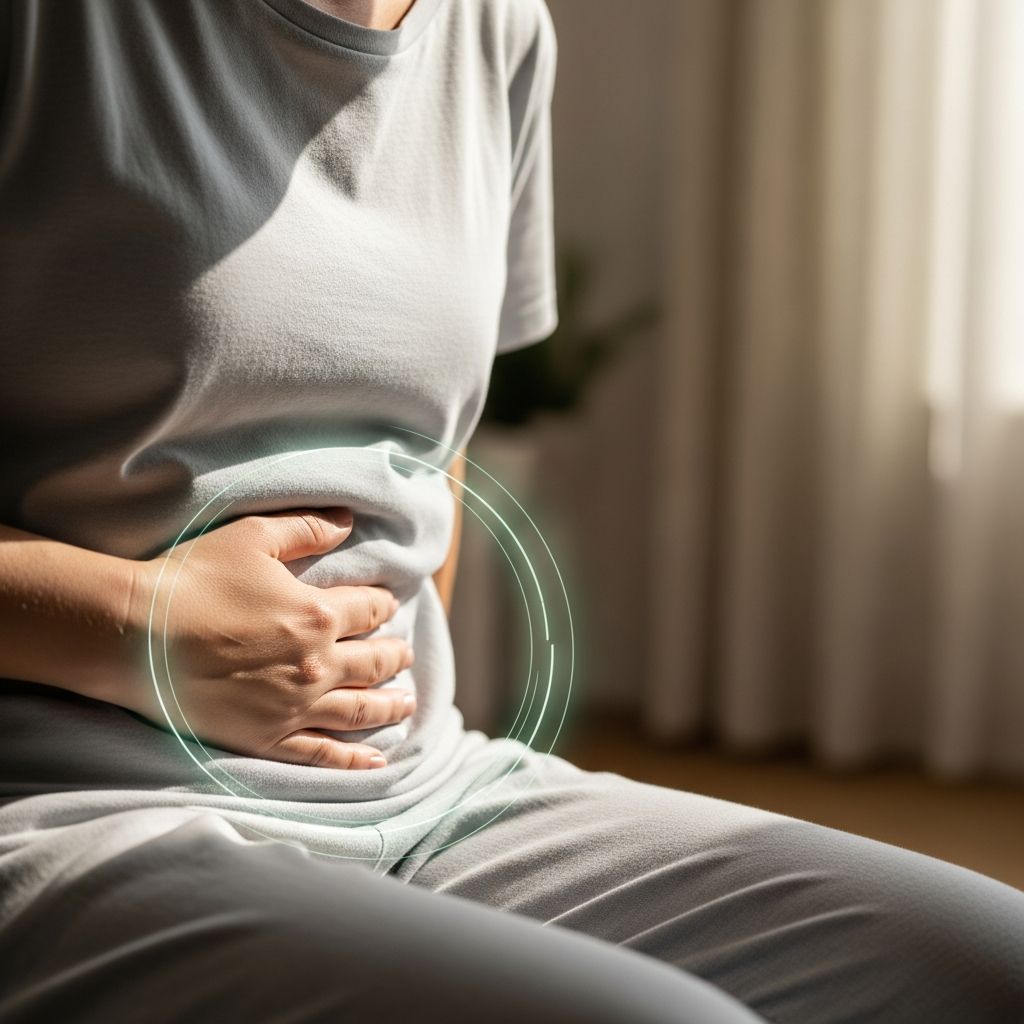
A bloated stomach is an increasingly common complaint that affects millions of people worldwide. This uncomfortable sensation goes beyond mere physical discomfort—it can significantly impact your daily activities, confidence, and overall quality of life. Whether you experience occasional bloating after meals or deal with persistent abdominal distension, understanding the root causes and available solutions is essential for managing this condition effectively.
What is a Bloated Stomach?
A bloated stomach is fundamentally a feeling of tightness, pressure, or fullness in your belly. This sensation may or may not be accompanied by a visibly distended (swollen) abdomen. The feeling can range from mildly uncomfortable to intensely painful, and it typically resolves on its own after some time. However, for some individuals, bloating becomes a recurring problem that requires attention and management strategies.
It’s important to note that you might feel bloated even without visible abdominal swelling. This distinction matters because it helps identify whether your bloating is primarily a sensation or a structural change in your abdomen. The experience varies greatly from person to person, and what triggers bloating in one individual may have no effect on another.
Common Causes of Bloating
Excess Intestinal Gas
The most common cause of stomach pain and bloating is excess intestinal gas. While gas is a natural byproduct of digestion, too much gas indicates that your digestion has gone awry. When you consume foods, your gut bacteria digest carbohydrates through a process called fermentation. If excessive fermentation occurs, it’s typically because too many carbohydrates weren’t naturally absorbed earlier in the digestive process before reaching your gut bacteria.
You may ingest gases by swallowing air or drinking carbonated beverages, but these gases mostly escape through belching before reaching your intestines. The gas that causes bloating is primarily produced within your digestive system itself. This excess gas accumulation creates pressure and discomfort, leading to that characteristic bloated feeling.
Eating Habits and Food Intake
Simple dietary habits often contribute to bloating. Eating too much too fast prevents your digestive system from properly processing food, leading to gas and digestive content buildup. Your stomach is roughly the size of your fist, though it can stretch to accommodate more food. Consuming large portions, especially those high in carbohydrates, can definitely trigger bloating.
When you eat more than your body needs for fuel, it stores extra calories as glycogen, which attracts water and causes fluid retention. This magnifies the bloated feeling significantly. Additionally, foods high in fat digest slowly, causing prolonged discomfort and bloating sensations.
Specific Food Culprits
Certain foods and ingredients are notorious for causing bloating, even when consumed in normal quantities:
- High-sodium foods: When you eat foods high in salt, your body retains fluids from the foods and drinks you consume, creating bloating. Processed foods, restaurant meals, and convenience foods often contain hidden sodium as a preservative. Pizza, sandwiches, cold cuts, canned soups, bread rolls, and bagels are among the biggest culprits.
- Carbonated beverages: Drinking soda and other carbonated drinks causes you to swallow excess air, which leads to bloating. Once air passes from your stomach to your intestines, it can’t escape through burping, contributing to abdominal discomfort.
- High-fructose corn syrup: This sweetener, commonly found in processed foods and beverages, can trigger bloating and digestive distress.
- Dairy products: If you’re lactose intolerant, consuming high-lactose foods like ice cream or milk can cause bloating. Your body’s inability to break down lactose easily results in gas, abdominal pain, and bloating.
Related Stories



Digestive Content Buildup
Digestive contents—including solids, liquids, and gas—can accumulate in your digestive system when there’s a backup or restriction in your digestive tract or when muscles that move digestive contents along are impaired. Any buildup along the digestive tract leaves less room for normal amounts of gas to process through. It also reduces space for other abdominal contents, including circulatory fluids and fat, making everything feel tighter and more uncomfortable.
Food Intolerances and Gastrointestinal Diseases
If you get a bloated stomach after eating, you may have a specific food intolerance or gastrointestinal condition that causes gas and digestive content accumulation. These issues require identification and management to prevent ongoing discomfort.
Hormonal Influences on Bloating
Your menstrual cycle is another common cause of temporary bloating. Hormonal fluctuations, particularly involving estrogen and progesterone, significantly impact your digestive system and fluid retention.
When estrogen spikes and progesterone drops, you experience bloating from fluid retention. This, combined with the increased volume of your uterus just before menstruation, creates a noticeably bloated stomach. However, hormones do more than just cause water retention—they interact directly with your digestive system. Estrogen and progesterone can each cause intestinal gas by either slowing or speeding your gastrointestinal motility.
Additionally, estrogen receptors in your gastrointestinal tract affect your visceral sensitivity—essentially what makes you feel bloated. This hormonal connection explains why some people experience cyclical bloating patterns aligned with their menstrual cycle.
Stress and Psychological Factors
Stress plays an underestimated role in bloating and digestive discomfort. When you’re stressed or anxious, your body’s stress response can affect your digestive function, leading to gas accumulation, altered motility, and increased visceral sensitivity. Managing stress through relaxation techniques, regular exercise, and mindfulness practices can help reduce bloating episodes.
When Bloating Indicates a Serious Condition
While most bloating is temporary and resolves on its own, persistent bloating can indicate underlying medical conditions that require professional evaluation. If your bloated stomach doesn’t go away or gets worse, you should seek medical attention to determine the cause.
Serious conditions that may present with bloating include:
- Irritable Bowel Syndrome (IBS)
- Functional dyspepsia
- Inflammatory bowel diseases
- Celiac disease
- Lactose intolerance
- Small intestinal bacterial overgrowth (SIBO)
- Gastroesophageal reflux disease (GERD)
- Ascites (fluid buildup in the abdomen)
Additionally, if you experience other symptoms of serious illness alongside bloating—such as fever, persistent vomiting, unexplained weight loss, or blood in your stool—seek immediate medical attention.
Practical Tips to Reduce Bloating
Dietary Modifications
Making strategic changes to your diet can significantly reduce bloating. First, cut down on processed foods, restaurant meals, and convenience foods, which hide sodium throughout their ingredients. Second, reduce your intake of high-fat foods, opting instead for grilled options and lighter preparations. Third, limit carbonated beverages and replace them with still water, herbal tea, or other non-carbonated drinks.
If you’re lactose intolerant, avoid or minimize dairy products, or choose lactose-free alternatives. Finally, be mindful of portion sizes and eat more slowly to give your digestive system adequate time to process food properly.
Lifestyle Strategies
Beyond dietary changes, several lifestyle modifications can help reduce bloating. Regular physical activity aids digestion and promotes healthy gastrointestinal motility. Staying well-hydrated supports digestive function, though you should drink water gradually throughout the day rather than consuming large quantities at once.
Practicing stress-reduction techniques like yoga, meditation, or deep breathing exercises can calm your digestive system. Additionally, getting adequate sleep supports overall digestive health and helps regulate hormones that influence bloating.
When to Seek Medical Care
Bloating that comes and goes is usually digestive, hormonal, or both. These causes can make you feel generally sick and tired. As long as your symptoms eventually go away, they probably aren’t serious. However, if your bloated stomach doesn’t go away or gets worse, you should definitely consult a healthcare professional.
Your doctor can perform appropriate tests and evaluations to identify any underlying conditions. They may recommend dietary adjustments, medications, or further diagnostic procedures depending on your specific situation and symptom severity.
Frequently Asked Questions
Q: How long does a bloated stomach typically last?
A: Most bloating resolves on its own within a few hours to a day. However, if bloating persists for more than a few days or becomes increasingly severe, you should consult a healthcare provider to rule out underlying conditions.
Q: Can stress directly cause bloating?
A: Yes, stress affects your nervous system and can alter digestive motility, increase gas production, and heighten your sensitivity to abdominal sensations, all of which contribute to bloating.
Q: Is bloating a sign of a serious illness?
A: Usually not. Most bloating is temporary and related to diet or hormones. However, persistent or worsening bloating accompanied by other symptoms like fever, vomiting, or weight loss warrants medical evaluation.
Q: What’s the difference between bloating and abdominal distension?
A: Bloating is primarily a sensation of fullness or tightness, while distension refers to actual visible swelling of the abdomen. You can experience bloating without distension and vice versa.
Q: Are there over-the-counter remedies for bloating?
A: Yes, several options exist including simethicone (Gas-X), which helps break up gas bubbles, and probiotics, which may improve digestive health. However, consult your healthcare provider before starting any new supplements.
Q: How can I reduce bloating during my menstrual cycle?
A: Reduce sodium intake, stay hydrated, engage in light exercise, and manage stress. Some people find dietary changes or over-the-counter pain relievers helpful. If hormonal bloating significantly impacts your life, discuss options with your doctor.
Q: What foods should I avoid if I experience frequent bloating?
A: Common problematic foods include processed items high in sodium, carbonated beverages, high-fat foods, dairy if lactose intolerant, and foods containing high-fructose corn syrup. Keep a food diary to identify your personal triggers.
Conclusion
A bloated stomach is a common experience that affects people for various reasons—from simple dietary choices and eating habits to hormonal fluctuations and stress. While most cases of bloating resolve without intervention, understanding the underlying causes empowers you to make informed decisions about your health and daily habits.
By implementing dietary modifications, adopting healthy lifestyle practices, and managing stress effectively, you can significantly reduce bloating episodes. However, if bloating persists, worsens, or accompanies other concerning symptoms, consulting with a healthcare professional is essential. They can provide personalized guidance, identify any underlying conditions, and recommend appropriate treatment options tailored to your specific needs.
References
- Bloated Stomach: Causes, Tips to Reduce & When to be Concerned — Cleveland Clinic. 2024. https://my.clevelandclinic.org/health/symptoms/21740-bloated-stomach
- Functional dyspepsia: How to manage the burn and the bloat — Cleveland Clinic Journal of Medicine, Vol. 91, No. 5. 2024. https://www.ccjm.org/content/91/5/301
- Irritable Bowel Syndrome (IBS): Symptoms, Causes & Treatment — Cleveland Clinic. 2024. https://my.clevelandclinic.org/health/diseases/4342-irritable-bowel-syndrome-ibs
- Functional Dyspepsia: What It Is, Symptoms & Treatment — Cleveland Clinic. 2024. https://my.clevelandclinic.org/health/diseases/22248-functional-dyspepsia
- Gas and Gas Pain: Causes, What It Feels Like, Location, Treatment — Cleveland Clinic. 2024. https://my.clevelandclinic.org/health/diseases/7314-gas-and-gas-pain
- Feel Bloated? 5 Odd Reasons for Your Stomach Pain — Cleveland Clinic Health. 2024. https://health.clevelandclinic.org/feel-bloated-5-odd-reasons-stomach-pain
- Ascites: What it is, Symptoms, Causes & Treatment — Cleveland Clinic. 2024. https://my.clevelandclinic.org/health/diseases/14792-ascites
Similar Articles








Read full bio of Sneha Tete