Bloating And Ovarian Cancer: Signs, Risks, Next Steps
Understand how persistent bloating can signal ovarian cancer, learn key symptoms, risk factors, and when to seek urgent medical help.
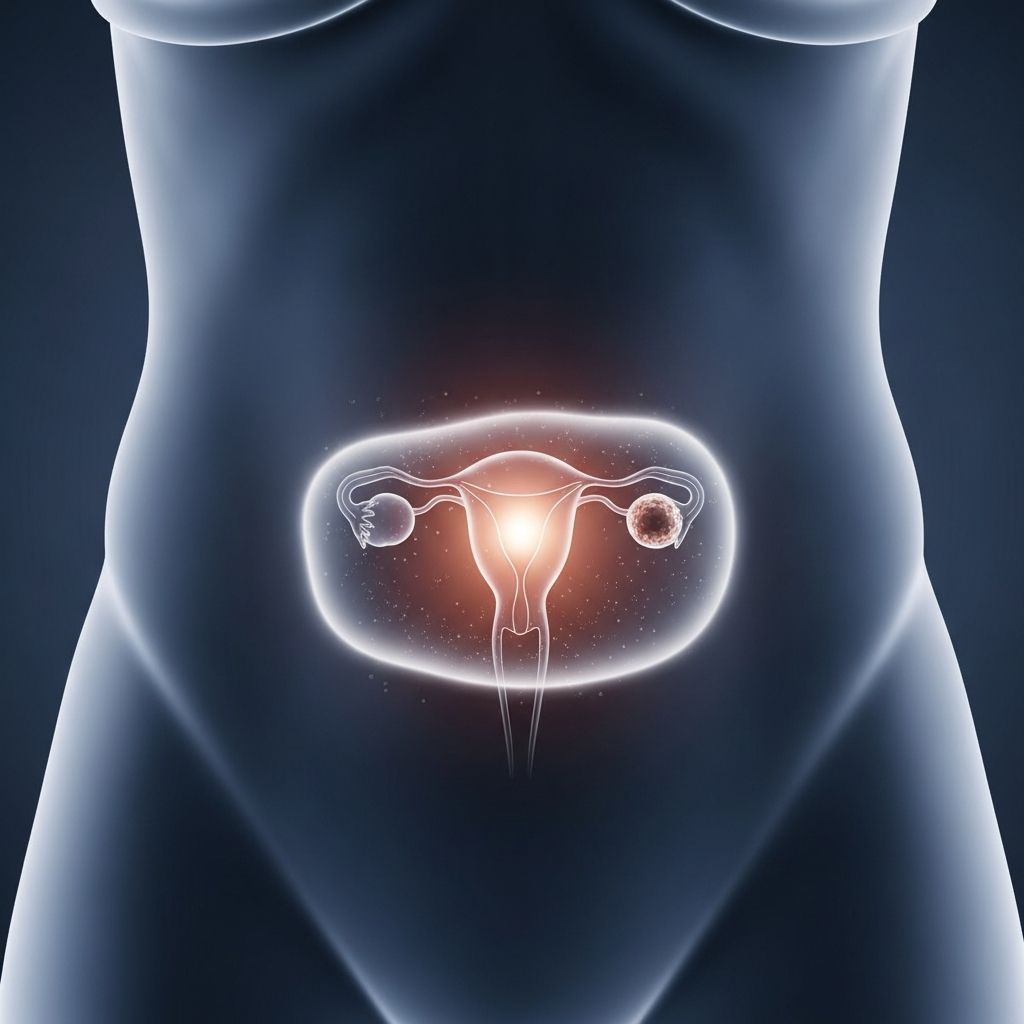
Abdominal
bloating
is one of the most frequently reported symptoms associated with ovarian cancer, often dismissed as a benign digestive issue. However, when persistent and unexplained, it warrants immediate medical attention, as it can indicate this serious gynecologic malignancy.What Causes Bloating in Ovarian Cancer?
In ovarian cancer, bloating typically arises from the accumulation of fluid in the abdomen, known as
ascites
, caused by tumors irritating the peritoneal lining or spreading within the abdominal cavity. This leads to a sensation of tightness, visible swelling, and discomfort that worsens over time. Unlike temporary bloating from diet or gas, cancer-related bloating is chronic, lasting weeks or months, and may intensify after meals or in the evening.Tumors can also press on nearby organs, contributing to bloating alongside
early satiety
(feeling full quickly) and changes in bowel habits. In advanced stages, the abdomen may swell dramatically, sometimes resembling pregnancy. According to experts, these symptoms are subtle early on but become persistent, urging proactive evaluation.Symptoms of Ovarian Cancer Beyond Bloating
Ovarian cancer often presents with vague, nonspecific symptoms that mimic gastrointestinal disorders, delaying diagnosis. Key symptoms include:
- **Abdominal bloating or swelling**: Persistent and progressive.
- **Pelvic or abdominal pain**: Dull ache or pressure.
- **Early satiety**: Feeling full after small meals.
- **Urinary urgency or frequency**: Due to bladder compression.
- **Changes in bowel habits**: Constipation, diarrhea, or alternating.
- **Unexplained weight loss or gain**: Often abdominal distension.
- **Fatigue, nausea, or back pain**: Lower back or pelvic discomfort.
These symptoms are more likely cancer-related if they persist beyond two weeks, worsen progressively, or occur post-menopause. Survivors report bloating so severe it distorted their silhouette, combined with diarrhea and pain.
Risk Factors for Ovarian Cancer
Not all bloating indicates cancer, but certain factors elevate risk, making symptom vigilance crucial. Primary risk factors include:
| Risk Factor | Description |
|---|---|
| **Age** | Most common in women over 50, risk rises with age. |
| **Genetic Mutations** | BRCA1/BRCA2, Lynch syndrome, BRIP1, RAD51C/D genes increase susceptibility. |
| **Family History** | Relatives with ovarian, breast, or colorectal cancer. |
| **Obesity** | BMI over 30 heightens risk. |
| **Endometriosis** | Tissue growth outside uterus linked to higher incidence. |
| **Hormone Therapy** | Postmenopausal estrogen replacement. |
| **Reproductive History** | Never pregnant, early menarche, late menopause. |
Women with these risks should discuss genetic testing or preventive measures like salpingo-oophorectomy with their doctor.
When to See a Doctor for Bloating
Seek medical evaluation if bloating lasts over two weeks, is severe, or accompanies other symptoms like pelvic pain, urinary changes, or appetite loss. Record symptoms in a diary noting duration, triggers, and severity to aid your GP. High-risk individuals or those with visible abdominal swelling need urgent referral for imaging or CA-125 blood tests.
Do not ignore symptoms attributed to IBS, menopause, or aging—early detection improves survival rates significantly. If initial concerns are dismissed, request a second opinion or gynecologic oncologist referral.
How Is Ovarian Cancer Diagnosed?
Diagnosis begins with a thorough history and pelvic exam, detecting masses or ascites. Key tests include:
Related Stories



- **Transvaginal ultrasound**: Visualizes ovaries for tumors or cysts.
- **CA-125 blood test**: Elevated in many cases, though not specific.
- **CT/MRI scans**: Assess spread.
- **Biopsy**: Confirms cancer via tissue sample.
Surgery often serves dual diagnostic and therapeutic roles, staging the disease. Early-stage tumors are rarer but more treatable.
Treatment Options for Ovarian Cancer
Treatment depends on stage, type (epithelial most common, stromal/germ cell rarer), and health. Standard approaches:
- **Surgery**: Debulking to remove tumors, often first-line.
- **Chemotherapy**: Platinum-based drugs like carboplatin post-surgery.
- **Targeted Therapy**: PARP inhibitors for BRCA mutations.
- **Radiation**: Rare, for localized recurrence.
Advanced cases with ascites may require paracentesis for fluid drainage. Multidisciplinary care at cancer centers optimizes outcomes.
Living with Ovarian Cancer: Managing Bloating and Symptoms
Symptom management enhances quality of life. For bloating:
- Dietary changes: Small, frequent meals; avoid gas-producing foods.
- Medications: Diuretics or anti-nausea drugs.
- Exercise: Gentle activity to reduce fluid buildup.
- Support: Counseling and support groups.
Regular follow-ups monitor recurrence via CA-125 and imaging.
Prevention and Early Detection Strategies
No routine screening exists for average-risk women, but high-risk individuals benefit from TVUS and CA-125. Oral contraceptives reduce risk by 30-50%; pregnancy and breastfeeding offer protection. Genetic counseling is essential for families with hereditary syndromes.
Frequently Asked Questions (FAQs)
Is all bloating a sign of ovarian cancer?
No, most bloating stems from diet, IBS, or hormones, but persistent cases need checking.
How does ovarian cancer bloating differ from normal bloating?
Cancer bloating is chronic, worsening, and paired with other symptoms like pain or urinary issues.
Can ovarian cancer be detected early?
Often not, due to subtle symptoms, but awareness and prompt evaluation help.
What if I’m high-risk for ovarian cancer?
Discuss screening or prophylactic surgery with a specialist.
Does family history affect my risk?
Yes, especially BRCA genes; testing recommended.
References
- Ovarian Cancer Symptoms — Society of Gynecologic Oncology. Accessed 2026. https://www.sgo.org/patient-resources/ovarian-cancer/ovarian-cancer-symptoms/
- The Subtle Symptoms of Ovarian Cancer — Ohio State University Comprehensive Cancer Center. 2013-01-01. https://www.youtube.com/watch?v=BaCaNRuIRWQ
- Ovarian Cancer – Symptoms and Causes — Mayo Clinic. 2025-05-02. https://www.mayoclinic.org/diseases-conditions/ovarian-cancer/symptoms-causes/syc-20375941
- Is Persistent Bloating Linked to Ovarian Cancer? — Ovarian Cancer Action (UK). Accessed 2026. https://ovarian.org.uk/ovarian-cancer/ovarian-cancer-symptoms/persistent-bloating/
- My First Symptoms of Ovarian Cancer — MD Anderson Cancer Center. 2020-01-01. https://www.mdanderson.org/cancerwise/my-first-symptoms-of-ovarian-cancer—signs-to-look-for-and-when-to-see-a-doctor.h00-159781968.html
Similar Articles








Read full bio of Sneha Tete