Bloating vs. Fat: How to Tell the Difference
Distinguish between temporary bloating and stubborn belly fat with key signs, causes, and proven strategies to reduce both effectively.
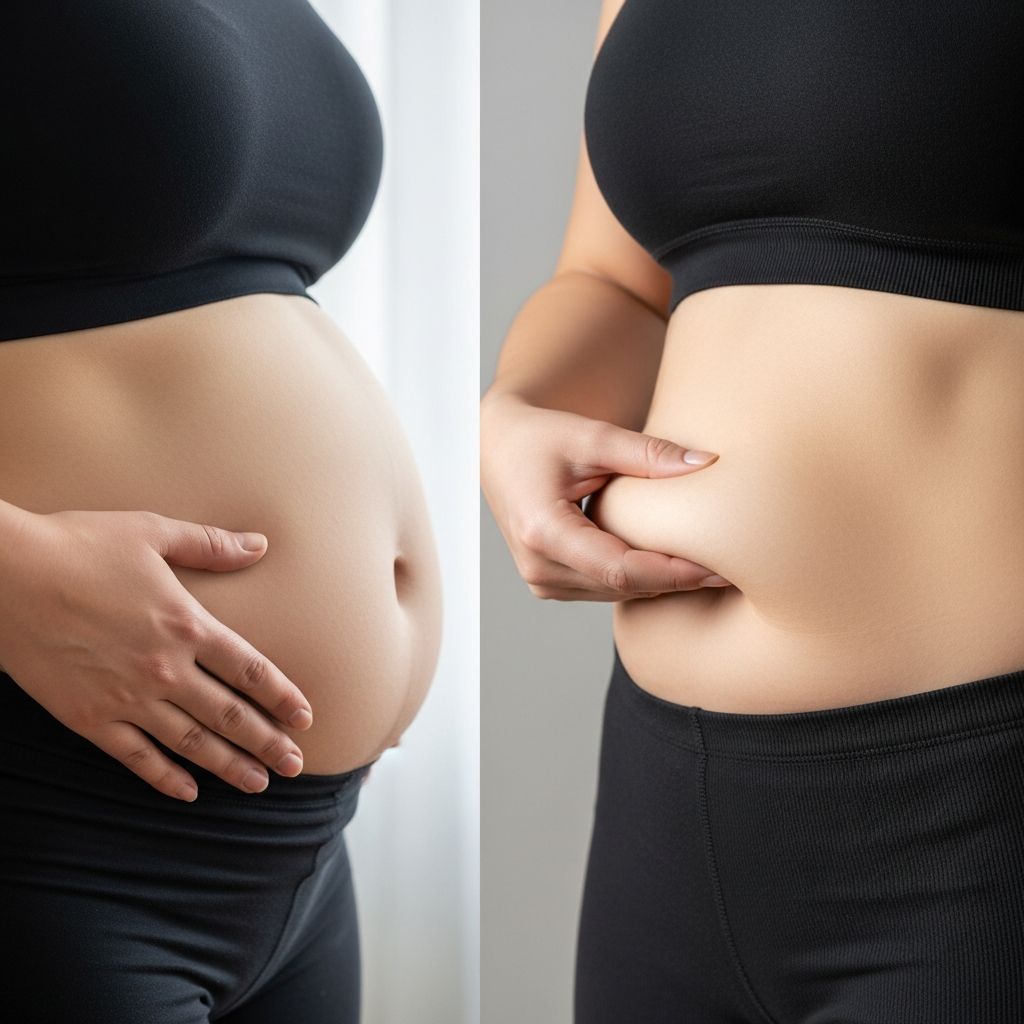
Bloating is a temporary sensation of abdominal fullness caused by gas or fluid buildup, while belly fat is persistent excess adipose tissue accumulated over time from calorie surplus and sedentary habits. Distinguishing between them is essential for targeted relief and health management, as bloating often resolves quickly with lifestyle tweaks, whereas fat reduction requires sustained diet and exercise efforts.
What Is Bloating?
Bloating occurs when your belly feels full, tight, and swollen due to trapped gas, fluid retention, or digestive slowdown. It creates a subjective sense of pressure or distension, often without significant scale weight change, and typically subsides within hours to days.
Unlike fat, bloating primarily affects the abdomen and feels hard and taut, making it uncomfortable but not pinchable. Common triggers include dietary choices and gut issues, leading to rapid onset after meals or stress.
What Is Belly Fat?
Belly fat, or visceral and subcutaneous adipose tissue around the abdomen, accumulates gradually from excess calorie intake, poor diet, inactivity, stress, and hormonal shifts. It increases health risks like heart disease, type 2 diabetes, and metabolic syndrome, feeling soft and graspable.
This fat distributes across the midsection, thighs, hips, and back, appearing consistently on scales and measurements. It demands long-term calorie deficits and exercise for reduction, unlike fleeting bloating.
How to Tell the Difference Between Bloating and Belly Fat
Key distinctions lie in appearance, sensation, timeline, and measurability. Use these indicators to identify the cause of your enlarged belly accurately.
Appearance
Bloating localizes to the stomach, causing uniform distension without changes elsewhere. Belly fat spreads to multiple areas like hips, thighs, and back via fat cells (adipocytes).
- Bloating: Belly-only expansion, often rounded and firm.
- Fat: Broader distribution, soft bulges pinchable in handfuls.
How It Feels
Bloating induces tightness, pressure, or mild pain from gas/fluid, feeling rock-hard. Belly fat is soft, spongy, and painless, akin to pinching excess skin.
- Bloating: Tight, uncomfortable, non-graspable.
- Fat: Malleable, comfortable to touch.
Duration
Bloating fluctuates daily or post-meal, resolving in hours/days. Fat builds and persists over weeks/months, unchanging overnight.
- Bloating: Sudden, temporary (e.g., after big meal).
- Fat: Gradual, constant.
Scale and Measurements
Bloating rarely shifts scale weight significantly and evens out quickly. Fat gain registers progressively and requires effort to reverse.
| Factor | Bloating | Belly Fat |
|---|---|---|
| Appearance | Localized, firm distension | Widespread, soft bulges |
| Feel | Tight, painful | Soft, pinchable |
| Duration | Hours to days | Weeks to months |
| Scale Impact | Minimal, temporary | Consistent gain |
Causes of Bloating
Bloating stems from gas buildup, fluid retention, or slowed digestion. Lifestyle and medical factors trigger it frequently.
- Dietary Triggers: High-fiber foods (beans, broccoli, cabbage), carbonated drinks, gum chewing, rapid eating, dairy (lactose intolerance), sugar alcohols.
- Digestion Issues: Constipation, allowing bacterial fermentation; SIBO (small intestinal bacterial overgrowth); dysbiosis.
- Medical Conditions: IBS, Crohn’s, ulcerative colitis, food allergies/intolerances (gluten), parasitic infections.
- Lifestyle: Swallowing air, high-sodium intake, stress-induced gut slowdown.
Related Stories



Causes of Belly Fat
Abdominal fat results from chronic calorie excess, inactivity, and metabolic factors. It preferentially stores viscerally, heightening disease risk.
- Diet: Excess calories, trans fats, sugary foods/drinks, alcohol.
- Lifestyle: Sedentary habits, stress (cortisol spikes), poor sleep.
- Hormonal/Medical: Aging, menopause, insulin resistance, medications.
How to Reduce Bloating
Address bloating through immediate dietary and habit changes for quick relief.
- Eat slowly, chew thoroughly to minimize air intake.
- Limit gas-producers: beans, cruciferous veggies, fizzy drinks, gum.
- Stay hydrated, exercise daily (walks aid motility).
- Probiotics, digestive enzymes for gut balance.
- Manage constipation with fiber moderation and laxatives if needed.
For persistent cases, consult a doctor to rule out IBS, SIBO, or intolerances.
How to Reduce Belly Fat
Sustainable fat loss involves calorie deficit, exercise, and holistic changes.
- Calorie Deficit: Consume fewer calories than burned via portion control, tracking.
- Balanced Diet: Prioritize veggies, lean proteins, whole grains, healthy fats; cut sugars, trans fats, alcohol.
- Exercise: Cardio (running, cycling) + strength training (planks, squats) targeting core.
- Lifestyle: Sleep 7-9 hours, stress reduction (meditation), consistent habits.
Aim for 0.5-1% weekly body weight loss to preserve muscle.
When to See a Doctor
Seek medical advice if bloating persists >2 weeks, accompanies pain, blood in stool, unexplained weight loss, or severe symptoms. These may signal IBD, SIBO, ovarian issues, or cancers. Fat-related concerns warrant checks for metabolic syndrome if waist >35 inches (women) or 40 (men).
Frequently Asked Questions (FAQs)
Does bloating make the scale go up?
Temporarily yes, due to gas/fluid, but it drops quickly unlike fat gain.
Can bloating feel like weight gain?
Yes, both enlarge the belly, but bloating is harder/tighter and resolves faster.
Is my bloating actually fat?
If widespread, soft, and scale-measurable over time, likely fat; isolated/hard suggests bloating.
How long does bloating last?
Hours to days; chronic cases need investigation.
Can stress cause belly fat or bloating?
Stress worsens both via cortisol, slowing digestion and promoting fat storage.
References
- Bloating Vs Body Fat: How To Tell The Difference In Your Belly — Women’s Health Mag. 2023. https://www.womenshealthmag.com/weight-loss/a19894630/bloated-or-gaining-weight/
- What’s the Difference Between Belly Bloating and Excess Fat and Skin? — Bonaldi MD. 2024. https://www.bonaldimd.com/blog/whats-the-difference-between-belly-bloating-and-excess-fat-and-skin/
- Bloating vs. Fat: How to Tell the Cause of an Enlarged Belly — Healthline. 2024-01-13. https://www.healthline.com/health/bloating-vs-fat
- Bloating vs. fat: How to tell the difference — Medical News Today. 2024. https://www.medicalnewstoday.com/articles/bloating-vs-fat
- Abdominal Bloating: Pathophysiology and Treatment — PMC (NCBI). 2013-10-21. https://pmc.ncbi.nlm.nih.gov/articles/PMC3816178/
Similar Articles








Read full bio of Sneha Tete