Blocked Ears: 5 Common Causes And Quick Relief
Discover why your ears feel clogged, from common triggers like wax buildup to serious conditions, and learn safe ways to find relief.
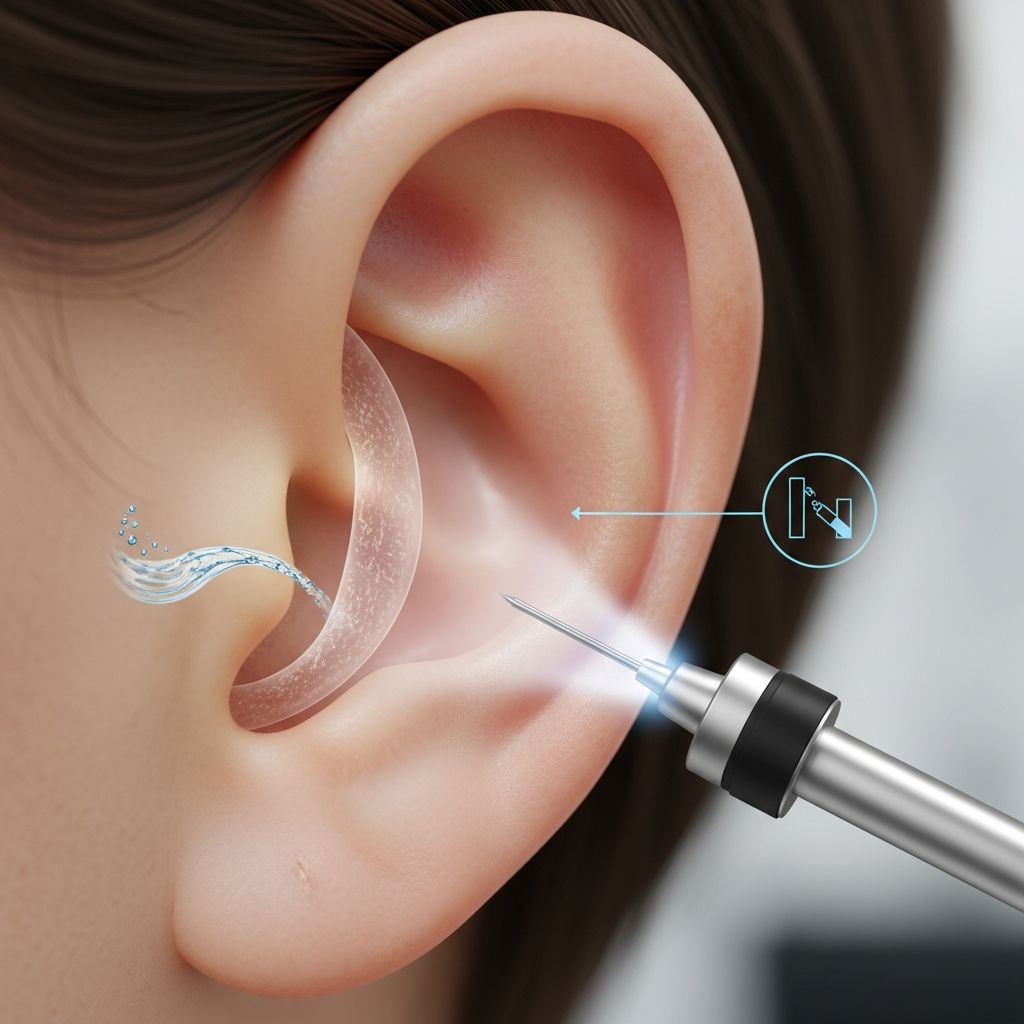
Feeling like your ears are stuffed or muffled is a frequent complaint that disrupts daily life, making sounds distant and creating discomfort. This sensation arises when pressure imbalances occur in the ear or blockages form in the ear canal or middle ear. Understanding the root causes empowers individuals to address the issue effectively, often through simple home strategies or targeted medical interventions.
Understanding the Anatomy Behind Ear Blockage
The ear consists of three main parts: the outer ear, middle ear, and inner ear. Blockages typically affect the outer canal or middle ear space. The Eustachian tube, a narrow passage connecting the middle ear to the back of the nose and throat, plays a crucial role in equalizing pressure and draining fluid. When this tube fails to function properly, pressure builds up, leading to that plugged feeling. Similarly, the ear canal can accumulate substances that obstruct sound waves from reaching the eardrum effectively.
Common Triggers for Ear Fullness
Several factors contribute to ears feeling clogged. Identifying the trigger is key to choosing the right remedy.
- Excessive Earwax: Earwax, or cerumen, naturally protects the ear but can harden and block the canal, especially in those using cotton swabs or hearing aids frequently.
- Pressure Changes: Rapid shifts during flights or diving cause the eardrum to bulge or retract, trapping air.
- Allergies and Colds: Inflammation from nasal congestion swells the Eustachian tube lining.
Detailed Causes of Clogged Ears
Earwax Impaction
Earwax buildup is one of the most prevalent reasons for blocked ears. It leads to symptoms like reduced hearing, itchiness, and a sense of fullness. People with narrow canals or those inserting objects into their ears are at higher risk. Contrary to popular belief, pushing wax deeper with swabs worsens the problem.
Eustachian Tube Dysfunction
This occurs when the tube doesn’t open properly, often due to swelling from allergies, infections, or structural issues like a deviated septum. Symptoms include popping sounds, pain, and muffled hearing. In chronic cases, fluid accumulates, mimicking a blockage.
Sinus Infections and Congestion
Sinusitis causes pressure in the facial sinuses, which extends to the ears via connected passages. Viral or bacterial infections lead to swelling, runny nose, facial pain, and clogged ears. Chronic sinus issues prolong the discomfort.
Ear Infections
Otitis media, common in children, involves fluid or pus behind the eardrum, causing sharp pain, fever, and blockage. Adults can experience it too, often following respiratory illnesses.
Other Factors
Less common culprits include Meniere’s disease, which affects inner ear fluid balance, leading to vertigo and fullness; swimmer’s ear from water trapped in the canal; and even jaw tension or TMJ disorders impacting nearby structures.
Related Stories



| Cause | Duration | Associated Symptoms | Risk Groups |
|---|---|---|---|
| Earwax | Days to weeks | Hearing loss, tinnitus | Hearing aid users, swab users |
| Eustachian Dysfunction | Hours to weeks | Popping, pain | Allergy sufferers |
| Sinusitis | 1-4 weeks | Runny nose, headache | Cold season participants |
| Airplane Ear | Minutes to hours | Pain during descent | Frequent flyers |
| Infection | 1-2 weeks | Fever, discharge | Children, immunocompromised |
Symptoms to Watch For
Beyond the primary plugged sensation, accompanying signs signal the underlying issue. Mild cases involve temporary muffling, while severe ones bring dizziness, ringing (tinnitus), pain, or discharge. Persistent symptoms over two weeks, sudden hearing loss, or vertigo warrant immediate attention to rule out tumors or nerve issues.
Home Remedies for Quick Relief
Many blockages resolve with self-care. Always avoid sharp objects or aggressive probing.
- Swallowing Techniques: Yawn, chew gum, or swallow to activate the Eustachian tube.
- Steam Inhalation: Breathe moist air from a hot shower or humidifier to reduce congestion.
- Warm Compress: Apply gently to ease pain and promote drainage.
- Nasal Irrigation: Saline sprays clear sinus passages linked to ear pressure.
- Decongestants: Oral options like pseudoephedrine help short-term, but consult a pharmacist.
Medical Treatments and Procedures
When home methods fail, professional care is essential. Options include:
- Wax Removal: Drops soften cerumen, followed by irrigation or suction by a clinician. Cerumenolytics reduce the need for instruments.
- Medications: Antibiotics for infections, antihistamines or steroids for allergies, NSAIDs for pain.
- Surgery: Tympanostomy tubes for recurrent fluid, or balloon dilation for chronic Eustachian issues.
Prevention Strategies for Clear Ears
Proactive steps minimize recurrence.
- Use filtered earplugs during flights or swimming.
- Manage allergies with shots or avoidance.
- Clean outer ears only; let professionals handle wax.
- Stay hydrated and avoid smoke exposure.
When to Consult a Healthcare Professional
Seek help if symptoms last over a week, include severe pain, fever, swelling, or balance problems. Early intervention prevents complications like permanent hearing loss.
Frequently Asked Questions (FAQs)
Can I remove earwax at home?
Soften with over-the-counter drops, but avoid irrigation without guidance to prevent eardrum damage.
How long does airplane ear last?
Usually resolves in minutes with yawning; persistent cases need decongestants.
Is clogged ear a sign of hearing loss?
Temporary blockage differs from sensorineural loss; get evaluated if ongoing.
Do allergies cause permanent ear issues?
Untreated chronic inflammation can lead to lasting damage; control promptly.
Long-Term Management for Recurrent Blockages
For those prone to frequent episodes, lifestyle adjustments like low-salt diets for Meniere’s or allergy immunotherapy prove beneficial. Regular check-ups with ENT specialists monitor underlying conditions.
References
- Clogged and ringing ears: Causes and treatment — Medical News Today. 2023-10-12. https://www.medicalnewstoday.com/articles/ear-feels-clogged-and-ringing
- Ear Blockages: Common Causes, How Long They Last, and What to Do — Precision Hearing FL. 2024-05-15. https://precisionhearingfl.com/hearing-loss-articles/ear-blockages-common-causes-how-long-they-last-and-what-to-do/
- Ugh, Dealing With Clogged Ears? Here Are 7 Possible Reasons Why — ENT and Allergy. 2022-09-01. https://www.entandallergy.com/blog/2022/september/ugh-dealing-with-clogged-ears-here-are-7-possibl/
- Earwax Blockage: Symptoms, Causes & Removal — Cleveland Clinic. 2024-08-20. https://my.clevelandclinic.org/health/diseases/14428-ear-wax-buildup–blockage
- 11 Reasons Your Ears Feel Clogged, and What Can Help — GoodRx. 2024-03-10. https://www.goodrx.com/health-topic/ear/why-do-my-ears-feel-plugged
- Do Your Ears Feel Plugged? Here’s What You Can Do About It — University of Utah Health. 2025-05-01. https://healthcare.utah.edu/the-scope/health-library/all/2025/05/do-your-ears-feel-plugged-heres-what-you-can-do-about-it
- How to unclog stuffy ears — Piedmont Healthcare. 2023-11-05. https://www.piedmont.org/blog/how-to-unclog-stuffy-ear
Similar Articles








Read full bio of Sneha Tete